If you’re a dog owner, you may have wondered about incorporating human foods into your furry friend’s diet. One of the popular questions is whether dogs can eat rice, particularly Jasmine Rice. While rice is often a staple in many cuisines worldwide, it’s essential to know whether it’s safe or dangerous for your canine companion. In general, the answer is yes! Dogs can eat Jasmine Rice in moderation. In this comprehensive guide, we’ll explore the benefits and risks of feeding your dog Jasmine Rice, as well as other types of rice that are safe for them. We’ll also discuss the spices commonly added to Jasmine Rice, the nutrients it provides, and whether it’s suitable for puppies, adult dogs, and sick dogs. So, read on to find out everything you need to know about feeding rice to your furry friend!
Can Puppies Eat Jasmine Rice?
When it comes to feeding puppies, it’s crucial to ensure that their diet meets their unique nutritional needs. Jasmine Rice can be a healthy addition to your puppy’s diet if introduced correctly. Puppies have sensitive digestive systems and may not tolerate large amounts of certain foods, including rice.
That said, Jasmine Rice is generally considered safe for puppies to eat, provided it’s cooked and served plain without any spices or additives. Additionally, you should introduce rice to your puppy’s diet gradually and in small portions to avoid upsetting their stomachs.
It’s also worth noting that while rice is a good source of carbohydrates, it should not be the only source of nutrition for your puppy. Feed your puppy a balanced mix of protein, fat, and essential nutrients for their growth and development.
Overall, feeding Jasmine Rice to your puppy can be a healthy addition to their diet when done correctly. If you’re unsure about feeding rice to your puppy, consult with your veterinarian to determine the best course of action.
Can Adult Dogs Eat Jasmine Rice?
Adult dogs can safely consume Jasmine Rice in moderation as part of a balanced diet. As a source of carbohydrates, rice can provide energy for your dog’s activities, making it a healthy addition to their diet.
However, it’s essential to note that not all adult dogs can tolerate rice. Some dogs may be allergic to rice or may have a sensitive digestive system, making it difficult for them to digest. In such cases, it’s best to avoid feeding rice to your dog or consult with your veterinarian before doing so.
Additionally, Jasmine Rice should be served plain, without any spices or additives, as many spices can be harmful to dogs. Dogs should also not be fed with leftover rice that has been seasoned or mixed with other ingredients like onions or garlic, which are toxic to dogs.
When feeding your dog Jasmine Rice, it’s crucial to introduce it gradually and in small amounts to avoid upsetting their stomach. Make sure to provide your dog with balanced nutrients, including protein and fat, for optimal health.
Jasmine Rice can be a healthy addition to an adult dog’s diet when introduced correctly and served in moderation. As with any new food, it’s crucial to observe your dog’s reactions and consult with your veterinarian if you have any concerns.
Is Jasmine Rice Good for Sick Dogs?
Jasmine Rice can be beneficial for sick dogs, especially those experiencing digestive issues like diarrhea or vomiting. As a bland, low-fiber food, Jasmine Rice can help soothe your dog’s stomach and promote normal bowel movements.
When feeding Jasmine Rice to sick dogs, it’s essential to serve it plain, without any spices or additives that can irritate their digestive system. Make sure to include protein and fat in their diet for overall health and wellbeing.
It’s important to note that Jasmine Rice should not be the sole treatment for sick dogs and should only be used in combination with veterinary treatment. In cases of severe illness, it’s crucial to seek veterinary care immediately.
If your dog has a chronic illness or digestive issues, consult with your veterinarian before introducing Jasmine Rice to their diet to determine the best course of action. Jasmine Rice can be a helpful addition to a sick dog’s diet, but it should only be used as part of a comprehensive veterinary treatment plan.
Does Jasmine Rice Help Dogs with Diarrhea?
Yes, Jasmine Rice can help dogs with diarrhea!
When a dog has diarrhea, their digestive system is irritated and inflamed, and it’s crucial to feed them foods that are easy to digest and gentle on their stomach. Jasmine Rice is a bland, low-fiber food that can help soothe your dog’s digestive system and promote normal bowel movements.
The high starch content in Jasmine Rice can also help bind loose stools and reduce the frequency and severity of diarrhea. Serve plain cooked rice to prevent digestive issues in dogs; avoid spices and additives.
Additionally, you can mix boiled chicken or boiled lean meat with the rice to provide some protein, as long as the meat is cooked and plain. Feed your dog frequent small meals of rice and meat to ease diarrhea and prevent dehydration.
It’s important to note that while Jasmine Rice can help ease diarrhea, it should not be the sole treatment for your dog’s condition. If your dog has severe or persistent diarrhea, it’s crucial to seek veterinary care to determine the underlying cause and appropriate treatment.
Spices Commonly Added to Jasmine Rice
Jasmine Rice is often served with various spices and seasonings to enhance its flavor and aroma. However, many of these spices can be harmful to dogs and should be avoided when feeding them Jasmine Rice.
Spices like onion and garlic are particularly toxic to dogs and can cause serious health issues, including anemia and gastrointestinal problems. Other spices like cumin, chili powder, and paprika can also be harmful to dogs, causing digestive issues, respiratory problems, and even kidney failure in severe cases.
It’s crucial to serve Jasmine Rice plain, without any spices or additives that can be harmful to your dog’s health. If you want to add some flavor to your dog’s rice, consider adding plain, cooked lean meat like boiled chicken or turkey.
It’s important to note that while some spices may be safe for dogs, it’s best to consult with your veterinarian before introducing them to your dog’s diet. Additionally, always monitor your dog’s reactions and discontinue any foods that cause adverse effects.
Nutrients in Jasmine Rice
Jasmine Rice is a great source of carbohydrates that can provide your furry friend with energy for their daily activities. Not only is it low in fat and cholesterol-free, but it also contains essential vitamins and minerals like thiamin, niacin, and magnesium that help support your dog’s overall health and wellbeing.
Thiamin, which is vitamin B1, plays a role in your dog’s nervous system and metabolism. Niacin, which is vitamin B3, helps keep their skin healthy and promotes normal digestion. Magnesium, on the other hand, is an essential mineral that helps maintain strong bones, muscles, and immune function.
It’s essential to remember that Jasmine Rice should not be the only source of nutrition in your dog’s diet. A well-balanced diet should consist of various foods that provide them with the right amount of protein, fat, and other vital nutrients.
Is All Rice Safe for Dogs?
When it comes to feeding rice to dogs, not all types of rice are safe. Jasmine Rice is safe, but some rice types can be harmful and should be avoided for dogs.
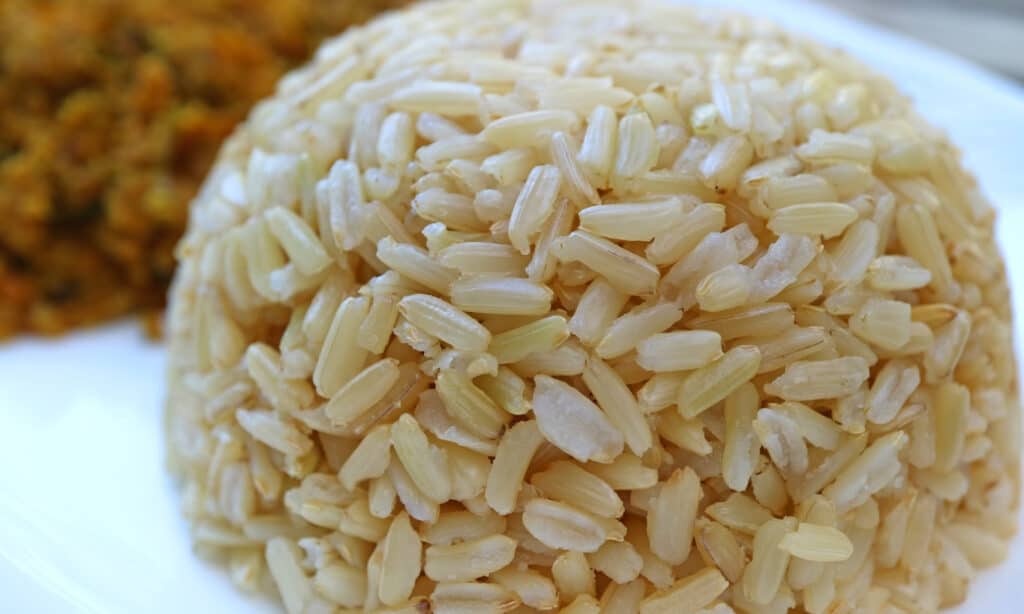
For example, wild rice and brown rice contain high levels of arsenic, a toxic substance that can cause cancer, skin lesions, and other health issues in dogs. Black and red rice may contain antioxidants that are healthy for humans but harmful to dogs.
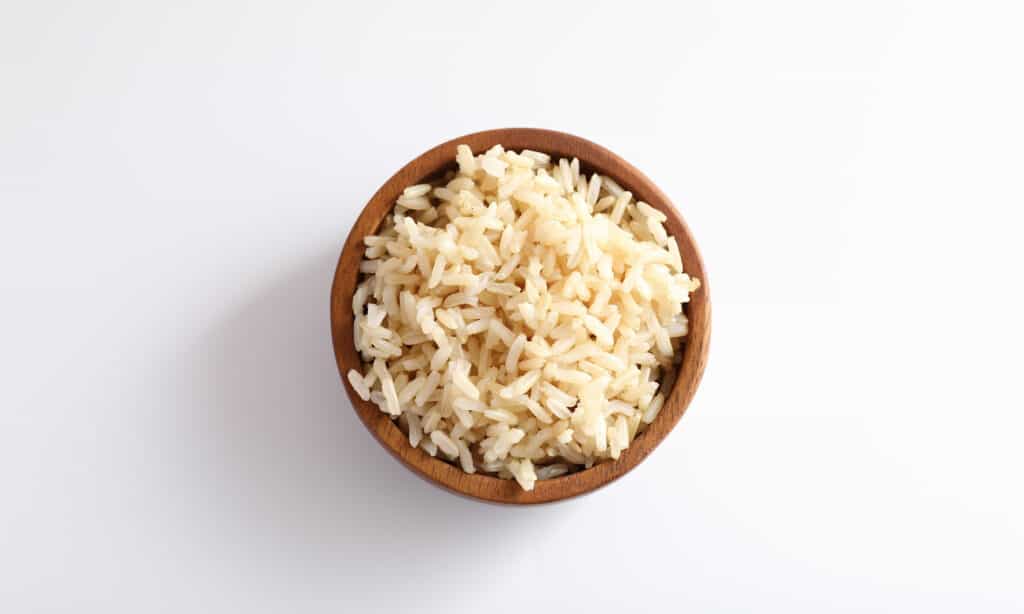
When feeding your dog rice, it’s crucial to choose plain, white rice that is cooked correctly and served without any additives or spices. Rice should also be served in moderation and should not make up the majority of your dog’s diet.
It’s also essential to note that rice should not be the only source of nutrition in your dog’s diet. Dogs need protein, fat, and essential nutrients for overall health and wellbeing.
Types of Rice for Dogs
Type of Rice
Description
Brown Rice
Whole grain rice that is high in fiber and nutrients, including manganese and selenium. It’s a great source of carbohydrates and can help regulate blood sugar levels.
White Rice
Refined rice that has had the bran and germ removed, resulting in a lower fiber content. It’s still a good source of carbohydrates and can be easily digestible for dogs with sensitive stomachs.
Basmati Rice
A long-grain rice that is low in fat and high in carbohydrates. It has a unique flavor and aroma that some dogs may enjoy.
Jasmine Rice
Another long-grain rice with a delicate flavor and aroma. It’s a good source of carbohydrates and can be easily digestible for dogs.
Wild Rice
Not actually a type of rice, but a seed from a type of grass. It’s high in fiber, protein, and minerals, and can provide some variety to a dog’s diet.
Can Dogs Eat Jasmine Rice: Verdict and Final Thoughts
In conclusion, feeding rice to dogs can be a healthy addition to their diet, but it’s important to choose the right type of rice and serve it correctly. While white rice is the most commonly recommended type for dogs, brown, Jasmine, and Basmati Rice are also safe options in moderation. Wild, black, and red rice should be avoided as they can be harmful to dogs.
When serving rice to your furry friend, ensure that it’s plain, cooked, and served without any spices or additives. Rice should only make up a small portion of your dog’s diet, and it should not be the sole source of nutrition.
Remember, consulting with your veterinarian can help determine the best diet plan for your dog based on their individual needs and health status. Choose the right rice, feed in moderation for a healthy and nutritious diet that supports dog’s health.
This article provides general education and does not replace an examination, diagnosis, or individualized advice from your veterinarian. Contact a veterinary professional if you are concerned about your dog’s symptoms.
Sheena Keliher is a passionate and knowledgeable pet expert with over a decade of experience in the veterinary profession and rescue work. She has always been dedicated to caring for animals and has spent countless hours helping them in any way she can. Throughout her career, Sheena has provided valuable insights to pet owners and helped them make informed decisions about their furry friends.
In her 13 years in the veterinary profession, Sheena has gained extensive knowledge and experience in animal health and wellness, including diagnostics, treatments, and surgeries. She has worked with a wide range of animals, from dogs and cats to exotic pets and wildlife, and has always been committed to providing the best possible care for each and every one of them.
In addition to her work in the veterinary field, Sheena has also been actively involved in rescue work for the past 15 years. She has helped countless animals find loving homes and has been a tireless advocate for animal welfare. Sheena’s dedication to rescue work has been unwavering, and she continues to be a source of inspiration to many in the animal welfare community.
At home, Sheena is a proud parent of one German Wirehaired Pointer named Jasper and three cats named Sammie, Bat, and Ezra. Her pets are her family, and she always goes above and beyond to ensure that they are happy and healthy.
With her wealth of knowledge and experience, Sheena is an exceptional resource for pet-related advice and assistance. Her love for animals is evident in everything she does, and she is committed to making a positive difference in the lives of pets and their owners.
As dog owners, we all want our furry friends to be happy and healthy. One important aspect of their health that often gets overlooked is their digestive system. A healthy gut is essential for your dog’s overall well-being, but digestive issues can be common and often indicate larger health problems. That’s why it’s important to understand how your dog digestive system works and what you can do to maintain its health.
In this comprehensive guide, we’ll take a deep dive into your dog’s gut health. We’ll cover the anatomy of their digestive system, how food is processed and broken down, and the importance of nutrient absorption. We’ll also explore common digestive issues in dogs, such as upset stomach, diarrhea, and constipation, and how to recognize when it’s time to see a vet. Finally, we’ll provide practical tips for maintaining digestive health in your dog, including proper diet and nutrition, hydration, exercise, and prebiotics and probiotics.
By the end of this guide, you’ll have a thorough understanding of your dog’s digestive system and be equipped with the knowledge to keep your furry friend’s gut healthy and happy. So, let’s get started!
Understanding Your Dog’s Gut Health: An Introduction
When it comes to our dogs’ health, we often focus on their physical fitness and overall well-being, but we may not realize the importance of their digestive health. A dog’s digestive system is vital for food processing, nutrient absorption, and a strong immune system.
To understand your dog’s gut health, it’s important to first understand the anatomy of their digestive system. A dog’s digestive system breaks down food, absorbs nutrients, and eliminates waste. The process begins in the mouth, where enzymes in their saliva begin to break down carbohydrates. The food then travels down the esophagus to the stomach, where stomach acid and enzymes further break down the food. From there, the partially digested food travels to the small intestine, where most of the nutrients are absorbed into the bloodstream. Finally, any waste products are eliminated through the large intestine and rectum.
Another critical aspect of your dog’s gut health is the gut microbiome, which is the collection of microorganisms that live in the digestive tract. These microorganisms play a crucial role in the digestion process, and they also help to maintain a healthy immune system. A diverse and healthy gut microbiome can help prevent issues like diarrhea and other digestive problems.
In the next sections, we’ll dive deeper into each aspect of your dog’s gut health, including the anatomy of the digestive system and the gut microbiome. By understanding how your dog’s gut works, you can take steps to ensure that they maintain optimal digestive health.
The Role of the Digestive System in Your Dog’s Health
The digestive system plays a crucial role in keeping your furry friend healthy and happy. It provides essential nutrients for growth, energy, and a healthy immune system. When the digestive system is working as it should, your dog can better ward off infections and illnesses.
However, a compromised digestive system can lead to a range of health problems. Symptoms such as diarrhea, vomiting, and constipation can indicate underlying health issues. Left untreated, chronic digestive issues can cause weight loss, malnutrition, and even more severe health problems.
Moreover, an unhealthy gut can also contribute to other issues such as skin allergies, autoimmune disorders, and behavioral problems. A poor gut health can cause anxiety and depression, as studies have found.
That’s why it’s vital to prioritize your dog’s digestive health. To maintain a healthy dog, provide a balanced diet, exercise, and support gut health. In the upcoming sections, we’ll dive into how you can take care of your furry friend’s gut health.
Breaking Down Digestion: An Overview of the Canine Digestive System
Sure, here’s a possible section on “Breaking Down Digestion: An Overview of the Canine Digestive System”:
Have you ever wondered how your dog’s food is processed and broken down? Understanding the anatomy and function of the canine digestive system can help you better care for your furry friend’s health.
The digestive process starts in the mouth, where the food is broken down into smaller pieces by the teeth and mixed with saliva, which contains enzymes that start to break down carbohydrates. Food travels to stomach, mixes with gastric juices and digestive enzymes to break it down.
Partially digested food goes to small intestine, where nutrients are absorbed into bloodstream. Tiny finger-like projections called villi line the small intestine, increasing the surface area available for nutrient absorption.
The large intestine is responsible for absorbing water and electrolytes from the remaining undigested food and eliminating waste. The rectum stores feces until it’s time for elimination.
It’s essential to note that dogs have a shorter digestive tract than humans, which means their food is processed and eliminated more quickly. Feed dogs high-quality, easily digestible food for essential nutrient intake.
How Food is Processed in Dogs: A Step-by-Step Guide
It’s important to know how your furry friend’s food is processed and broken down in their digestive system. Here’s a step-by-step guide to help you understand the process:
Mouth: Food is chewed by teeth and mixed with enzymes in saliva, beginning the digestive process in the mouth.
Esophagus: The food then travels down the esophagus, a long muscular tube that connects the mouth to the stomach.
Stomach: Once in the stomach, the food is mixed with gastric juices and digestive enzymes that break it down further. The stomach also churns the food, which helps to break it down into smaller pieces.
Small intestine: Partly digested food travels to small intestine, where nutrients are absorbed into bloodstream from stomach. The small intestine is lined with tiny finger-like projections called villi, which increase the surface area available for nutrient absorption.
Large intestine: The large intestine is responsible for absorbing water and electrolytes from the remaining undigested food and eliminating waste.
Rectum: The rectum stores feces until it’s time for elimination.
It’s important to note that the digestive process in dogs is different from that of humans. Dogs have a shorter digestive tract, which means their food is processed and eliminated more quickly.
Nutrient Absorption in Dogs: What You Need to Know
The small intestine absorbs most of the nutrients in your dog’s food and has villi that increase the surface area for absorption. The liver processes and distributes the nutrients throughout the body.
Nutrient absorption is critical for your dog’s overall health and well-being. A deficiency in essential nutrients can lead to a range of health issues, including poor coat condition, weakened immune system, and even developmental problems in puppies.
To ensure your dog is getting the nutrients they need, it’s essential to provide them with a balanced diet that includes all the essential nutrients, such as protein, carbohydrates, fats, vitamins, and minerals. Feed your dog a balanced, high-quality diet for optimal nutrient intake.
It’s also important to note that some factors can affect nutrient absorption, such as digestive problems or certain medications. If you suspect your dog is not absorbing nutrients properly, it’s important to speak with your veterinarian. They may recommend a specialized diet or supplements to ensure your furry friend is getting the necessary nutrients.
Common Digestive Issues in Dogs
While a healthy digestive system is essential for your dog’s overall health and well-being, digestive issues can be common and can indicate larger health problems. Symptoms such as vomiting, diarrhea, and constipation can be a sign of an underlying issue that requires veterinary attention. In this section, we’ll explore some of the most common digestive issues in dogs, including their causes, symptoms, and treatments, so you can be better equipped to care for your furry friend’s digestive health.
Upset Stomach in Dogs: Causes, Symptoms, and Treatment
An upset stomach, also known as gastroenteritis, is a common digestive issue in dogs. Gastrointeritis casues inflammation of the stomach and intestines causing vomiting, diarrhea, and abdominal pain.
The most common causes of upset stomach in dogs include dietary indiscretion (such as eating something they shouldn’t), bacterial or viral infections, and stress. Some breeds are also more prone to digestive issues, such as brachycephalic breeds, which have a shorter snout and may swallow more air when eating or drinking.
Symptoms of an upset stomach in dogs can include vomiting, diarrhea, loss of appetite, lethargy, and abdominal pain. In some cases, you may notice blood in your dog’s stool or vomit, which requires immediate veterinary attention.
Treatment for upset stomach in dogs may include fasting for 12-24 hours to give their digestive system time to rest and recover. After the fasting period, you can gradually reintroduce small amounts of a bland diet, such as boiled chicken and rice. It’s important to ensure your dog stays hydrated during this time, so be sure to provide plenty of fresh water.
If your dog’s symptoms persist or worsen, or if you notice any signs of dehydration (such as dry gums, sunken eyes, or lethargy), it’s important to seek veterinary attention. Your veterinarian may recommend additional treatment, such as medication to control vomiting or diarrhea, or antibiotics to treat an underlying infection.
Diarrhea in Dogs: What You Need to Know
Diarrhea is a common digestive issue in dogs that can range from mild to severe. It is characterized by loose, watery stools and can be caused by a variety of factors, including dietary changes, infections, parasites, and certain medications.
In many cases, diarrhea in dogs is mild and resolves on its own within a few days. However, if your dog’s diarrhea is severe, bloody, or accompanied by other symptoms such as vomiting or lethargy, it’s important to seek veterinary attention.
To help manage your dog’s diarrhea at home, it’s important to keep them hydrated. Be sure to provide plenty of fresh water, and consider offering a hydration solution like Pedialyte to help replace lost electrolytes. You can also try feeding your dog a bland diet, such as boiled chicken and rice, to help settle their stomach.
If your dog’s diarrhea persists or worsens, your veterinarian may recommend additional treatment, such as medication to control vomiting or diarrhea, or antibiotics to treat an underlying infection. They may also recommend diagnostic tests, such as a fecal exam, to determine the underlying cause of your dog’s diarrhea.
Preventing diarrhea in dogs involves providing a consistent, high-quality diet, avoiding sudden dietary changes, and ensuring your furry friend is up-to-date on parasite prevention. Regular veterinary checkups can also help detect and address potential health issues before they become more severe.
Vomiting in Dogs: Causes, Symptoms, and Treatment
Vomiting is a common digestive issue in dogs and can be caused by a range of factors, including dietary indiscretion, infections, motion sickness, and underlying health issues. It is characterized by the involuntary expulsion of stomach contents through the mouth. Symptoms of vomiting in dogs can include retching, drooling, and abdominal contractions. In some cases, you may notice your dog has a decreased appetite or is lethargic.
Treatment for vomiting in dogs may depend on the underlying cause. In some cases, fasting for 12-24 hours can help give the digestive system time to rest and recover. After the fasting period, you can gradually reintroduce small amounts of a bland diet, such as boiled chicken and rice. It’s important to ensure your dog stays hydrated during this time, so be sure to provide plenty of fresh water.
Preventing vomiting in dogs involves providing a consistent, high-quality diet, avoiding sudden dietary changes, and ensuring your furry friend is up-to-date on parasite prevention.
Constipation in Dogs: Causes, Symptoms, and Treatment
Constipation is a common digestive issue in dogs and is characterized by difficulty passing stools or infrequent bowel movements. It can be caused by a range of factors, including dehydration, dietary changes, lack of exercise, and underlying health issues such as an obstruction in the digestive tract.
Symptoms of constipation in dogs can include straining to defecate, passing small or hard stools, and a decreased appetite. In some cases, you may notice your dog has a bloated or uncomfortable abdomen.
Treatment for constipation in dogs may include dietary changes, such as increasing fiber intake or switching to a softer, more easily digestible food. Adding a stool softener or lubricant to your dog’s food can also help make it easier for them to pass stools. In some cases, your veterinarian may need to manually remove the feces from your dog’s colon.
Preventing constipation in dogs involves ensuring your dog stays hydrated and gets plenty of exercise. Providing a high-quality, nutritionally balanced diet can also help promote regular bowel movements.
Pancreatitis in Dogs: What You Need to Know
Pancreatitis is a serious digestive issue that can affect dogs. It is characterized by inflammation of the pancreas, which can cause symptoms such as vomiting, diarrhea, abdominal pain, and loss of appetite.
The pancreas is an important organ that produces enzymes to aid in digestion and hormones to regulate blood sugar levels. Inflammation of the pancreas can cause serious health problems, such as diabetes, kidney failure, and death.
The causes of pancreatitis in dogs can vary, but some common factors include high-fat diets, obesity, underlying health conditions such as Cushing’s disease, and certain medications. Certain breeds are also more prone to pancreatitis, including miniature schnauzers, Yorkshire terriers, and cocker spaniels.
Diagnosis of pancreatitis in dogs involves a combination of physical examination, blood tests, and imaging studies such as an ultrasound. Treatment may involve hospitalization, intravenous fluids, and medication to manage symptoms such as vomiting and pain.
Preventing pancreatitis in dogs involves providing a balanced, low-fat diet and ensuring your furry friend maintains a healthy weight. Avoiding table scraps and high-fat treats can also help reduce the risk of pancreatitis.
Maintaining Digestive Health in Dogs
Maintaining digestive health is essential for your dog’s overall health and well-being. A healthy digestive system ensures your furry friend is getting the nutrients they need to thrive, while also playing a critical role in maintaining a healthy immune system and preventing a range of health issues. In this section, we’ll explore some simple yet effective ways to maintain your dog’s digestive health, including tips for choosing a high-quality diet, promoting a healthy gut microbiome, and recognizing the signs of digestive issues. By prioritizing your dog’s digestive health, you can help ensure they live a happy, healthy life.
Proper Diet and Nutrition for a Healthy Gut in Dogs
The food your dog eats plays a crucial role in maintaining a healthy gut. A balanced and nutritionally complete diet can provide your furry friend with the necessary nutrients to keep them healthy and also supports their digestive system.
When choosing a diet for your dog, it’s important to select high-quality commercially available food that suits their age, breed, and activity level. The food should contain high-quality proteins, complex carbohydrates, and essential fatty acids. Avoid fillers, by-products, and artificial preservatives in dog food, as they can be hard to digest.
Feeding your dog at regular intervals is important as it helps them maintain their weight and prevents overeating. Overfeeding can lead to obesity, which is a risk factor for a range of health problems including digestive issues.
Supplements such as probiotics and prebiotics can also promote a healthy gut microbiome in dogs. Probiotics are beneficial bacteria that support digestive health and immune function while prebiotics are the fiber that feeds the good bacteria in your dog’s gut.
Hydration for Dogs: Why It’s Important for Digestive Health
Proper hydration is crucial for maintaining digestive health in dogs. Water is essential for transporting nutrients and eliminating waste from the body, and also helps regulate body temperature and support immune function.
Dehydration can lead to a range of health issues, including constipation, urinary tract infections, and even kidney failure. Signs of dehydration in dogs include dry mouth and gums, lethargy, and decreased urination.
To ensure your furry friend stays properly hydrated, make sure they have access to fresh, clean water at all times. In general, dogs should drink about one ounce of water per pound of body weight per day. During hot weather or increased activity, your dog may need more water to stay hydrated.
If you notice signs of dehydration in your dog, such as decreased urination or dry mouth, it’s important to provide them with water immediately and seek veterinary attention if the symptoms persist.
In addition to providing fresh water, feeding your dog a moisture-rich diet can also help promote hydration and support digestive health. Wet or canned food can be a good option, as it contains more moisture than dry food.
Exercise and Physical Activity for a Healthy Gut in Dogs
Regular exercise and physical activity are important for maintaining a healthy gut in dogs. Exercise can help promote regular bowel movements, reduce stress, and improve overall digestion.
In addition to promoting gut health, exercise also has a range of other health benefits for dogs, including weight management, improved cardiovascular health, and reduced risk of certain diseases.
The type and amount of exercise your dog needs will depend on their age, breed, and activity level. Most dogs need 30-60 mins of daily moderate exercise like walking, jogging, or playing fetch.
When exercising your furry friend, it’s important to keep them safe and avoid overexertion, particularly in hot or humid weather. Make sure they have access to plenty of water and take frequent breaks to rest and cool down.
In addition to physical exercise, mental stimulation can also help promote a healthy gut in dogs. Interactive toys and training can improve your dog’s mental health and reduce stress for a happier, healthier pup.
Prebiotics and Probiotics for Digestive Health in Dogs
Prebiotics and probiotics are two types of supplements that can promote digestive health in dogs. Probiotics are live bacteria that help to balance the good bacteria in the gut. Prebiotics are the fiber that feed the good bacteria and promote their growth.
You can find probiotics in certain foods like yogurt, kefir, and fermented vegetables, or as a supplement. It’s crucial to choose a high-quality probiotic supplement that includes strains of bacteria specifically targeted for dogs. Some common strains of beneficial bacteria for dogs include Lactobacillus acidophilus, Bifidobacterium bifidum, and Enterococcus faecium.
Prebiotics are in foods like bananas, chicory root, garlic, or as a dog-specific supplement. It’s important to start with a small amount of probiotics or prebiotics when introducing them to your dog’s diet, and gradually increase the dosage to avoid any potential digestive upset or diarrhea.
Incorporating prebiotics and probiotics into your dog’s diet can help promote a healthy gut and prevent digestive issues.
Signs Your Dog Needs to See a Vet for Digestive Issues
Digestive issues in dogs can range from mild to severe and can sometimes indicate an underlying health problem. Know when to seek veterinary care for your dog despite being able to manage some minor digestive issues at home.
Here are some signs that your dog may need to see a vet for digestive issues:
Persistent vomiting or diarrhea: After 24 hours of vomiting or diarrhea, seek veterinary care for your dog. Prolonged vomiting or diarrhea can lead to dehydration and other health issues.
Loss of appetite: Lack of interest in food or water for over 24 hours in dogs requires immediate veterinary attention.
Abdominal pain: Signs of abdominal pain in dogs include whining, panting, and restlessness. If your dog is exhibiting these symptoms, it’s important to seek veterinary care.
Blood in vomit or stool: The presence of blood in vomit or stool can indicate a range of health issues, including infection, inflammation, or injury to the digestive tract. If you notice blood in your dog’s vomit or stool, it’s important to seek veterinary care.
Changes in behavior or mood: Digestive issues can sometimes cause changes in your dog’s behavior or mood, such as lethargy, depression, or irritability. If you notice any unusual changes in your dog’s behavior, it’s important to seek veterinary care.
By recognizing the signs that your dog may need veterinary care for digestive issues, you can help ensure they receive prompt treatment and prevent more serious health issues from developing. In the next section, we’ll explore some tips for preventing digestive issues in dogs.
Conclusion
In conclusion, maintaining digestive health in dogs is crucial for their overall health and well-being. A healthy gut can help prevent a range of health issues and promote optimal nutrient absorption and immune function.
To promote digestive health in your furry friend, it’s important to provide them with a healthy diet, plenty of exercise, and regular access to water. Incorporating prebiotics and probiotics into their diet can also help promote a healthy gut microbiome.
If you notice any signs of digestive issues in your dog, it’s important to seek veterinary care promptly. Early treatment can help prevent more serious health issues from developing.
By prioritizing your dog’s digestive health, you can help them live a happy, healthy life. We hope that this guide has been helpful in understanding the digestive system in dogs and providing you with tips for maintaining a healthy gut in your furry friend.
~Lindsie
A note about your dog’s health
This article provides general education and does not replace an examination, diagnosis, or individualized advice from your veterinarian. Contact a veterinary professional if you are concerned about your dog’s symptoms.
Lindsie Parks is the founder of Healthy Happy Dogs and holds a bachelor’s degree in biology. She brings more than 19 years of experience across veterinary medicine, animal welfare, practice leadership, nutrition, cold laser therapy, rescue work, and emergency animal response. Her goal is to give pet parents clear information, practical options, and greater confidence in the decisions they make for their animals.
We all love our furry friends, and as pet owners, we want the best for them. However, sometimes our love and affection can lead to overindulging our dogs with treats, snacks, and extra meals. Unfortunately, this can contribute to a growing problem that affects millions of dogs around the world: canine obesity.
Canine obesity is a serious health concern that can lead to a range of health problems, from joint pain to diabetes and heart disease. As responsible pet owners, it’s up to us to learn about the causes and risks of canine obesity, and take steps to prevent or manage it. In this blog, we’ll explore the main causes of canine obesity, the potential health risks, and effective strategies for preventing or managing it.
Causes of Canine Obesity
There are several factors that can contribute to canine obesity, and it’s important for pet owners to understand them in order to prevent or manage this health concern. Overfeeding, lack of exercise, and genetics are all potential causes of canine obesity. Additionally, certain breeds and age ranges may be more prone to obesity than others. By understanding these causes, pet owners can take steps to keep their furry friends at a healthy weight and prevent the onset of health problems. In this section, we’ll delve deeper into the main causes of canine obesity and explore strategies for preventing it.
Overfeeding: How to Control Your Dog’s Portion Sizes
Overfeeding is one of the main causes of canine obesity. It’s easy to fall into the trap of overfeeding our furry friends, especially when they give us those irresistible puppy eyes or beg for more treats. However, giving your dog too much food can have serious consequences for their health. To prevent overfeeding, it’s important to control your dog’s portion sizes. This means measuring out their food carefully and avoiding the temptation to give them extra portions or scraps from the table. Your veterinarian can provide guidance on how much to feed your dog based on their breed, age, and activity level. By controlling your dog’s portion sizes, you can help them maintain a healthy weight and avoid the risks of obesity.
Exercise: Making Sure Your Dog Gets Enough Physical Activity
Exercise is essential for maintaining a healthy weight in dogs. It’s important to make sure your furry friend gets enough physical activity on a regular basis. Different dogs have different exercise needs, depending on their breed, age, and health status. Some dogs may need several hours of exercise per day, while others may only need a short walk. The key is to find a routine that works for you and your dog, and to stick to it consistently. Some fun ways to incorporate exercise into your dog’s routine include playing fetch, going for walks or runs, and participating in dog sports like agility or flyball. Regular exercise not only helps with weight management, but it also promotes good mental health and can strengthen the bond between you and your dog.
Genetics: Understanding How Breed and Age Affect Your Dog’s Weight
Genetics can play a role in canine obesity. Some dog breeds are more prone to weight gain than others, and certain age ranges may also be more susceptible to obesity. For example, older dogs may have a slower metabolism and be less active, which can make it easier for them to gain weight. Additionally, some breeds are genetically predisposed to weight gain, such as Labrador Retrievers and Beagles.
If you have a dog that is at a higher risk for obesity due to genetics, it’s important to be extra vigilant about their diet and exercise routine. Your veterinarian can help you determine if your dog is at a higher risk for obesity and provide guidance on how to manage their weight effectively. By understanding how genetics can affect your dog’s weight, you can take steps to prevent or manage obesity and ensure a long and healthy life for your furry friend.
Health Risks of Canine Obesity
Canine obesity is not just a cosmetic concern – it can have serious health consequences for your furry friend. Extra weight can put pressure on your dog’s joints, leading to joint pain and arthritis. It can also increase the risk of developing diabetes and heart disease. Additionally, obese dogs may have a shorter lifespan and a lower quality of life. As a pet owner, it’s important to understand the potential health risks of canine obesity and take steps to prevent or manage it. In this section, we’ll explore the main health risks of canine obesity in more detail and provide guidance on how to keep your dog healthy and happy.
Joint Problems: Understanding How Extra Weight Puts Pressure on Your Dog’s Joints
Extra weight can put pressure on your dog’s joints, which can lead to joint pain, arthritis, and other mobility issues. This is especially true for older dogs or dogs with pre-existing joint conditions. As your dog gains weight, their joints have to work harder to support their body, which can cause wear and tear on the cartilage and lead to joint damage. In severe cases, joint problems can limit your dog’s mobility and quality of life.
To prevent joint problems, it’s important to keep your dog at a healthy weight and provide them with regular exercise to keep their joints strong and flexible. If your dog is already experiencing joint pain or mobility issues, your veterinarian can provide guidance on how to manage their condition and improve their quality of life. By taking steps to prevent joint problems, you can ensure that your furry friend stays healthy, active, and happy for years to come.
Diabetes: The Link Between Obesity and Canine Diabetes
Just like humans, dogs can also suffer from diabetes, a chronic condition that can cause a range of health problems. Canine obesity is a major risk factor for developing diabetes, as overweight dogs have to work harder to produce insulin, which regulates blood sugar levels. This can lead to insulin resistance, where the body is unable to use insulin effectively, resulting in elevated blood sugar levels. Over time, this can cause a range of health complications, such as infections and damage to the eyes, kidneys, and nervous system.
To prevent diabetes, it’s important to keep your dog at a healthy weight and provide them with regular exercise. If your dog has already been diagnosed with diabetes, your veterinarian can provide guidance on how to manage their condition and prevent further health problems. By understanding the link between obesity and diabetes, pet owners can take steps to keep their pups healthy and happy for years to come.
Heart Disease: How Obesity Puts Your Dog’s Heart Health at Risk
Just like in humans, obesity can increase the risk of heart disease in dogs. When a dog is carrying extra weight, their heart has to work harder to pump blood throughout their body, which can cause long-term damage to the heart muscle. Moreover, obesity can cause fatty deposits to accumulate in the arteries, potentially leading to blockages that increase the risk of heart attacks and other cardiovascular problems. Dogs with heart disease may exhibit symptoms like coughing, shortness of breath, and fatigue. To reduce the risk of heart disease, it’s essential to keep your dog at a healthy weight and ensure they get regular exercise. If your dog has already been diagnosed with heart disease, your veterinarian can guide you on how to manage their condition and prevent further complications.
Prevention and Management of Canine Obesity
Keeping your furry friend at a healthy weight involves much more than simply restricting their food intake. It requires a comprehensive approach that takes into account diet, exercise, and overall lifestyle factors. By being proactive about your dog’s weight, you can reduce the risk of health problems and ensure that they lead a happy and fulfilling life. In this section, we’ll explore various effective strategies for preventing and managing canine obesity. We’ll cover everything from creating a healthy diet plan and incorporating exercise into your dog’s routine, to rewarding them with healthy treats. By taking a holistic approach to your dog’s health, you can help them maintain a healthy weight and enjoy a long and happy life by your side.
Creating a Healthy Diet Plan for Your Dog: Balancing Nutrients and Calories
A healthy diet is crucial for maintaining a healthy weight in dogs. When creating a diet plan for your furry friend, it’s important to strike a balance between nutrients and calories. Your dog’s diet should provide all the necessary nutrients, vitamins, and minerals to keep them healthy, but also limit the number of calories to prevent excess weight gain. High-quality dog food brands can provide a good foundation for your dog’s diet, but it’s also important to consider your dog’s individual needs and adjust their food intake accordingly.
Factors such as breed, age, and activity level can all influence how much and what type of food your dog needs. Your veterinarian can help you create a personalized diet plan for your dog and recommend the right type and amount of food to help them maintain a healthy weight. By creating a healthy diet plan for your furry friend, you can help them achieve and maintain a healthy weight and reduce the risk of obesity-related health problems.
Exercise for Dogs: Tips and Tricks for Keeping Your Pup Active
Exercise is essential for maintaining a healthy weight in dogs. However, it can sometimes be challenging to keep your pup active, especially if you have a busy schedule or live in a small space. Fortunately, there are many fun and creative ways to incorporate exercise into your dog’s routine. Simple activities like going for walks or playing fetch in the backyard can provide much-needed exercise for your furry friend. Other fun ideas include taking your dog on hikes, swimming, or playing with puzzle toys that encourage physical activity.
It’s important to find activities that your dog enjoys and that fit into your lifestyle. Consistency is key, so aim for regular exercise sessions throughout the week. Your veterinarian can provide guidance on how much exercise your dog needs based on their breed, age, and health status. By making exercise a priority in your dog’s life, you can help them maintain a healthy weight and improve their overall physical and mental well-being.
Incorporating Healthy Treats: Rewarding Your Dog Without Overfeeding
Treats are a great way to reward your dog for good behavior and show them some love. However, it’s important to choose treats that are both delicious and healthy, so you don’t inadvertently contribute to your dog’s weight gain. Look for treats that are low in calories and made from high-quality ingredients, such as lean proteins, fruits, and vegetables. Avoid treats that are high in fat or sugar, or that contain fillers and artificial preservatives. You can also consider making your own homemade treats using healthy ingredients like peanut butter or pumpkin puree. When it comes to portion control, it’s best to stick to small, bite-sized treats and limit the number you give your dog each day. By incorporating healthy treats into your dog’s diet, you can reward them without overfeeding and help them maintain a healthy weight.
Conclusion
Canine obesity is a serious health concern that can impact your dog’s quality of life and increase the risk of a range of health problems. However, with the right strategies in place, it’s possible to prevent and manage obesity in your furry friend. By creating a healthy diet plan, incorporating regular exercise into their routine, and rewarding them with healthy treats, you can help your dog maintain a healthy weight and enjoy a happy, active life. Remember, every dog is different, and what works for one dog may not work for another. It’s important to work closely with your veterinarian to create a customized plan that meets your dog’s unique needs. With patience, dedication, and a commitment to your dog’s health and well-being, you can help them achieve and maintain a healthy weight and enjoy a long and happy life by your side.
~Lindsie
A note about your dog’s health
This article provides general education and does not replace an examination, diagnosis, or individualized advice from your veterinarian. Contact a veterinary professional if you are concerned about your dog’s symptoms.
Lindsie Parks is the founder of Healthy Happy Dogs and holds a bachelor’s degree in biology. She brings more than 19 years of experience across veterinary medicine, animal welfare, practice leadership, nutrition, cold laser therapy, rescue work, and emergency animal response. Her goal is to give pet parents clear information, practical options, and greater confidence in the decisions they make for their animals.
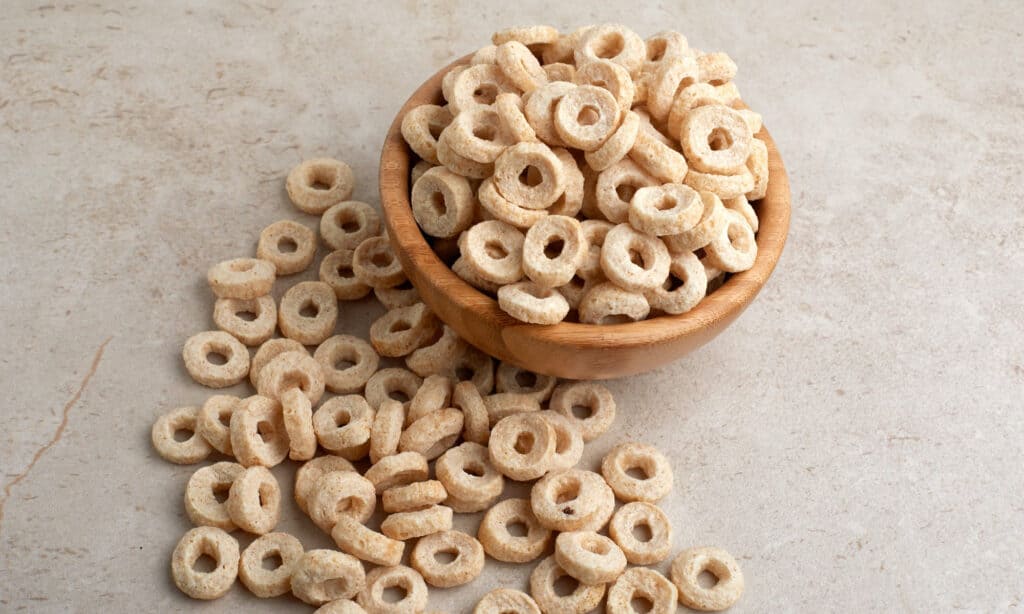
As a dog owner, you may sometimes find yourself sharing your favorite snacks with your furry friend. While some human foods are safe and even beneficial for dogs, others can be harmful and even deadly. So, can dogs eat Honey Nut Cheerios, the sweet and crunchy cereal that many of us enjoy as a quick breakfast or snack? As a pet expert, I’ve done some research to give you the truth about feeding Honey Nut Cheerios to your pup. In this blog, we’ll explore the nutritional value of Honey Nut Cheerios, the benefits and risks of feeding it to dogs, and some alternatives that you can consider. Learn if Honey Nut Cheerios are safe for your dog’s diet & make informed decisions about your furry friend’s nutrition. So, let’s get started!
Can Dogs Have Honey Nut Cheerios?
Wondering if it’s safe to share your Cherrios with your dog? Honey Nut Cheerios, with its sweet and nutty flavor, may be one of those foods that you’d like to offer to your pup. However, before doing so, it’s important to consider whether this cereal is appropriate for your furry friend’s diet.
Some of the ingredients in Honey Nut Cheerios may not be suitable for dogs. The sugar content in this cereal may be too high for dogs, leading to obesity, diabetes, and dental problems. The artificial flavors and additives in Honey Nut Cheerios may also cause digestive issues or allergic reactions in some dogs.
Benefits of Honey Nut Cheerios for Dogs
Honey Nut Cheerios should not be a staple in your dog’s diet. There aren’t really any significant advantages to feeding Cheerios to your dog. However, there are some benefits to feeding them as fun snacks occasionally,
Honey: Honey benefits your dog’s health as a key ingredient. Honey is a natural sweetener that contains antioxidants and has antibacterial properties. It can also help soothe sore throats and promote wound healing in dogs.
Whole grains: It is made from whole grains, which can provide your dog with fiber and other essential nutrients. Fiber can help regulate your dog’s digestive system, prevent constipation, and keep them feeling full for longer.
Taste and texture: Dogs, like humans, enjoy a variety of tastes and textures in their food. Offering Honey Nut Cheerios to your dog occasionally can introduce new textures and flavors that they may like.
It’s ok to give your dog Honey Nut Cheerios as a snack. Remember, they should only be fed to your dog in moderation. Honey Nut Cheerios may be inappropriate in dogs that have allergies or other health conditions.
Risks of Feeding Honey Nut Cheerios to Dogs
Honey Nut Cheerios can offer some benefits for your pup in moderation, it’s important to remember that there are also some risks to consider.
One significant concern is the sugar content in Honey Nut Cheerios. Dogs are prone to dental issues, and the sugar in Cheerios can contribute to tooth decay and other dental problems. Additionally, too much sugar can lead to various health issues in dogs, such as obesity and weight gain.
Another risk to keep in mind is the artificial flavors and additives in Cheerios, which can cause digestive problems or allergic reactions in some dogs, especially those with sensitivities to specific ingredients. Honey Nut Cheerios are not a nutritionally complete meal for dogs. Dogs need a balanced and complete diet to meet their nutritional requirements, and frequently feeding them Honey Nut Cheerios could result in nutritional deficiencies.
Some dogs may be allergic to particular ingredients in Honey Nut Cheerios, such as nuts, wheat, or other grains. If you observe any signs of an allergic reaction, such as itching, redness, swelling, or digestive problems in your dog, it’s essential to stop giving them Honey Nut Cheerios immediately.
Alternatives to Honey Nut Cheerios for Dogs
If you’re searching for some healthy and safe alternatives to Honey Nut Cheerios for your furry friend, there are a bunch of options you can try out. Here are a few ideas to get you started:
Homemade dog treats: Make healthy dog treats at home with simple ingredients your dog will love. You can make peanut butter and pumpkin dog treats, oatmeal and sweet potato dog biscuits.
Commercial dog food and treats: Find high-quality treat brands that offer a wide variety of options for your pup. Choose natural brands; avoid artificial flavors, preservatives, and fillers in your Schnoodle’s treats.
Fruits and vegetables: Many fruits and vegetables are safe and healthy for dogs in moderation. Some great options include blueberries, bananas, apples, carrots, and green beans. Just remember to research which fruits and vegetables are safe for your dog to eat, as some can be harmful.
Meat and fish: Dogs need protein in their diet to thrive, and you can offer your dog lean meat or fish as a treat. Consider boiled chicken, turkey, or salmon as some possible options.
When selecting food or treats for your dog, always read the label carefully and do your research. With a little bit of effort, you can find many tasty and nutritious alternatives to Honey Nut Cheerios that your dog will love.
In conclusion, while Honey Nut Cheerios may be a tasty and convenient snack for humans, it’s not necessarily the best option for our furry friends. Feeding Honey Nut Cheerios to dogs in moderation has benefits, but there are risks such as sugar content and allergic reactions.
As pet owners, it’s important to prioritize our dogs’ health and well-being by providing them with a nutritionally balanced diet that meets their specific needs. Ultimately, by being mindful of the potential risks and taking proactive steps to provide our dogs with the best possible nutrition, we can help them live happy, healthy lives full of tail wags and belly rubs.
~ Sheena
A note about your dog’s health
This article provides general education and does not replace an examination, diagnosis, or individualized advice from your veterinarian. Contact a veterinary professional if you are concerned about your dog’s symptoms.
Sheena Keliher is a passionate and knowledgeable pet expert with over a decade of experience in the veterinary profession and rescue work. She has always been dedicated to caring for animals and has spent countless hours helping them in any way she can. Throughout her career, Sheena has provided valuable insights to pet owners and helped them make informed decisions about their furry friends.
In her 13 years in the veterinary profession, Sheena has gained extensive knowledge and experience in animal health and wellness, including diagnostics, treatments, and surgeries. She has worked with a wide range of animals, from dogs and cats to exotic pets and wildlife, and has always been committed to providing the best possible care for each and every one of them.
In addition to her work in the veterinary field, Sheena has also been actively involved in rescue work for the past 15 years. She has helped countless animals find loving homes and has been a tireless advocate for animal welfare. Sheena’s dedication to rescue work has been unwavering, and she continues to be a source of inspiration to many in the animal welfare community.
At home, Sheena is a proud parent of one German Wirehaired Pointer named Jasper and three cats named Sammie, Bat, and Ezra. Her pets are her family, and she always goes above and beyond to ensure that they are happy and healthy.
With her wealth of knowledge and experience, Sheena is an exceptional resource for pet-related advice and assistance. Her love for animals is evident in everything she does, and she is committed to making a positive difference in the lives of pets and their owners.
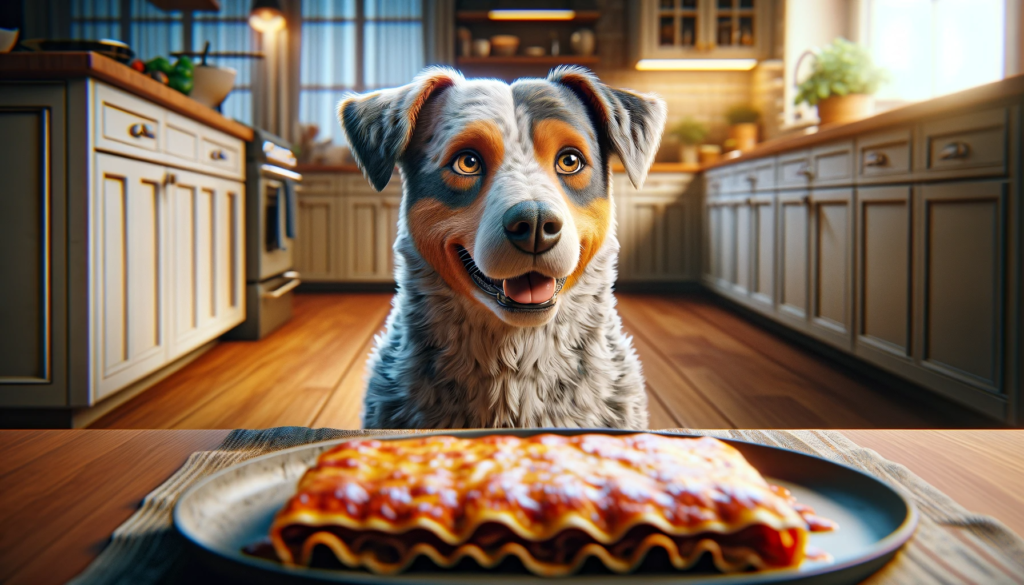
Lasagna is a classic Italian dish that many of us love to indulge in from time to time. The layers of pasta, meat, cheese, and tomato sauce are simply irresistible. But what about our furry friends? Can dogs enjoy lasagna as much as we do? Unfortunately, the answer is not straightforward. While dogs can technically eat lasagna, it’s not recommended. In fact, feeding your dog this rich and heavy dish can be harmful to their health and lead to serious complications. So, if you’re a dog owner who loves lasagna and wants to treat your pooch to some, you need to read this post. We’ll explore the risks and benefits of feeding your dog lasagna and provide you with practical tips and alternatives to keep your furry friend healthy and happy.
Can Dogs Eat Lasagna?
You might be wondering if your furry friend can indulge in some lasagna with you. While it’s tempting to share your favorite Italian dish with your dog, it’s not recommended. Dogs can technically eat lasagna, but it’s not a dog-friendly food. Lasagna is typically high in fat, salt, and spices that can upset a dog’s stomach and lead to digestive issues. Plus, lasagna often contains ingredients that are toxic to dogs, such as onions and garlic, which can cause anemia and other serious health problems. While a small amount of plain, cooked pasta may not harm your dog, it’s best to avoid feeding them lasagna altogether. Instead, opt for dog-friendly treats and snacks that are specifically designed for their nutritional needs.
Is Lasagna Bad for Dogs?
As much as you love lasagna, it’s not the best food for your furry friend. Feeding your dog lasagna can lead to a host of health issues. For starters, lasagna is high in fat and calories, which can lead to obesity and other related health problems. The high salt content can also cause dehydration and electrolyte imbalances in dogs. Additionally, lasagna is often made with ingredients like onions and garlic, which are toxic to dogs and can cause damage to their red blood cells. The spices and seasonings used in a lasagna can also irritate your dog’s digestive system and cause vomiting, diarrhea, and abdominal pain. It’s essential to keep in mind that dogs have different nutritional needs than humans, and what may be a delicious treat for you can be harmful to your pup.
Dog Friendly Alternative to Lasagna
If you want to treat your dog to something special, there are plenty of dog-friendly options out there that are both safe and healthy. Offer dogs cooked chicken or fish instead of lasagna for easily digestible protein. Vegetables like carrots, green beans, and sweet potatoes can also make for great snacks that are low in calories and high in fiber. Find healthier pasta options for dogs made with whole wheat, rice, or potatoes. Always make sure to introduce new foods slowly and in small quantities to avoid any adverse reactions. And remember, treats should never make up more than 10% of your dog’s diet. Ultimately, the best way to keep your dog healthy and happy is by providing them with a well-balanced diet that meets their nutritional needs.
If you want to go all out and make your pup their own version of lasagna, here is a dog-friendly recipe to follow:
In a large skillet over medium-high heat, cook the ground turkey or beef until browned and no longer pink.
Add the cooked rice, carrots, spinach, and chicken or beef broth to the skillet. Cook for 5-10 minutes, until the vegetables are tender.
Remove the skillet from the heat and stir in the beaten egg and grated parmesan cheese.
Spread a layer of the meat and vegetable mixture on the bottom of an 8×8 inch baking dish.
Top the meat mixture with a layer of low-fat cottage cheese.
Repeat the layers, ending with a layer of cottage cheese on top.
Cover the baking dish with aluminum foil and bake for 25 minutes.
Remove the foil and bake for an additional 10-15 minutes, until the top is golden brown.
Allow the lasagna to cool before serving to your dog.
Your pup will love this delicious and nutritious twist on classic lasagna!
Remember, it is important to introduce new foods to your pup in small amounts. If your dog has a sensitive stomach it’s always a good idea to add in probiotics and digestive enzymes.
To sum it up, while lasagna may be a tasty and satisfying dish for us humans, it’s not the best choice for our furry friends. Lasagna can lead to health issues in dogs due to its high fat, salt, and spice content. Furthermore, lasagna often contains ingredients like onions and garlic that can be harmful to dogs and cause significant health issues. Instead of risking your pup’s health, stick to dog-friendly snacks and treats that cater to their specific nutritional needs. By taking care of your dog’s health, you’re ensuring they live a happy and healthy life by your side.
~Sheena
A note about your dog’s health
This article provides general education and does not replace an examination, diagnosis, or individualized advice from your veterinarian. Contact a veterinary professional if you are concerned about your dog’s symptoms.
Sheena Keliher is a passionate and knowledgeable pet expert with over a decade of experience in the veterinary profession and rescue work. She has always been dedicated to caring for animals and has spent countless hours helping them in any way she can. Throughout her career, Sheena has provided valuable insights to pet owners and helped them make informed decisions about their furry friends.
In her 13 years in the veterinary profession, Sheena has gained extensive knowledge and experience in animal health and wellness, including diagnostics, treatments, and surgeries. She has worked with a wide range of animals, from dogs and cats to exotic pets and wildlife, and has always been committed to providing the best possible care for each and every one of them.
In addition to her work in the veterinary field, Sheena has also been actively involved in rescue work for the past 15 years. She has helped countless animals find loving homes and has been a tireless advocate for animal welfare. Sheena’s dedication to rescue work has been unwavering, and she continues to be a source of inspiration to many in the animal welfare community.
At home, Sheena is a proud parent of one German Wirehaired Pointer named Jasper and three cats named Sammie, Bat, and Ezra. Her pets are her family, and she always goes above and beyond to ensure that they are happy and healthy.
With her wealth of knowledge and experience, Sheena is an exceptional resource for pet-related advice and assistance. Her love for animals is evident in everything she does, and she is committed to making a positive difference in the lives of pets and their owners.
As the popularity of acai berries as a superfood continues to grow, more and more people are incorporating them into their diets. But what about our furry friends? Many dog owners wonder if it’s safe to feed acai to their pets, and if so, how much is too much. As a responsible pet owner, it’s important to be aware of the potential risks and benefits of feeding your dog acai. We’ll discuss if dogs can eat acai and its safety in this post. We’ll also discuss how much acai is toxic for dogs and what to do if you suspect your dog has consumed too much acai. So, whether you’re an acai lover or a concerned pet owner, read on to learn more about the safety of acai for our four-legged companions.
What is Acai?
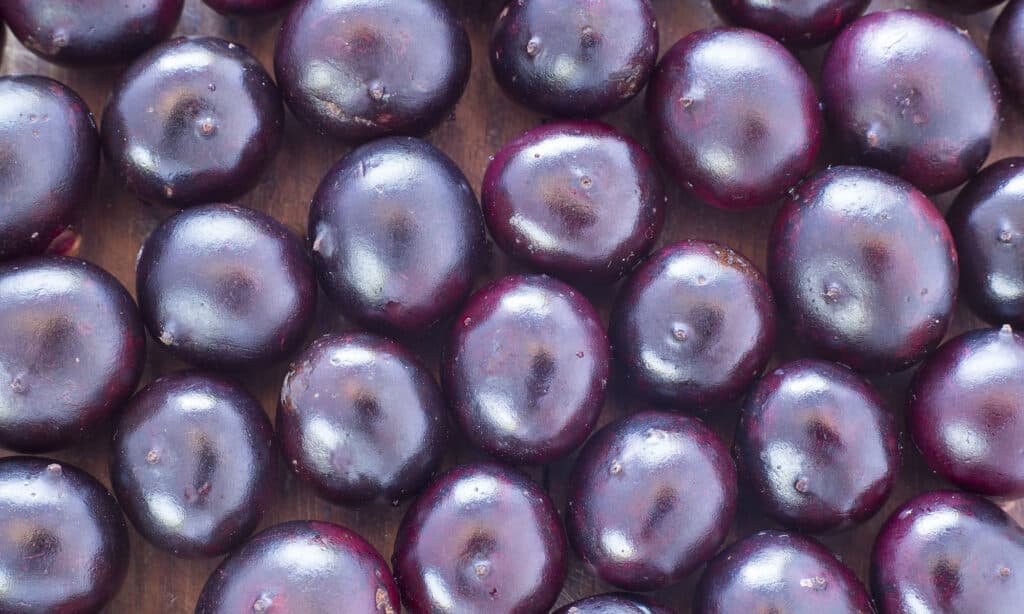
Have you heard of acai? It’s a type of fruit that grows on the acai palm tree, which is native to the Amazon rainforest in South America. Acai berries are a “superfood” due to their high nutrient content, including antioxidants, fiber, and healthy fats. Acai is in health foods like smoothie bowls, bars, and supplements.
Now, while acai might be a healthy fruit for us humans, it’s important to remember that our furry friends have different nutritional needs. Dogs are mostly meat-eaters and require a diet that’s high in protein and fat. That being said, you can still give your dog acai as an occasional treat, but don’t make it a regular part of their diet. It’s also important to be mindful of the potential risks of feeding your dog too much acai. We’ll examine if dogs can eat acai, risks and benefits in next section.
Can Dogs Eat Acai?
Many dog owners wonder if it’s safe to feed their pets acai. The short answer is yes, dogs can eat acai, but it should be given to them in moderation. While acai offers some nutritional benefits, it’s important to remember that dogs have different dietary needs than humans. Dogs are primarily carnivorous and require a diet that’s high in protein and fat. Acai should be considered a treat rather than a staple food in your dog’s diet.
It’s also important to be aware of the potential risks of overfeeding acai to your dog. While there’s no evidence that acai is toxic to dogs, too much of it can cause digestive issues, such as diarrhea or vomiting. Some acai products may have unsafe ingredients for dogs, like added sugars or supplements.
Overall, while dogs can safely eat acai, it should be given in moderation and as a treat rather than a regular part of their diet. Next, we’ll examine acai toxicity in dogs and what to do if they consume too much.
How Much Acai is Toxic to Dogs?
While acai is generally safe for dogs to eat, overfeeding it to your pet can cause digestive issues. If your dog consumes too much acai, they may experience symptoms like vomiting, diarrhea, or abdominal pain. However, there is no evidence that acai is toxic to dogs, and serious cases of acai toxicity are extremely rare.
To prevent these symptoms, it’s important to give your dog acai in moderation. Treat acai as a supplement or a snack and avoid giving your dog large amounts of it, especially if they have never eaten it before. Some acai products may have unsafe ingredients for dogs, like xylitol or caffeine. Always check the labels of acai-containing products before giving them to your pet.
If your dog shows any signs of digestive upset after eating acai, it’s best to contact your veterinarian. They can advise you on the appropriate steps to take based on the severity of your dog’s symptoms. In most cases, mild cases of acai overfeeding can be managed at home with supportive care, such as hydration and a bland diet. Severe acai toxicity may need medical help, so be cautious when giving new foods to your pet.
What Should You Do if Your Dog Eats Acai?
If your dog eats acai, there’s usually no need to panic. Acai is safe for dogs, but be mindful of overfeeding to avoid risks.
If your dog eats a small amount of acai and shows no symptoms of digestive upset, then there’s no need to take any action. Contact your vet if dog consumes excess acai or shows vomiting/diarrhea symptoms.
Your vet may recommend monitoring your dog’s symptoms at home and providing supportive care, such as hydration and a bland diet. A checkup may be recommended to ensure no health issues causing symptoms in your dog.
It’s also important to be mindful of the other ingredients in acai-containing products. Some products, like supplements or smoothie bowls, may contain other ingredients that are not safe for dogs to consume, such as xylitol or caffeine. If your dog consumes any of these products, you should contact your veterinarian immediately.
Dog Safe Alternatives To Acai
While acai berries are known for their many health benefits for humans, they may not be the best choice for our furry friends. Acai berries are high in sugar and can be difficult for dogs to digest. Fortunately, there are many other delicious and nutritious fruits that dogs can enjoy safely. Here are some dog-safe alternatives to acai:
Blueberries: These tiny superfoods are packed with antioxidants, fiber, and vitamins. Plus, many dogs love the sweet and tangy flavor of blueberries.
Apples: Apples are low in fat and high in fiber, making them a great choice for dogs. Just be sure to remove the seeds and core before giving them to your pup.
Bananas: Bananas are a great source of potassium and fiber, and many dogs enjoy their sweet, creamy taste. Just be sure to feed them in moderation, as they are high in sugar.
Strawberries: These juicy berries are a great source of vitamin C and fiber, and many dogs enjoy their sweet, tangy flavor.
Watermelon: This juicy fruit is a great source of hydration for dogs, as it is mostly water. Plus, many dogs love the refreshing taste of watermelon on a hot day.
When feeding fruits to your dog, be sure to remove any seeds or pits and cut them into small pieces to prevent choking. Also, keep in mind that fruits should be fed in moderation as too much of any fruit can cause digestive upset. With these dog-safe alternatives to acai, your pup can enjoy the many health benefits of fruits in a safe and delicious way.
In conclusion, while dogs can safely eat acai, it should be given to them in moderation and as a treat rather than a regular part of their diet. Although acai offers some nutritional benefits, dogs have different dietary needs than humans, and their diet should primarily consist of protein and fat. Overfeeding acai to pets can cause digestive issues. Be mindful of the risks.
If you’re considering giving your dog acai, it’s always best to check with your veterinarian first. They can advise you on the appropriate amount to feed your pet based on their individual needs and overall health. Avoid acai products with added sugars or ingredients unsafe for dogs.
Overall, acai can be a healthy and tasty addition to your dog’s diet when given in moderation. By following these guidelines and being mindful of your pet’s needs, you can safely incorporate acai into your furry friend’s diet and provide them with a tasty and nutritious treat.
~Sheena
A note about your dog’s health
This article provides general education and does not replace an examination, diagnosis, or individualized advice from your veterinarian. Contact a veterinary professional if you are concerned about your dog’s symptoms.
Sheena Keliher is a passionate and knowledgeable pet expert with over a decade of experience in the veterinary profession and rescue work. She has always been dedicated to caring for animals and has spent countless hours helping them in any way she can. Throughout her career, Sheena has provided valuable insights to pet owners and helped them make informed decisions about their furry friends.
In her 13 years in the veterinary profession, Sheena has gained extensive knowledge and experience in animal health and wellness, including diagnostics, treatments, and surgeries. She has worked with a wide range of animals, from dogs and cats to exotic pets and wildlife, and has always been committed to providing the best possible care for each and every one of them.
In addition to her work in the veterinary field, Sheena has also been actively involved in rescue work for the past 15 years. She has helped countless animals find loving homes and has been a tireless advocate for animal welfare. Sheena’s dedication to rescue work has been unwavering, and she continues to be a source of inspiration to many in the animal welfare community.
At home, Sheena is a proud parent of one German Wirehaired Pointer named Jasper and three cats named Sammie, Bat, and Ezra. Her pets are her family, and she always goes above and beyond to ensure that they are happy and healthy.
With her wealth of knowledge and experience, Sheena is an exceptional resource for pet-related advice and assistance. Her love for animals is evident in everything she does, and she is committed to making a positive difference in the lives of pets and their owners.
Yes, dogs can be allergic to proteins in egg white, egg yolk, or both. Egg is a documented food trigger, but it is reported less often than beef, dairy, chicken, or wheat. Common clues include ongoing itching, inflamed skin or ears, vomiting, diarrhea, and gas. The reliable way to confirm egg is the problem is a strict elimination diet followed by a controlled egg challenge.[1][2]
Quick Answer: Can Dogs Be Allergic to Eggs?
A reaction may become noticeable even when a dog has eaten egg before.[2] The symptoms can look like many other skin or digestive problems, so a symptom list cannot confirm the trigger.
If you suspect egg, start with three practical steps:
Pause obvious egg sources.
Check every food, treat, chew, supplement, toothpaste, and flavored product.
Record skin, ear, stool, appetite, and digestive changes while you investigate through a structured plan.
Do not remove several ingredients at random and then guess which change helped. A clean, methodical trial gives you much better information.
Egg Allergy vs. Egg Intolerance in Dogs
Food allergy and food intolerance can overlap in appearance, but they are not the same process.
Food allergy
Food intolerance
Immune system reacts to a food protein
Does not require an immune reaction
Often causes itch, inflamed skin, recurring ear trouble, or digestive signs
More often causes digestive upset such as gas, loose stool, or vomiting
A small amount may be enough to trigger signs in a sensitive dog
The amount eaten may affect the severity of signs
Confirmed through improvement on elimination and return of signs with challenge
Evaluated through diet history, symptom pattern, elimination, and careful reintroduction
A dog may also have another problem that only looks food-related. Fleas, environmental allergies, infections, parasites, rapid diet changes, and other digestive conditions can create similar signs. That is why I prefer to look at the whole pattern instead of labeling every upset stomach or itchy paw as an egg allergy.
Signs of an Egg Allergy in Dogs
Food reactions do not create one unique symptom. Watch for a pattern that persists or returns with exposure.
Skin and ear signs
Possible skin and ear clues include:
Ongoing or nonseasonal itching
Paw licking or chewing
Red, inflamed, or irritated skin
Recurrent ear inflammation
Face rubbing
Repeated skin infections or hot spots
Hair thinning from scratching or licking
Digestive signs
Possible digestive clues include:
Vomiting
Diarrhea or chronically soft stool
Gas
Frequent bowel movements
Abdominal discomfort
Reduced appetite
Some dogs have mainly skin signs, some have digestive signs, and some have both.[2] The location of an itch or the appearance of a stool cannot tell you that egg is the cause.
Urgent signs
Get urgent veterinary help for facial swelling, trouble breathing, collapse, repeated vomiting with weakness, or signs that are worsening quickly. These are not the common presentation of a chronic food reaction, but they should not be managed with a home food trial.
How Common Are Egg Allergies in Dogs?
Egg allergy is real, but it is not one of the most frequently reported canine food triggers. In a review of published cases, egg was identified in 11 of 297 dogs with a reported food trigger. That is about 4% of the reported triggers in that dataset, not 4% of all dogs. Beef, dairy, chicken, and wheat appeared more often.[1]
This distinction matters. A dog can react to egg, but egg should not be blamed simply because it is on an ingredient list. The goal is to confirm what your individual dog does, not to make a decision from a population statistic.
Can Dogs React to Egg White, Egg Yolk, or Both?
Both egg white and egg yolk contain proteins, so a dog may react to either portion or to the whole egg. A small study of dogs with cutaneous adverse food reactions documented IgE reactivity to egg-white proteins, including ovomucoid and ovalbumin, in a subset of the dogs tested.[3]
That finding does not mean every egg-sensitive dog reacts only to the white. It also does not prove that separated yolk is safe. If egg is being investigated, remove the whole ingredient during the elimination phase. You can learn more later through a controlled challenge if reintroduction is appropriate.
How to Confirm Whether Eggs Are the Trigger
The most reliable clinical approach is a strict elimination diet followed by a controlled food challenge.[4] The elimination phase asks, “Do the signs improve without the suspected trigger?” The challenge asks, “Do they return when that trigger is reintroduced?”
Build a complete exposure list
Write down everything your dog swallows or chews:
Meals and toppers
Training treats and table food
Dental chews and recreational chews
Supplements and soft chews
Toothpaste
Flavored medications or preventives
Foods used to hide pills
Anything another family member may offer
This step often finds an overlooked exposure. A diet trial cannot be interpreted clearly when an egg-free meal is paired with an egg-containing treat.
Run a strict eight-week elimination phase
Choose one nutritionally complete test diet made from ingredients your dog tolerates and that does not contain egg. For many dogs, an eight-week trial is a practical target. A review found that at least eight weeks identifies more than 90% of dogs and cats with cutaneous adverse food reactions.[5]
During the trial:
Feed only the chosen plan.
Remove egg in every form.
Keep treats and chews consistent with the trial ingredients.
Check flavored products before using them.
Record itching, ears, skin, stool, gas, vomiting, appetite, and comfort.
Note medications or other changes that could affect symptoms.
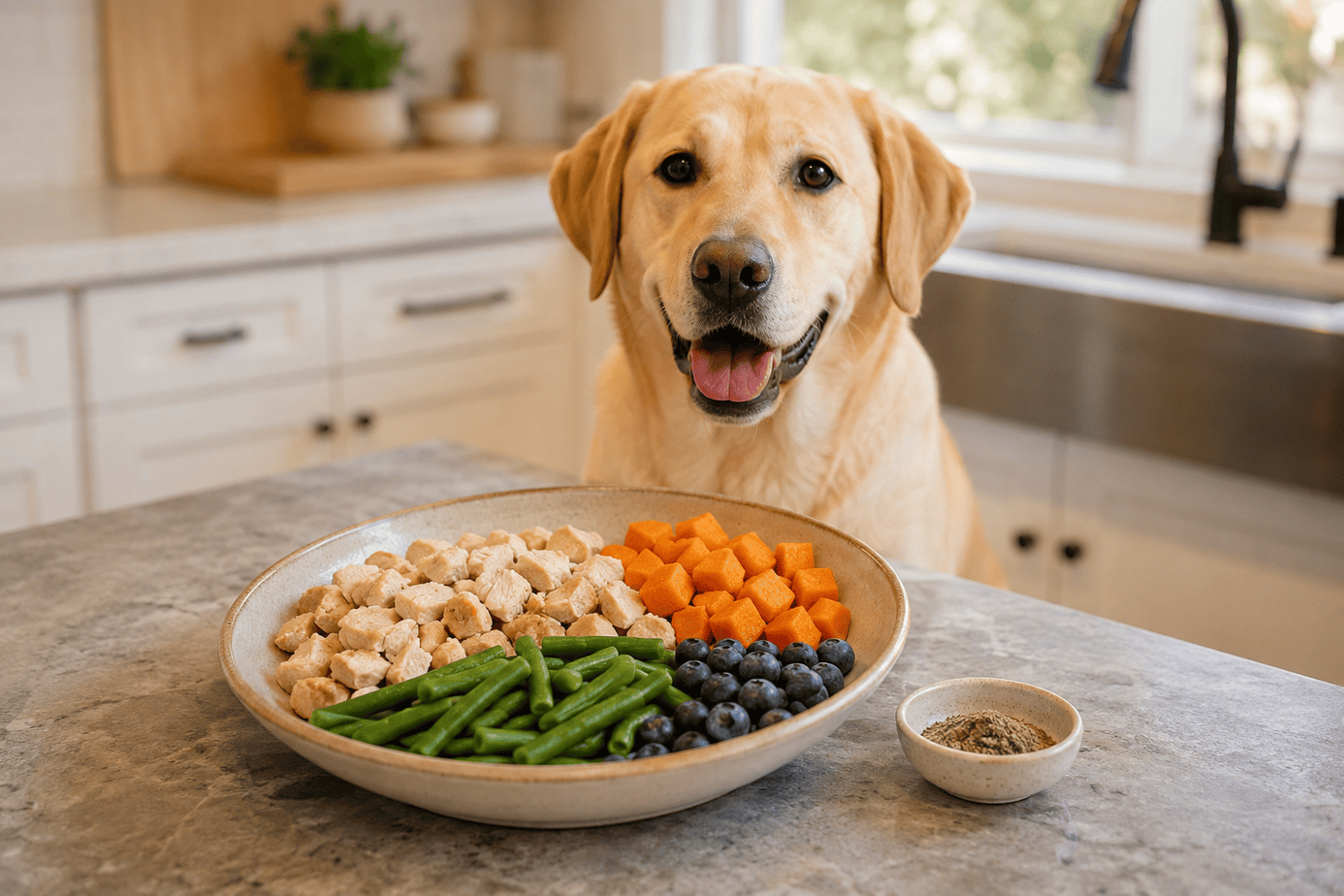
A complete fresh or minimally processed diet can fit this approach when it is carefully formulated. A home-prepared mix of meat and vegetables is not automatically complete, so long-term meals should be balanced for your dog’s nutritional needs.
Reintroduce egg in a controlled challenge
If signs improve, the next step is a planned egg challenge. Reintroducing egg while keeping everything else stable helps show whether symptoms return. The challenge is what separates a suspected association from a confirmed food trigger.
Do not challenge at home if your dog has had facial swelling, breathing difficulty, collapse, or another severe reaction. In that situation, work directly with a veterinarian who knows the history.
Interpret the pattern
A useful pattern is:
Signs improve during strict elimination.
Signs return after egg is reintroduced.
Signs settle again when egg is removed.
If nothing improves, egg may not be the main problem, the trial may have been contaminated by another exposure, the test diet may contain another trigger, or a nonfood problem may be involved. Reassess the entire plan instead of extending a confusing trial indefinitely.
Why Blood, Hair, or Saliva Results Are Not the Final Answer
Tests and scans can provide information, but they do not all answer the same question. Reviews of available diagnostic tests conclude that elimination followed by provocation remains the reference method for adverse food reactions.[4] In a blinded study, a commercial hair and saliva test produced results that did not reliably distinguish allergic dogs, healthy dogs, and artificial samples.[6]
Use screening information to guide thoughtful investigation, not as automatic proof that a dog is allergic to egg. A real-world dietary response and a controlled challenge provide the clearest clinical confirmation.
Where Egg Hides in Dog Food, Treats, and Supplements
Egg can appear in places beyond a breakfast bowl. Check labels for:
Egg or whole egg
Dried egg
Egg product or egg powder
Egg white
Albumen or albumin
Egg yolk
Egg protein
Eggshell membrane
Formulas change, so read the current label each time you buy a food, treat, chew, or supplement. Also ask about the flavoring in medications and preventives when you are running a strict trial.
Eggshell calcium and eggshell membrane are not nutritionally identical to egg white or yolk, but they are still egg-derived. During a diagnostic elimination trial, I would keep the plan simple and avoid uncertain egg-derived ingredients unless your clinician has a specific reason to include one.
Can Dogs With Chicken Allergies Eat Eggs?
A chicken allergy does not automatically mean a dog is allergic to eggs, and an egg allergy does not automatically mean chicken meat is a problem. Chicken muscle and egg contain different groups of proteins. A dog may react to one, both, or neither.
Do not assume eggs are safe based only on a chicken diagnosis. Once symptoms are settled, test one ingredient at a time through a controlled plan. That gives you an answer about your dog rather than a broad rule.
What to Feed a Dog With an Egg Allergy
A confirmed egg allergy calls for complete egg avoidance, not a nutritionally narrow diet. Build meals around tolerated ingredients while keeping the overall plan complete and balanced.
A practical egg-free plan may include:
A tolerated animal protein or other appropriate protein source
Digestible whole-food carbohydrate and fiber sources, if appropriate for the dog
Carefully selected fats
The vitamins and minerals needed to make the diet complete
Simple treats made only from trial-safe ingredients
Keep the ingredient list especially simple during diagnosis. Once you know what your dog tolerates, you can expand variety gradually.
I favor fresh or minimally processed nourishment when it suits the dog and is properly balanced. Whole foods can make ingredients easier to recognize and track, but “fresh” does not guarantee that a meal meets every nutrient requirement. Work from a complete formulation, especially for puppies, pregnant dogs, seniors with medical needs, and dogs eating a home-prepared diet long term.
A Holistic Plan for Gut, Skin, and Immune Balance
Removing the trigger is the first job. Then support the systems that have been under stress.
My holistic priorities are:
Feed a complete diet built around tolerated, recognizable ingredients.
Support the microbiome with tolerated whole-food fibers and an appropriate probiotic when needed.
Keep hydration and stool quality steady.
Address yeast, bacterial infection, parasites, and other secondary problems instead of blaming every symptom on food.
Track the skin, ears, digestion, energy, and comfort together.
Reduce unnecessary ingredient changes while the body settles.
Gut and skin health are closely connected through digestion, microbial balance, nutrient status, and immune signaling. Supportive nutrition can help a dog recover and feel better, but it does not identify egg as the trigger by itself. The elimination and challenge pattern still matters.
How the Glacier Peak Life Stress Scan Fits Into the Plan
I use the Glacier Peak Life Stress Scan as a noninvasive way to gather holistic information about possible food and environmental stressors. It can help organize what deserves a closer look and may guide the design of a simpler support plan.
The scan has a different role from a clinical elimination and food challenge. It is best used as one part of the larger picture, along with diet history, symptom tracking, physical findings, response to removal, and careful reintroduction. That combination keeps the process practical without asking one tool to answer every question.
Final Thoughts
If eggs seem to be causing trouble, pause the suspected sources, check every exposure, and document what changes. Then use a clean elimination plan and a controlled challenge to find out whether egg truly is the trigger.
You do not need to remove a long list of foods forever based on suspicion. The goal is a calm, evidence-informed answer and a complete diet your dog can enjoy comfortably.
Frequently Asked Questions
Can a dog suddenly become allergic to eggs?
Yes. A reaction can become noticeable after previous uneventful exposure.[2] But new symptoms do not prove egg is responsible. Confirm the pattern through a structured elimination and challenge plan.
Can dogs be allergic to egg whites but not yolks?
Possibly. White and yolk contain different proteins, and egg-white reactivity has been documented in some dogs.[3] Do not assume either portion is safe during an elimination trial. Test it separately only after symptoms are stable.
Does cooking eggs prevent an allergic reaction?
Not reliably. Heat can change proteins, but cooking does not guarantee that every relevant protein becomes harmless. A dog with a confirmed egg allergy should avoid cooked and raw egg unless a controlled plan shows a specific form is tolerated.
Can a chicken-allergic dog eat eggs?
Sometimes, but not always. Chicken meat and egg contain different proteins, so one reaction does not automatically predict the other. Test egg only through a controlled plan after the dog’s signs are stable.
How long does an elimination diet take?
For skin-related adverse food reactions, at least eight weeks is a practical evidence-based target for most dogs.[5] Digestive signs may change sooner, but finishing a clean trial makes the result easier to interpret.
References
Mueller, R. S., Olivry, T., & Prélaud, P. (2016). Critically appraised topic on adverse food reactions of companion animals (2): Common food allergen sources in dogs and cats. BMC Veterinary Research, 12, 9. https://doi.org/10.1186/s12917-016-0633-8
Shimakura, H., Uchiyama, J., Saito, T., Miyaji, K., Fujimura, M., Masuda, K., et al. (2016). IgE reactivity to hen egg white allergens in dogs with cutaneous adverse food reactions. Veterinary Immunology and Immunopathology, 177, 52-57. https://doi.org/10.1016/j.vetimm.2016.06.003
Mueller, R. S., & Olivry, T. (2017). Critically appraised topic on adverse food reactions of companion animals (4): Can we diagnose adverse food reactions in dogs and cats with in vivo or in vitro tests? BMC Veterinary Research, 13, 275. https://doi.org/10.1186/s12917-017-1142-0
Olivry, T., Mueller, R. S., & Prélaud, P. (2015). Critically appraised topic on adverse food reactions of companion animals (1): Duration of elimination diets. BMC Veterinary Research, 11, 225. https://doi.org/10.1186/s12917-015-0541-3
Coyner, K., & Schick, A. (2019). Hair and saliva test fails to identify allergies in dogs. Journal of Small Animal Practice, 60(2), 121-125. https://doi.org/10.1111/jsap.12952
A note about your dog’s health
This article provides general education and does not replace an examination, diagnosis, or individualized advice from your veterinarian. Contact a veterinary professional if you are concerned about your dog’s symptoms.
Lindsie Parks is the founder of Healthy Happy Dogs and holds a bachelor’s degree in biology. She brings more than 19 years of experience across veterinary medicine, animal welfare, practice leadership, nutrition, cold laser therapy, rescue work, and emergency animal response. Her goal is to give pet parents clear information, practical options, and greater confidence in the decisions they make for their animals.
Are you a dog owner who’s ever wondered if your furry friend can indulge in the delicious fruit known as loquats? Well, you’re not alone! Many pet owners are curious about what human foods are safe for their pets to consume. In this blog, we’ll dive into the question of whether dogs can eat loquats and provide you with all the information you need to make an informed decision. So, if you’re interested in learning more about this tropical fruit and how it may affect your canine companion, keep reading!
What Are Loquats?
Sure! Loquats are a fruit with a sweet and juicy flavor that originally come from China but are now grown in many parts of the world, including the United States. They have a small, round or oval shape with soft, fuzzy skin that can range in color from yellow to orange. The flesh inside is usually orange or yellow and contains a few large seeds in the center. People often enjoy eating fresh loquats, but they can also be used to make jams, jellies, and other desserts. Not only are they delicious, but they also provide important vitamins and minerals like vitamin A, potassium, and fiber. However, it’s crucial to consider whether loquats are safe for your furry companion to consume like any other food.
Can Dogs Eat Loquats?
While loquats are safe for humans to eat, the same can’t necessarily be said for our furry friends. Dogs have a different digestive system than humans and can sometimes have adverse reactions to certain foods, including some fruits. Loquat seeds and skin are toxic to dogs, causing digestive upset and serious health issues. As a result, it’s generally recommended that pet owners avoid feeding their dogs loquats altogether.
Are There Any Harmful Ingredients in Loquats
Although loquats are generally safe for human consumption, it’s important to be aware that certain parts of the fruit can be harmful to both humans and pets. The seeds and skin of the fruit contain a compound called amygdalin that can break down into cyanide when ingested. Small amounts of this compound are harmless to humans, but risky for dogs, especially in large amounts.
Loquats may contain traces of pesticides or other harmful chemicals, particularly if they were not grown organically. Therefore, it’s essential to wash the fruit thoroughly before consuming it to reduce the possibility of ingesting any hazardous substances.
Are There Any Safe Ingredients in Loquats?
Loquats are a great source of beneficial nutrients and minerals that can contribute to a healthy diet for humans. They are packed with essential vitamins A and C, which help maintain healthy skin, vision, and immune function. Loquats are a good source of heart-healthy potassium and digestion-aiding fiber.
It’s worth noting, however, that while the flesh of loquats is generally safe for dogs to consume in moderation, the fruit’s seeds and skin contain potentially harmful compounds that should be avoided. It’s always best to consult with a veterinarian before feeding your furry friend any human food, including loquats.
Furthermore, it’s essential to keep in mind that loquats may contain traces of harmful pesticides or chemicals, particularly if they were not grown organically. It’s crucial to wash the fruit thoroughly before consumption to reduce the risk of ingesting any toxic substances.
What Signs To Watch For If Your Dog Accidentally Ate A Lot of Loquats?
If your dog accidentally eats a lot of loquats, it’s important to monitor them closely for any signs of illness or discomfort. The seeds and skin of loquats contain amygdalin, which can break down into cyanide and lead to digestive upset or more serious health issues in dogs.
Symptoms to watch for include vomiting, diarrhea, lethargy, loss of appetite, and difficulty breathing. If your dog displays any of these symptoms or appears unwell after consuming loquats, it’s essential to seek veterinary care immediately.
In the event that your dog only ingested a small amount of loquat, they may not display any symptoms at all. Be cautious and monitor your pet for behavior changes after consuming human food.
When or If You Should Go To The Vet?
If your dog has consumed a lot of loquats or shows any signs of illness after eating them, it’s crucial to seek veterinary care immediately. Loquat seeds and skin have amygdalin that converts into cyanide, causing severe health problems for dogs.
Symptoms to watch for include vomiting, diarrhea, lethargy, loss of appetite, and difficulty breathing. If your dog displays any of these symptoms or appears unwell after consuming loquats, it’s best to take them to the veterinarian as soon as possible. Prompt medical attention can help prevent more serious health issues from developing and increase the likelihood of a positive outcome.
It’s always better to err on the side of caution when it comes to your pet’s health. If you’re unsure whether your dog has consumed a dangerous amount of loquats or if they’re displaying any concerning symptoms, it’s best to seek the advice of a veterinarian.
Safe Dog-Friendly Alternative to Loquats:
If you’re looking for safe and healthy alternatives to loquats that your furry friend can enjoy, there are plenty of options available! Here are a few dog-friendly fruits and vegetables that can make a great addition to your pet’s diet:
Apples: Apples are a great source of vitamins and fiber, and most dogs enjoy their crunchy texture. Just be sure to remove the seeds and core, as they can be harmful to dogs.
Bananas: Bananas are a good source of potassium and can help regulate digestion. They’re also a sweet and tasty treat that many dogs enjoy.
Blueberries: Blueberries are packed with antioxidants and can help support your dog’s immune system. They’re also low in calories, making them a healthy snack option.
Carrots: Carrots are an excellent source of beta-carotene, which supports healthy vision and skin. They’re also a low-calorie snack that can help clean your dog’s teeth and freshen their breath.
Watermelon: Watermelon is a hydrating and refreshing fruit that most dogs enjoy. It’s also a good source of vitamins A and C and contains antioxidants that can benefit your pet’s health.
Remember to always introduce new foods to your dog’s diet gradually and in moderation.
In conclusion, while loquats can be a delicious and nutritious fruit for humans, it’s important to be cautious when it comes to feeding them to our furry friends. The seeds and skin of loquats contain potentially harmful compounds that can cause serious health issues for dogs, and the presence of harmful pesticides or chemicals on the fruit can also pose a risk.
If you’re looking for safe and healthy alternatives to loquats, there are plenty of dog-friendly fruits and vegetables that can make a great addition to your pet’s diet. From apples to watermelon, there are many options available that are packed with beneficial nutrients and are safe for dogs to consume in moderation.
Ultimately, the key to keeping your furry friend healthy and happy is to practice moderation and make informed decisions about their diet. By consulting with your veterinarian and being mindful of what foods you feed your pet, you can help ensure that they stay safe and healthy for years to come.
~Lindsie
A note about your dog’s health
This article provides general education and does not replace an examination, diagnosis, or individualized advice from your veterinarian. Contact a veterinary professional if you are concerned about your dog’s symptoms.
Lindsie Parks is the founder of Healthy Happy Dogs and holds a bachelor’s degree in biology. She brings more than 19 years of experience across veterinary medicine, animal welfare, practice leadership, nutrition, cold laser therapy, rescue work, and emergency animal response. Her goal is to give pet parents clear information, practical options, and greater confidence in the decisions they make for their animals.
As pet owners, we all know how tempting it can be to share our snacks with our furry friends. But while some human foods are perfectly safe for dogs to eat, others can be harmful or even deadly. Funyuns, the classic onion-flavored snack, may be a favorite of many human snackers, but can dogs eat Funyuns without any risks to their health? In this blog post, we’ll explore the potential dangers of feeding Funyuns to your dog and provide expert answers to this common question. So if you’re wondering whether or not to share your Funyuns with your four-legged friend, read on to find out what the experts have to say.
Why Funyuns May Be Harmful to Dogs
As much as we may love our furry friends, they have different nutritional needs than humans, which is why it’s important to be cautious about what we feed them. When it comes to Funyuns, there are several reasons why they may not be a safe choice for our canine companions. Firstly, Funyuns are high in salt and fat, which can lead to obesity, high blood pressure, and other health issues in dogs. However, the more significant concern is that Funyuns contain onion powder, which can be toxic to dogs in large amounts.
Even small amounts of onion can damage a dog’s red blood cells, leading to anemia, weakness, and other symptoms. Additionally, Funyuns may contain other harmful additives, such as preservatives and artificial flavors, that can further harm a dog’s health. Ultimately, while Funyuns may be a tasty treat for humans, they’re best avoided when it comes to feeding our furry friends.
Expert Opinions on Dogs Eating Funyuns
When it comes to feeding our dogs human food, it’s always wise to consult with experts to ensure we’re not putting our pets at risk. Veterinarians generally advise against feeding dogs human food as it can lead to obesity, pancreatitis, and other health issues. As for Funyuns, experts agree that they’re best avoided when it comes to feeding dogs. The onion content in Funyuns, even in small amounts, can be toxic to dogs and may cause various health problems.
Furthermore, while Funyuns may not be poisonous to dogs, they offer little to no nutritional value and are high in calories, salt, and fat. In some cases, dogs who consume Funyuns have experienced:
Therefore, it’s best to stick to dog-friendly treats that are specifically formulated to meet their nutritional needs rather than risk their health by feeding them human snacks like Funyuns.
What to Do If Your Dog Eats Funyuns
Accidents happen, and if your dog has consumed Funyuns, it’s important to take prompt action to prevent any potential harm. The first thing to do is to check the ingredients list of the Funyuns to see what else is in them besides onion powder. If your dog has only eaten a small amount of Funyuns, they may not experience any adverse effects. However, if your dog has consumed a large amount of Funyuns, you should monitor them for signs of onion toxicity, such as vomiting, diarrhea, pale gums, and weakness.
If you notice any of these symptoms, take your dog to the vet immediately. In severe cases, onion toxicity can cause anemia, which requires urgent medical attention. While you wait to take your dog to the vet, you can try to induce vomiting by giving them a small amount of hydrogen peroxide. However, it’s essential to consult your vet before doing so. Ultimately, it’s best to prevent your dog from consuming harmful human foods like Funyuns by keeping them out of their reach and providing them with dog-friendly treats instead.
Alternatives to Funyuns for Dogs
While it may be tempting to share our snacks with our furry friends, it’s crucial to remember that dogs have different nutritional needs than humans. Instead of feeding them human snacks like Funyuns, there are plenty of dog-friendly alternatives that are both tasty and nutritious.
These snacks are low in calories, high in fiber, and provide a healthy dose of vitamins and minerals.
If you’re looking for ready-made treats, many pet stores offer a wide selection of healthy, all-natural dog treats that are specially formulated to meet your dog’s nutritional needs. Alternatively, you can make your own homemade dog treats using simple ingredients like peanut butter, pumpkin, and oats. Homemade treats are an excellent way to control what goes into your dog’s diet and ensure that they’re getting the nutrients they need. Ultimately, by providing your dog with healthy alternatives to Funyuns, you can reward them with tasty treats without compromising their health.
Conclusion
In conclusion, while Funyuns may be a tasty snack for humans, they’re not the best choice when it comes to feeding our furry friends. The onion content in Funyuns, along with other harmful additives, can pose a serious risk to our dogs’ health. It’s always best to consult with experts and stick to dog-friendly treats that are specifically formulated to meet our dogs’ nutritional needs. If your dog has consumed Funyuns, it’s important to monitor them for symptoms of onion toxicity and seek medical attention if necessary. By providing our dogs with healthy and nutritious treats, we can reward them while also ensuring that they stay happy and healthy. Remember, our dogs rely on us to provide them with the best care possible, and that includes being mindful of what we feed them.
~Sheena
A note about your dog’s health
This article provides general education and does not replace an examination, diagnosis, or individualized advice from your veterinarian. Contact a veterinary professional if you are concerned about your dog’s symptoms.
Sheena Keliher is a passionate and knowledgeable pet expert with over a decade of experience in the veterinary profession and rescue work. She has always been dedicated to caring for animals and has spent countless hours helping them in any way she can. Throughout her career, Sheena has provided valuable insights to pet owners and helped them make informed decisions about their furry friends.
In her 13 years in the veterinary profession, Sheena has gained extensive knowledge and experience in animal health and wellness, including diagnostics, treatments, and surgeries. She has worked with a wide range of animals, from dogs and cats to exotic pets and wildlife, and has always been committed to providing the best possible care for each and every one of them.
In addition to her work in the veterinary field, Sheena has also been actively involved in rescue work for the past 15 years. She has helped countless animals find loving homes and has been a tireless advocate for animal welfare. Sheena’s dedication to rescue work has been unwavering, and she continues to be a source of inspiration to many in the animal welfare community.
At home, Sheena is a proud parent of one German Wirehaired Pointer named Jasper and three cats named Sammie, Bat, and Ezra. Her pets are her family, and she always goes above and beyond to ensure that they are happy and healthy.
With her wealth of knowledge and experience, Sheena is an exceptional resource for pet-related advice and assistance. Her love for animals is evident in everything she does, and she is committed to making a positive difference in the lives of pets and their owners.
Granola is a popular snack amongst humans, often touted as a healthy option to munch on throughout the day. However, as dog owners, we must be mindful of what we feed our furry friends. We may be tempted to share our granola with our dogs, but is it safe for them to eat? The short answer is yes! Dogs can eat granola in moderation as long as it doesn’t include certain dangerous ingredients.
It’s crucial for dog owners to be aware of what foods are safe for their pets to consume. While dogs can tolerate some human foods, others can cause severe health problems.
Some foods that are harmless to humans can even be toxic to dogs. Therefore, it’s important always to check with a veterinarian before feeding any new food or treat.
As pet owners, it’s natural for us to want to share everything with our loyal companions. Still, sometimes it’s better not to take risks when it comes down to their health and well-being.
Defining Granola
Granola is typically made up of rolled oats mixed with various ingredients such as nuts and seeds or sweeteners like honey or maple syrup. It’s baked until crispy and then commonly served as a snack or breakfast cereal mixed in yogurt or milk. While granola may sound healthy because of its oats and other nutrient-dense ingredients like nuts and seeds, most store-bought granolas also contain high amounts of sugar and fat from added oils used in the baking process.
Is Granola Safe for Dogs?
Unfortunately, granola isn’t an ideal food choice when it comes down to feeding your furry friend. While some ingredients found in granola such as oats are beneficial for dogs’ diets in small portions, many other components make this snack unsuitable.
For instance, many store-bought granolas contain added sugars that can lead to obesity and other health problems. Additionally, some granolas contain raisins, which are toxic to dogs and can cause kidney failure.
The Risks of Feeding Dogs Granola
One of the most significant risks associated with feeding dogs granola is that it can cause gastrointestinal issues. The high fiber content in granola can be tough for dogs to digest, leading to stomach upset, diarrhea, or vomiting.
Moreover, some store-bought granolas may contain artificial sweeteners like xylitol that are incredibly harmful to dogs. Xylitol ingestion can lead to a sudden drop in blood sugar levels and potentially result in seizures or liver failure.
It’s always best to stick with dog-approved foods when feeding your pet. While granola may be tempting as a human snack option, it’s not worth putting your furry friend’s health at risk.
The Basics of Granola
Granola is a popular snack that is often consumed by humans who are looking for a simple, healthy option to keep them satisfied and energized throughout the day. This tasty snack was first created in the late 1800s by Dr. James Caleb Jackson, who was looking for an easy way to feed his patients at his health spa in New York.
The basic ingredients of granola include rolled oats, nuts, seeds, and dried fruit. However, there are many variations when it comes to granola recipes, so you may find additional ingredients such as honey or maple syrup added for extra sweetness.
Common Ingredients Found in Granola
While the main ingredients of granola are typically oats, nuts, seeds and dried fruit as mentioned earlier there are many different variations of granola that you might come across. Almonds, pecans or walnuts are some common nuts used in granola which add a crunchy texture along with healthy fats and proteins.
Seeds like flaxseed or chia seeds often appear in granolas providing an excellent source of fiber and omega-3 fatty acids. Dried fruit is another common ingredient found in granolas like raisins or cranberries providing natural sweetness along with vitamins and minerals.
Why Granola is Often Considered Healthy
Granola is often considered a healthy snack due to its high nutritional value. The oats found in most granolas provide complex carbohydrates that can help fuel your body throughout the day while also providing important nutrients like fiber and protein.
Additionally, nuts and seeds found within most recipes provide healthy fats that can help improve brain function along with protein necessary for various body functions such as muscle building and repair. adding dried fruit gives natural sweetness without any processed sugar which provides important vitamins and minerals giving sustained energy necessary for daily activities.
It’s easy to see why granola has become a popular snack choice for many people. With its simplicity, high nutritional value and versatility it’s no wonder many people enjoy this snack on a daily basis.
Can Dogs Eat Granola?
Is it Safe for Dogs to Consume Granola?
Granola is a snack that is typically made up of rolled oats, nuts, dried fruits, and sometimes honey or other sweeteners. While some of these ingredients can be healthy for dogs in moderation, granola itself is not an ideal snack for your furry friend. Granola often contains sugar and other sweeteners which are not good for dogs since they can upset their digestive system and cause weight gain.
In addition to the high levels of sugar found in granola, it may also contain raisins or chocolate chips which can be toxic to dogs. Raisins contain a toxin that can lead to kidney failure and chocolate contains theobromine which can cause vomiting, diarrhea, and even death in severe cases.
Potential Risks Associated with Feeding Dogs Granola
Feeding your dog too much granola or any other human food can lead to digestive problems such as vomiting or diarrhea. Furthermore, the high-calorie content of granola means that it should only be given in small amounts as an occasional treat.
Overfeeding your dog with any type of food can lead to weight gain which predisposes them to numerous health problems such as diabetes, heart disease, arthritis and others. Another potential risk associated with feeding dogs granola is choking or intestinal blockage due to the hard texture of some of its ingredients.
Constipation may also occur if too much fiber is consumed by your dog. If you still want to give your dog some granola occasionally or as part of their diet you should first check with a veterinarian who will help determine whether this treat would be appropriate for your furry friend’s dietary needs.
While small amounts of plain oatmeal may occasionally be given safely as a treat for dogs that have no known food allergies, granola is not a recommended snack for dogs. Feeding your furry friend human snacks such as granola can potentially cause health complications like obesity, diabetes and heart disease. So, it is best to stick with dog-friendly snacks when rewarding your pet’s good behavior or simply showing them love.
Health Benefits of Granola for Dogs
Not All Granola is Created Equal
Before discussing the potential health benefits of feeding granola to dogs, it is important to note that not all types of granola are created equal. Many store-bought granolas contain high levels of sugar, salt and other additives that can be harmful to your pet’s health. It is important to carefully read the nutritional labels before purchasing any type of granola for your dog.
A Source of Fiber
One potential benefit of feeding small amounts of plain, unsweetened granola to dogs is its fiber content. Fiber helps promote healthy digestion and can help prevent constipation in dogs. If you choose to feed your dog small amounts of granola on occasion, be sure to monitor their bowel movements and make sure they do not experience any adverse effects.
A Protein Boost
Many types of granolas contain nuts and seeds which are a good source of protein for dogs. Protein is essential for maintaining healthy muscles and tissue growth in canines. If you are looking for an added protein boost in your dog’s diet, plain nut-based granolas can be a healthy addition when fed in moderation.
Vitamins & Minerals
Some types of fruits or berries are often found in granolas such as raisins or cranberries that may offer some nutritional value for dogs due to their vitamin C content. However, it’s important to remember that some fruits may be toxic or harmful to your dog such as grapes or chocolate-covered raisins so always check with your vet before introducing new foods.
Moderation is Key!
Feeding too much human food, including granola, can lead to digestive issues such as vomiting and diarrhea in dogs. It’s important when feeding any human food item (not just pet food) to pets that it is done in moderation. When feeding granola to your dog, start with small amounts and monitor their reaction.
If they seem to tolerate it well, you can continue to offer it as an occasional treat. If you want to feed your dog granola every now and then, choose a plain and unsweetened variety that is free from harmful additives.
Remember that moderation is key when feeding any human food item to dogs, including granola. If you are unsure about the nutritional content of any human food item or how much to feed your dog, always consult with a veterinarian first for professional advice on nutrition and safe feeding practices.
Alternatives to Granola for Dogs
Safe and Healthy Snack Options for Your Furry Friend
While granola may not be the best snack option for your dog, there are plenty of alternatives that are safe and healthy. When choosing snacks for your pup, it’s important to keep in mind their nutritional needs and any dietary restrictions they may have. Here are some dog-friendly snack options that will keep tails wagging:
Fruits and Vegetables – Fruits and veggies are a great snack option for dogs because they are low in calories and high in nutrients. Some tasty options include sliced apples (without seeds), baby carrots, green beans, bananas, blueberries, and watermelon. Just be sure to remove any seeds or pits that could be harmful to your pup.
Peanut Butter Treats – Most dogs love peanut butter, so why not use it to make some homemade treats? You can make simple peanut butter balls by mixing together peanut butter and rolled oats. For an extra special treat, try making frozen peanut butter cups by filling a muffin tin with melted peanut butter and freezing until hard.
Bone Broth Ice Cubes – Bone broth is a great source of vitamins, minerals, and collagen for dogs. To make bone broth ice cubes, simply simmer chicken or beef bones in water with some carrots, celery, garlic, and herbs until the broth is rich in flavor.
Dog-Friendly Baked Goods – If you love baking, why not whip up some dog-friendly treats? There are plenty of recipes online that use ingredients like pumpkin puree or sweet potato as the base. Just be sure to avoid using any ingredients that could be harmful to your pup such as chocolate or xylitol.
Rawhide Alternatives – If your dog loves to chew, there are plenty of safe alternatives to rawhide. You can try giving them a bully stick, an antler, or a Kong toy filled with peanut butter.
Making Your Own Dog-Friendly Snacks at Home
One of the best things about making your own dog-friendly snacks is that you know exactly what goes into them. You can avoid any harmful additives or preservatives and tailor the ingredients to your pup’s taste preferences. Here are some simple recipes for homemade dog snacks:
Pumpkin Peanut Butter Treats
Ingredients:
1 cup canned pumpkin puree
½ cup natural peanut butter (no added sugar or salt)
In a large mixing bowl, combine pumpkin puree, peanut butter, and egg.
Gradually stir in the whole wheat flour until a dough forms.
Roll out the dough on a floured surface and cut into desired shapes.
Place on a baking sheet lined with parchment paper and bake for 20-25 minutes or until golden brown.
Banana Blueberry Bites
Ingredients:
1 ripe banana
½ cup blueberries
1 cup rolled oats
Instructions:
Preheat oven to 350 degrees F.
In a blender or food processor, blend together banana and blueberries until smooth.
Add rolled oats and pulse until combined.
Scoop tablespoon-sized portions onto a baking sheet lined with parchment paper.
Bake for approximately 10 minutes or until firm.
Beef Jerky Strips
Ingredients:
1 lb. lean beef
¼ cup soy sauce
1 tsp. garlic powder
Instructions:
Preheat oven to 200 degrees F.
Slice the beef into thin strips.
In a mixing bowl, combine soy sauce and garlic powder.
Dip each strip of beef into the mixture and place on a baking sheet lined with parchment paper.
Bake for approximately 2 hours or until jerky is dry and chewy.
Feeding your dog healthy snacks doesn’t have to be complicated or expensive.
With a little bit of creativity, you can make delicious treats that will keep your furry friend happy and healthy. Always consult with your vet before introducing new foods into your dog’s diet, especially if they have any health issues or allergies.
Conclusion
After reading this article, you may be wondering if it’s safe to give your dog some granola. While granola is a favorite snack for many humans, it’s important to remember that not all human foods are safe for dogs.
While these ingredients can provide some nutritional benefits for dogs, they can also pose health risks. In the second section of this article, we explored whether or not dogs can eat granola.
While some types of granola may be safe for dogs to eat in small amounts as an occasional treat, others are best avoided altogether. Dogs have different dietary requirements than humans and their digestive systems may not be able to process certain ingredients found in granola.
While it may be tempting to share your favorite snacks with your furry friend, it’s important to remember that not all human foods are safe for dogs. Granola contains several ingredients that can pose health risks or cause digestive upset in our canine companions.
In general, it’s always a good idea to stick with dog-friendly snacks that are specifically designed for our four-legged friends. With so many safe and healthy treat options available, there’s no need to take unnecessary risks with our dogs’ health and well-being.
~Lindsie
A note about your dog’s health
This article provides general education and does not replace an examination, diagnosis, or individualized advice from your veterinarian. Contact a veterinary professional if you are concerned about your dog’s symptoms.
Lindsie Parks is the founder of Healthy Happy Dogs and holds a bachelor’s degree in biology. She brings more than 19 years of experience across veterinary medicine, animal welfare, practice leadership, nutrition, cold laser therapy, rescue work, and emergency animal response. Her goal is to give pet parents clear information, practical options, and greater confidence in the decisions they make for their animals.
If you’re a pet owner, you know how tempting it is to share food with your furry friend. It can be hard to resist those pleading eyes and wagging tail, but it’s important to remember that not all human foods are safe for dogs to eat. In this article, we’ll explore whether or not dogs can eat vanilla wafers and what you should know before offering this sweet treat to your pooch.
It’s All About Safety
As a responsible pet owner, it’s crucial to understand the potential dangers of feeding your dog certain human foods. Some foods are perfectly safe for dogs to consume. Others can be toxic and even life-threatening if ingested in large quantities. That’s why it’s important to carefully research any new treats or snacks before giving them to your furry friend.
Vanilla wafers may seem harmless enough, but they are not specifically designed for canine consumption. That means there could be potential health risks associated with feeding them to your dog.
The Ingredients in Vanilla Wafers
Before we dive into whether or not dogs can eat vanilla wafers, let’s take a closer look at what these tasty treats are made of. Most vanilla wafers contain flour, sugar, vegetable oil, eggs, and artificial flavors. While these ingredients may be fine for humans in moderation, they can cause issues for our four-legged friends.
The first ingredient listed on most vanilla wafer packages is flour. This means that these cookies are primarily made up of carbohydrates – which isn’t necessarily a bad thing. However, it does mean that they don’t offer much nutritional value beyond energy.
Sugar is another key ingredient in vanilla wafers and one that can be problematic for dogs. Too much sugar can lead to weight gain, dental issues, and even diabetes over time.
Can Dogs Eat Vanilla Wafers?
Now that we know what’s in vanilla wafers, the big question is whether or not they are safe for dogs to eat. The short answer is that yes, dogs can technically eat vanilla wafers without it being immediately dangerous to their health. However, this doesn’t mean that they should.
As we mentioned earlier, vanilla wafers contain a lot of sugar and carbohydrates with minimal nutritional value. This means that they aren’t an ideal treat for dogs who need a balanced diet to stay healthy.
The Risks of Feeding Your Dog Vanilla Wafers
If you decide to give your dog a vanilla wafer as an occasional treat or reward, there are a few things you should keep in mind:
Digestive issues: dogs who consume too many carbohydrates or sugars may experience digestive issues like diarrhea or stomach upset.
Tooth decay: Sugar is one of the leading causes of tooth decay in both humans and animals. If you regularly feed your dog sugary treats like vanilla wafers, it could lead to dental problems down the line.
Weight gain: As we mentioned earlier, too much sugar can lead to weight gain over time. If your dog isn’t getting enough exercise or eating a balanced diet, feeding them sugary snacks like vanilla wafers could contribute to obesity.
A Better Alternative: Fruits and Vegetables
If you’re looking for a healthier snack option for your dog, consider offering them fruits or vegetables instead of vanilla wafers. Many fruits and vegetables are safe for dogs to eat and can provide a range of nutritional benefits.
Some top choices include:
Apples (without seeds)
Bananas
Carrots
Cucumbers
Sweet potatoes
Whenever you’re introducing a new food to your dog’s diet, be sure to start with small amounts and monitor their reaction closely. If your dog shows signs of an upset stomach or an allergic reaction, stop serving that particular food immediately.
The Bottom Line: Should You Feed Your Dog Vanilla Wafers?
In general, it’s best to avoid feeding your dog vanilla wafers on a regular basis. While they may not be immediately harmful in small quantities, they don’t offer much nutritional value and can contribute to health issues over time.
If you do decide to give your furry friend the occasional vanilla wafer as a treat or reward, be sure to monitor their intake closely and look out for any signs of digestive upset or other health problems. And remember – when in doubt, always consult with your veterinarian before giving your dog any new food.
What are Vanilla Wafers?
Vanilla wafers are a type of cookie that is popular in many households. They are thin, crispy biscuits that are flavored with vanilla extract. The texture of vanilla wafers is usually similar to that of a graham cracker, but they are smaller and thinner.
These cookies have a mild, sweet flavor that makes them enjoyable for humans. Vanilla wafers are commonly used in baking and dessert recipes.
They can be crushed up and used as a base for cheesecakes or pies, or they can be layered with pudding or whipped cream to create a quick dessert. In addition to being used as an ingredient, vanilla wafers can also be consumed on their own as a snack.
The main ingredients in vanilla wafers include flour, sugar, eggs, butter or vegetable oil, and vanilla extract. Some recipes may include other additives such as baking powder or salt to enhance the flavor and texture of the cookies.
Vanilla wafers usually have a light brown color and may be sprinkled with sugar on top before baking. Vanilla wafers are typically baked at high temperatures for short periods of time in order to achieve their crispy texture.
They should not be over-baked as this can cause them to become dry and hard. In recent years, there has been an increase in the popularity of using natural ingredients when making cookies like these so you might find healthier alternatives such as oat flour instead of regular flour or coconut sugar instead of white sugar which could make it easier for dogs if you decide eventually that giving them some is ok (but we’ll get more into that later).
Can dogs eat vanilla wafers?
If you’re someone who loves to snack on vanilla wafers, you might wonder if your furry friend can also indulge in this sweet treat. However, just because something is safe for humans to eat doesn’t necessarily mean it’s safe for dogs.
So, can dogs eat vanilla wafers? The short answer is yes, but there are some things you need to keep in mind.
Potential health risks of feeding your dog vanilla wafers
One of the biggest concerns with feeding your dog vanilla wafers is the high sugar content. Dogs have a much lower tolerance for sugar than humans do and consuming too much sugar can lead to a number of health problems such as obesity, dental problems and even diabetes. Another concern with feeding your dog vanilla wafers is the potential digestive issues that may arise.
Many commercial brands contain additives such as artificial colors or flavors that could upset their stomach or even cause diarrhea. Eating too many vanilla wafers may also lead to weight gain which can lead to more serious health concerns down the line such as joint pain and heart disease.
Moderation is key
While it’s generally okay for dogs to have an occasional bite of a plain vanilla wafer, it’s important not to overdo it. You should never feed your dog more than one or two small pieces at most and always make sure they have access to plenty of fresh water afterwards. If you’re concerned about the sugar and unhealthy ingredients in commercial vanilla wafers, you can always make your own homemade version using healthy ingredients such as whole wheat flour, eggs and natural sweeteners like honey or applesauce.
The Pros and Cons of Giving Your Dog Vanilla Wafers
Benefits of Feeding Your Dog Vanilla Wafers
Vanilla wafers are a sweet, crunchy treat that many dogs enjoy. They can also provide some nutritional benefits.
For example, vanilla wafers contain carbohydrates which can provide energy for your dog. Additionally, giving your dog a vanilla wafer as a training treat can be an effective way to reinforce good behavior.
One of the main benefits of giving your dog vanilla wafers is that they are easy to find and relatively inexpensive. You can purchase these treats at almost any grocery store or pet supply store.
Drawbacks of Feeding Your Dog Vanilla Wafers
Despite the potential benefits, there are also several drawbacks to feeding your dog vanilla wafers. The high sugar content in these treats means they should only be given to your dog in moderation. Consuming too many sugary foods can lead to weight gain, diabetes, and other health problems.
Another potential issue with giving your dog vanilla wafers is digestive problems. Dogs have different digestive systems than humans, so they may not be able to tolerate certain ingredients in human foods like vanilla wafers.
If you do decide to give your dog a vanilla wafer as a snack or training treat, it’s important to monitor their reaction closely for any signs of discomfort or distress. If you notice any issues with digestion or behavior changes after feeding them this treat, it’s best to avoid giving it again in the future.
Alternatives to Feeding Your Dog Vanilla Wafers
Fruits as a Treat for Your Dog
Fruits are an excellent option for dogs as they provide natural sugar that is beneficial to their health. They are a great source of vitamins and minerals that can help keep your dog healthy and happy. Some of the best fruits to feed your dog include bananas, apples, blueberries, strawberries, and watermelon.
Bananas are a great option for dogs as they are high in potassium and fiber. They also have natural anti-inflammatory properties that can help reduce inflammation in your dog’s joints.
Apples are another great option as they contain antioxidants that can help boost your dog’s immune system. Blueberries are also excellent for dogs as they contain antioxidants that can help prevent cancer and other diseases.
Strawberries are a good source of vitamin C which can help boost your dog’s immune system. Watermelon is a refreshing treat for dogs during the summer months as it contains a lot of water which keeps them hydrated.
Vegetables as a Treat for Your Dog
Vegetables are another great option for treats for your furry friend. They have low calories and offer many nutritional benefits without the added sugar found in many commercial dog treats.
Some of the best vegetables to feed your dog include carrots, green beans, sweet potatoes, pumpkin, and spinach. Carrots make an excellent snack due to their crunchy texture which helps keep their teeth clean by scraping away plaque buildup on teeth surfaces.
Green beans offer a tasty treat with high levels of iron which helps promote strong bones in dogs. Sweet potatoes make an excellent substitute because they offer dietary fiber which promotes good digestive health.
Pumpkin is packed with nutrients such as vitamins A, E & C along with potassium & iron making it one of the most nutritious foods you could give to pups! Spinach provides anti-inflammatory properties and antioxidants that can help ward off cancer and other diseases.
Healthy Store-Bought Treats
If you prefer to buy your dog’s treats rather than making them yourself, there are many healthy options available in the market. Look for treats that are low in calories, made from natural ingredients, and free from any harmful additives.
Brands such as Zuke’s Mini Naturals or Blue Buffalo Wilderness Trail Treats offer a variety of flavors that dogs love without compromising their health. These treats have limited ingredients, and they are great for training sessions or as rewards for good behavior.
Cook Your Own Dog Treats
Cooking your own dog treats is a fun and creative way to ensure that your furry friend gets the very best. You can customize the ingredients to suit your dog’s taste preferences, dietary needs, and allergies. Some yummy homemade treat recipes include peanut butter banana bites or sweet potato chews.
Peanut butter banana bites require only two ingredients – peanut butter and ripe bananas – which makes it easy to make at home. Sweet potato chews involve slicing up sweet potatoes into thin strips before baking them slowly in the oven until crispy.
There are many alternatives to vanilla wafers when it comes to treating your furry best friend right! Fruits, vegetables, healthy store-bought treats or cooking your own dog treats are all excellent options that will provide nutritional benefits without sacrificing taste!
As always when trying new food items with your pet start off small quantities at first then gradually increase once you know how well they tolerate them! Remember no matter which option you choose always be mindful of portion sizes especially if weight management is a concern!
Conclusion
Whether or not dogs can eat vanilla wafers is a question that requires careful consideration. While it may seem harmless to give your furry friend a treat from time to time, certain human foods can pose a real danger to their health. Although vanilla wafers are not toxic to dogs, they should only be consumed in moderation and under the guidance of a veterinarian.
Throughout this article, we have explored what vanilla wafers are made of and discussed whether or not they are safe for dogs to consume. We have also highlighted the potential benefits and drawbacks of feeding your dog this type of treat, as well as offered alternative options that are healthier and more nutritious.
It is important to remember that every dog is unique when it comes to their dietary needs and preferences. Some dogs may be able to tolerate certain human foods like vanilla wafers without any issues, while others may experience negative side effects such as upset stomachs or weight gain.
It is always best to err on the side of caution by consulting with your veterinarian before introducing any new foods into your dog’s diet. Overall, the best way to ensure your dog stays healthy and happy is by providing them with a balanced diet that meets all their nutritional needs.
While occasional treats like vanilla wafers can be enjoyed in moderation, they should never replace proper nutrition from high-quality dog food. Before giving your pet any human food including vanilla wafers do research on the nutritional content and ingredients contained in it first.
~Lindsie
A note about your dog’s health
This article provides general education and does not replace an examination, diagnosis, or individualized advice from your veterinarian. Contact a veterinary professional if you are concerned about your dog’s symptoms.
Lindsie Parks is the founder of Healthy Happy Dogs and holds a bachelor’s degree in biology. She brings more than 19 years of experience across veterinary medicine, animal welfare, practice leadership, nutrition, cold laser therapy, rescue work, and emergency animal response. Her goal is to give pet parents clear information, practical options, and greater confidence in the decisions they make for their animals.
As a dog owner, you want to keep your furry friend healthy and safe from harm. But what if your dog eats something they shouldn’t, like birdseed? Is bird seed bad for dogs and what to do if their furry friend gets into a stash of seeds? While bird seed is not inherently toxic to dogs, it can pose some health risks if ingested in large quantities or if it is contaminated with mold or bacteria. In this blog, we will answer the question “Can dogs eat bird seed?” We will explore the potential dangers of bird seed for dogs, the symptoms to watch for, and what to do if your dog eats some. We’ll also learn how to keep your dog safe and healthy around bird feeders in this article.
Do Dogs Commonly Eat Bird Seed?
It’s not uncommon for dogs to eat bird seed, especially if they have access to bird feeders or outdoor areas where wild birds congregate. Dogs may be attracted to the smell and taste of the seeds, or they may simply be curious and want to investigate the source of the food. Additionally, dogs may inadvertently ingest bird seed that has fallen onto the ground or onto catch trays under the feeders. Pet owners who enjoy feeding wild birds may also inadvertently contribute to the problem by offering seeds that are palatable to dogs, such as sunflower seeds or millet. Monitor your dog’s bird seed intake and prevent excessive consumption, although small amounts are usually harmless.
Reasons Why Dogs May Eat Bird Seed
Dogs may eat birdseed for a variety of reasons. One reason is simply curiosity – dogs are known for investigating their environment and may be drawn to the new and interesting sights and smells of bird feeders. Additionally, some dogs may be attracted to the taste and texture of certain types of bird seeds, such as sunflower seeds, nuts, or millet. These seeds are high in fat and protein, which can make them appealing to dogs. Dogs may also eat birdseed as a result of scavenging behaviors or because they are hungry and seeking additional sources of food.
In some cases, dogs may have a nutritional deficiency or other health issues that leads them to seek out non-standard food sources, such as bird seed. Monitor your dog’s bird seed intake to prevent overconsumption and potential health issues.
Possible Sources of Bird Seed for Dogs
Bird seed can be found in many outdoor locations where wild birds gather, such as bird feeders, parks, and natural areas. Pet owners who enjoy feeding wild birds may also have bird seed in their yards or on their decks. In addition to these sources, bird seed can also be found in commercial dog foods or treats. Some dog food manufacturers include bird seed or other grains in their formulations as a source of carbohydrates or fiber. Look for ingredients such as millet and sorghum in dog foods.
If your dog has access to bird feeders or other sources of seed, it’s important to take steps to prevent them from consuming large quantities that could lead to health problems. Move bird feeders away from your dog, use catch trays/screens to prevent seeds from falling, and clean up old seeds regularly.
What Could Be Bad About Your Dog Eating Bird Seed?
While bird seed is not inherently toxic to dogs, it can pose several health risks if ingested in large quantities or if it is contaminated with mold or bacteria. Some of the dangers of birdseed for dogs include:
Mold: Bird seed can become moldy if it is not stored properly or if it is exposed to moisture. Moldy seeds can produce toxins that can cause serious health issues in dogs, including vomiting, diarrhea, seizures, and even death.
Bacteria: Bird seed can also harbor harmful bacteria such as Salmonella, which can cause gastrointestinal issues in dogs.
Blockage/Obstruction: Bird seed can cause digestive blockages in dogs if ingested in large amounts. This can lead to vomiting, diarrhea, lethargy, and other serious health issues that require medical attention.
Bloating: Some types of seeds, particularly those that are high in fat and fiber, can cause bloating in dogs. This can be uncomfortable and can lead to more serious health issues if left untreated.
Ingesting Dirt and Parasites: Bird seed can contain contaminants that dogs may ingest if they eat it, including dirt and other substances. This can lead to the ingestion of parasites or other harmful substances.
Overall, while bird seed may seem like a harmless snack for dogs, it’s important to monitor their intake and to take steps to prevent them from consuming large quantities or contaminated seed that could lead to health problems.
Health Risks Associated with Bird Seed
While bird seed may not be toxic to dogs, it can pose several health risks if ingested in large quantities or if it is contaminated with mold or bacteria. Some of the health risks associated with birdseed for dogs include:
Gastrointestinal issues: Eating large amounts of bird seed can cause gastrointestinal upset in dogs, including vomiting, diarrhea, and abdominal pain. These symptoms can be mild to severe, depending on the quantity of seed ingested.
Neurological symptoms: Moldy bird seed can produce toxins that can affect a dog’s nervous system. These toxins can cause symptoms such as tremors, seizures, and disorientation.
Respiratory issues: Bird seed dust can cause respiratory issues in dogs, especially those with pre-existing respiratory problems.
Blockage/obstruction: As previously mentioned, eating large quantities of bird seed can cause blockages or obstructions in a dog’s digestive tract. This can be a serious health issue that requires veterinary attention.
Bloating: Some types of bird seed, particularly those that are high in fat and fiber, can cause bloating in dogs. This can be uncomfortable and can lead to more serious health issues if left untreated.
It’s important to note that the severity of these health risks can vary depending on the type and quantity of bird seed consumed, as well as the individual dog’s health and tolerance. Get veterinary help right away if your dog eats a lot of bird seed or shows signs of illness afterward.
Dangers of Ingesting Dirt and Parasites
In addition to the health risks associated with the bird seed itself, there are also potential dangers associated with the dirt and other contaminants that may be present in the seed. Birds often ingest dirt and other debris along with the seeds, and dogs that eat bird seed may also ingest these substances. This can lead to the ingestion of parasites or other harmful substances.
Eating birdseed mixed with dirt can expose dogs to harmful substances like pesticides or fertilizers.
It’s important to take precautions to prevent your dog from ingesting dirt or other contaminants along with the bird seed. This may include cleaning up spilled seed regularly, moving bird feeders to areas where your dog cannot access them, or using screens or catch trays to prevent seed from falling to the ground.
Symptoms to Watch for in Dogs that Ate Bird Seed
If your dog has ingested bird seed, it’s important to monitor them for any symptoms of illness. While most dogs may not show any adverse effects from eating small amounts of bird seed, others may experience symptoms that indicate a more serious health issue. As highlighted above, some of the symptoms to watch for in dogs that have eaten bird seed include:
Gastrointestinal issues
Neurological symptoms
Respiratory issues
Blockage/obstruction
Bloating
The severity of the symptoms can vary depending on the amount and type of seed ingested, as well as your dog’s individual health and tolerance. Early intervention can help prevent more serious health issues and ensure that your dog receives the care they need.
When to Take Your Dog to the Vet for Eating Bird Seed
If your dog has eaten bird seed and is exhibiting symptoms of illness, it’s important to seek veterinary attention immediately. Even small amounts of contaminated or moldy bird seed can cause serious health issues in dogs, and early intervention can help prevent more serious complications.
Some signs that may indicate your dog needs veterinary attention after eating bird seed include:
Vomiting or diarrhea that lasts longer than 24 hours
Refusal to eat or drink
Lethargy or weakness
Abdominal pain or distension
Difficulty breathing
Seizures or other neurological symptoms
If your dog has ingested a large amount of bird seed, or if they are exhibiting any of these symptoms, it’s important to seek veterinary attention as soon as possible. Your veterinarian can perform a physical exam and may recommend diagnostic tests such as blood work or imaging to determine the underlying cause of your dog’s symptoms. Treatment may include medication, fluid therapy, and supportive care to address symptoms and help your dog recover from gastrointestinal issues.
Possible Solutions for Your Dog Eating Bird Seed
If your dog has a habit of eating bird seed, there are several steps you can take to prevent this behavior and keep your pet safe. Some possible solutions include:
Move bird feeders: Move bird feeders out of your dog’s reach to prevent them from accessing bird seed. Hang feeders out of reach to prevent your dog from getting to them.
Use catch trays: Using catch trays under bird feeders keeps seeds from falling to the ground, out of reach of dogs.
Clean up old seeds and waste: Clean up old seeds and waste to prevent contaminated seed ingestion by your dog.
Supervise your dog: Supervise your dog around bird feeders to keep them from accessing the seeds.
Consider deterrents: Bitter sprays and motion-activated deterrents can discourage dogs from eating bird seed.
Check your dog’s diet: If your dog eats bird seed, they might be hungry or deficient. Clean up old seeds, reevaluate their diet, and add food or supplements.
Remember, prevention is key when it comes to keeping your dog safe from the potential health risks associated with eating bird seed. By taking proactive steps to prevent your dog from accessing seed, you can help ensure that they stay healthy and happy.
Other Ways to Deter Your Dog from Eating Bird Seed
If your dog has a habit of eating bird seed, there are several additional steps you can take to discourage this behavior and keep your pet safe. Some possible methods for deterring your dog from eating birdseed include:
Provide alternative sources of entertainment: Dogs may be more likely to eat birdseed if they are bored or have nothing else to do. Offering toys, exercise, and mental stimulation to your dog can deter seed consumption for amusement.
Train your dog: Teaching “leave it” and “drop it” commands can prevent dogs from accessing harmful items like bird seed.
Use positive reinforcement: Rewarding good behavior can reinforce positive habits and discourage undesirable ones like eating birdseed.
Use physical barriers: Fencing around birdseed areas can prevent dogs from accessing it.
Consider behavioral therapy: Address your dog’s bird seed-eating with an animal behaviorist’s help to tackle anxiety or behavioral issues.
Remember, every dog is different, and what works for one dog may not work for another. Be patient and persistent in pet training, and work with professionals to ensure the best outcome for your furry friend.
Conclusion
In conclusion, while birdseed is not inherently toxic to dogs, it can pose several health risks if ingested in large quantities or if it is contaminated with mold or bacteria. If your dog has a habit of eating bird seed, it’s important to take proactive steps to prevent this behavior and keep your pet safe. Secure bird feeders, use catch trays or screens to prevent seed spillage and regularly clean up to keep dogs away.
It’s also important to monitor your dog for any symptoms of illness after they have ingested bird seed. Early intervention can help prevent more serious health issues and ensure that your dog receives the care they need. Promptly seek veterinary attention if your dog shows signs of illness after consuming bird seed for the best outcome.
Remember, prevention is key when it comes to keeping your dog safe from the potential health risks associated with eating bird seed. By taking proactive steps to prevent your dog from accessing seed and monitoring their health closely, you can help ensure that they stay healthy and happy. With a little effort and attention, you can keep your furry friend safe and sound while enjoying the beauty of backyard birds.
~Sheena
A note about your dog’s health
This article provides general education and does not replace an examination, diagnosis, or individualized advice from your veterinarian. Contact a veterinary professional if you are concerned about your dog’s symptoms.
Sheena Keliher is a passionate and knowledgeable pet expert with over a decade of experience in the veterinary profession and rescue work. She has always been dedicated to caring for animals and has spent countless hours helping them in any way she can. Throughout her career, Sheena has provided valuable insights to pet owners and helped them make informed decisions about their furry friends.
In her 13 years in the veterinary profession, Sheena has gained extensive knowledge and experience in animal health and wellness, including diagnostics, treatments, and surgeries. She has worked with a wide range of animals, from dogs and cats to exotic pets and wildlife, and has always been committed to providing the best possible care for each and every one of them.
In addition to her work in the veterinary field, Sheena has also been actively involved in rescue work for the past 15 years. She has helped countless animals find loving homes and has been a tireless advocate for animal welfare. Sheena’s dedication to rescue work has been unwavering, and she continues to be a source of inspiration to many in the animal welfare community.
At home, Sheena is a proud parent of one German Wirehaired Pointer named Jasper and three cats named Sammie, Bat, and Ezra. Her pets are her family, and she always goes above and beyond to ensure that they are happy and healthy.
With her wealth of knowledge and experience, Sheena is an exceptional resource for pet-related advice and assistance. Her love for animals is evident in everything she does, and she is committed to making a positive difference in the lives of pets and their owners.
As a dog owner, it’s only natural to want to share everything with your furry companion, including your favorite foods. However, it’s important to remember that not all human foods are safe for dogs to eat. Bologna is a popular lunch meat that many of us enjoy, but is it safe for our canine friends to consume? In this blog, we’ll take a closer look at bologna and whether or not it’s a suitable treat for your four-legged pal. We’ll explore the nutritional value of bologna, potential risks and benefits, and provide some guidance on what human foods are safe for your dog to eat. So, whether you’re a new or seasoned dog owner, join me on this journey as we delve into the question, “Can Dogs Eat Bologna?”
What Is Bologna?
Bologna, also known as baloney, is a type of sausage that originated in Bologna, Italy. It’s a popular lunch meat that is typically made from a blend of beef, pork, or chicken, along with a variety of seasonings and spices. The mixture is ground into a fine paste and then shaped into the distinctive round log that we’re all familiar with. Bologna is often sliced thin and used as a sandwich meat, but it can also be diced and added to salads or used as a pizza topping. While it’s not the healthiest food choice due to its high sodium and fat content, it’s a convenient and tasty option for a quick lunch or snack. But the question remains: can dogs safely eat bologna? Let’s find out.
Can Dogs Eat Bologna?
When it comes to dogs and bologna, the short answer is that it’s not the best choice of food for our furry friends. While bologna is not necessarily toxic to dogs, it’s not a healthy option either. Bologna is high in sodium, which can be detrimental to your dog’s health if consumed in large quantities. Too much sodium can lead to issues like dehydration, electrolyte imbalances, and even kidney damage. Additionally, bologna often contains fillers and preservatives that are not beneficial for your dog’s digestive system. In some cases, these additives can even cause digestive issues like vomiting and diarrhea.
Furthermore, bologna is a highly processed food that lacks the essential nutrients that dogs need to thrive. It’s important to remember that dogs have different nutritional requirements than humans, and what may be a perfectly healthy snack for us could be harmful to our pets.
If you’re looking to give your dog a treat, there are plenty of healthier options to choose from, such as lean meats like chicken or turkey, fresh fruits and vegetables, and specially formulated dog treats that are designed to provide the nutrients that dogs need.
Are There Harmful Ingredients in Bologna?
When considering whether or not to feed bologna to your dog, it’s important to take a closer look at the ingredients list. While plain bologna made from high-quality meat may be relatively safe for dogs to eat in small amounts, many commercially available bologna products contain harmful ingredients and fillers that can cause health problems for your furry friend.
For example, some types of bologna may contain high levels of sodium, which can lead to dehydration and sodium ion poisoning if consumed in large amounts. Other potential harmful ingredients include fillers like corn syrup and soy protein, which can be difficult for dogs to digest and may cause gastrointestinal upset.
In addition to these fillers, many types of bologna also contain preservatives like nitrates and nitrites. These chemicals are commonly used to extend the shelf life of processed meats, but have been linked to an increased risk of cancer in both humans and animals. While small amounts of these preservatives are unlikely to cause harm, it’s important to keep your dog’s overall diet in mind and limit their exposure to potentially harmful chemicals whenever possible.
Are There Safe Ingredients in Bologna?
It turns out that there are some safe ingredients in bologna that dogs can consume in small amounts without harm. For example, bologna that is made with high-quality, lean meats such as beef or turkey can be a great source of protein for our furry friends. Additionally, bologna that is free from fillers and additives such as corn syrup or soy protein may be easier for dogs to digest and less likely to cause digestive upset.
If you’re thinking about giving bologna to your dog as a treat, it’s essential to choose a high-quality product and offer it to them in moderation. One or two small slices of bologna as an occasional treat should be fine, as long as it’s not a regular part of their diet.
What Signs To Watch For If Your Dog Accidentally Ate A Lot of Bologna?
If your dog accidentally eats a large amount of bologna, there are several signs to watch out for that may indicate that they are experiencing digestive upset or other health issues.
Firstly, excessive sodium intake can cause dehydration in dogs, so you may notice your dog drinking more water than usual. They may also exhibit symptoms such as vomiting, diarrhea, or loss of appetite. If your dog is experiencing sodium ion poisoning, they may appear lethargic or disoriented and may even have seizures in severe cases.
Additionally, if the bologna contained additives like corn syrup or soy protein, your dog may experience gastrointestinal upset such as bloating, gas, or stomach pain.
It’s important to monitor your dog closely if you suspect they have consumed a large amount of bologna or any other human food item. In general, it’s best to keep bologna and other processed meats out of your dog’s reach to prevent accidental ingestion and potential health issues.
When or If You Should Go To The Vet?
If you suspect that your dog has ingested a large amount of bologna or is exhibiting symptoms of sodium ion poisoning, it’s important to seek veterinary care immediately. Sodium ion poisoning is a serious condition that can lead to seizures, coma, and even death if left untreated.
Your veterinarian will be able to assess your dog’s condition and provide appropriate treatment, which may include intravenous fluids to rehydrate your dog and flush excess sodium out of their system. They may also monitor your dog’s electrolyte levels and provide supportive care as needed.
In some cases, your veterinarian may recommend hospitalization or further diagnostic testing, depending on the severity of your dog’s condition. The sooner you seek veterinary care, the better the chances of a successful outcome for your furry friend.
It’s always better to err on the side of caution when it comes to your dog’s health. If you have any concerns about your dog’s wellbeing or suspect that they’ve ingested a large amount of bologna, don’t hesitate to contact your veterinarian right away.
Safe Dog-Friendly Alternative to Bologna:
If you’re looking for a safe and healthy alternative to bologna for your dog, there are plenty of options to choose from. Here are some dog-friendly foods that can provide a tasty and nutritious treat for your pup:
Cooked chicken or turkey: These lean meats are a great source of protein for dogs and are easily digestible. Just be sure to remove any bones and skin before feeding to your pup.
Beef or pork: Similar to chicken and turkey, these meats can be a good source of protein for dogs. Be sure to choose lean cuts and cook them thoroughly before offering them to your pup.
Fresh fruits and vegetables: Many fruits and vegetables, such as apples, bananas, carrots, and green beans, are safe and healthy treats for dogs. Just be sure to remove any seeds, pits, or cores, and cut them into small pieces to avoid choking hazards.
Peanut butter: Most dogs love peanut butter, and it can be a great source of healthy fats and protein. Just be sure to choose a brand that is free from xylitol, which can be toxic to dogs.
Cheese: Many dogs enjoy the taste of cheese, which can be a good source of protein and calcium. Just be sure to offer it in moderation, as it can be high in fat and calories.
When offering any new food to your dog, it’s important to introduce it gradually and in small amounts to avoid any digestive upset.
In conclusion, while bologna may not be the healthiest option for dogs, it is not inherently toxic in small amounts. If you do choose to feed your dog bologna as a treat, it’s important to select a high-quality product that is free from additives and feed it in moderation. However, there are plenty of safe and nutritious alternatives to bologna that can provide your dog with the protein and nutrients they need to thrive.
When it comes to feeding our furry friends, it’s important to remember that their nutritional needs are different from ours, and not all human foods are safe for dogs to consume. By taking the time to research and understand the risks and benefits of various food items, we can make informed decisions that support our dogs’ health and wellbeing.
As always, if you have any concerns about your dog’s diet or health, it’s important to consult with your veterinarian for guidance and support. With proper care and attention, we can help our dogs live happy, healthy lives and enjoy the occasional tasty treat along the way.
~Lindsie
A note about your dog’s health
This article provides general education and does not replace an examination, diagnosis, or individualized advice from your veterinarian. Contact a veterinary professional if you are concerned about your dog’s symptoms.
Lindsie Parks is the founder of Healthy Happy Dogs and holds a bachelor’s degree in biology. She brings more than 19 years of experience across veterinary medicine, animal welfare, practice leadership, nutrition, cold laser therapy, rescue work, and emergency animal response. Her goal is to give pet parents clear information, practical options, and greater confidence in the decisions they make for their animals.
Have you ever found yourself wondering if it’s safe to feed your furry friend a slice of Spam? As a dog owner, it’s natural to want to share your meals with your canine companion, but not all human foods are suitable for their consumption. Spam is a popular canned meat product that many of us enjoy, but is it safe for dogs to eat? In this blog, we’ll dive into the world of Spam and explore whether it’s a good idea to include it in your dog’s diet. From the ingredients list to potential health risks, we’ll cover everything you need to know about feeding Spam to your four-legged friend. So, let’s find out: can dogs eat Spam?
What Is Spam?
Spam is a canned meat product that was first introduced in 1937 by Hormel Foods Corporation. It’s made from pork shoulder meat, ham, salt, water, modified potato starch, sugar, and sodium nitrite, which is a preservative. The mixture is ground and then canned, creating the signature rectangular shape that many of us are familiar with.
Spam gained popularity during World War II due to its long shelf life and convenience for soldiers. Today, it’s a popular pantry staple that can be found in grocery stores all over the world. Can dogs eat it? Some pet owners may wonder about this popular human food enjoyed in sandwiches and fried rice.
It’s important to note that Spam is a highly processed food that contains a high amount of sodium, which can be harmful to dogs in large quantities. Additionally, the preservatives and additives used in the manufacturing process may not be suitable for canine consumption. Stick to a balanced diet for your dog’s needs instead of feeding them Spam, which may not be harmful in small amounts.
Can Dogs Eat Spam?
Many dog owners enjoy sharing their food with their furry friends, but not all human foods are safe for dogs to eat. When it comes to Spam, the answer is not straightforward. Dogs can eat pork and ham in spam, but it’s processed and high in sodium, which is harmful.
In small quantities, a slice or two of Spam is unlikely to cause any harm to your dog. Dogs’ dietary needs differ from humans and Spam’s additives may not be suitable for their bodies.
If you’re considering feeding your dog Spam, it’s always a good idea to check with your veterinarian first. They can provide you with guidance on whether Spam is safe for your individual dog and how much you can safely feed them. Feed your pet a balanced diet that meets their specific needs instead of relying on human food like Spam.
Harmful Ingredients in Spam
While Spam may be a tasty treat for us humans, it contains some ingredients that could be harmful to our furry friends. One of the main concerns with Spam is its high sodium content. Dogs need sodium, but excess can cause dehydration, kidney damage, and even death.
Spam contains preservatives like sodium nitrite, which prolong the shelf life. Sodium nitrite is linked to cancer and is toxic to dogs.Spam has additives like modified potato starch and sugar, which may not be ideal for dogs to consume.
If you consider feeding your dog Spam, keep in mind that this canned meat product undergoes high processing and may not be the healthiest option. Although Spam can be an occasional treat, a balanced diet tailored to your dog’s needs is generally best.
Safe Ingredients in Spam
Spam contains some potentially harmful ingredients for dogs, but it also has safe ingredients such as pork shoulder meat, making it safe in moderation.
In addition to pork shoulder meat, Spam also contains ham, which is another protein source that is safe for dogs to eat in moderation. Both of these meats provide essential amino acids that dogs need to maintain strong muscles and support overall health.
What Signs To Watch For If Your Dog Accidentally Ate A Lot of Spam?
If your dog accidentally eats a large amount of Spam, it’s important to keep a close eye on them for any signs of gastrointestinal upset or other symptoms. Some of the signs to watch for include vomiting, diarrhea, abdominal pain, lethargy, and decreased appetite.
Because Spam is high in sodium, your dog may also become thirsty or develop an increased need to urinate. In severe cases, a high sodium intake can lead to dehydration, which can be life-threatening for dogs.
If you notice any of these symptoms in your dog after they’ve eaten Spam, it’s important to contact your veterinarian right away. Vets can treat pets with medication for upset stomachs or dehydration using IV fluids.
When or If You Should Go To The Vet?
If you notice any of the symptoms mentioned earlier, such as vomiting, diarrhea, abdominal pain, lethargy, decreased appetite, excessive thirst, or decreased urination, after your dog has eaten a large amount of Spam, it’s important to contact your veterinarian right away.
These symptoms may indicate gastrointestinal upset, dehydration, or other serious health issues that require prompt veterinary attention. Dogs with pre-existing conditions may face complications from high sodium, preservatives, and additives in Spam.
Your vet can prescribe meds, fluids, or tests to treat symptoms or dehydration based on your dog’s condition.
Safe Dog-Friendly Alternative to Spam
If you’re looking for a safe and healthy alternative to Spam that your dog can enjoy, there are plenty of options to choose from. Better options than Spam are cooked chicken, turkey, beef, or lean deli meats like turkey or chicken breast.
Another option is to offer your dog canned dog food, which is specifically formulated to meet their nutritional needs and is generally a safer choice than human foods. Choose a healthy dog food brand with natural ingredients and no harmful additives or preservatives.
In general, it’s always best to consult with your veterinarian before introducing any new foods into your dog’s diet. Vets guide you on ideal food and balance for your pet, ensuring nutritional needs are met.
Remember, while it can be tempting to share our human foods with our furry friends, not all human foods are safe for dogs to eat. A balanced diet for your dog’s needs provides the best possible care – stick to it!
In conclusion, while Spam may be a tempting treat for your furry friend, it’s important to be aware of the potential risks associated with feeding it to your dog. Highly processed Spam contains a lot of sodium and other additives that may not be suitable for canine consumption. Occasional Spam treats are okay, but it’s best to feed your pet a balanced diet tailored to their needs.
If you’re looking for a safe and healthy alternative to Spam, there are plenty of options available. Your dog can get essential nutrients from cooked chicken, turkey, beef, and lean deli meats.Canned dog food is a safe, convenient, and healthy option formulated specifically for dogs.
Remember, if you have any concerns about your dog’s diet or nutrition, it’s always best to consult with your veterinarian. Get expert guidance on the best foods for your pet and create a balanced diet to meet their nutritional needs.
By being mindful of what you feed your furry friend and providing them with a well-balanced diet, you can help ensure that they live a long, healthy, and happy life by your side.
~Lindsie
A note about your dog’s health
This article provides general education and does not replace an examination, diagnosis, or individualized advice from your veterinarian. Contact a veterinary professional if you are concerned about your dog’s symptoms.
Lindsie Parks is the founder of Healthy Happy Dogs and holds a bachelor’s degree in biology. She brings more than 19 years of experience across veterinary medicine, animal welfare, practice leadership, nutrition, cold laser therapy, rescue work, and emergency animal response. Her goal is to give pet parents clear information, practical options, and greater confidence in the decisions they make for their animals.
As pet owners, we want to make sure that our furry friends are happy, healthy, and well-fed. However, it’s not always clear what foods are safe for our dogs to eat. One food that has gained popularity in recent years is tahini, a paste made from ground sesame seeds that is commonly used in Mediterranean and Middle Eastern cuisine. But can dogs eat tahini? While it may seem like a healthy addition to your pup’s diet, there are some important factors to consider before giving your dog this tasty spread. In this blog post, we’ll explore the benefits and risks of feeding your dog tahini, and provide some helpful tips for incorporating it into their diet safely.
What Is Tahini?
Tahini is a delicious paste made from toasted and ground sesame seeds. It has a creamy, smooth texture and a slightly nutty and bitter flavor. This versatile ingredient is commonly used in Mediterranean and Middle Eastern cuisine, especially in popular dishes like hummus, baba ganoush, and halva.
To make tahini, sesame seeds are first toasted to enhance their natural oils and flavor. Then, they’re ground into a paste using a food processor or a mortar and pestle. Sometimes, oil or water is added to achieve the desired consistency.
Tahini is an excellent source of healthy fats, protein, and fiber, and contains essential vitamins and minerals like magnesium, phosphorus, and zinc. While it’s a nutritious food for humans, it’s crucial to consider whether it’s safe for dogs to eat before sharing it with your furry friend.
Can Dogs Eat Tahini?
While tahini is a nutritious food for humans, it’s important to consider whether it’s safe for our furry friends. The good news is that, in moderation, tahini is generally safe for dogs to eat. It can even provide some nutritional benefits to your pup, including healthy fats, protein, and fiber.
However, it’s crucial to keep in mind that dogs have different nutritional needs than humans, and some dogs may have allergies or sensitivities to certain foods. Before adding tahini to your dog’s diet, it’s always best to consult with your veterinarian to ensure that it’s a safe and appropriate addition to their meals.
Additionally, it’s important to make sure that the tahini you’re giving your dog doesn’t contain any harmful ingredients, such as added sugar, salt, or preservatives. Plain, unsweetened tahini is the best option for your pup.
As with any new food, it’s essential to introduce tahini to your dog’s diet gradually, in small amounts, and monitor them for any signs of digestive upset or allergic reactions. If your dog experiences any adverse reactions to tahini, such as vomiting, diarrhea, or itching, discontinue feeding it to them immediately and contact your veterinarian.
Are There Any Harmful Ingredients in Tahini?
Plain tahini, made from just sesame seeds, is a nutritious and healthy food for both humans and dogs. However, some commercial tahini products may contain added ingredients that could be harmful to your pup.
For example, some tahini brands may contain added sugar, salt, or preservatives. Sugar and salt can be detrimental to your dog’s health, causing issues such as obesity, diabetes, and high blood pressure. Preservatives may also cause allergic reactions or digestive upset in some dogs.
When purchasing tahini, it’s important to read the ingredients list carefully and opt for plain, unsweetened varieties. Look for products that contain only sesame seeds and maybe a small amount of oil or water to adjust the consistency. Avoid products that contain added sugars, salts, or preservatives.
Are There Any Safe Ingredients in Tahini?
Tahini is a healthy and nutritious food for both humans and dogs, made from just one ingredient: sesame seeds. However, some tahini products may contain additional safe ingredients that can be beneficial to your pup’s health.
One example is olive oil. Adding a small amount of olive oil to tahini can help to balance out the fat content and provide additional healthy fats for your dog. Olive oil is a great source of monounsaturated and polyunsaturated fats, which can help support your dog’s overall health and well-being.
Another safe ingredient to add to tahini is pumpkin. Pumpkin is a great source of fiber, which can help regulate your dog’s digestion and promote a healthy gut. It’s also low in calories and packed with essential vitamins and minerals like vitamin A, potassium, and iron.
When adding safe ingredients to tahini for your dog, it’s essential to do so in moderation and under the guidance of your veterinarian. While sesame seeds and olive oil are generally safe for dogs, pumpkin can cause digestive upset in some pups. As with any new food, it’s best to introduce these ingredients gradually and monitor your dog’s reaction closely.
Overall, tahini is a safe and nutritious food for dogs, and adding safe ingredients can help to enhance its nutritional value even further.
What Signs To Watch For If Your Dog Accidentally Ate A Lot of Tahini?
While tahini is generally safe for dogs to eat in moderation, consuming a large amount of tahini can cause digestive upset and other health issues. If your dog has accidentally eaten a lot of tahini, there are several signs to watch for that may indicate that they’re experiencing an adverse reaction.
One of the most common signs of overeating tahini is vomiting. Your dog may vomit shortly after eating the tahini or several hours later. In addition to vomiting, your dog may also experience diarrhea, which can be watery and may contain blood.
Another sign of digestive upset is abdominal pain or discomfort. Your dog may whine or cry when you touch their belly or exhibit signs of restlessness, such as pacing or standing in an unusual position.
Other signs of an adverse reaction to tahini include lethargy, loss of appetite, and dehydration. If you notice any of these symptoms in your dog after they’ve eaten a large amount of tahini, it’s essential to seek veterinary care immediately.
When or If You Should Go To The Vet?
If you suspect that your dog has consumed a large amount of tahini and is experiencing adverse reactions, it’s important to monitor their symptoms closely and seek veterinary care if necessary. While mild digestive upset is a common side effect of overeating tahini, more severe symptoms may require medical attention.
You should consider taking your dog to the vet if they are exhibiting any of the following signs:
Persistent vomiting or diarrhea that lasts for more than 24 hours
Blood in their vomit or diarrhea
Abdominal pain or discomfort that doesn’t subside
Lethargy or weakness
Loss of appetite for an extended period
Dehydration, which can manifest as dry gums, sunken eyes, and lethargy
If you’re unsure about whether your dog’s symptoms require veterinary care, it’s always best to err on the side of caution and contact your veterinarian for guidance. They can provide you with the best advice on how to manage your dog’s symptoms and when it’s appropriate to seek medical attention. With prompt treatment, most dogs can recover from overeating tahini and return to their normal, happy selves.
Safe Dog-Friendly Alternative to Tahini:
Here are some safe, dog-friendly alternatives to tahini:
Plain, unsweetened yogurt – Yogurt is a great source of probiotics, which can help support your dog’s digestive health. Opt for plain, unsweetened varieties without any added flavors or sugars.
Peanut butter – Peanut butter is a popular treat for dogs and is an excellent source of protein and healthy fats. However, be sure to choose a brand that doesn’t contain added sugars or salt.
Pureed pumpkin – Pureed pumpkin is a great source of fiber and can help regulate your dog’s digestion. Be sure to choose a plain, unsweetened variety without any added flavors or spices.
Mashed sweet potato – Sweet potatoes are packed with essential vitamins and minerals and are a great source of fiber. Cooked and mashed sweet potato can be a delicious and nutritious addition to your dog’s meals.
Homemade bone broth – Bone broth is rich in nutrients and can be a great addition to your dog’s diet. You can easily make bone broth at home using bones from chicken, beef, or pork.
As with any new food, it’s important to introduce these alternatives gradually and monitor your dog’s reaction closely. If your dog exhibits any signs of digestive upset or allergic reactions, discontinue the food and consult with your veterinarian. By offering safe and nutritious alternatives to tahini, you can provide your pup with a variety of healthy and delicious options for their meals.
In conclusion, tahini is a nutritious and delicious food that is enjoyed by many humans around the world. While it can be safe for dogs to eat in moderation, it’s important to be mindful of the ingredients and potential risks associated with feeding tahini to your pup.
By consulting with your veterinarian and introducing tahini and other new foods gradually, you can ensure that your dog is getting a safe and nutritious addition to their diet. And if you suspect that your dog has consumed too much tahini or is experiencing adverse reactions, it’s always best to seek veterinary care promptly.
Finally, remember that there are plenty of safe and healthy alternatives to tahini that you can offer your dog. From plain yogurt to mashed sweet potatoes, these foods can provide your furry friend with a variety of essential nutrients and tasty options for their meals.
By being mindful of your dog’s nutritional needs and offering safe and healthy foods, you can help them live a happy and healthy life. Thank you for reading this blog post, and we hope that it has provided you with useful information about feeding tahini to your furry friend!
~Lindsie
A note about your dog’s health
This article provides general education and does not replace an examination, diagnosis, or individualized advice from your veterinarian. Contact a veterinary professional if you are concerned about your dog’s symptoms.
Lindsie Parks is the founder of Healthy Happy Dogs and holds a bachelor’s degree in biology. She brings more than 19 years of experience across veterinary medicine, animal welfare, practice leadership, nutrition, cold laser therapy, rescue work, and emergency animal response. Her goal is to give pet parents clear information, practical options, and greater confidence in the decisions they make for their animals.
Are you a dog owner who enjoys snacking on Ritz crackers? If so, you may have wondered whether your furry friend can indulge in this buttery, crispy treat as well. After all, dogs are known for their love of snacks and treats, and it can be tempting to share your own snacks with them. But before you toss a Ritz cracker their way, it’s important to know whether it’s safe for them to eat. In this blog post, we’ll explore can dogs have Ritz crackers and what you should keep in mind when considering sharing your snacks with your four-legged companion.
What Are Ritz Crackers?
Ritz crackers have been a beloved snack food for over 80 years, pleasing taste buds with their buttery flavor and satisfyingly crisp texture. Ritz crackers are versatile and can be eaten alone or used as a base for dips and toppings.
Nabisco, a prominent American snack food company, invented the original Ritz cracker in 1934. Since then, these crackers have become a household name, enjoyed by countless people worldwide. Ritz brand expanded to offer new styles and flavors, like whole wheat, reduced-fat, and sandwich-style crackers.
It’s important to note that while Ritz crackers are popular among humans, they’re not specifically designed for dogs. When considering Ritz crackers for dogs, keep their nutritional needs and sensitivities in mind.
Can Dogs Eat Ritz Crackers?
While dogs can technically eat Ritz crackers, it’s not recommended to make them a regular part of your dog’s diet. This is because Ritz crackers are high in salt, which can be harmful to your dog’s health if consumed in large quantities. Ritz crackers have wheat flour and seasonings that might not be good for all dogs.
If you do decide to give your dog a Ritz cracker as a treat, it’s essential to do so in moderation. Make sure to monitor how many crackers you give your dog and consider breaking them into small pieces to avoid any choking hazards. Watch for discomfort or digestive issues in your dog after they eat Ritz crackers.
Are There Any Harmful Ingredients in Ritz Crackers?
While Ritz crackers are generally considered safe for human consumption, they do contain some ingredients that may not be suitable for all dogs. For example, Ritz crackers are made with wheat flour, which can be a common allergen for dogs. Additionally, they contain seasonings and other flavorings that may cause digestive upset or allergic reactions in some dogs.
Another ingredient that may be harmful to dogs in large quantities is salt. Eating too many Ritz crackers can cause sodium poisoning in dogs due to their high salt content. Symptoms of this condition can include vomiting, diarrhea, and seizures, so it’s essential to monitor your dog’s salt intake carefully.
In general, it’s best to stick to dog-specific treats and snacks that are formulated to meet your pet’s nutritional needs. Make sure to introduce in moderation and keep an eye out for any signs of discomfort or illness.
Are There Any Safe Ingredients in Ritz Crackers?
Yes, there are some safe ingredients in Ritz crackers that can be enjoyed by dogs in moderation. For example, Ritz crackers are made with enriched flour, which provides some essential vitamins and minerals that dogs need, such as iron and thiamin. They also contain vegetable oil, which can provide some beneficial fatty acids for your dog’s overall health.
However, it’s important to keep in mind that Ritz crackers are not specifically formulated for dogs and should not be a regular part of their diet. Safe ingredients in Ritz crackers, but high salt and allergens may cause health issues in some dogs.
What Signs To Watch For If Your Dog Accidentally Ate A Lot of Ritz Crackers?
If your dog consumes a large amount of Ritz crackers, they may experience symptoms of salt toxicity. These symptoms can include vomiting, diarrhea, lethargy, excessive thirst or urination, tremors, seizures, and even coma. Ritz crackers have wheat flour, which is an allergen for dogs and can cause digestive upset or allergic reactions.
If you suspect that your dog has eaten too many Ritz crackers or is showing any signs of discomfort or illness, it’s essential to contact your veterinarian immediately. They can help you determine the severity of your dog’s condition and provide appropriate treatment.
To prevent accidental overconsumption of Ritz crackers or other human snacks, it’s important to keep them out of your dog’s reach and provide them with dog-specific treats and snacks that are formulated to meet their nutritional needs.
When or If You Should Go To The Vet?
If you suspect that your dog has consumed a large amount of Ritz crackers or is showing any signs of discomfort or illness, it’s important to contact your veterinarian immediately. Depending on the severity of your dog’s symptoms, they may require medical attention or supportive care.
Some signs that may indicate the need for veterinary attention include vomiting, diarrhea, lethargy, excessive thirst or urination, tremors, seizures, and even coma. If your dog is allergic to Ritz ingredients, seek vet care immediately.
If you’re unsure whether your dog requires veterinary attention, it’s always better to err on the side of caution and contact your veterinarian for guidance. They can help you determine the best course of action for your pet’s individual situation.
In general, you should keep human snacks and treats out of your dog’s reach and offer them treats and snacks that meet their nutritional needs. By doing so, you can help to prevent accidental overconsumption and potential health issues.
Carrots: Dogs love the crunchy texture and sweet taste of carrots. A healthy and tasty snack for your furry friend, low in calories and high in vitamins and minerals.
Green beans: Dogs enjoy the crisp texture and mild flavor of green beans. They are also low in calories and high in fiber, which makes them an excellent snack for weight management.
Plain, cooked chicken or turkey: Cooked chicken or turkey is a lean protein source that dogs love and is healthy for them. It’s important to remove any bones and skin before feeding it to your dog to avoid choking hazards.
Peanut butter: Many dogs go crazy for peanut butter, and it’s a great source of protein and healthy fats. Just make sure to choose a brand that does not contain xylitol, which is toxic to dogs.
These are just a few examples of safe, dog-friendly alternatives to Ritz crackers.
In conclusion, while Ritz crackers are a tasty and popular snack among humans, they are not specifically formulated for dogs and should not be a regular part of their diet. Dogs can eat Ritz crackers in moderation, but the high salt content and potential allergens make them unsafe for all.
If you do decide to give your dog Ritz crackers or any other human snacks, it’s important to do so in moderation and monitor their reaction carefully. Give your dog treats that meet their unique nutritional needs instead of human snacks to keep them healthy.
By following these guidelines and consulting with your veterinarian, you can help ensure that your dog is getting the best possible nutrition and staying healthy and happy for years to come.
~Lindsie
A note about your dog’s health
This article provides general education and does not replace an examination, diagnosis, or individualized advice from your veterinarian. Contact a veterinary professional if you are concerned about your dog’s symptoms.
Lindsie Parks is the founder of Healthy Happy Dogs and holds a bachelor’s degree in biology. She brings more than 19 years of experience across veterinary medicine, animal welfare, practice leadership, nutrition, cold laser therapy, rescue work, and emergency animal response. Her goal is to give pet parents clear information, practical options, and greater confidence in the decisions they make for their animals.
As a dog owner, it’s common to wonder what human foods are safe to share with your furry friend. One snack that may come to mind are Teddy Grahams, those cute little bear-shaped graham crackers that we all love. But can dogs eat Teddy Grahams too? Before you toss a few their way, it’s important to understand the potential risks and benefits of feeding your dog this snack. In this blog post, we’ll explore whether or not Teddy Grahams are a safe and healthy treat option for your canine companion. So, let’s get started!
What Are Teddy Grahams?
Teddy Grahams are a super popular snack that both kids and adults can’t get enough of. These little crackers are shaped like cute little teddy bears and come in a variety of tasty flavors like honey, chocolate, and cinnamon.
The Nabisco company came up with Teddy Grahams in the 80s as a fun and convenient snack for people to enjoy anytime, anywhere. They were an instant hit and now they’re a must-have in many households all over the country.
One of the reasons people love Teddy Grahams so much is because they’re not only delicious but also pretty healthy compared to other snacks out there. They’re made with whole grain flour, have no trans fats, and usually have less sugar.
Although Teddy Grahams were originally marketed towards kids, lots of grown-ups enjoy them too. They’re perfect with a cup of tea or coffee or as a sweet little pick-me-up during the day.
Can Dogs Eat Teddy Grahams?
As a dog owner, you may be tempted to share your snacks with your furry friend, but it’s important to be aware of what’s safe and what’s not. If you’re a fan of Teddy Grahams, you may be wondering if your dog can have a bite too.
While Teddy Grahams are not toxic to dogs, they are not an ideal snack for them either. They are high in carbohydrates and sugar, which can lead to weight gain and dental problems in dogs. Additionally, some Teddy Grahams may contain artificial sweeteners, such as xylitol, which can be toxic to dogs even in small amounts.
If you’re looking for a snack to share with your pup, there are better options out there. Many fruits and vegetables, such as apples and carrots, are safe and healthy for dogs to eat in moderation. Just be sure to cut them into bite-sized pieces and remove any seeds or pits that could be a choking hazard.
Are There Any Harmful Ingredients in Teddy Grahams?
If you’re a Teddy Grahams fan, you may be wondering if there are any harmful ingredients in these cute little bear-shaped crackers. While Teddy Grahams are generally considered safe for human consumption, there are a few ingredients that you may want to be aware of.
One potential concern is the use of artificial flavors and colors in Teddy Grahams. These additives are often used to enhance the taste and appearance of processed foods, but they can also have negative effects on health. Some artificial colors have been linked to hyperactivity in children, and certain artificial flavors may contain harmful chemicals.
Another ingredient that may be a cause for concern is sugar. Teddy Grahams are a sweet snack and contain a fair amount of sugar. While a little bit of sugar is okay for most people, excessive consumption can lead to health problems such as obesity, diabetes, and tooth decay.
Finally, some Teddy Grahams may contain artificial sweeteners like xylitol, which can be extremely toxic to dogs even in small amounts. Keep Teddy Grahams out of reach to prevent accidental ingestion by your furry friend at home.
Are There Any Safe Ingredients in Teddy Grahams?
While Teddy Grahams are not specifically formulated for dogs, some of the ingredients may be safe for our furry friends in moderation. For example, many varieties of Teddy Grahams contain whole wheat flour, which is a good source of fiber and can be a healthy addition to a dog’s diet. However, it’s important to keep in mind that Teddy Grahams are a processed human food and are not a nutritionally complete diet for dogs. Additionally, many varieties contain added sugars and artificial flavors that can be harmful to dogs in large amounts. As with any human food, it’s best to limit your dog’s intake of Teddy Grahams and other treats, and to choose dog-specific treats that are formulated for their nutritional needs.
It’s important to note that while Teddy Grahams can be part of a healthy diet, they shouldn’t be relied on as a main source of nutrition. Enjoy them as a tasty snack every now and then, while also consuming a variety of other nutritious foods. And as with any food, always read the ingredient label to make sure it aligns with your dietary needs and preferences.
What Signs To Watch For If Your Dog Accidentally Ate A Lot of Teddy Grahams?
Accidents happen, and it’s possible that your dog may end up eating a large amount of Teddy Grahams by mistake. While Teddy Grahams themselves are not toxic to dogs, consuming a large quantity can lead to some health problems.
Teddy Grahams’ high sugar content can cause an upset stomach, vomiting, and diarrhea in dogs. Teddy Grahams can contain xylitol, an artificial sweetener that is highly toxic to dogs, even in small amounts.
If you suspect that your dog has eaten a large quantity of Teddy Grahams, there are a few signs to watch out for. These may include vomiting, diarrhea, loss of appetite, lethargy, and increased thirst and urination. In severe cases, your dog may also experience seizures or a rapid heart rate.
If you notice any of these symptoms, it’s important to seek veterinary care right away. Your vet may recommend a course of treatment, which may include administering fluids, medication, or other supportive care.
In conclusion, while Teddy Grahams are not poisonous to dogs, consuming a large quantity can lead to some health issues. If your dog ate too many Teddy Grahams, watch for discomfort signs and seek vet care if necessary. And as always, keep any human snacks out of your dog’s reach to prevent accidental ingestion.
When or If You Should Go To The Vet?
If you suspect that your dog has eaten a large amount of Teddy Grahams or any other human food, it’s important to monitor them closely for any signs of discomfort or illness. While not all cases require immediate veterinary care, there are certain situations where a trip to the vet is recommended.
If your dog exhibits any of the following symptoms after consuming a large quantity of Teddy Grahams, you should seek veterinary care right away:
Vomiting or diarrhea that lasts for more than 24 hours
Severe or bloody diarrhea
Loss of appetite or refusal to drink water
Lethargy or weakness
Rapid heart rate or difficulty breathing
Seizures or convulsions
Signs of abdominal pain, such as whining or restlessness
In addition, if you suspect that the Teddy Grahams your dog consumed contain xylitol, which is toxic to dogs even in small amounts, you should seek veterinary care immediately. Xylitol can cause a rapid insulin release in dogs, leading to hypoglycemia (low blood sugar), seizures, and even liver failure.
If you’re unsure whether your dog requires veterinary care, it’s always better to err on the side of caution and contact your vet for advice. Veterinarians can assess your dog’s symptoms to decide if they need immediate attention or if home monitoring is sufficient.
Safe Dog-Friendly Alternative to Teddy Grahams:
If you’re looking for a safe and healthy alternative to Teddy Grahams to share with your furry friend, there are plenty of options out there. Here are a few dog-friendly snacks that are both tasty and nutritious:
Carrots: Crunchy and low in calories, carrots are a great snack for dogs. They’re high in fiber and beta-carotene, which supports eye and skin health.
Apples: Sliced apples are a sweet and healthy treat that most dogs love. They’re packed with fiber, vitamins, and antioxidants.
Blueberries: These little berries are a nutritional powerhouse, loaded with vitamins and antioxidants that support brain and immune health.
Green beans: Cooked or raw, green beans are a tasty and healthy snack for dogs. They’re low in calories and high in fiber, which can help promote digestive health.
Pumpkin: Canned or cooked pumpkin is a great snack for dogs. It’s high in fiber and can help regulate digestion, while also providing vitamins and minerals.
Remember to always cut fruits and vegetables into bite-sized pieces and remove any seeds or pits that could be a choking hazard. As with any new food, introduce these snacks gradually and in moderation to prevent digestive upset. And as always, consult with your veterinarian if you have any concerns about your dog’s diet.
In conclusion, while Teddy Grahams can be a tasty treat for humans, they are not the best snack for our furry friends. They are high in sugar and carbohydrates, which can lead to weight gain and dental problems in dogs. Additionally, some Teddy Grahams may contain artificial sweeteners like xylitol, which can be toxic to dogs even in small amounts.
There are many safe and healthy alternatives to share with your dog. Fruits and vegetables like carrots, apples, blueberries, green beans, and pumpkin can be a nutritious and delicious treat for your furry friend.
Remember to always read the ingredient labels and consult with your veterinarian if you have any concerns about your dog’s diet. And if you suspect that your dog has consumed a large amount of Teddy Grahams or any other human food, monitor them closely for any signs of discomfort or illness, and seek veterinary care if necessary.
In the end, the health and well-being of our beloved pets should always be our top priority. By being mindful of what we feed them and providing them with nutritious snacks and treats, we can help ensure that they lead happy and healthy lives.
~Lindsie
A note about your dog’s health
This article provides general education and does not replace an examination, diagnosis, or individualized advice from your veterinarian. Contact a veterinary professional if you are concerned about your dog’s symptoms.
Lindsie Parks is the founder of Healthy Happy Dogs and holds a bachelor’s degree in biology. She brings more than 19 years of experience across veterinary medicine, animal welfare, practice leadership, nutrition, cold laser therapy, rescue work, and emergency animal response. Her goal is to give pet parents clear information, practical options, and greater confidence in the decisions they make for their animals.
Monk fruit has become increasingly popular as a natural sweetener for people who are looking to reduce their sugar intake. However, as more and more pet owners become health-conscious, they may start to wonder if this sweet fruit is safe for their furry companions as well. In this blog post, we will explore the question “Can dogs eat monk fruit?” and discuss the potential benefits and risks associated with feeding this fruit to your four-legged friend. Whether you’re a dog owner who loves to share your food with your pup or you’re simply curious about the nutritional value of monk fruit, read on to find out what you need to know about feeding this fruit to your dog.
What Is Monk Fruit?
Monk fruit, also known as lo han guo or Swingle fruit, is a small, round fruit native to southern China. It has been used in traditional Chinese medicine for centuries to treat coughs, sore throats, and other respiratory conditions.
The fruit is named after the Buddhist monks who first cultivated it, and it is considered a symbol of longevity and good health in Chinese culture. The fruit is about the size of a lemon, and its flesh is sweet and juicy. However, the sweetness comes from natural compounds called mogrosides, rather than fructose or glucose like most fruits.
Monk fruit extract is often used as a natural sweetener in food and beverages, particularly in products marketed to individuals who are looking to reduce their sugar intake. It’s 150-200 times sweeter than sugar and considered much sweeter, almost like sugar.
While monk fruit is generally considered safe for human consumption, its safety for dogs is less clear. In the next section, we’ll explore whether dogs can eat monk fruit and whether it is safe for them to do so.
In the case of monk fruit, there is no definitive answer as to whether it is safe for dogs to eat. Monk fruit is generally safe for dogs in small amounts, although no studies have specifically examined its effects on them.
However, it’s important to note that monk fruit extract products often contain other ingredients that may not be safe for dogs. Learn if dogs can eat millet, its nutritional benefits and risks, and safe alternatives for your furry friend.
Feeding your dog large amounts of monk fruit or extract may cause digestive issues such as vomiting or diarrhea.
If you’re considering feeding your dog monk fruit or a product containing monk fruit extract, it’s always best to consult with your veterinarian first. They can help you determine whether monk fruit is appropriate for your dog’s diet and recommend safe serving sizes.
Are There Any Harmful Ingredients in Monk Fruit?
Monk fruit itself is generally considered safe and non-toxic for both humans and dogs. However, some products that contain monk fruit extract may also include other ingredients that could be harmful to dogs.
One common ingredient found in many sugar-free and low-calorie products is xylitol. Xylitol is a sugar alcohol that is used as a sugar substitute and is toxic to dogs. Even small amounts of xylitol can cause a rapid insulin release in dogs, leading to hypoglycemia (low blood sugar). Symptoms of xylitol poisoning in dogs include vomiting, loss of coordination, seizures, and liver failure, which can be fatal.
It’s important to always check the label of any product containing monk fruit extract before giving it to your dog. If the product also contains xylitol or any other potentially harmful ingredient, it should not be given to your dog.
Feeding too much monk fruit or extract to your dog could cause digestive issues like diarrhea or vomiting.
Are There Any Safe Ingredients in Monk Fruit?
Monk fruit itself is a safe and natural ingredient that is non-toxic to dogs. It’s a healthy option for humans and could offer potential health benefits for dogs, as it’s a sugar/artificial sweetener alternative.
Monk fruit extract contains natural compounds called mogrosides, which are responsible for its sweetness. Mogrosides are believed to have antioxidant properties and may help to reduce inflammation and improve immune function.
In addition, monk fruit extract is low in calories and carbohydrates, which makes it a suitable option for dogs who are overweight or have diabetes. Millet is hypoallergenic and gluten-free, ideal for dogs with food sensitivities to soy, dairy, or nuts.
However, it’s important to note that while monk fruit extract itself may be safe for dogs, many products that contain monk fruit extract may also contain other ingredients that could be harmful. Xylitol, found in sugar-free products, is toxic to dogs, as previously mentioned. Always check the label of any product containing monk fruit extract before giving it to your dog.
What Signs To Watch For If Your Dog Accidentally Ate A Lot of Monk Fruit?
If your dog accidentally eats a large amount of monk fruit, there are several signs you should watch for that may indicate a potential problem. Monk fruit is safe for dogs, but overfeeding it can cause digestive upset and other health issues.
Some signs to watch for if your dog has consumed a lot of monk fruit include:
Vomiting
Diarrhea
Abdominal pain
Loss of appetite
Lethargy or weakness
Increased thirst and urination
If you notice any of these symptoms in your dog after they have consumed monk fruit or a product containing monk fruit extract, it’s important to contact your veterinarian right away. They can evaluate your dog and determine whether any treatment is necessary.
In addition, as I mentioned earlier, some products that contain monk fruit extract may also contain xylitol or other potentially harmful ingredients. If your dog eats xylitol, seek vet care ASAP. Xylitol is quickly absorbed, causing low blood sugar and liver failure.
When or If You Should Go To The Vet?
If your dog has consumed a large amount of monk fruit and is showing signs of illness or discomfort, it’s important to contact your veterinarian right away. Your veterinarian can evaluate your dog and determine whether any treatment is necessary.
In general, you should consider contacting your veterinarian if your dog has consumed a large amount of monk fruit or a product containing monk fruit extract and is experiencing any of the following symptoms:
Vomiting or diarrhea that persists for more than 24 hours
Abdominal pain or bloating
Loss of appetite or refusal to eat
Lethargy or weakness
Difficulty breathing or coughing
Seizures or other neurological symptoms
In addition, if you suspect that your dog has consumed a product containing xylitol, it’s important to seek veterinary care immediately, even if your dog is not showing any symptoms. Small amounts of xylitol can cause low blood sugar and liver failure in dogs by being quickly absorbed into their bloodstream.
Safe Dog-Friendly Alternative to Monk Fruit:
If you’re looking for a safe and dog-friendly alternative to monk fruit, there are several options to consider. Here are a few suggestions:
Sweet potato – Sweet potatoes are a nutritious and natural source of sweetness that many dogs enjoy. They are low in calories and high in fiber, vitamins, and minerals.
Blueberries – Blueberries are a tasty and healthy treat for dogs that are also low in calories and high in antioxidants.
Honey – Raw, unprocessed honey can be a sweet and healthy addition to your dog’s diet in moderation. However, it’s important to note that honey is high in natural sugars and should be given sparingly.
Coconut sugar – Coconut sugar is a low-glycemic sweetener that is derived from the sap of coconut trees. It contains trace amounts of vitamins and minerals and is considered to be a healthier alternative to refined sugar.
Cinnamon – Cinnamon is a natural spice that can add sweetness to your dog’s food without adding calories. It may also have anti-inflammatory and anti-bacterial properties.
It’s important to remember that even natural sweeteners should be given in moderation and as part of a balanced diet. If you have any concerns about your dog’s diet or whether a particular food is safe for them to consume, it’s always best to consult with your veterinarian.
In conclusion, while monk fruit is generally considered safe for dogs in small amounts, it’s important to exercise caution when feeding your furry friend any new food or supplement. Some products that contain monk fruit extract may also contain other ingredients that could be harmful to dogs, such as xylitol.
If you’re considering introducing monk fruit or a product containing monk fruit extract into your dog’s diet, it’s always best to consult with your veterinarian first. They can help you determine whether it’s appropriate for your dog’s nutritional needs and advise you on safe serving sizes.
If your dog does accidentally consume a large amount of monk fruit or a product containing monk fruit extract and is showing signs of illness or discomfort, it’s important to contact your veterinarian right away. Your veterinarian can evaluate your dog and determine whether any treatment is necessary.
There are several safe and natural alternatives to monk fruit that can add sweetness to your dog’s diet without compromising their health. Sweet potato, blueberries, honey, coconut sugar, and cinnamon are all dog-friendly options that can provide your pup with a tasty and nutritious treat.
In the end, providing your dog with a healthy and balanced diet is one of the most important things you can do to ensure their well-being. By working with your veterinarian and making informed choices about what you feed your dog, you can help them to live a long and healthy life.
~Lindsie
A note about your dog’s health
This article provides general education and does not replace an examination, diagnosis, or individualized advice from your veterinarian. Contact a veterinary professional if you are concerned about your dog’s symptoms.
Lindsie Parks is the founder of Healthy Happy Dogs and holds a bachelor’s degree in biology. She brings more than 19 years of experience across veterinary medicine, animal welfare, practice leadership, nutrition, cold laser therapy, rescue work, and emergency animal response. Her goal is to give pet parents clear information, practical options, and greater confidence in the decisions they make for their animals.
If you’re a dog owner who is conscious about your furry friend’s diet, you may have wondered whether millet is a safe and nutritious food option for your canine companion. While dogs are primarily known for being meat-eaters, incorporating other grains and vegetables into their diet can offer a range of benefits. In this blog post, we’ll explore whether dogs can eat millet and what nutritional benefits it may offer. As with any new food, it’s important to ensure that it is introduced into your dog’s diet in a safe and controlled manner. So, let’s dive in and find out if millet is a suitable food for your furry friend!
What Is Millet?
Millet is a type of small-grain cereal that is widely cultivated around the world for its nutritional benefits and versatility in cooking. Millet is a popular food in Asia and Africa, with a nutty flavor and slightly chewy texture.
There are several different varieties of millet, but the most commonly consumed types include pearl millet, finger millet, and foxtail millet. All millet varieties are high in fiber, protein, and essential vitamins and minerals, but their nutritional profiles differ.
In addition to being a nutritious food source for humans, millet has also gained popularity as a potential food option for dogs. Millet isn’t as popular in dog food as rice or corn, but it provides nutritional benefits for dogs.
So whether you’re looking to incorporate more millet into your own diet or considering adding it to your dog’s food, this versatile grain is definitely worth considering for its many health benefits.
Can Dogs Eat Millet?
Yes, dogs can eat millet as it is a safe and nutritious food option for them. In fact, millet is often included in high-quality commercial dog food as a source of protein, fiber, and essential vitamins and minerals.
Millet is a gluten-free grain, which makes it a great option for dogs with food sensitivities or allergies to wheat or other grains. It is also high in antioxidants, which can help support your dog’s immune system and overall health.
When introducing millet into your dog’s diet, it is important to do so gradually and in moderation. Too much millet at once can cause digestive upset, such as diarrhea or bloating. Cooked millet is better for dogs as uncooked grains can be tough to digest.
Are There Harmful Ingredients in Millet?
Millet is generally considered to be a safe and nutritious food option for dogs. However, as with any food, there are potential risks associated with consuming it.
Mycotoxins in millet can be harmful, produced by certain fungi that grow on grains like millet. These mycotoxins can be harmful to both humans and animals if consumed in large amounts. However, commercially available millet is typically tested for mycotoxins and is considered safe for consumption.
Another consideration when feeding millet to dogs is the possibility of contamination with other harmful ingredients. Contaminated or chemically treated millet could be harmful to dogs. Source from reputable suppliers and wash properly. Make sure millet is safe for dogs by sourcing it from a trusted supplier and properly washing and preparing it.
Consult your vet before changing your dog’s diet to ensure it’s appropriate for their individual needs.
Yes, millet contains a variety of safe and nutritious ingredients that can benefit your dog’s health. Millet is high in protein, fiber, and essential vitamins and minerals, including magnesium, potassium, and B vitamins.
Millet is gluten-free, good for dogs with food allergies or sensitivities to wheat and other grains. It is also low in fat and calories, which can help maintain a healthy weight for your furry friend.
Millet also contains antioxidants, which can help support your dog’s immune system and overall health. Antioxidants can help reduce inflammation, protect against cell damage, and may even have anti-cancer properties.
What Signs To Watch For If Your Dog Accidentally Ate A Lot of Millet?
If your dog accidentally eats a lot of millet, there are several signs to watch for that may indicate that they are experiencing digestive upset or other health issues. Some common signs to watch for include:
Vomiting: Excess millet in dogs may cause vomiting as their body tries to expel it.
Diarrhea: Diarrhea is another common sign of digestive upset in dogs. Loose stools, diarrhea or frequent bowel movements in dogs may indicate excessive consumption of millet.
Bloating: Eating too much millet can also cause your dog’s stomach to become distended or bloated. Abdominal pain and discomfort in dogs may indicate bloating.
Lethargy: Eating too much millet can make your dog feel tired and slow as their body digests the excess food.
If your dog shows signs of distress after eating millet, seek veterinary help immediately to ensure their well-being.
When or If You Should Go To The Vet?
If you notice any signs of digestive upset or other health issues in your dog after they have eaten a lot of millet, it is important to monitor them closely and seek veterinary attention if necessary.
If your dog is exhibiting signs of mild digestive upset, such as vomiting or diarrhea, you may be able to manage their symptoms at home by withholding food for a period of time and providing plenty of water to keep them hydrated. However, if your dog is experiencing more severe symptoms, such as persistent vomiting, bloody diarrhea, or signs of abdominal pain or bloating, it is important to seek veterinary attention right away.
Other signs that may indicate the need for veterinary attention include lethargy, loss of appetite, dehydration, or any other unusual or concerning behavior. If you have any worries about your dog’s health, it’s best to be cautious and consult a vet.
Your veterinarian can help diagnose and treat any underlying health issues that may be causing your dog’s symptoms and provide appropriate treatment to help your furry friend feel better. Vets can advise on managing your dog’s diet to prevent digestive upset and other health problems.
Safe Dog-Friendly Alternative to Millet:
If you’re looking for safe and nutritious alternatives to millet for your furry friend, there are several options to consider. Here are some dog-friendly alternatives to millet:
Rice: Dogs benefit from rice in commercial dog food as it provides carbohydrates and fiber. It is also easy to digest and unlikely to cause digestive upset in most dogs.
Oats: Oats are another safe and nutritious grain that can be included in your dog’s diet. They are high in fiber and protein, and can help regulate your dog’s digestion.
Quinoa: Quinoa is a gluten-free grain that is high in protein and essential vitamins and minerals. It is also low in fat and calories, which can help maintain a healthy weight for your dog.
Sweet potatoes: Sweet potatoes are a nutritious and tasty alternative to grains like millet. They are high in fiber and essential vitamins and minerals, and can help support your dog’s digestion and immune system.
Green beans: Green beans are a healthy dog food option for fiber, vitamins, and minerals without excess calories.
Introduce new dog food gradually and in moderation to avoid digestive issues.
In conclusion, millet can be a safe and nutritious addition to your dog’s diet when properly sourced, prepared, and introduced in moderation. It is a great source of protein, fiber, and essential vitamins and minerals, and can offer a range of health benefits for your furry friend.
However, it is important to be mindful of the potential risks associated with consuming millet, such as mycotoxin contamination and other harmful ingredients. It is also important to monitor your dog for signs of digestive upset or other health issues if they have eaten a lot of millet or any other new food.
If you have any concerns about your dog’s diet or health, it is always best to consult with your veterinarian. They can offer advice on how to properly incorporate millet or other safe and nutritious foods into your dog’s diet, as well as provide guidance on how to manage any digestive upset or other health issues that may arise.
Ultimately, by making informed and thoughtful choices about your dog’s diet, you can help ensure that they are receiving the proper nutrition and care they need to thrive and live a happy, healthy life.
~Lindsie
A note about your dog’s health
This article provides general education and does not replace an examination, diagnosis, or individualized advice from your veterinarian. Contact a veterinary professional if you are concerned about your dog’s symptoms.
Lindsie Parks is the founder of Healthy Happy Dogs and holds a bachelor’s degree in biology. She brings more than 19 years of experience across veterinary medicine, animal welfare, practice leadership, nutrition, cold laser therapy, rescue work, and emergency animal response. Her goal is to give pet parents clear information, practical options, and greater confidence in the decisions they make for their animals.
If you’re a dog owner and a fan of Japanese cuisine, you may be wondering can dogs eat natto? Natto is a traditional Japanese food made from fermented soybeans and is known for its strong smell and sticky texture. While natto is a popular dish in Japan, it may not be a common food for dogs in other parts of the world.
In this blog post, we’ll explore whether or not dogs can safely consume natto and what potential benefits or risks it may have for your canine companion. We’ll also discuss some other dog-friendly alternatives to natto that you can share with your pet. So, if you’re curious about whether or not your dog can eat natto, keep reading to find out!
What Is Natto?
Natto is a Japanese dish made from fermented soybeans that has a distinct texture and aroma. Boiled soybeans are fermented with Bacillus subtilis var. natto, giving them their unique texture and flavor.
The texture of natto can be slimy and sticky, which may take some getting used to for those who are trying it for the first time. The taste is often described as nutty or cheesy and can have a pungent aroma.
In Japan, natto is a popular breakfast food and is typically served with rice and various condiments like soy sauce, mustard, and green onion. It can also be used as a topping for sushi or mixed into other dishes for added flavor and nutrition.
Although the smell and texture of natto may not appeal to everyone, it is considered a healthy food in Japan due to its high protein and probiotic content. In recent years, natto has become more popular worldwide as a unique and nutritious food option.
Can Dogs Eat Natto?
While natto is a nutritious food for humans, it’s important to consider whether or not it’s safe for dogs to eat. While there is no definitive answer to this question, it’s generally not recommended to feed natto to your canine companion.
One of the main reasons for this is the fact that natto is a soy-based product, and many dogs are allergic to soy. Additionally, natto has a sticky, slimy texture that may be difficult for dogs to digest, leading to potential gastrointestinal issues.
Another consideration is the strong odor and taste of natto, which may not appeal to many dogs. While some dogs may be curious and try a small amount of natto, it’s best to avoid feeding it to them regularly or in large quantities.
If you’re looking for a healthy treat to share with your dog, there are plenty of other options available that are more suitable for their digestive system and taste preferences. Feed your dog lean proteins, fruits, and veggies.
Are There Harmful Ingredients in Natto?
When it comes to feeding natto to dogs, it’s important to consider the potential risks associated with its ingredients. While natto is generally considered a safe and nutritious food for humans, it may not be suitable for dogs due to its soy content and sticky texture.
One potential concern with natto is its high vitamin K content. While vitamin K is essential for blood clotting and bone health, excessive amounts can be harmful to dogs taking certain medications.
Another consideration is the potential for allergic reactions to soy. Some dogs may be allergic to soy, and consuming natto may lead to an allergic reaction and potential complications.
Additionally, the slimy texture of natto may be difficult for dogs to digest and lead to gastrointestinal upset.
What Signs To Watch For If Your Dog Accidentally Ate A Lot of Natto?
If your dog accidentally eats a lot of natto, there are several signs that you should watch for that may indicate a potential problem. Natto is safe for humans, but not suitable for dogs due to soy and sticky texture.
One of the first signs to watch for is vomiting or diarrhea. The sticky texture of natto may be difficult for dogs to digest, and consuming too much of it may lead to gastrointestinal distress.
Another sign to look out for is lethargy or a lack of energy. If your dog has eaten a large amount of natto, they may feel unwell and exhibit signs of fatigue or weakness.
In more severe cases, your dog may experience difficulty breathing, swelling of the face or throat, or seizures. These symptoms may indicate an allergic reaction to soy or another ingredient in the natto and require immediate veterinary attention.
If you suspect that your dog has consumed a large amount of natto and is exhibiting any of these symptoms, it’s important to seek veterinary care right away. Avoid feeding dogs natto or soy-based products to prevent gastrointestinal upset and allergic reactions.
When or If You Should Go To The Vet?
If you suspect that your dog has eaten a large amount of natto and is exhibiting any signs of distress, it’s important to seek veterinary care as soon as possible. Signs to look out for include vomiting, diarrhea, lethargy, difficulty breathing, facial or throat swelling, or seizures.
If your dog is experiencing mild gastrointestinal distress after consuming natto, it may be best to monitor them closely at home and provide plenty of water to prevent dehydration. However, if the symptoms persist or worsen, it’s best to seek veterinary care.
In more severe cases, such as if your dog is having difficulty breathing or is experiencing an allergic reaction, it’s crucial to seek immediate veterinary attention. Anaphylactic reactions to food can be life-threatening and require prompt medical treatment.
If you’re unsure whether or not your dog requires veterinary care, it’s always best to err on the side of caution and contact your veterinarian for guidance. They can help you determine the best course of action based on your dog’s individual situation.
Safe Dog-Friendly Alternative to Natto:
Safe, dog-friendly alternatives to natto provide similar nutrients without risks. Options include lean proteins, veggies, yogurt, and bone broth.
Lean proteins such as chicken, turkey, and fish are great options for dogs and can provide a high-quality source of protein that is easy to digest. Add sweet potatoes, carrots, or green beans to your dog’s diet for extra fiber and nutrients.
Add plain yogurt or kefir to your dog’s food for a probiotic-rich alternative to natto. These foods contain live cultures of beneficial bacteria that can help support digestive health.
Another option is to incorporate bone broth into your dog’s diet. Bone broth is rich in amino acids and collagen, which can help support joint health and promote healthy skin and coat.
Natto may not be safe for dogs due to its soy content and sticky texture. Monitor for symptoms of GI distress or allergies & seek vet care if needed, should your dog eat natto accidentally.
Fortunately, there are many safe and nutritious alternatives to natto that can provide similar nutritional benefits for your furry friend. Adding lean proteins, veggies, and probiotic-rich foods like yogurt to your dog’s diet can improve their health.
As with any changes to your dog’s diet, it’s important to consult with your veterinarian to ensure that their nutritional needs are being met. Collaborate with your vet to design a diet that meets your dog’s unique nutritional needs and preferences.
~Lindsie
A note about your dog’s health
This article provides general education and does not replace an examination, diagnosis, or individualized advice from your veterinarian. Contact a veterinary professional if you are concerned about your dog’s symptoms.
Lindsie Parks is the founder of Healthy Happy Dogs and holds a bachelor’s degree in biology. She brings more than 19 years of experience across veterinary medicine, animal welfare, practice leadership, nutrition, cold laser therapy, rescue work, and emergency animal response. Her goal is to give pet parents clear information, practical options, and greater confidence in the decisions they make for their animals.