Category: Food & Diet

  • Can Dogs Eat Takis? – Expert Answers

    Can Dogs Eat Takis? – Expert Answers

    Hello, there fellow pet owners! As a pet health expert, I often get asked about what human foods are safe for dogs to eat. Recently, I’ve been getting a lot of questions about Takis, those popular spicy corn chips that have become a snack-time favorite for many people. But can dogs eat Takis too?

    It’s important to remember that dogs have different nutritional needs than humans, and what may be safe and enjoyable for us may not necessarily be the same for our furry friends. In this blog post, we’ll dive into the details about whether or not Takis are a safe snack for dogs to enjoy, and what you should keep in mind when it comes to feeding your pets any type of human food.

    So, if you’re curious about whether or not you can share your Takis with your furry best friend, keep reading! We’ve got all the information you need to know to make sure your pet stays healthy and happy.

    can dogs eat takis

    What are Takis?

    Takis are a popular brand of rolled corn tortilla chips that are known for their spicy flavor. They were first introduced in Mexico in the 1990s and have since become a popular snack in many countries, including the United States.

    Takis come in a variety of flavors, but some of the most popular include Fuego (which means “fire” in Spanish), which is known for its spicy and tangy taste, and Nitro, which is even hotter than Fuego. They are often marketed as a “fiery” snack that is meant to be enjoyed by people who love bold flavors and a bit of heat.

    While Takis are a beloved snack for many people, it’s important to remember that they may not be suitable for all pets. As a pet health expert, I always recommend erring on the side of caution when it comes to feeding your pets human food, including snacks like Takis.

    Where Do Takis come from?

    Takis is a brand of rolled corn tortilla chips that was first introduced in Mexico in 1999. They quickly became popular throughout Mexico and eventually made their way to the United States, where they gained a devoted following.

    The name Takis comes from the word “taquitos,” which means “small tacos” in Spanish. The distinctive rolled shape of Takis sets them apart from other tortilla chips. They are also known for their intense flavors, which range from traditional Mexican spices like chili and lime to more exotic flavors like fuego (fire) and nitro (extreme heat).

    While Takis are not toxic to dogs, I always advise against feeding highly processed foods to your pup. Takis could cause some GI upset, especially the “fuego” and “nitro” flavors.

    Takis: Safe or Harmful to Dogs?

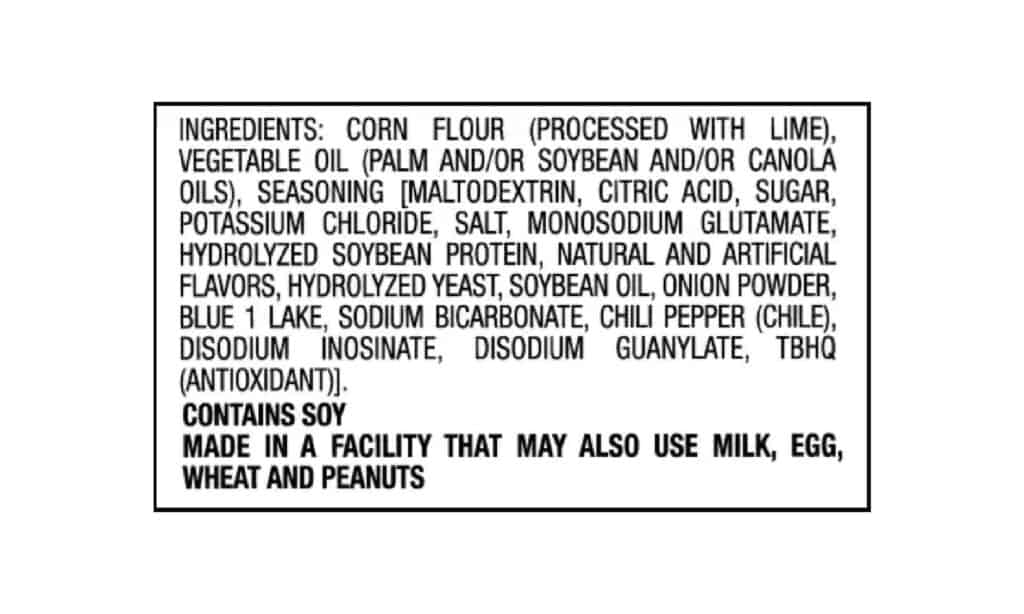
    Takis Ingredients

    When it comes to the ingredients in Takis, the list can vary slightly depending on the specific product. Common ingredients include corn masa flour, vegetable oil, seasoning, and salt. salt, and sodium nitrite. Some varieties may also contain additional additives like monosodium glutamate (MSG), artificial flavors, and preservatives. 

    While many of these ingredients are safe for humans to eat in moderation, they may not be suitable for dogs, especially those with preexisting health conditions. To be safe, it’s always best to choose safer and more nutritious treats for your furry friend.

    Inappropriate Ingredients in Takis

    MSG

    When dogs eat foods that contain MSG, it can overstimulate their nervous system and cause a range of symptoms, including vomiting, diarrhea, excessive thirst, lethargy, and even seizures. Additionally, some dogs may be more sensitive to MSG than others, and even small amounts can cause an adverse reaction.

    Salt

    It’s important to be careful when it comes to feeding your dog any treats that are high in salt. Although dogs need a certain amount of salt in their diet, too much can cause a variety of health issues, such as dehydration, electrolyte imbalances, and high blood pressure. Additionally, treats that are high in salt, like certain types of corn chips, can be hard on your dog’s digestive system, leading to vomiting or diarrhea. Choosing treats made with natural, wholesome ingredients that support overall well-being is the best way to ensure your pet stays healthy and avoid giving them treats loaded with salt.

    Corn, Soy, and Wheat

    Food sensitivities and allergies can be a real challenge for dogs, and three of the most common culprits are corn, soy, and wheat. These ingredients are frequently found in many dog foods and treats, but they can cause a range of health issues for some dogs. Some dogs may experience digestive problems like diarrhea, vomiting, or bloating, while others may develop skin irritations, itchiness, or other allergic reactions. It’s a good idea to avoid feeding your dog any foods or treats that contain these common allergens.

    Tasty Takis: Can Dogs Share?

    Help?!? What if my dog accidentally ate a lot of Takis?

    If your dog accidentally ate a lot of Takis it’s important to monitor them closely for any signs of distress. 

    Post Snack Distress Signs & Symptoms

    Dogs that consume a large amount of processed foods like Takis (especially the spicy varieties) can experience digestive upset, including vomiting, diarrhea, and abdominal discomfort. If your dog is prone to allergies, eating large amounts of Takis may lead to ear infections, itchiness and hairloss.
    Takis Chips for Dogs: Yay or Nay?

    When or If You Should Go To The Vet?

    If your dog ate more than half a bag, you should probably call your local vet clinic. They can advise you based on the size and health of your dog.

    If your dog seems lethargic or unresponsive, go to the pet emergency hospital right away.

    Canine-friendly and safe alternatives to Takis

    If you’re searching for a tasty and healthy snack to give your furry friend, there are plenty of great alternatives to Takis that are both safe and delicious.

    Healthy Store-Bought Recommendations
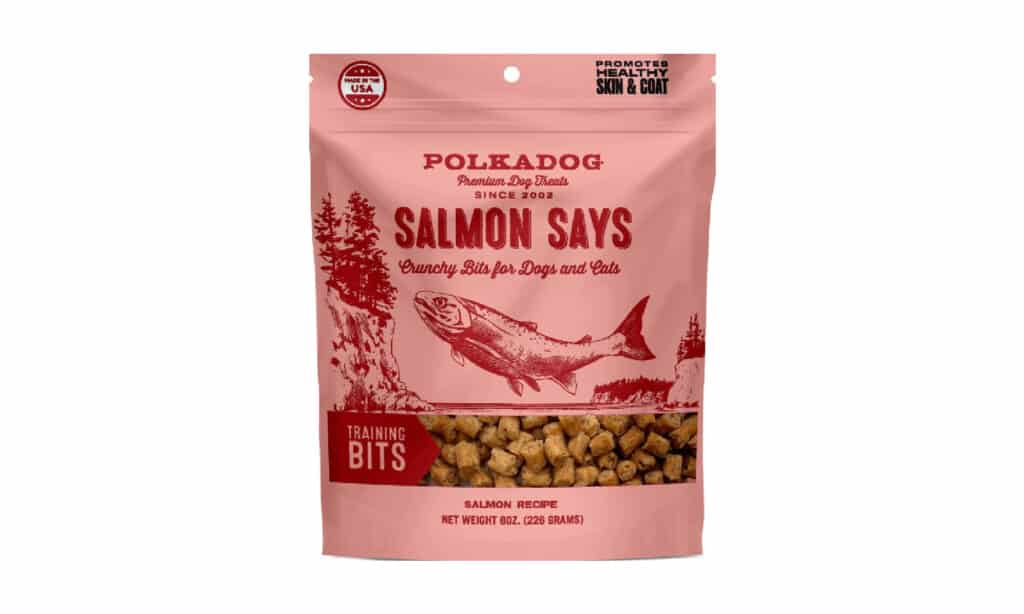
    Of course, these are just a few of the many alternatives to Takis that are safe and healthy for your furry friend. When choosing treats for your pet, it’s important to read the ingredient list carefully and opt for products that are made with natural, wholesome ingredients. Your dog will be grateful for the tasty and nutritious treats!

    While Takis aren’t toxic to your pup, take note that if they eat large amounts of them it could cause GI upset.

    ~Lindsie

    A note about your dog’s health

    This article provides general education and does not replace an examination, diagnosis, or individualized advice from your veterinarian. Contact a veterinary professional if you are concerned about your dog’s symptoms.

    Lindsie Parks B.S., CRDNS Avatar

    ABOUT THE AUTHOR

  • Can Dogs Eat Slim Jims? What You Need to Know – Expert Answers

    Can Dogs Eat Slim Jims? What You Need to Know – Expert Answers

    Hello there, pet owners! Have you ever wondered whether or not your furry friend can safely eat Slim Jims while you snack on them? As a pet expert, I’ve been asked this question many times, and there are some important things to keep in mind before sharing this popular snack with your dog. In this article, I’ll discuss whether or not Slim Jims are safe for dogs, and offer some alternative snack options that are better for your pet’s health. So let’s dive in and make sure our furry friends stay happy and healthy!

    can dogs have slim jims

    What are Slim Jims?

    To start things off, let’s take a closer look at what Slim Jims actually are. These popular meaty snacks are a type of beef jerky that are known for their spicy flavor and convenient packaging. Haven’t we all heard their slogan “Snap Into A Slim Jim!” as we envision a classic wrestling entertainment star? 

    Slim Jims are made from processed meat and a variety of seasonings, and are often high in sodium and other additives. While they may be a tempting snack for us humans, it’s important to consider whether or not they’re safe for our furry friends. Some of the ingredients in Slim Jims can be harmful to dogs, so it’s crucial to know what’s in these snacks before deciding whether or not to share them with your pet.

    Where Do Slim Jims come from?

    Slim Jims were first introduced in the United States in the 1920s and quickly gained popularity. Originally, they were made from beef scraps that were ground up and seasoned to create a tasty snack that didn’t require refrigeration. Nowadays, you can find 100 different varieties in convenience stores and supermarkets across the country.

    Dog snacks: why Slim Jims may not be the best choice

    Slim Jim Ingredients

    When it comes to the ingredients in Slim Jims, the list can vary slightly depending on the specific product. Common ingredients include beef, pork, chicken, corn syrup, spices, salt, and sodium nitrite. Some varieties may also contain additional additives like monosodium glutamate (MSG), artificial flavors, and preservatives. 

    While many of these ingredients are safe for humans to eat in moderation, they may not be suitable for dogs, especially those with preexisting health conditions. To be safe, it’s always best to choose safer and more nutritious treats for your furry friend.

    Sugars

    It’s not a good idea to give your dog treats that contain high fructose corn syrup. This ingredient can make dogs more prone to being obese or diabetic. Sugar leads to inflammation in your dog’s body, especially in joints.  Added sugar can also lead to tooth decay and other dental problems. Choose treats that are made from whole, natural ingredients instead.

    Salt

    It’s important to be careful when it comes to feeding your dog any treats that are high in salt. Although dogs need a certain amount of salt in their diet, too much can cause a variety of health issues, such as dehydration, electrolyte imbalances, and high blood pressure. Additionally, treats that are high in salt, like certain types of jerky, can be hard on your dog’s digestive system, leading to vomiting or diarrhea. Choosing treats made with natural, wholesome ingredients that support overall wellbeing is the best way to ensure your pet stays healthy and avoid giving them treats loaded with salt.

    Corn, Soy and Wheat

    Food sensitivities and allergies can be a real challenge for dogs, and three of the most common culprits are corn, soy, and wheat. These ingredients are frequently found in many dog foods and treats, but they can cause a range of health issues for some dogs. Some dogs may experience digestive problems like diarrhea, vomiting, or bloating, while others may develop skin irritations, itchiness, or other allergic reactions. It’s a good idea to avoid feeding your dog any foods or treats that contain these common allergens.

    Slim Jims for dogs: proceed with caution

    Help?!? What if my dog accidentally ate a lot of Slim Jims?

    If your dog accidentally ate a lot of Slim Jims, it’s important to monitor them closely for any signs of distress. 

    Post Snack Distress Signs & Symptoms

    Dogs who eat processed foods like Slim Jims may have vomiting, diarrhea, and discomfort. In some cases, they may also develop pancreatitis, a condition that causes inflammation of the pancreas and can be quite serious. 

    If your dog ate more than 3 or 4, you should probably call your local vet clinic. They can advise you based on the size and health of your dog. And the amount of beef snack consumed. 

    If your dog seems lethargic or unresponsive, go to the pet emergency hospital right away.

    Canine-friendly and safe alternatives to Slim Jims

    If you’re searching for a tasty and healthy snack to give your furry friend, there are plenty of great alternatives to Slim Jims that are both safe and delicious.

    Here are a few things to consider:

    • Dehydrated beef liver: This savory treat is a fantastic source of protein and contains important nutrients like iron and vitamin A. Plus, most dogs seem to really enjoy the taste of beef liver, making it a great Slim Jim alternative.
    • Carrots: Crunchy and low in calories, carrots make a great snack for dogs. They’re high in fiber and vitamins, making them a nutritious choice for your pet.
    • Apples: Many dogs enjoy the sweet, crunchy taste of fresh apples. These are a great source of fiber and vitamin C.
    • Green beans: Cooked or raw, green beans are a healthy and low-calorie snack that many dogs find satisfying. They’re also a good source of vitamins and minerals.
    Dogs and processed food: the dangers of Slim Jims

    Healthy Store-Bought Recommendations

    Of course, these are just a few of the many alternatives to Slim Jims that are safe and healthy for your furry friend. When choosing treats for your pet, it’s important to read the ingredient list carefully and opt for products that are made with natural, wholesome ingredients. Your dog will be grateful for the tasty and nutritious treats!

    ~Lindsie

    A note about your dog’s health

    This article provides general education and does not replace an examination, diagnosis, or individualized advice from your veterinarian. Contact a veterinary professional if you are concerned about your dog’s symptoms.

    Lindsie Parks B.S., CRDNS Avatar

    ABOUT THE AUTHOR
  • Melamine Poisoning in Cats and Dogs: A Silent Killer

    Melamine Poisoning in Cats and Dogs: A Silent Killer

    As a holistic veterinarian, my top priority is the health and well-being of your furry friends. That’s why I want to raise awareness about melamine poisoning in cats and dogs – a serious issue that many pet owners are not familiar with.

    melamine poisoning in dogs

    What is Melamine?

    Chemical compound called melamine, which is commonly used by manufacturers, can be found in household items like hard plastic dishes and countertops. Although melamine itself is not harmful, when it combines with another chemical called cyanuric acid, it can form crystals that are harmful to pets. These crystals can cause kidney damage and lead to kidney failure. The big pet food recall that occurred in the US in 2007 involved these ingredients, resulting in the deaths of hundreds of pets and likely harming thousands more.

    The Source of Melamine in Pet Food

    Melamine can find its way into pet food through a variety of sources, such as contamination during the manufacturing process or the use of low-quality ingredients. The source of the 2007 melamine poisoning in pets was determined to be shipments of the ingredient “wheat gluten” that was imported from China. That ingredient was then sold to pet food manufacturers. (AVMA, 1) ( But don’t worry….the company that imported the toxic ingredient was fined $25,000. That’s all? ) (AVMA, 2)

    Pet Food Safety: Avoiding Melamine Contamination

    Symptoms of Melamine Poisoning in Pets

    The symptoms of melamine poisoning can be difficult to detect and can vary depending on the type and amount of melamine consumed. However, some common symptoms to look out for include loss of appetite, vomiting, diarrhea, lethargy, and increased thirst and urination. In more severe cases, pets may experience acute kidney failure, which can lead to death if left untreated.

    Signs Of Melamine Poisoning In Dogs                     

    • Loss of appetite
    • Vomiting
    • Diarrhea
    • Lethargy or weakness
    • Increased thirst and urination
    • Blood in urine
    • In severe cases, acute kidney failure

    Symptoms Of Melamine Poisoning In Cats           

    • Loss of appetite
    • Vomiting
    • Diarrhea
    • Lethargy
    • Dehydration
    • Oral ulcers or sores
    • Abdominal pain or discomfort
    • Pale gums or tongue
    • Jaundice (yellowing of the skin or eyes)
    • Seizures or tremors
    Detecting Melamine Poisoning in Household Pets

    Diagnosing and Treating Melamine Poisoning in Pets

    If you suspect that your pet may have been exposed to melamine and cyanuric acid, it’s crucial to take them to a veterinarian. Your vet will likely perform blood and urine tests to check for signs of kidney damage. Treatment for melamine poisoning may include hospitalization, intravenous fluids, and medications to manage symptoms and prevent further kidney damage. In some cases, pets may require long-term monitoring and care to manage the effects of kidney damage.

    Preventing Melamine Poisoning in Pets

    Prevention is key when it comes to melamine poisoning in pets. The best way to protect your furry friend is to be mindful of the food you’re feeding them. AboWhen choosing pet food, it’s important to look for high-quality options made from whole ingredients and steer clear of those that contain animal by-products, animal meals, or wheat gluten. Read pet food labels of every food and treat and chew.  Alternatively, you can avoid melamine completely by home-cooking for them or feeding them a raw diet. 

    For more information about “clean eating” check out my resources and recipes on journeysholisticlife.com. 

    Conclusion

    Melamine poisoning is a serious issue that can have devastating consequences for our pets. By being aware of the risks and taking steps to prevent exposure, we can help keep our furry friends healthy and happy. If you suspect that your pet has been exposed to melamine or is showing symptoms of kidney damage, you should contact your veterinarian right away. Together, we can protect our pets from this silent killer.

    Resources:

    (AVMA, 1) – https://www.avma.org/javma-news/2008-03-15/grand-jury-indicts-companies-melamine-contamination-pet-food

    (AVMA, 2)- https://www.avma.org/javma-news/2010-03-15/judge-sentences-importers-melamine-contaminated-ingredients

    A note about your dog’s health

    This article provides general education and does not replace an examination, diagnosis, or individualized advice from your veterinarian. Contact a veterinary professional if you are concerned about your dog’s symptoms.

    Dr. Candy Akers, DVM Avatar

    ABOUT THE AUTHOR

  • Can Dogs Eat Cinnamon? What Kind Of Cinnamon Is Toxic?

    Can Dogs Eat Cinnamon? What Kind Of Cinnamon Is Toxic?

    *This page may include affiliate links, which means that if you make a purchase through one of the product links, we may receive a small commission. For full affiliate disclosure please see our disclaimer page.

    Do you want to know the honest and scientific answer to the common question “can dogs eat cinnamon?” Be careful what you read on the internet about cinnamon. It can be a tricky question if you live in the U.S. like I do. Some types of cinnamon are totally safe, but others can carry toxins that damage your dog’s liver. Today in this article we are going to learn about the different types of cinnamon, which kind of cinnamon is toxic and some health benefits your dog can gain if you choose the correct product.

    is cinnamon toxic to dogs

    Types of Cinnamon

    Cinnamon has been used for food and medicine since the earliest days of recorded history. It was a prized and valuable ingredient usually saved for royalty or gods. There are over 40 species of trees in the genus Cinnamomum. Don’t worry, as dog lovers, all we need to know is Cinnamomum cassia, called Chinese cinnamon, and Cinnamomum verum called Ceylon cinnamon. The mixed messages about cinnamon stem from a difference in these varieties.

    Cinnamon in North America

    The mixed messages about cinnamon stem from a difference in those varieties. More than 70% of the cinnamon grown in the world is of the cassia variety. In the US, UK and India, almost 100% of the labeled ingredient “cinnamon” is cassia. So, can dogs eat cinnamon?

    can my dog eat cinammon

    Can Dogs Eat Ceylon Cinnamon?

    Ceylon cinnamon is the safest type of cinnamon for dogs. This lighter, more delicate variety of the spice is often used in drinks and other liquids. This plant is very expensive and time consuming to grow. So this type of cinnamon can sometimes be hard to find. If you have a question about an ingredient or label you can contact the manufacturer.

    Can Dogs Eat Cassia Cinnamon?

    Cassia cinnamon is the variety that can cause negative health effects in dogs. This plant contains higher amounts of a compound called coumarin. Coumarin is a natural group of bioactive substances. Activities of coumarins can range from killing cancer cells to fighting bacterial infections. However some coumarins have the potential to cause liver damage.

    Each harvest of cassia can have various levels of coumarin. Small amounts of cassia cinnamon in responsibly produced pet products are usually not a problem. 

    Cassia is a strong, deeply spicy herbal product. It contains potent essential oils and over 160 separate biologically active compounds. This complex spice has been used in Traditional Chinese Medicine for thousands of years.

    is cinnamon good for dogs

    What should you do if your dog eats some cinnamon?

    If your pet consumes more than 1 tsp of cinnamon you should call your local animal emergency hospital. They will let you know if you need to bring your dog in to see a vet.

    If your dog got a few licks of your cinnamon-vanilla latte she should be fine. 

    If your dog already has liver problems, organ damage or any other chronic disease you should try to avoid cinnamon ingredients. Work with your veterinarian to monitor these conditions carefully.

    In general, cinnamon can have many health beneficial properties. Some types of cinnamon contain natural, but potentially damaging, compounds. So, its important to know what to look for and to understand the different types of cinnamon.

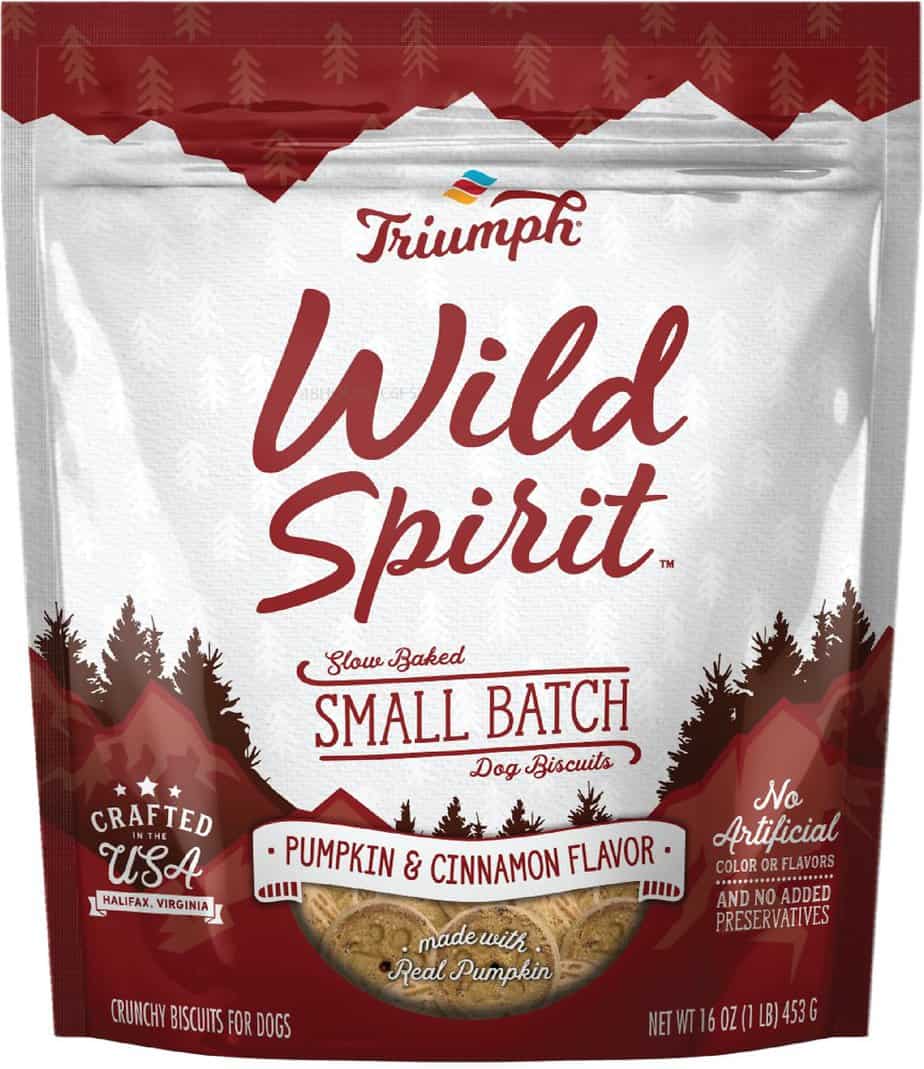
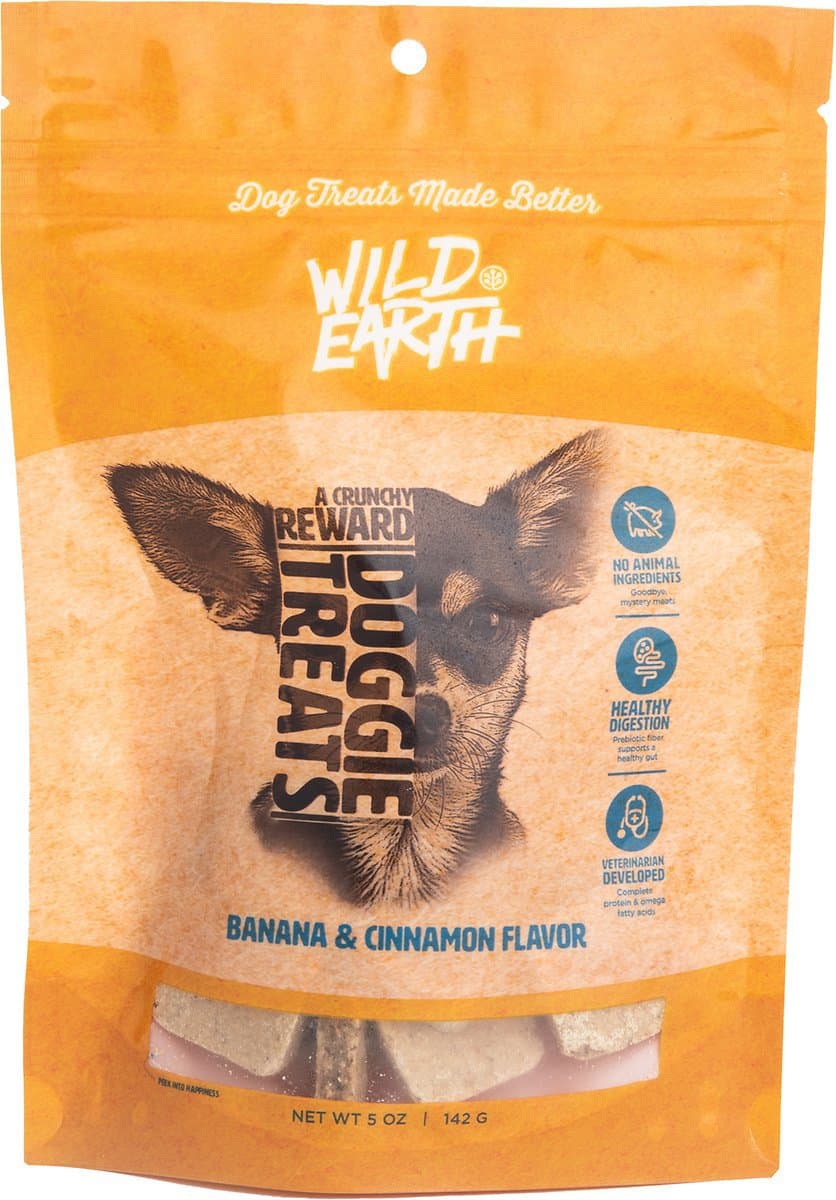
    Check out some of my favorite cinnamon flavored treats that ARE safe for your pup.


    Check out our other articles for even more knowledge to keep your dog healthy and happy!

    Can Dogs Eat Potatoes?

    7 Beneficial Herbs For Dogs That You Can Grow In Your Garden

    Can Dogs Eat Blueberries? Are Blueberries Good For My Dog?

    If you like our content before to LIKE, FOLLOW and SHARE!

    A note about your dog’s health

    This article provides general education and does not replace an examination, diagnosis, or individualized advice from your veterinarian. Contact a veterinary professional if you are concerned about your dog’s symptoms.

    Dr. Candy Akers, DVM Avatar

    ABOUT THE AUTHOR

  • Can Dogs Eat Blueberries? Are Blueberries Good For Dogs?

    Can Dogs Eat Blueberries? Are Blueberries Good For Dogs?

    *This page may include affiliate links, which means that if you make a purchase through one of the product links, we may receive a small commission. For full affiliate disclosure please see our disclaimer page.

    Can dogs eat blueberries? Well, I hope so because I accidentally dropped a whole tray of them on my kitchen floor when I was putting away the groceries. When my dogs heard the sound it turned into a free for all that looked like a game of hungry hungry hippos!

    can dogs eat blueberries

    Luckily, the answer is YES – dogs can eat blueberries. They are perfectly safe for dogs and they are actually good for your pup. 

    As a holistic veterinarian, I get questions like this a lot. Since blueberries are easy to buy and easy to feed – I am going to go over a few quick tips on how to feed these delicious berries. I will also highlight a few health benefits that your dog may get when you feed them blueberries.

    Blueberries Are Safe For Your Dog

    So now that we have established that blueberries are safe for your dog to eat, let’s go over how much to feed, how often, safe sourcing, preparation, and facts about calories.

    What Kinds of Blueberries Can Dogs Eat?

    Dogs can eat all kinds of blueberries! Highbush varieties are plump and sweet. The lowbush variety is also frequently called “wild” blueberries and they tend to be a little bit more tart. I tell my clients that any type of blueberry that you find in a grocery store or farmers’ market is safe for your dog to eat. I usually tell pet parents to stay away from any truly “wild” blueberries like out in nature. Just because other types of plants have fruits that may look like blueberries but they can be toxic to both people and pets.

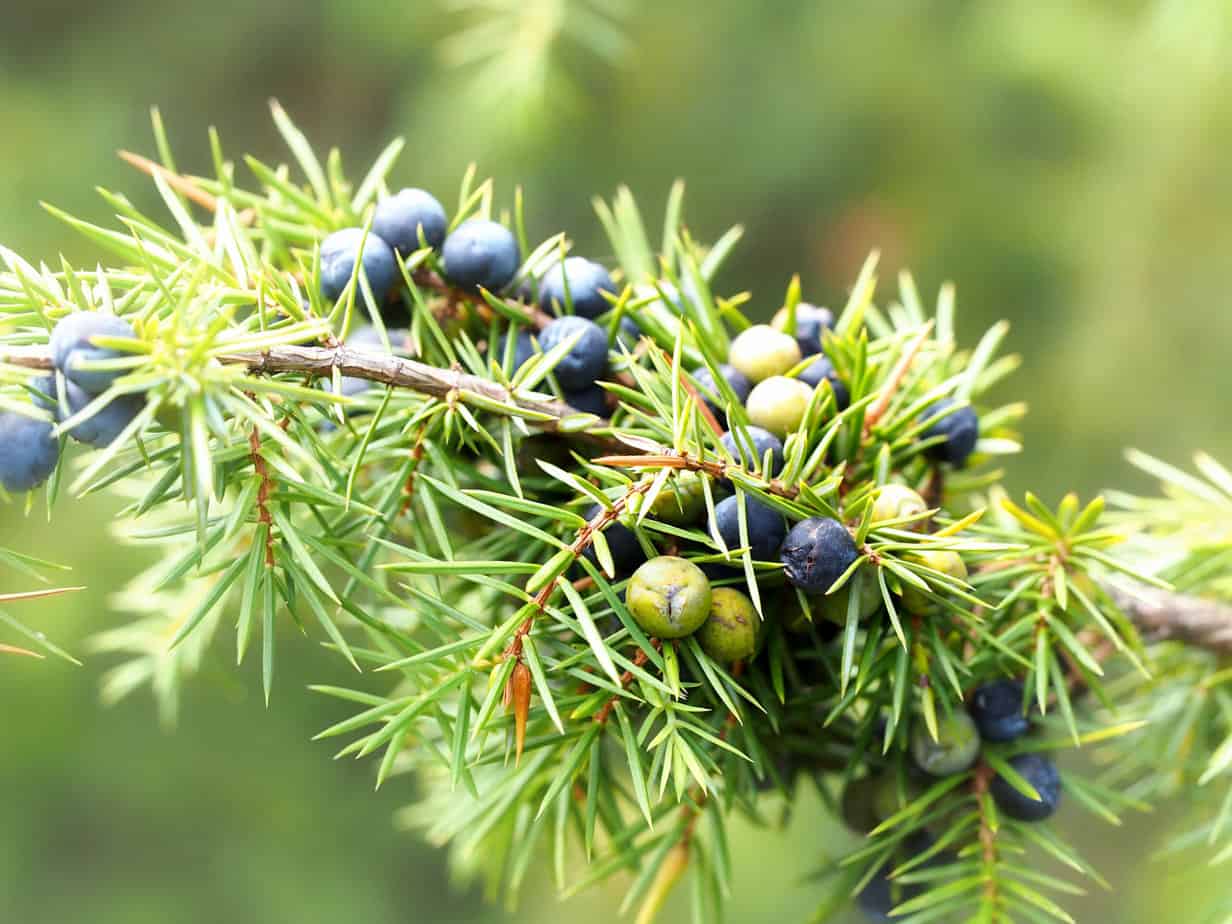
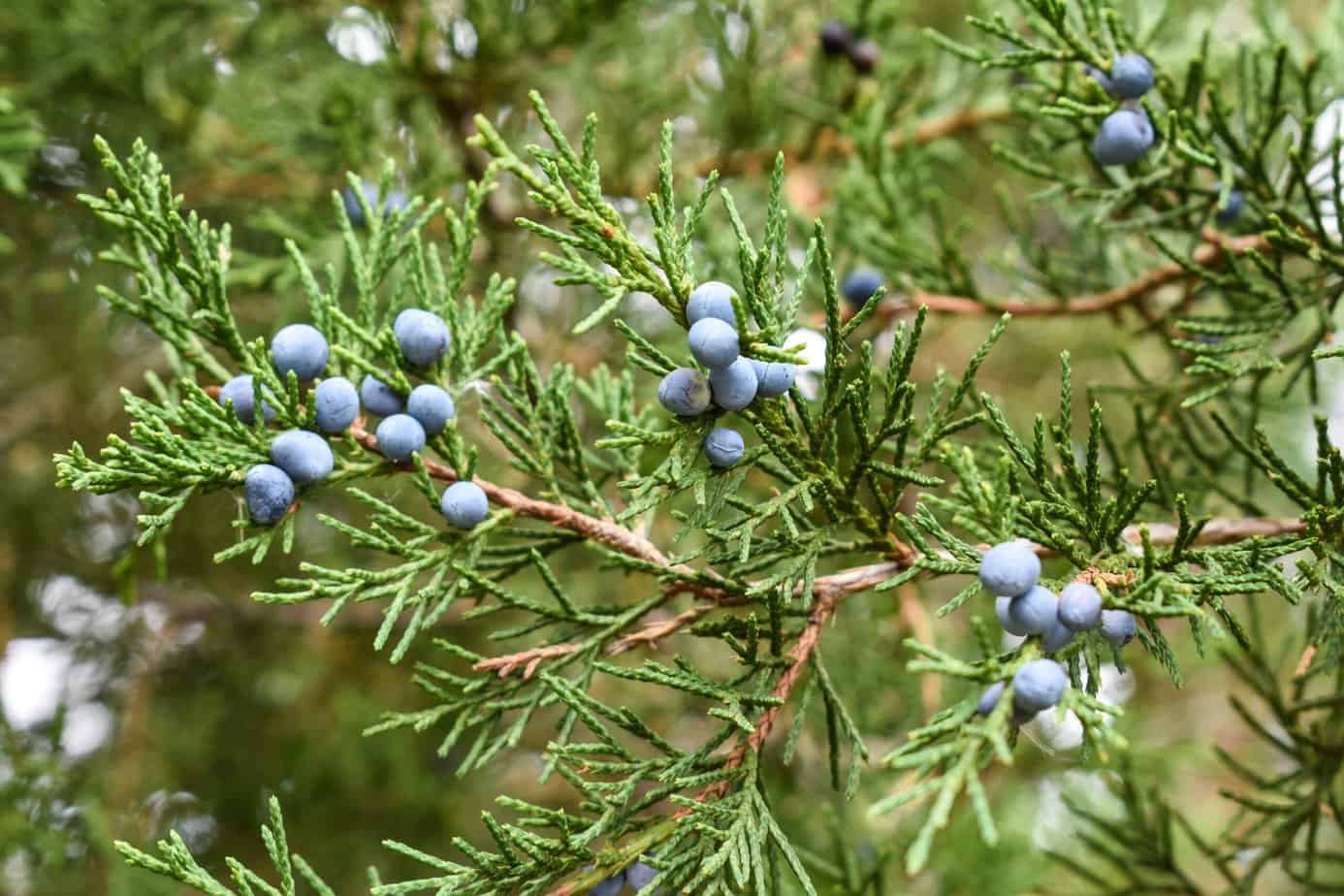
    Blue colored berries on evergreen juniper bushes as well as dusty blue colored berries on red cedar trees have been used as herbal medicine by Native Americans. But both of these will most likely cause your dog to throw up. So stay away from blueberries in the wild, but you are safe with blueberries from a store. 

    Can Dogs Be Allergic to Blueberries?

    Allergies or sensitivities can develop in reaction to any food, but it is not a common allergy. I personally have never seen a pet that was allergic to blueberries.

    How Should You Prepare Blueberries for Dogs? 

    Fresh blueberries should always be rinsed with water to remove any pesticides or preservatives. Check for anything rotten or moldy and don’t feed those to your furry friend. Frozen blueberries are already washed and they are typically flash frozen quickly after harvest. Most nutrients and antioxidants are still available in products frozen for less than 6 months. But various times, temperatures and processing can sometimes affect the nutrient composition. Most of my clients give their dogs frozen blueberries because its so easy. Giving berries frozen is advantageous because they do not get mushy, and this also helps prevent any carpet stains from spit-out berries. 

    WARNING : If blueberries are fresh or if a frozen berry is thawed there is a risk for staining on carpets, furniture and doggie hipster beards.

    Other forms of blueberries include dried, freeze-dried/dehydrated, and powdered. All of these are great forms to give to your dog. The dried or powdered varieties may contain slightly fewer nutrients.

    can my dog eat blueberries

    How Many Calories are There in Blueberries?

    One cup of blueberries contains 80 Calories, so this means that each blueberry is 1-2 Calories each. 

    How Many Blueberries Can a Dog Eat?

    When you are first starting to introduce blueberries to your dog, start with 1 or 2 berries and gradually increase the amount over time. This will just get your dog used to the taste and prevent any soft stools from a rush of rich vitamins. Small dogs can eat 5-10 berries. Medium breed dogs can enjoy 10-15 yummy berries. Large dogs between 40 and 100 pounds can eat 15-20 berries per meal. And giant breed dogs over 100 lbs can nosh on 20-25 berries per meal.

    how many blueberries can dogs eat

    Can I Give My Dog Blueberries Everyday?

    Yes, you can give your dog blueberries every day and also in every meal if you want. These delicious berries are packed full of nutrition as you will see in the cool info below!

    Nutrients In Blueberries For Your Dog

    • Fiber
    • Vitamin C
    • Antioxidants
    • Anthocyanins
    • Manganese
    **An Important Note About Manganese : Veterinary Researchers have recently found correlations between manganese deficiency and strength of joint ligaments. Details reveal that nutrition may play a role in hundreds of diseases. However the latest focus show that we might be seeing a significant increase in tendon problems and ligament injuries, due to deficiencies of manganese. Manganese is just one of many vital nutrients that has been depleted in our country’s soils due to industrial farming practices. I have personally seen that adding foods and supplements with manganese included can help dogs heal from knee injuries. You can read more about the whole food supplements that I see the best results with pertaining to musculoskeletal issues.

    Benefits of Feeding Your Dog Blueberries

    • Strong Immune System
    • Improved Digestion
    • Less Constipation
    • Clearer Brain and Memory
    • Fewer UTIs
    • Strong Muscles and Bones
    are blueberries good for dogs

    Health Conditions That I Recommend Adding Blueberries

    • Arthritis
    • Skin Conditions
    • Itching / Allergies
    • Vision Problems
    • Athletic Recovery
    • Urinary Tract Infections
    • Detox
    • Dementia

    Homemade Dog Treat Recipes With Blueberries

    I like to make frozen stuffed bones for my dogs using leftover raw marrow bones. Mix up a filling ( which changes based on what ingredients I have available and need to use up, and my dogs’ food sensitivities ) and fill the bones with the filling mixture and put them in the freezer for at least a few hours. Then they are ready for rewards, treats, or boredom busters if we have yucky weather. 

    One of my rescue Dachshund mixes, named Canon, loves any type of fruit in his frozen bones. His sister, Piper, likes blueberries – but not mixed with bananas.

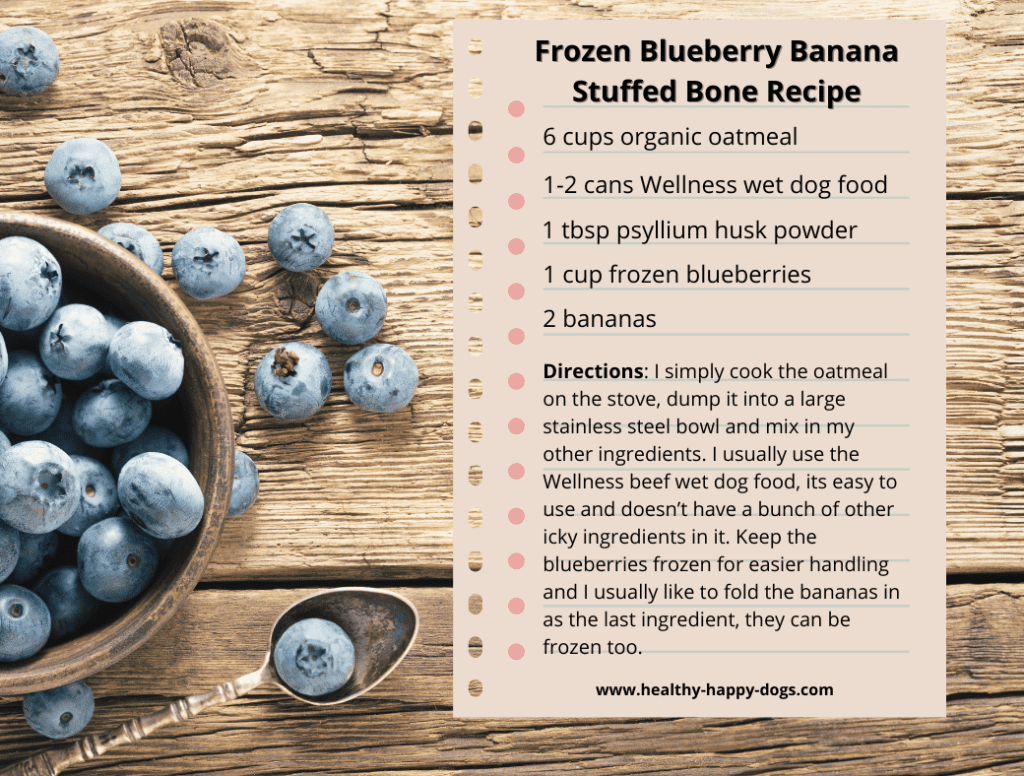
    Frozen Blueberry Banana Stuffed Bone Recipe

    Directions: I simply cook the oatmeal on the stove, dump it into a large stainless steel bowl and mix in my other ingredients. I usually use the Wellness beef wet dog food, its easy to use and doesn’t have a bunch of other icky ingredients in it. Keep the blueberries frozen for easier handling and I usually like to fold the bananas in as the last ingredient, they can be frozen too.

    Adapted from a recipe at Pookspantry.com

    Ingredients :

    Directions :

    Pulse your old-fashion oats in a food processor into a rough flour. Add blueberries, frozen or fresh into the food processor oats. Pulse lightly and pour into a large mixing bowl. Add 2 large eggs, 4 bananas, and 1 tsp of pink Himalayan salt.

    Form into small biscuit forms about ½ in thick. Place on a baking sheet with parchment papers into a pre-heated oven. Bake at 350 degrees F for 15-18 minutes.

    Allow to cool and store in a food storage container in the fridge for up to 2 weeks.

    Your Dog Will Love These Treats

    If you don’t have the time to make something homemade, here are a few of my favorite dog treats available to buy.

    Are There Any Good Supplements Containing Blueberries For My Dog?

    Since blueberries are so nutritious, they make great ingredients for supplements. Using supplements is a great way to include some of the health benefits of blueberries in an easy and powerful way.

    So, as you can see, there are many ways to add the health benefit of blueberries to your dog. Try adding a berry or two to a whole meal, or try giving them to your dog as a treat. Most dogs will scarf it up. Occasionally a dog or two has said ‘no thanks’. Adding some blueberries is just one step you can make towards a healthier and happier dog.


    Check out our other articles for even more knowledge to keep your dog healthy and happy!

    Can Dogs Eat Potatoes?

    7 Beneficial Herbs For Dogs That You Can Grow In Your Garden

    Rubber Mulch For A Dog Run? 9 Things You Need To Know

    Let us know if your dog likes it on your favorite social media platform. 

    A note about your dog’s health

    This article provides general education and does not replace an examination, diagnosis, or individualized advice from your veterinarian. Contact a veterinary professional if you are concerned about your dog’s symptoms.

    Dr. Candy Akers, DVM Avatar

    ABOUT THE AUTHOR

  • 7 Beneficial Herbs For Dogs That You Can Grow In Your Garden

    7 Beneficial Herbs For Dogs That You Can Grow In Your Garden

    Gardening season is almost upon us and a great time to grow herbs for dogs! I personally have been dreaming all winter. I started gardening a few years ago and every season is a learning experience for me. One thing I always do in my garden is grow a lot of herbs. I love the flavor that they bring to our foods and that familiar aroma of fresh herbs.

    7 beneficial herbs for dogs

    I have been using various herbs for animal healing for quite a while now. The very first herb that I started adding to my dogs’ food was parsley. I had read in multiple holistic healing books that parsley was so great for oral health. And other nutrition education programs taught me that it is super packed with vitamin A.

    So I started chopping it up and mixing in with my dog’s food. At first, Jak, our Peekapoo took a look in his bowl and then looked back up at me like he was saying “you gotta be kidding me”. He picked around it and left half his dinner in the bowl. My other dogs just wolfed the new ingredient down with the rest of their meal.

    Over the years I have seen how beneficial some of these herbs are for dogs. I love talking with other pet parents about ways we can add health boosting ingredients to our pet’s food. In this article, I am going to briefly go over some common beneficial herbs that you can grow in your garden. I will rate these plants on how easy they are to grow and their taste appeal for the average family dog as well as teach you some of the important health benefits that each herb can have for your dog.

    are herbs good for my dog

    For convenience, I have made a quick glance chart and then each herb gets its own, more detailed spotlight below the table.

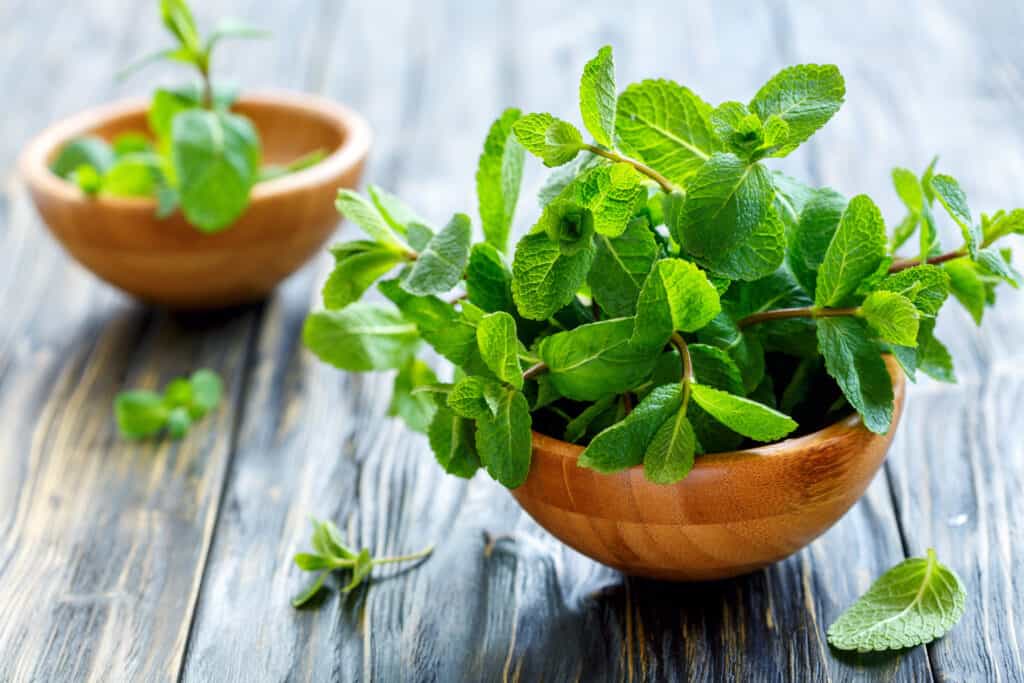
    PeppermintMint is full of vitamin A and vitamin C complex. It contains the trace minerals manganese and iron. Potassium, magnesium, and calcium also join this party along with a huge dose of antioxidants.
    BasilBasil is a proven anti-viral. Like many vibrant green veggies, basil contains cancer fighting compounds. It can also improve oral health like gingivitis and some dogs receive a relaxing effect.
    ThymeThyme is light and earthy and can help remove inflammation in the digestive tract. Thyme is another natural antibiotic and has also been used for various upper respiratory conditions.
    BurdockBurdock is a great herb for general use and is very safe to use. It can help your dog’s body detox through the liver and kidneys. This can decrease inflammation, balance the thyroid, reduce itching, and detox chemicals and medications.
    ParsleyParsley is great for gums and teeth. All of those antioxidants and detox compounds kill bacteria as your dog chews them. Parsley is also a great boost to the immune system due to the large amounts of vitamin A and vitamin C. Parsley is great for digestion and may also contain cancer-fighting components and helps with swelling by improving lymph flow.
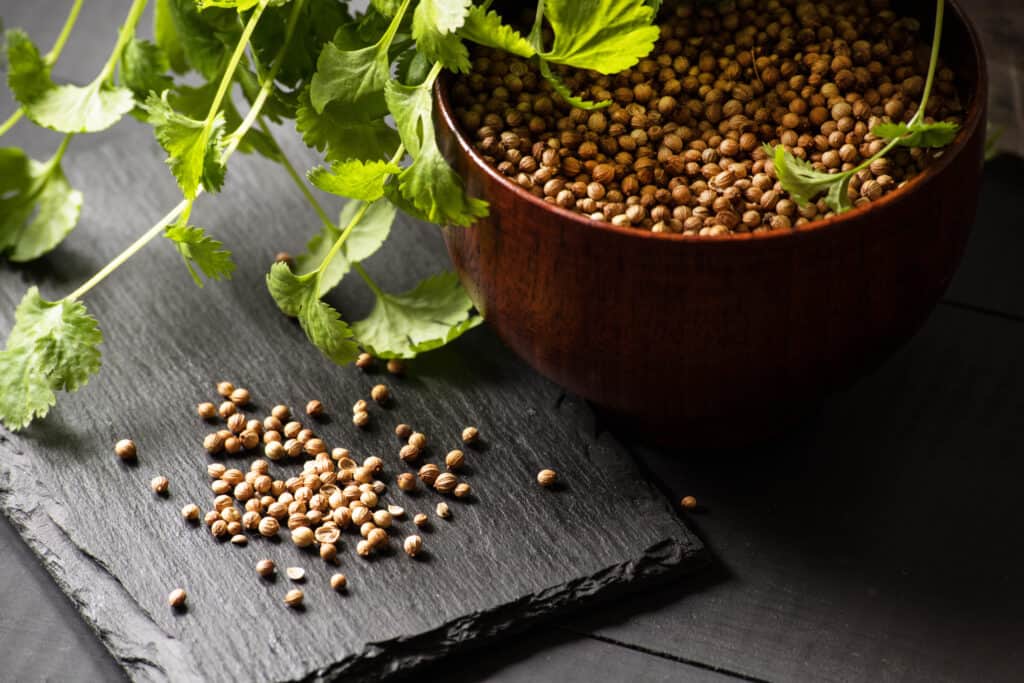
    CilantroCilantro has properties that are antibacterial and anti-fungal as well. As a strong antioxidant, cilantro reduces inflammation. This easy herb is a big package of vitamins and minerals that boosts the immune system as well as bone health. Coriander has been studied as a remedy for stomach pains, gassiness, nausea, toothaches, and arthritis.
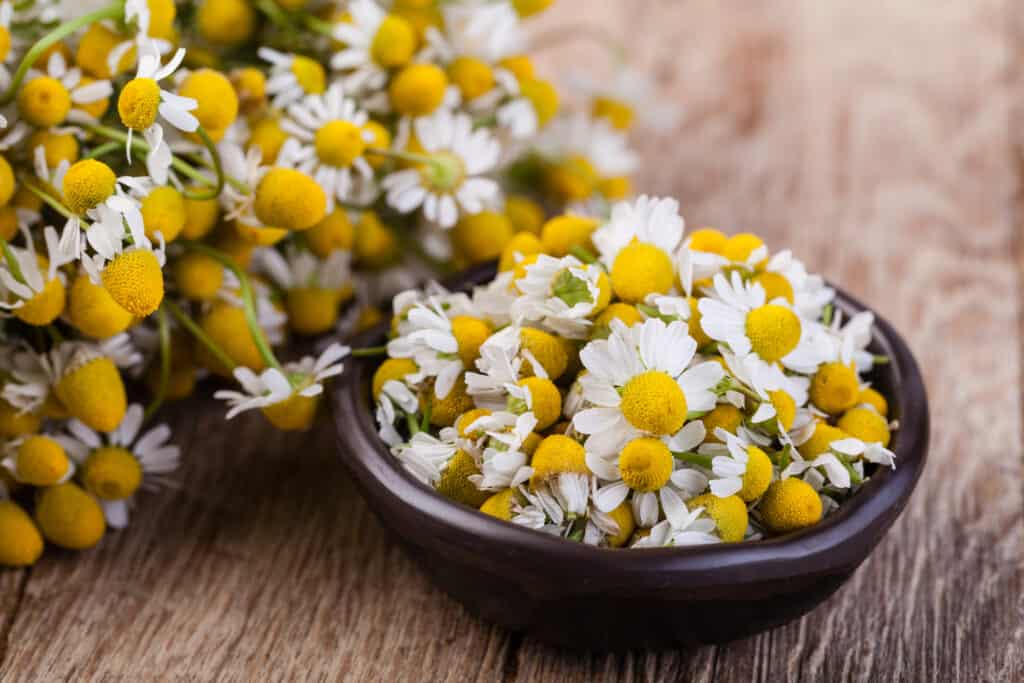
    ChamomileThe health benefits of Chamomile are endless. It is great at promoting calmness, it helps to relieve stress and anxiety. It can soothe stomachs and also reduce mouth pain
    best herbs for dogs

    Peppermint Is A Tasty And Healthy Herb For Dogs

    Peppermint is pretty easy to grow. It doesn’t like dry environments or blasting full hot sun. It does spread readily through underground shoots called runners or rhizomes. Also, it is perennial which means that it will grow back every year in most climates. Most dogs love the taste and smell of mint.

    In healthy growing environments mint is full of vitamin A and vitamin C complex. It contains the trace minerals manganese and iron. Potassium, magnesium, and calcium also join this party along with a huge dose of antioxidants.

    Dogs can benefit from mint in multiple ways, but each individual dog can react differently. It can soothe a stomach ache, reduce burping gasses, clean the teeth, reduce inflammation and freshen breath.

    peppermint for dogs

    Basil Is An Amazing Antiviral Herb For Dogs

    Basil is moderately easy to grow. I have seen people grow it indoors and out. Healthy soil is the key to growing this herb. I have had the best luck growing this as a “partner” crop to tomato plants. I give the tomatoes a few weeks head start, and then I plant cuttings or seeds around the main stem where the basil will get a little shade and hold its moisture. And the smell of that combination is divine!

    Most dogs like the taste of basil, especially freshly cut from the garden. I cut up the leaves and sprinkle them into my dog’s meal. Basil is so well known as a flavor and spice, but there is not much talk about the magnificent health benefits. Basil is great at reducing inflammation and is a natural antibiotic. Basil is also a proven anti-viral. Like many vibrant green veggies, basil contains cancer fighting compounds. It can also improve oral health like gingivitis and some dogs receive a relaxing effect.

    basil for dogs

    Take Your Time With Thyme – A Natural Antibiotic Herb For Dogs

    Thyme is another classic herb that you can easily grow in your garden. It is not difficult to grow or keep alive however sprouting from seeds may be a challenge. Seeds must be warm to sprout and grow. So, honestly, I usually buy one thyme plant from a garden center and give it its own pot on my deck. Where I live in Colorado, thyme does not usually grow back each year but in some climates, it can be a nice perennial. Thyme does not like too much water and its roots can die if the soil has poor drainage and stays wet.

    Not all dogs like the taste of thyme. My pug used to grab a few pieces…but then again…she’s a pug and pugs will eat anything. Thyme is light and earthy and can help remove inflammation in the digestive tract. Thyme is another natural antibiotic and has also been used for various upper respiratory conditions. 

    thyme for dogs

    Burdock Is A Great Detox Herb For Dogs

    A lesser known member of the garden is Burdock. It originates in Asia and has a light radish-artichoke-lotus taste. It is used to flavor stir fry or added to salads. Gardeners in the US say that Burdock is easy to grow once it is established. You have to have a nutrient-rich soil for the plant to grow. Most of the flavor and medicinal properties of this plant occur in the roots.

    Dogs that are used to getting yummy health boosting fresh foods in their meals do not mind the taste of burdock. Most people use the herb thinly sliced or shredded fresh on food.

    Burdock is a great herb for general use and is very safe to use. It can help your dog’s body detox through the liver and kidneys. This can decrease inflammation, balance the thyroid, reduce itching, and detox chemicals and medications.

    burdock for dogs

    Parsley More Than A Dog Bowl Garnish

    Parsley, as described above, is a great introduction to using herbs for dogs. You can grow parsley almost anywhere, it is a pretty hardy herb. I usually directly sow these seeds into my herb garden. I love to grow it instead of buying it from the grocery store. Plants sold in great quantities in grocery stores are usually produced hydroponically. They push rapid growth of the parsley rather than nutritional content. The better your soil is, the better your parsley will be.

    Most dogs don’t mind the taste of parsley. Start with small pieces in small amounts and mix them into their meal. You can quickly increase the amount thrown in there. I also like to put some parsley in any food I am making for my dogs such as sweet potatoes, chicken, or bone broth.

    Parsley is great for gums and teeth. All of those antioxidants and detox compounds kill bacteria as your dog chews them. Parsley is a great boost to the immune system, probably due to the large amounts of vitamin A and vitamin C. Parsley is great for digestion, that’s why it is used as a garnish next to meals. This common herb may also contain cancer-fighting components and helps with swelling by improving lymph flow.

    parsley for dogs

    Cilantro aka Coriander Is a Great Antifungal Herb for Your Dog

    My personal favorite herb is probably cilantro. I can put cilantro on anything! Tacos, salads, rice, chili, or ramen. Yummm Delicious! Luckily I do not have that gene that makes cilantro taste like soap.

    Cilantro is the name used when referring to the green leafy immature part of this plant. The mature seeds after the plant flowers are known as Coriander. Some gardeners use these terms interchangeably. 

    Cilantro is very easy to grow and like many greens, you can harvest a large portion of the leafy stems and the roots will grow back. It grows best with light shade in my garden, it didn’t do too well when I tried a bed in full sun. I have found that most dogs don’t mind the taste of cilantro. I guess they don’t have to worry about being a carrier of that human gene that makes cilantro taste like “soap”.

    I first read about the medicinal qualities of cilantro when I was researching heavy metal toxicity in one of my very old dogs. This amazing plant has active compounds that bind to toxic metals and prepares them for excretion. Cilantro has properties that are antibacterial and antifungal as well. As a strong antioxidant, cilantro reduces inflammation. This easy herb is a big package of vitamins and minerals that boosts the immune system as well as bone health. Coriander has been studied as a remedy for stomach pains, gassiness, nausea, toothaches, and arthritis. It does all of this, while also being delightfully delicious in tacos and burritos. Sold!

    cilantro for dogs

    Chamomile: A Fancy Sounding Simple Herb for Your Dog

    Right now I don’t have to plant chamomile, because it grows in the wild in most of my pastures. Chamomile likes soil on the dry side and can flourish in full sun or partial shade. Depending on the variety, people grow chamomile fairly easily. Also after a year or two, the established plant should come back year after year. You can find some on your property or in wild public meadows. Most people start it from seed and I have personally used this organic seed variety.

    I don’t believe that dogs object to the taste of chamomile, it’s pretty mild. I have even used some flowers that I had leftover from something that I dried and crushed up onto my dog’s meals. My blind pitbull, Wally, likes a little bit of chamomile tea in his meal I also use chamomile tea bags to make tea and then I toss in a few cups of organic oatmeal and let it set for about 10 minutes. After ten minutes or so, the dogs will have a healthier addition to their meal. I also use the chamomile tea oatmeal to stuff frozen bones for treats or boredom busters.

    The health benefits are endless. It is great at promoting calmness, it helps to relieve stress and anxiety. It can soothe stomachs and also reduce mouth pain. I have also used it as a light tea to add to bathing water. Two of my Dachshunds that were born without useable front limbs prefer a “sponge” bath instead of a dunk or shower. I make a light tea and while still warm use it for their baths. It is soothing to their skin and acts as a natural antiseptic.

    chamomile for dogs

    You Can’t Go Wrong With These Herbs For Your Dog

    As you can see, there are many uses for herbs that you can grow in your own garden. As a bonus, these herbs can be planted in areas where your dog hangs out. It’s totally safe if a dog takes a bite, sniff, or roll. The worst that might happen would be an upset stomach or vomiting from each too much of a woody part. 

    Herbs can increase our health and quality of life in amazing ways. It’s easy to give these benefits to your dogs too. So go on and get outside, play with your dog and plant a garden, because small amounts of herbs can bring so much life and healing. Start small and share your experience on our social media pages. We would love to hear about your family!

    A note about your dog’s health

    This article provides general education and does not replace an examination, diagnosis, or individualized advice from your veterinarian. Contact a veterinary professional if you are concerned about your dog’s symptoms.

    Dr. Candy Akers, DVM Avatar

    ABOUT THE AUTHOR
  • Can Dogs Eat Potatoes?

    Can Dogs Eat Potatoes?

    *This page may include affiliate links, which means that if you make a purchase through one of the product links, we may receive a small commission. For full affiliate disclosure please see our disclaimer page.

    can dogs eat potatoes

    As a holistic vet, I get a lot of questions about a wide variety of foods. Pet parents always want to feed their dogs nutritious foods that will keep them healthy and happy for years. But we also want to make sure certain foods are safe for our dogs and served in an appropriate manner. In consultations, I often get questions such as “Can my dog eat sweet potatoes?” “Are canned potatoes okay?” “Should I steam them or boil them?”.

    In this article, I am going to go over the types of potatoes that are safe for your dog to eat and which ones might be dangerous. I will share some quick nutritional tips and health benefits to adding potatoes to your dog’s diet.

    Can Dogs Have Sweet Potatoes?

    Dogs can have sweet potatoes as long as they are cooked correctly and fed in appropriate amounts. Sweet potatoes should be cooked and have the skins peeled off. Your dog can have sweet potatoes every day as part of a nutritionally complete and balanced homemade food recipe but should not account for more than 20% of your pup’s diet.

    Sweet potatoes are high in multiple important B vitamins as well as vitamin A. Vitamin A plays an important role in maintaining a strong immune system and keeps eyes healthy. Additionally, sweet potatoes are packed with vitamin C and fiber. 

    I have found that most sweet potatoes are best served when they are cooked, but not over-cooked. We want to keep some of those starchy carbohydrates intact. The type of fiber that comes from sweet potatoes acts as a pre-biotic. Prebiotics are the main food source of probiotics, those good bacteria that live in your dog’s digestive system.

    can my dog eat sweet potatoes

    What Types Of Potatoes Are Safe For Dogs To Eat?

    Dogs can eat a variety of different types of potatoes and they can supply some health boosting nutrients. Potatoes are packed with potassium which helps support a healthy heart, normal muscle response, and balanced nerve signals. Red potatoes are the healthiest choice of white potato and contain more vitamin K than other potato varieties. They are also a great source of Niacin (B3), a B vitamin that helps balance stress hormones and can help in managing your dog’s anxiety. 

    Technically, potatoes (other than sweet potatoes) do fall in the nightshade category. Consuming nightshade plants does bring in some controversy. Research has not provided a clear answer either way, but some people with arthritis feel better when they remove nightshades from their diet. I have not seen any major change when dogs are fed these ingredients. If you notice a difference in your dog then you can safely stick with sweet potatoes. 

    In my personal experience, I have found that my dogs digest potatoes better when I remove the peels. Peeling and chopping the potatoes before cooking is one way to remove the peels. Alternatively, you can score the potato skin before cooking, and after cooking the peel will slide right off.

    are potatoes toxic to my dog

    What Types Of Potatoes Are NOT Safe For Dogs To Eat?

    Any potato that is highly processed or highly seasoned should be given in moderation or avoided. This includes potato chips, french fries, Instant Potatoes, AuGratin Potatoes, fried or baked potato skins and potatoes highly seasoned with garlic and spices.

    Avoid feeding raw potatoes, potato peels or green or sprouted potatoes to your pup. Potatoes in this state contain a chemical called solanine, which can be toxic in high amounts to some dogs (and people). Sweet potatoes and yams do not contain solanine, however should still be cooked and peeled prior to feeding to your dog.

    What Are the Best Ways to Prepare Potatoes for My Dog?

    When cooking potatoes for my dogs, I have found the easiest way is to peel them and dice them into small cubes. I then either boil them on the stove or simply throw them in the InstaPot or slow cooker.

    Some other ways to prepare potatoes and sweet potatoes are to bake, mash, roast or grill them. Any way you slice it, your pup will love them!

    These are a couple of my favorite sweet potato treats your pup is sure to love!

    Remember to Follow Us on Social Media for Tips to Keep Your Dog Healthy and Happy

    A note about your dog’s health

    This article provides general education and does not replace an examination, diagnosis, or individualized advice from your veterinarian. Contact a veterinary professional if you are concerned about your dog’s symptoms.

    Dr. Candy Akers, DVM Avatar

    ABOUT THE AUTHOR