As a holistic veterinarian and a dog lover, I understand your concerns about your Bichon Frise’s eye health. This breed is known for its cheerful disposition and fluffy white coat, but also for some specific eye health issues. Bichon Frise Eye Health is a topic that deserves our attention, as these adorable dogs are prone to several eye conditions that can affect their quality of life.
Understanding the unique structure of the Bichon Frise’s eyes, the common eye problems they face, and how to prevent and treat these issues is crucial for every Bichon parent. From holistic diets rich in vitamins and antioxidants to environmental hygiene and routine eye care, there are various ways to ensure your fur baby’s eyes stay healthy and bright.
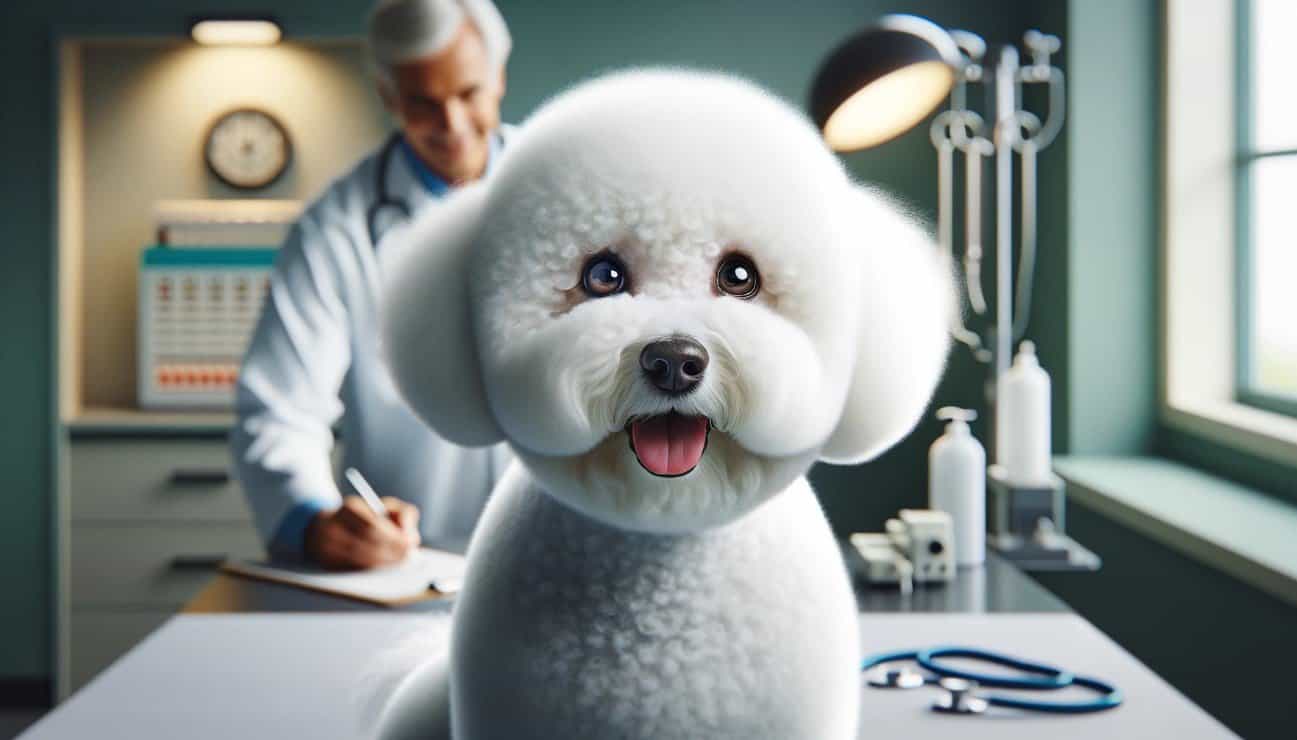
Whether you’re dealing with a Bichon Frise eye infection, disease, or just want to learn more about their eye care, this article is for you. With my experience and expertise, I’ll guide you through the ins and outs of Bichon Frise Eye Health, offering practical solutions and advice. So, let’s get started on our journey to keep those puppy eyes sparkling!
Understanding Breed Specific Eye Structure
If you’re a proud parent of a Bichon Frise, then you know that their enchanting, expressive eyes are one of their most captivating features. However, to ensure the health and happiness of your fluffy friend, it’s essential to understand the unique structure of their eyes and how it may affect their eye health.
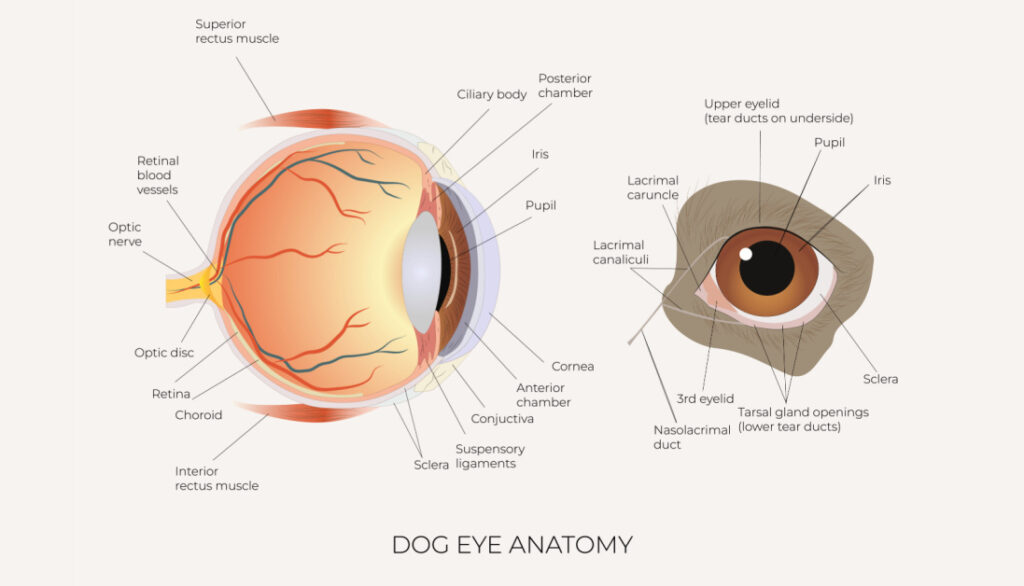
The Bichon’s eyes are surrounded by a dense, curly coat. While this fur can make them look adorable, it can also trap dust, debris, and allergens, leading to eye irritations or infections. Furthermore, the Bichon Frise has a shallow eye socket compared to some other breeds, which means their eyes protrude slightly. This can make their eyes more vulnerable to injuries or ulcers.
Moreover, Bichons have a third eyelid, also known as the nictitating membrane, which is more prominent than in some breeds. This eyelid plays a crucial role in protecting the eye and producing tears. However, it can also be affected by certain conditions such as cherry eye, a condition where the gland of the third eyelid prolapses and becomes visible.
Understanding the unique eye structure of your Bichon Frise is the first step toward maintaining their eye health. By being aware of their specific eye features and potential vulnerabilities, you can take proactive measures to ensure your furry friend’s eyes remain bright, clear, and healthy. After all, as the saying goes, “the eyes are the window to the soul,” and this couldn’t be truer for our beloved Bichon Frises.
Common Eye Issues In Bichon Frise
As a veterinarian, I frequently address concerns about Bichon Frise eye health. This breed is adorable, but prone to several eye conditions. Let’s dive into some of the most common ones:
Cataracts
Cataracts, often confused with the normal aging change called nuclear sclerosis, are one of the most common Bichon Frise eye problems. They can cause cloudiness and vision loss, and in severe cases, lead to blindness. Regular check-ups are crucial in identifying and treating this condition early.
Entropion
Entropion is a condition where the eyelid rolls inward, causing the lashes to rub against the cornea. This can lead to irritation, infection, and even corneal ulcers. In Bichon Frise, this is usually an inherited condition and may require surgical correction.
Distichiasis
Distichiasis is the abnormal growth of eyelashes from the oil gland in the dog’s eye. This can lead to discomfort, corneal ulcers, or even Bichon Frise eye infection. The treatment depends on the severity, ranging from plucking the eyelashes to surgical intervention.
Progressive Retinal Atrophy (PRA)
PRA is a group of genetic diseases that cause the retina’s gradual deterioration, leading to blindness. There’s currently no cure for PRA, but early diagnosis can help manage the condition and slow down the progression.
Dry Eye (Keratoconjunctivitis Sicca)
Dry eye is a condition where the dog’s eye doesn’t produce enough tears, leading to dryness, irritation, and potentially scarring. This condition can be managed with medications that stimulate tear production or provide artificial tears.
Preventing Bichon Frise Eye Disease
- Regular vet check-ups: Routine eye exams can catch early signs of eye diseases, allowing for timely treatment.
- Cleanliness: Keeping your Bichon Frise’s eyes clean can prevent infections. Use a soft, damp cloth to gently wipe any discharge.
- Proper grooming: Regular grooming to keep hair out of the eyes can prevent irritation and potential damage.
Remember, your Bichon Frise’s eyes are a window to their health. Regular attention and care can go a long way in maintaining their eye health.

Prevention of Eye Problems
Ensuring your Bichon Frise gets the right nutrients for optimal eye health is essential for maintaining clear vision and preventing age-related issues. Natural, nutrient-rich foods and supplements can play a key role in supporting their eyesight. From vitamin A-packed freeze-dried liver treats to antioxidant-rich blueberries and targeted supplements like Eyeplex by Standard Process, there are several ways to nourish your dog’s eyes. In this section, we’ll explore how these powerful ingredients contribute to long-term vision health and overall well-being.
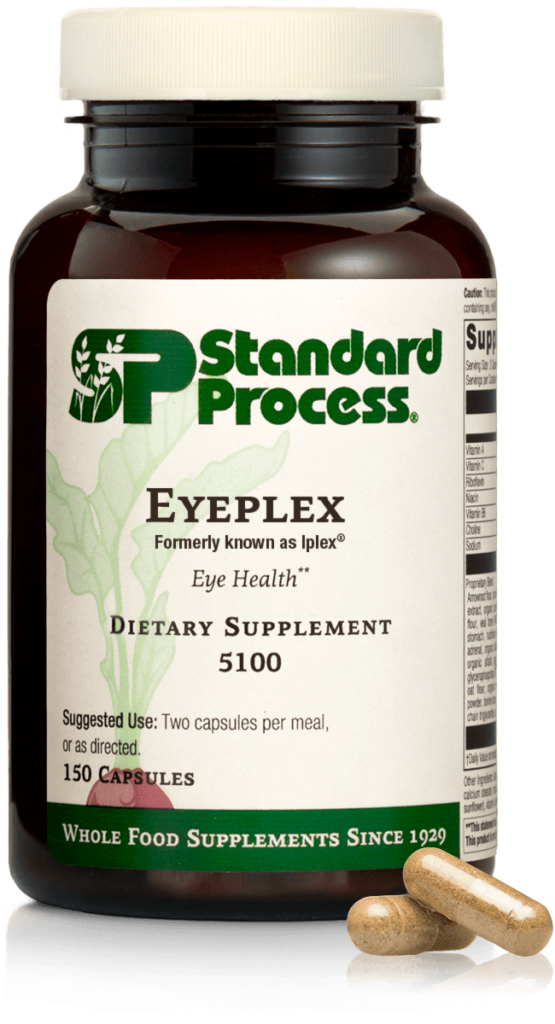
Eyeplex by Standard Process
Eyeplex by Standard Process is a specialized supplement designed to support your Bichon Frise’s eye health with a blend of essential nutrients. Formulated with key vitamins, minerals, and antioxidants, Eyeplex helps protect against oxidative stress, supports retinal function, and promotes overall vision health. Ingredients like vitamin A, vitamin C, and zinc contribute to maintaining strong eyesight, while whole food ingredients provide additional phytonutrients for cellular protection. Adding Eyeplex to your Bichon Frise’s diet can be especially beneficial for aging dogs or breeds prone to eye conditions, offering targeted nutritional support to keep their vision sharp and healthy for years to come.
Freeze-Dried Blueberries
Freeze-dried blueberries are a powerhouse of antioxidants that can help protect your Bichon Frise’s eyes from oxidative stress and age-related damage. Rich in vitamins C and E, as well as anthocyanins, these tiny but mighty berries help combat free radicals that can contribute to eye diseases like cataracts and macular degeneration. Incorporating freeze-dried blueberries into your dog’s diet provides a natural and delicious way to support retinal health, reduce inflammation, and promote overall vision longevity. Plus, they’re a low-calorie, dog-friendly treat that makes a great addition to a balanced diet for long-term eye health.

Freeze-Dried Liver
Freeze-dried liver treats are an excellent natural source of vitamin A, an essential nutrient for your Bichon Frise’s eye health. Vitamin A plays a crucial role in maintaining good vision, especially in low-light conditions, while also supporting overall immune function and skin health. Since liver is rich in bioavailable vitamin A, incorporating freeze-dried liver treats into your dog’s diet provides a convenient and nutritious way to promote optimal eye function. Just be sure to feed them in moderation, as excessive vitamin A can lead to toxicity. Adding these nutrient-packed treats to your pup’s routine is a simple, tasty way to support their long-term vision and well-being!

By prioritizing your Bichon Frise’s eye health through a balanced diet and nutritional supplements, you can help prevent many common eye issues. These simple steps can go a long way in ensuring your pup’s eyes stay healthy and clear for years to come.
It’s important to consult with your vet before starting any new supplement regimen. They can provide guidance on the right types and doses of supplements for your Bichon Frise.
With the right diet and nutritional supplements, you can help prevent many common eye issues in your Bichon Frise, ensuring they have a life filled with clear, healthy vision.
Environmental Hygiene To Reduce Eye Problems
Maintaining a clean environment for your Bichon Frise is crucial in preventing eye problems. This includes paying attention to the quality of the air indoors and being mindful of the use of sprays, diffusers, candles, and incense.
Indoor Air Quality
Poor indoor air quality can lead to a number of health issues for your Bichon Frise, including eye problems. Dust, mold, and other allergens can irritate your dog’s eyes, leading to conditions like conjunctivitis or dry eye.
- Regular Cleaning: Regular dusting and vacuuming can help reduce allergens in your home. Remember to clean your dog’s bedding as well, as it can harbor dust mites and other allergens.
- Air Purifiers: Consider investing in an air purifier to remove harmful particles from the air. Look for a model that’s specifically designed to remove pet dander and other allergens.
- Humidifiers: Dry air can be irritating to your Bichon Frise’s eyes. A humidifier can help maintain a comfortable level of humidity in your home.
Sprays, Diffusers, Candles, Incense
While these items can make your home smell lovely, they can also cause eye irritation in your Bichon Frise.
- Be Mindful of Scents: Strongly scented products can be irritating to your dog’s eyes. Opt for unscented or lightly scented products instead.
- Use in Moderation: If you do use scented products, use them sparingly and in well-ventilated areas.
- Choose Natural Options: Many commercial air fresheners and candles contain chemicals that can irritate your dog’s eyes. Consider natural alternatives like essential oil diffusers or soy-based candles. However, remember that some essential oils can be toxic to dogs, so always do your research before using them.
Remember, Bichon Frise eye health is greatly influenced by their environment. By maintaining a clean, allergen-free home and being mindful of the products you use, you can help prevent eye problems in your beloved pet.
As a responsible pet parent, maintaining the eye health of your Bichon Frise is critical. This breed is prone to certain eye issues, so regular care and maintenance can help prevent problems and ensure your fur baby’s eyes stay bright and clear.
Daily & Weekly Care & Maintenance
Regular eye care is a crucial part of Bichon Frise eye health. Make it a habit to check your pup’s eyes every day for any signs of redness, discharge, or cloudiness. If you notice any of these symptoms, it’s best to consult with your vet as soon as possible.
- Cleaning: Use a soft, damp cloth or a pet-safe eye wipe to gently clean the area around your Bichon’s eyes. This helps to remove any discharge and prevent tear stains.
- Eye Drops: If your vet has prescribed eye drops or ointments, make sure to administer them as directed. This can help treat or prevent specific eye issues.
Weekly eye care can also include a more thorough check of your Bichon’s eyes. Look for any changes in eye color, unusual blinking, or signs of discomfort. If you notice anything unusual, schedule an appointment with your vet.
Monitor Hair Length, Nail Length, and Bath Frequency
Other aspects of your Bichon’s overall grooming can also impact their eye health.
- Hair Length: Keeping the hair around your Bichon’s eyes trimmed can prevent irritation. Long hair can poke into the eye, causing discomfort and potentially leading to infections.
- Nail Length: Regularly trimming your Bichon’s nails is also important. Long nails can scratch the eye area, leading to injuries and infections.
- Bath Frequency: When bathing your Bichon, be careful to avoid getting shampoo or water in their eyes. You can use a vet-approved eye ointment or a damp cloth over the eyes to protect them during bath time.
Maintaining your Bichon Frise’s eye health involves regular care and vigilance. By keeping up with daily and weekly maintenance, monitoring hair and nail length, and being mindful during baths, you can help prevent common eye issues and keep your furry friend’s eyes healthy and clear.
Remember, if you notice any changes in your Bichon’s eyes, it’s always best to consult with a professional. Early detection and treatment can make a big difference in your pet’s eye health.
Frequently Asked Questions
Bichon Frise dogs are prone to various eye conditions, including cataracts, dry eye (keratoconjunctivitis sicca), glaucoma, and progressive retinal atrophy (PRA).
To prevent eye problems in your Bichon Frise, it is important to maintain regular veterinary check-ups, keep their eyes clean and free from debris, and avoid exposing them to irritants such as smoke or chemicals. Additionally, providing a balanced diet rich in essential nutrients can contribute to overall eye health.
The symptoms of eye conditions in Bichon Frise dogs may include redness, excessive tearing, discharge, squinting, cloudiness or opacity in the eyes, frequent blinking, rubbing or pawing at the eyes, and changes in vision or behavior.
Yes, many Bichon Frise eye problems can be treated. The appropriate treatment depends on the specific condition diagnosed by a veterinarian. Treatment options may include medications, eye drops, surgery, or other interventions to manage or correct the underlying issue.
If you notice any signs of eye discomfort or abnormalities in your Bichon Frise, it is recommended to seek veterinary care promptly. Early detection and intervention can help prevent further complications and ensure the best possible outcome for your dog’s eye health.
A note about your dog’s health
This article provides general education and does not replace an examination, diagnosis, or individualized advice from your veterinarian. Contact a veterinary professional if you are concerned about your dog’s symptoms.

ABOUT THE AUTHOR