Category: Dog Dental Health

  • Beauceron Dental Health – Solutions For Bad Breath

    Beauceron Dental Health – Solutions For Bad Breath

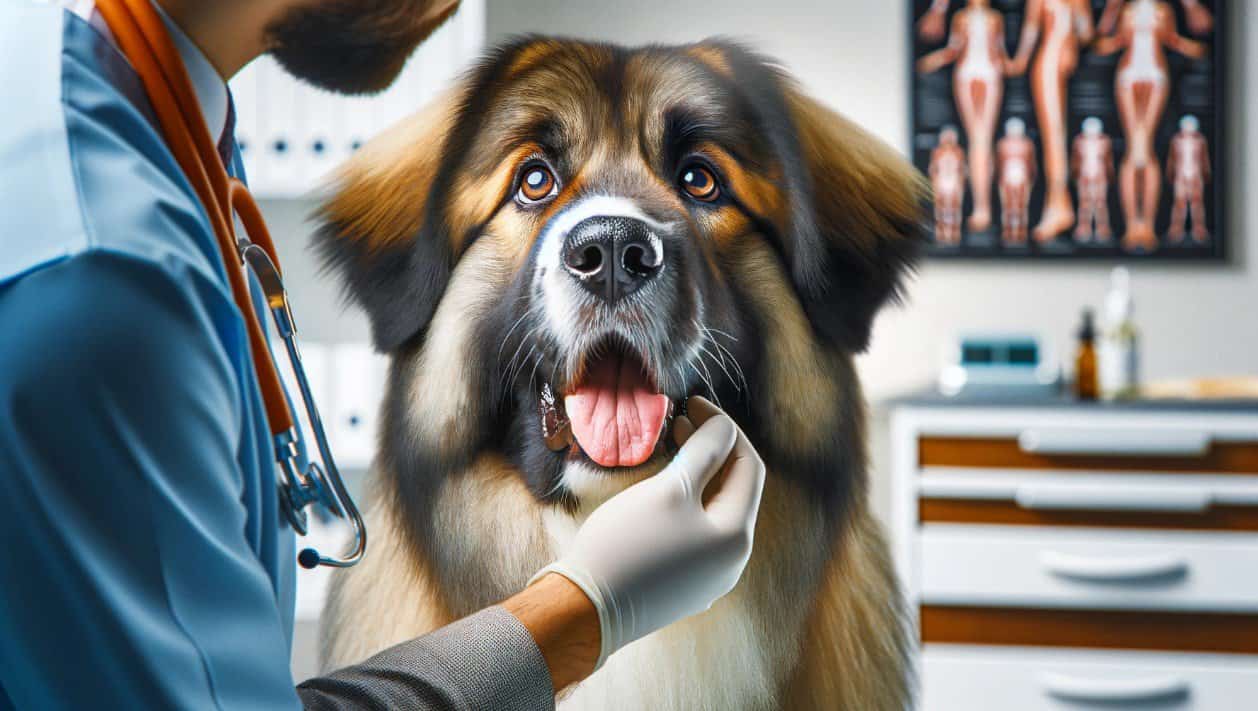
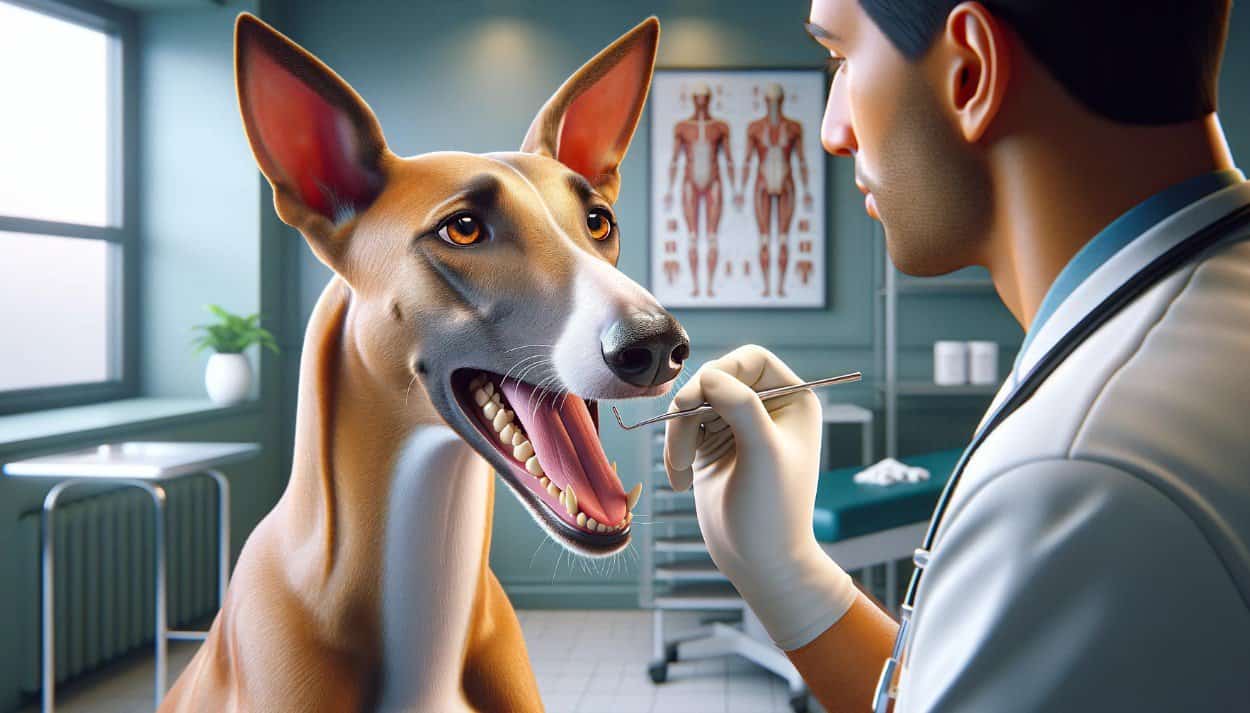
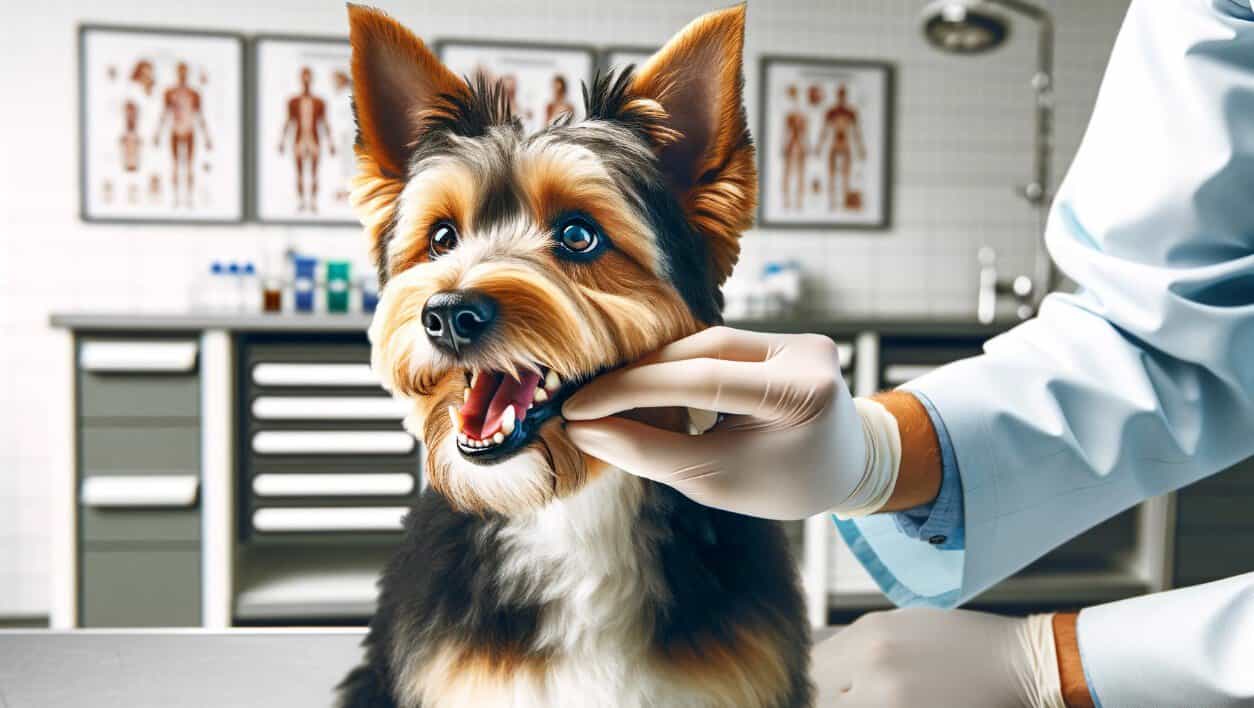
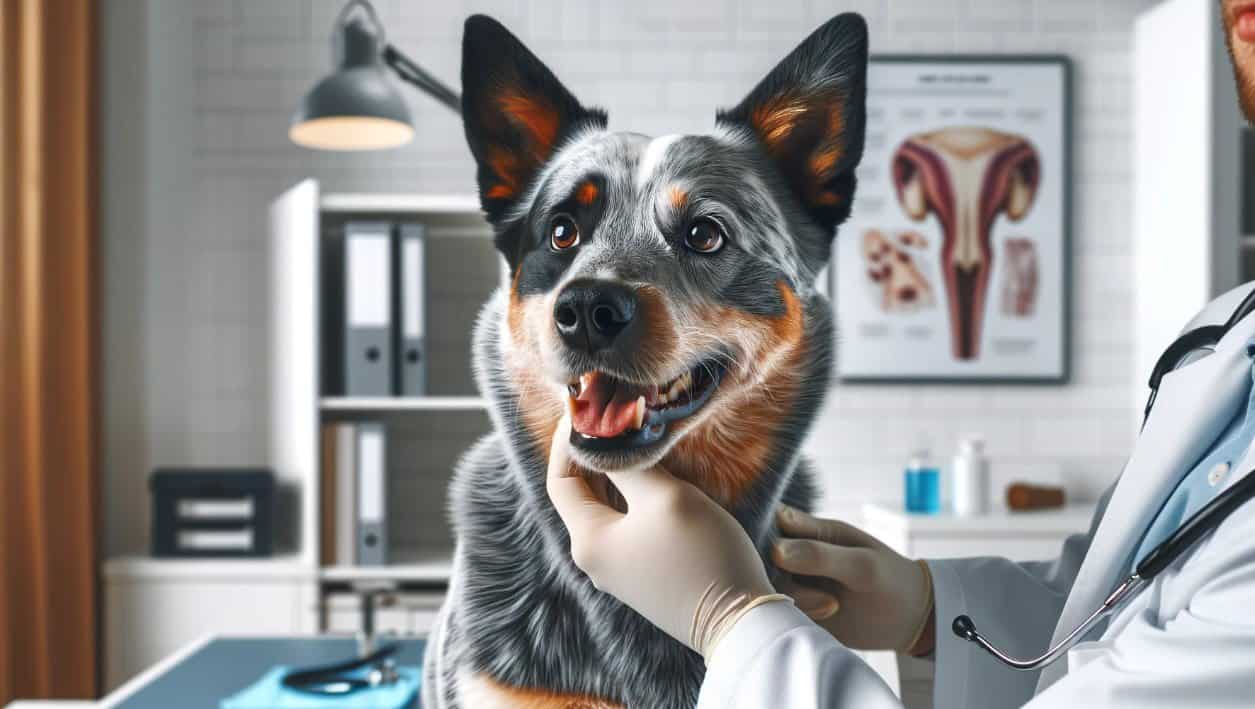
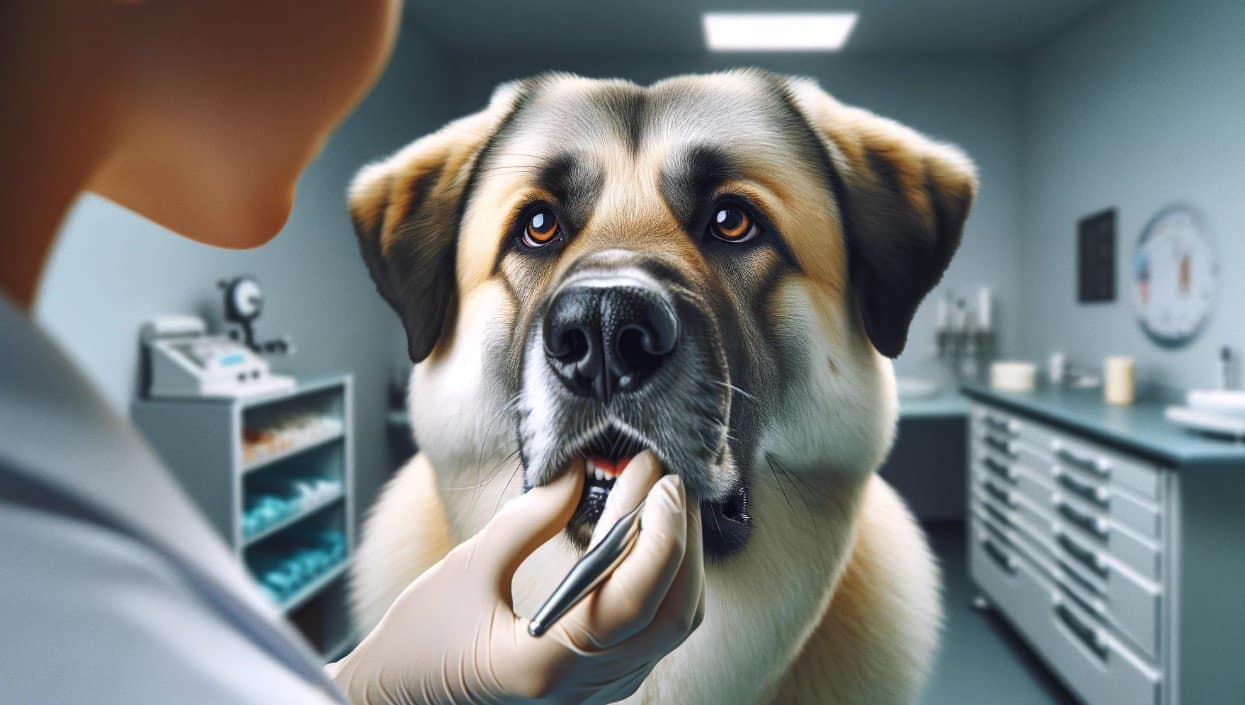
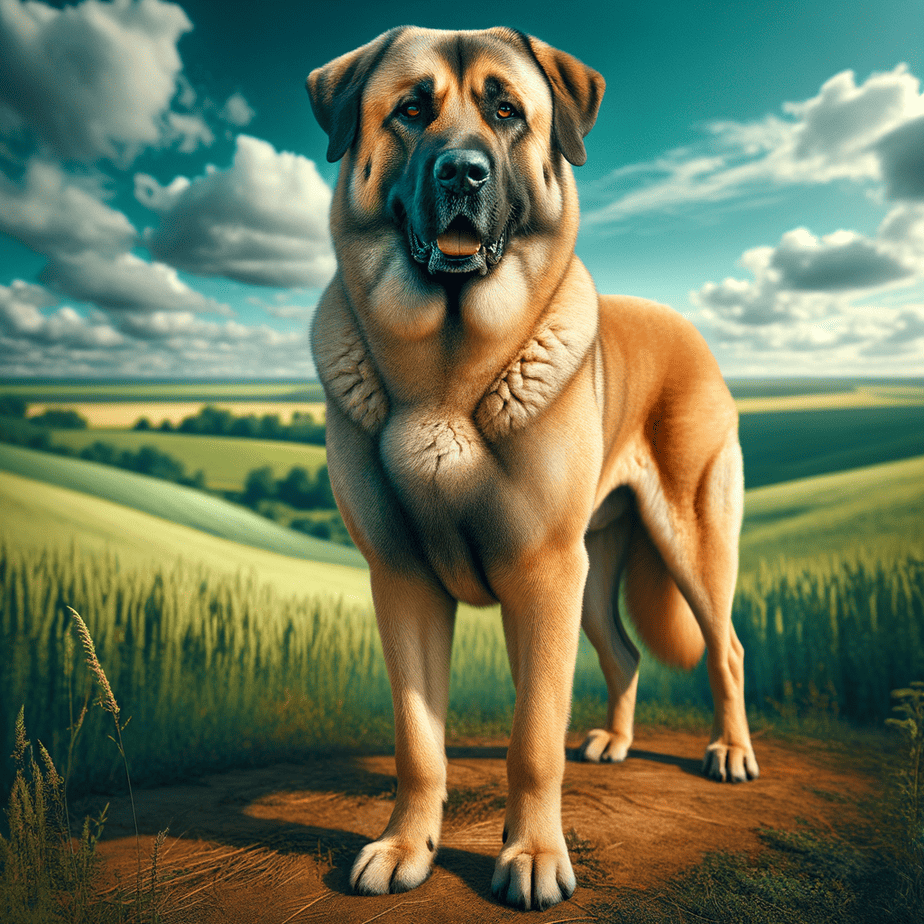
    Hi there, fellow dog lover! I’m Dr. Candy, your friendly holistic veterinarian. Today, let’s talk about a topic that’s close to my heart, and crucial for our furry friends – Beauceron Dental Health. Now, you might be wondering, “Why is dental health so important for my Beauceron?” Well, let me tell you, dental health is not just about a fresh breath or a shiny smile. It’s a vital part of your dog’s overall health and well-being.
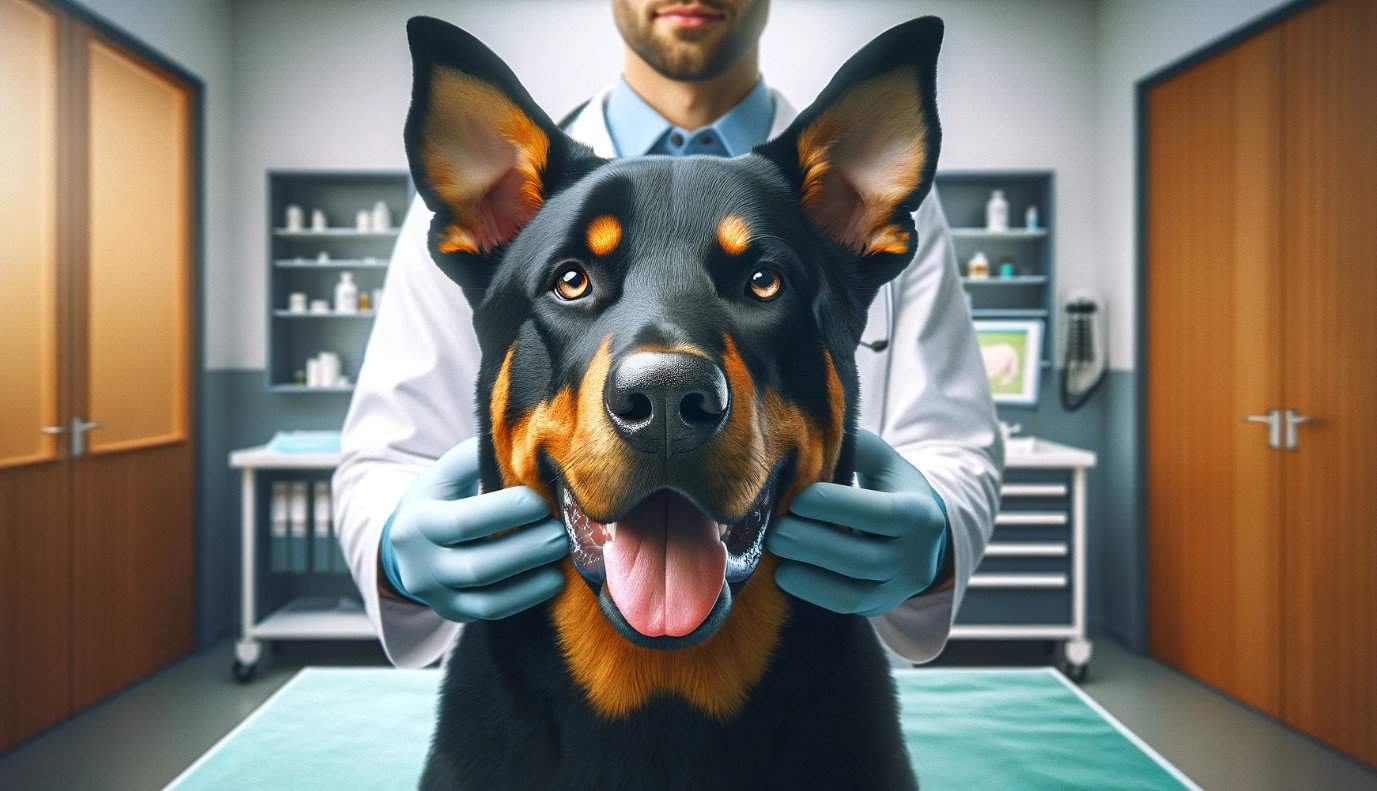
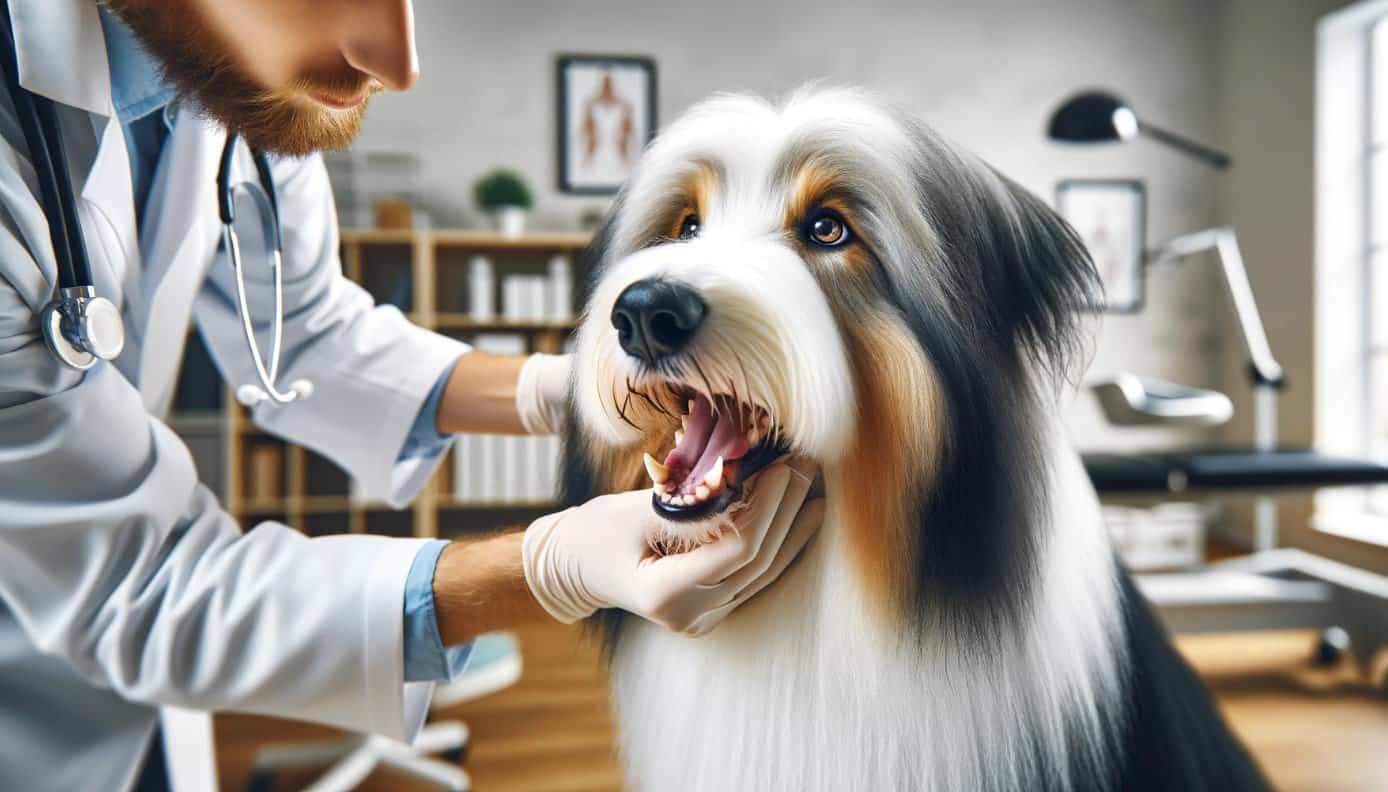
    beauceron dental health

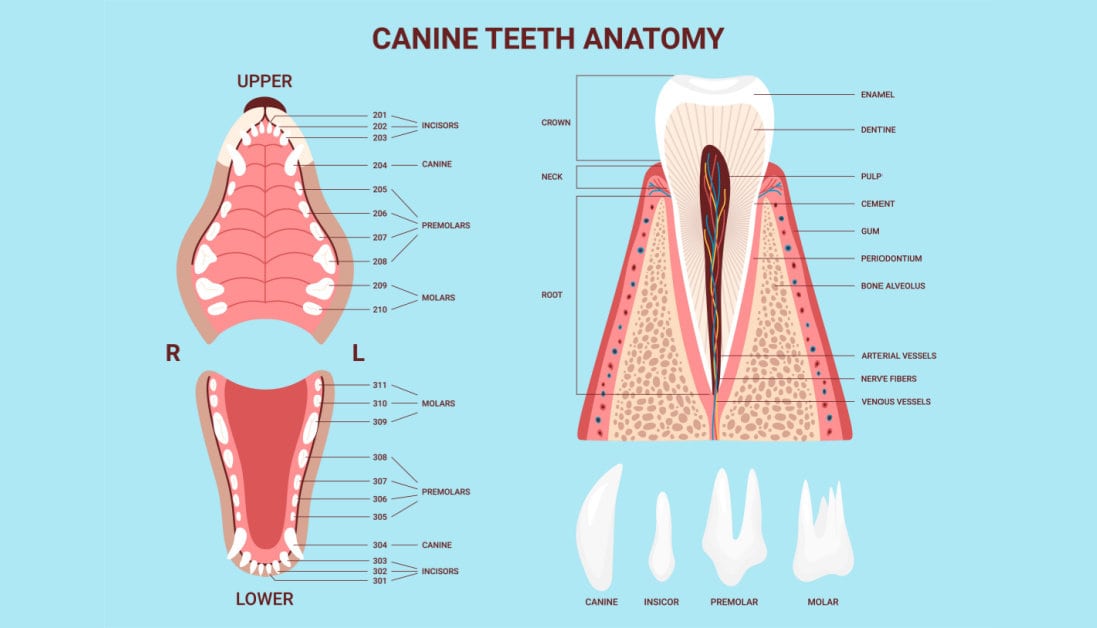
    Just like in humans, poor oral hygiene in dogs can lead to a host of problems, from painful tooth decay to serious systemic diseases. And our Beaucerons are no exception. In fact, due to their specific breed characteristics, they might be more prone to certain dental issues. But don’t worry, I’m here to guide you through the signs of dental disease in Beaucerons, common dental health issues they face, and of course, effective holistic and conventional treatments. So, let’s get started on this journey to ensure your Beauceron’s pearly whites stay healthy and strong!

    Common Signs of Dental Disease in Beaucerons

    As a devoted Beauceron parent, your dog’s well-being is your top priority, right? Well, what if I told you that your furry friend’s dental health is as vital as their physical health? In fact, dental disease in Beaucerons can lead to severe health complications if not detected and treated early. So, let’s dive into the main signs of dental disease in Beaucerons.

    • Bad Breath: Bad breath in dogs is often dismissed as ‘doggy breath.’ However, persistent bad breath could be a sign of dental disease. If you notice your Beauceron’s breath is unusually foul, it’s time to check their mouth.
    • Changes in Eating Habits: If your Beauceron is showing reluctance to eat or having difficulty chewing, it could indicate a dental problem. Pain and discomfort from dental disease can make eating a challenging task for your pup.
    • Excessive Drooling: While some dogs naturally drool more than others, excessive drooling can be a sign of dental disease. If your Beauceron begins to drool excessively or more than usual, it’s time for a dental check-up.
    • Bleeding Gums: Bleeding gums are a serious sign of dental disease in dogs. If you notice blood on your Beauceron’s toys or when you brush their teeth, it could indicate gum disease or other dental problems.
    • Discolored Teeth or Badly Placed Teeth: Yellow or brown stains on your Beauceron’s teeth could indicate tartar build-up, while badly placed teeth can lead to overcrowding and other dental issues.
    • Behavioral Changes: Behavioral changes such as reduced activity, irritability, or depression can also be signs of dental disease. If your normally energetic Beauceron becomes lethargic or less playful, a dental issue could be the cause.

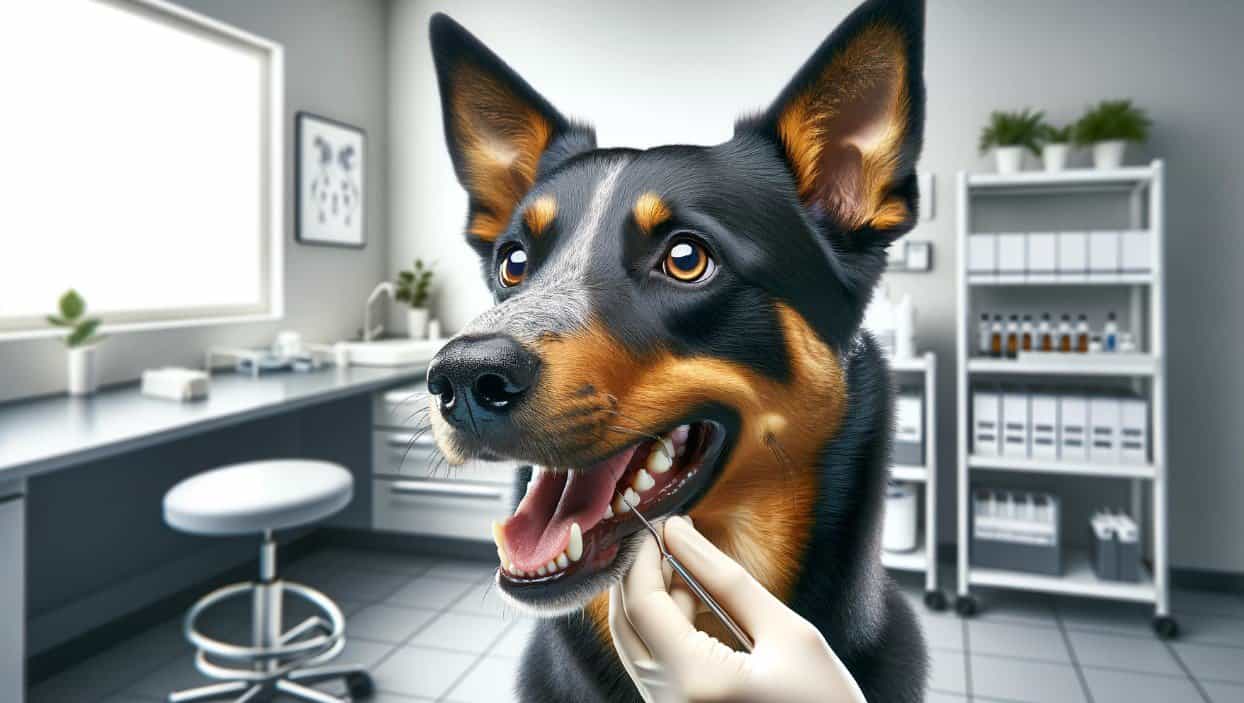
    It’s essential to regularly check your Beauceron’s mouth for these signs and schedule regular dental check-ups with your vet. Remember, early detection is key to preventing serious dental disease and ensuring your Beauceron’s overall health. So, let’s keep those pearly whites shining!
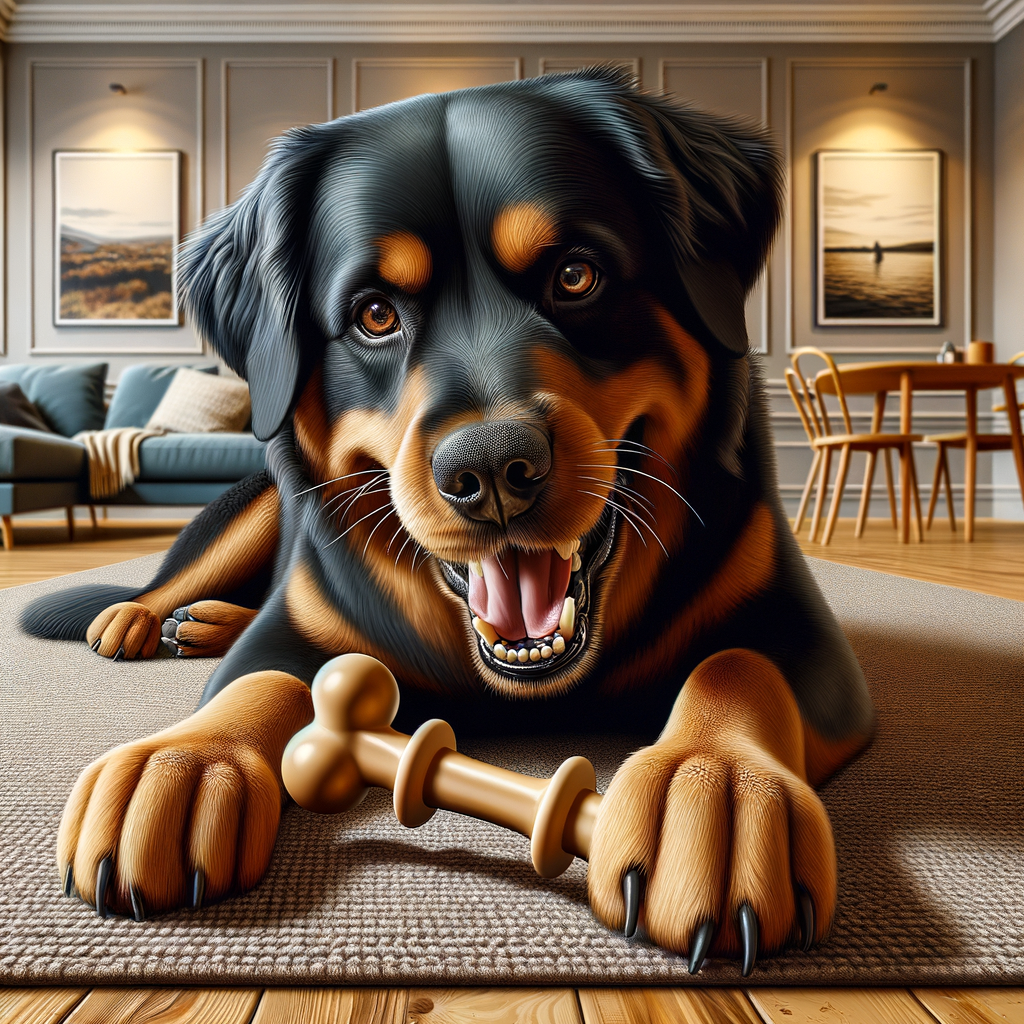
    Beauceron Dental Health

    Common Dental Health Issues In Beauceron

    As a veterinarian, I’ve observed that Beauceron Dental Health can be compromised by several common issues. It’s crucial to recognize these early, as they can lead to more severe problems if left untreated.

    • Periodontal Disease: This is the most common dental problem in Beaucerons. It occurs when plaque and tartar build up on your dog’s teeth and cause inflammation of the gums. If not addressed promptly, it can lead to tooth loss and systemic infections.
    • Broken Teeth: Beaucerons are known for their powerful jaws, which they often use to chew on hard objects. This can result in broken or fractured teeth, leading to pain and potential infection.
    • Oral Tumors: While less common, Beaucerons can develop oral tumors. Regular dental check-ups are crucial in early detection and treatment.

    Ensuring optimal Beauceron Dental Health involves regular at-home dental care and professional dental cleanings. Brushing your Beauceron’s teeth daily, providing them with dental chews, and scheduling regular vet visits for professional cleanings can help prevent these common dental health issues.

    Remember, good oral hygiene is not just about fresh breath and clean teeth. It’s an essential part of your Beauceron’s overall health and well-being.

    Beauceron Dental care

    Dental Health Treatments for Dental Disease

    When it comes to Beauceron Dental Health, conventional dental health treatments are typically the first line of defense. These treatments are aimed at both preventing and curing dental diseases that may afflict your furry friend.

    Anesthetic Dental Cleanings

    The primary form of conventional dental treatment for your Beauceron involves anesthetic dental cleanings. This process allows veterinarians to thoroughly clean your pet’s teeth and gums, remove plaque and tartar, and check for any signs of oral disease. The use of anesthesia ensures your dog is comfortable and pain-free throughout the procedure. However, it’s essential to remember that while this treatment is quite effective, it’s not a one-time solution. Regular cleanings are necessary to maintain your Beauceron’s oral health.

    Potential Individual Health Obstacles

    While anesthetic dental cleanings can be highly beneficial for your Beauceron’s dental health, it’s important to consider potential individual health obstacles. For instance, dogs with heart problems may have issues with anesthesia. Similarly, Beaucerons with drug sensitivities or a history of seizures may also face challenges. Furthermore, anesthesia can be risky for dogs of extreme age. Therefore, it’s crucial to discuss these potential risks with your vet before proceeding with anesthetic dental cleanings.

    In cases where these obstacles exist, alternate treatments may be necessary. This could involve non-anesthetic cleanings or other dental health maintenance practices suitable for your dog’s specific health condition.

    It’s essential to remember that each dog is unique, and so are their dental health needs. As a responsible Beauceron parent, you must understand the importance of regular dental check-ups and cleanings. These not only help maintain your dog’s dental health but also allow early detection of potential issues. After all, prevention is always better than cure.

    So, when it comes to your Beauceron’s dental health, don’t wait for a problem to arise. Regular dental care and check-ups should be part of your dog’s routine care. This way, you can ensure your furry friend always flashes a healthy, bright smile.

    Dr. Candy’s Holistic Approach to Beauceron Dental Health

    When it comes to Beauceron dental health, a holistic approach can be highly beneficial. This means taking into account all factors that contribute to your Beauceron’s overall health, including diet and gut health. Let’s explore Dr. Candy’s holistic approach in detail.

    Diet – Low Carbs, Avoid Added Sugars, Enzymes In Fresh Food

    One of the most significant aspects of your Beauceron’s dental health is their diet. Just like in humans, a diet high in sugars and carbohydrates can lead to dental problems in dogs. These substances can stick to your Beauceron’s teeth, promoting the growth of harmful bacteria that cause plaque and tartar buildup.

    • Low Carbs: A diet low in carbohydrates can help prevent these issues. This means feeding your Beauceron a diet rich in proteins and healthy fats.
    • Avoid Added Sugars: Many commercial dog foods and treats contain added sugars. Always check the ingredient list and opt for products without added sugars.
    • Enzymes In Fresh Food: Fresh foods, especially raw or lightly cooked meats, contain natural enzymes that can help break down food particles and prevent them from sticking to your Beauceron’s teeth.

    Oral Health Specific Probiotics

    Another crucial aspect of a holistic approach to Beauceron dental health is the use of probiotics specifically designed for oral health. These beneficial bacteria can help maintain a healthy balance of microorganisms in your Beauceron’s mouth, preventing the overgrowth of harmful bacteria that cause dental disease.

    I highly recommend Probiora for Dogs, an oral health targeted probiotic. This product is designed to support your Beauceron’s oral health by introducing beneficial bacteria to their mouth, helping to keep their teeth clean and their breath fresh.

    Remember, your Beauceron’s dental health is a crucial part of their overall well-being. By taking a holistic approach, including a healthy diet and the use of oral health specific probiotics like Probiora, you can help ensure your Beauceron has a healthy, happy mouth.

    Stay tuned for the next section where we’ll delve into recommended dental chews and products for your Beauceron. We’ll discuss why some commercially promoted dental chews fail and share some of Dr. Candy’s top picks for dental chews and products that truly work.

    Beauceron Dental Health

    When it comes to maintaining your Beauceron’s dental health, you might feel tempted to reach for those commercially promoted dental chews. However, it’s important to understand that many of these products are not as healthy as they claim to be. They often contain artificial ingredients, added sugars, and preservatives, which can be harmful to your dog’s overall health and do not effectively clean their teeth.

    Another commonly promoted product for canine dental health is water additives. But did you know these can actually harm the beneficial bacteria in your dog’s gut? It’s best to steer clear of these and focus on more natural, effective solutions.

    So, what should you give your Beauceron to support their dental health? Here are some of Dr. Candy’s top recommendations:

    Tendons

    Tendons are a fantastic natural chew for your Beauceron. They are tough and fibrous, which helps to scrape off plaque and tartar from your dog’s teeth. Plus, they are a good source of protein and collagen, promoting good joint health.
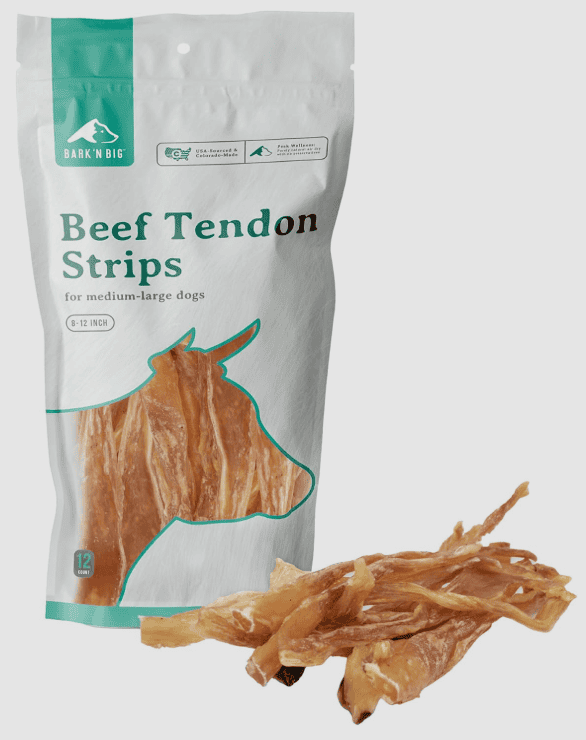
    beef tendons for dog dental health

    Raw Marrow Bones

    Raw marrow bones are another excellent choice for maintaining your Beauceron’s dental health. They are a natural source of calcium and phosphorus, which are essential for healthy teeth and bones. Furthermore, the act of gnawing on bones can help to clean your dog’s teeth and gums.
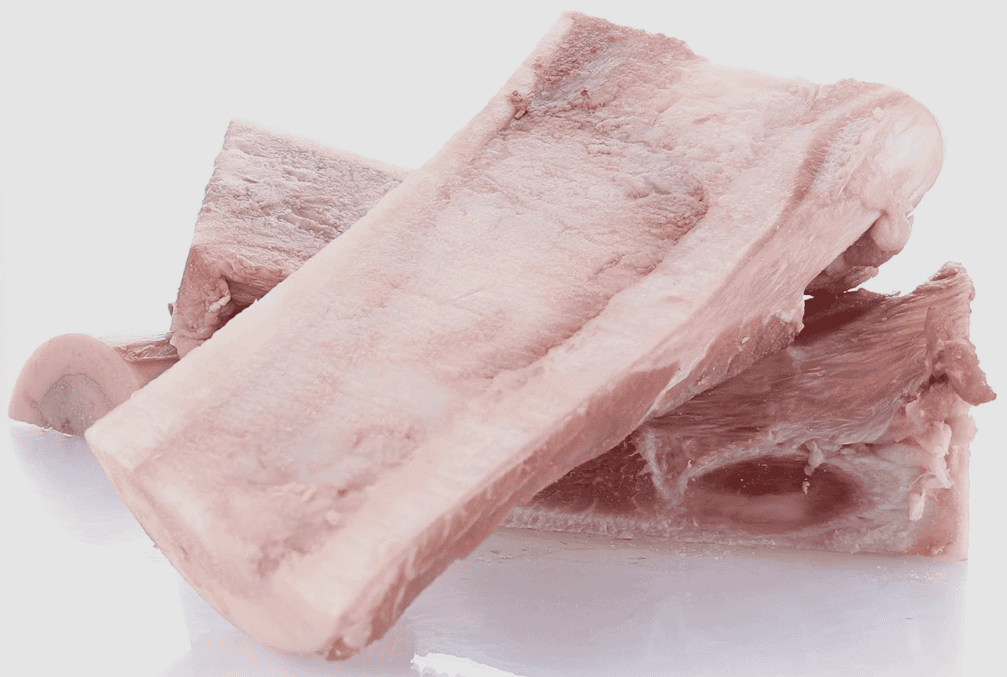
    raw marrow bones for dogs dental health

    Bully Sticks

    Bully sticks are made from 100% beef muscle, providing a natural and digestible chew for your dog. They can effectively remove plaque and tartar and are a good source of protein. However, always supervise your dog while they’re chewing on a bully stick to prevent any choking hazard.

    bully sticks for dog dental health

    Remember, while these chews and products can greatly help maintain your Beauceron’s dental health, they are not a substitute for regular check-ups and teeth cleanings. Always consult with your vet about your pet’s dental health routine.

    With the right care and products, you can ensure your Beauceron’s dental health is in top shape, and they can continue to flash you that beautiful, healthy doggy smile!

    Frequently Asked Questions

    1. What causes bad breath in dogs?

    Bad breath in dogs can be caused by various factors such as poor dental hygiene, gum disease, plaque and tartar buildup, oral infections, or underlying health issues. It is important to address the root cause of bad breath to effectively treat the problem.

    2. How can I improve my Beauceron’s dental health?

    To improve your Beauceron’s dental health and combat bad breath, you can follow these steps:

    • Brush their teeth regularly using a dog-specific toothbrush and toothpaste.
    • Provide dental chews or toys that help remove plaque and tartar.
    • Feed them a balanced diet that promotes good oral health.
    • Schedule regular professional dental cleanings with a veterinarian.

    3. Are there any home remedies for bad breath in Beaucerons?

    While home remedies may provide temporary relief, it is best to consult with a veterinarian for a proper diagnosis and treatment plan. They may recommend specific dental products, oral rinses, or professional cleanings to address the underlying cause of bad breath.

    4. Can bad breath indicate a serious health problem in my Beauceron?

    Yes, persistent bad breath can sometimes indicate an underlying health issue in Beaucerons. It is important to have your dog examined by a veterinarian to rule out any potential problems such as dental infections, periodontal disease, gastrointestinal issues, or metabolic disorders.

    5. How often should I take my Beauceron for a dental check-up?

    It is recommended to take your Beauceron for a dental check-up at least once a year. Regular dental examinations can help detect any dental issues early on and prevent them from worsening. Your veterinarian can advise you on the appropriate frequency based on your dog’s specific needs.

  • Bearded Collie Dental Health – Solutions For Bad Breath

    Bearded Collie Dental Health – Solutions For Bad Breath

    Hey there, fellow dog lover! I’m Dr. Candy, your go-to holistic veterinarian. Today, let’s talk about your Bearded Collie’s dental health. I know, it’s not the most glamorous topic, but it’s a crucial one. You see, dental health is a key component of your Collie’s overall wellbeing. Just like in humans, poor dental hygiene in dogs can lead to serious health issues, including heart disease.

    bearded collie dental health

    Bearded Collies, with their adorable fluffy faces, are prone to certain dental problems, which we’ll be discussing in this article. We’ll also explore conventional treatments, as well as my holistic approach to maintaining your Collie’s pearly whites. I’ll even share my top picks for dental chews and products specifically suited for Bearded Collies.

    So, whether you’re dealing with bad breath, plaque build-up, or more serious dental issues, this comprehensive guide on Bearded Collie Dental Health is here to help. Remember, a healthy mouth equals a healthy, happy Bearded Collie!

    Bearded Collie Dental Health

    Signs of Dental Disease in Bearded Collie

    As a loving parent to a Bearded Collie, it’s crucial to know the signs of dental disease. Just like humans, our furry friends can suffer from a range of dental health issues. The key to preventing serious complications is early detection and prompt treatment. Here, we’ll delve into the telltale signs of dental disease in your Bearded Collie, so you can ensure they maintain a happy and healthy smile.

    Firstly, bad breath is more than just a nuisance—it’s often the first sign of dental disease. While it’s normal for your dog to have a certain doggy breath, an unusually foul odor might indicate a problem. Next, look out for changes in your Bearded Collie’s eating and chewing habits. If they’re eating less, dropping food, or chewing on one side, it could be due to oral discomfort.

    Other signs include a sudden change in behavior, such as becoming more withdrawn or aggressive. Your pet might paw at their mouth or shake their head excessively. These could be indications of oral pain. Additionally, visible tartar buildup, red or swollen gums, and loose or missing teeth are clear signs of dental disease.

    Don’t forget to pay attention to changes in your Bearded Collie’s drooling habits too. While some dogs are naturally more drooly, excessive drooling, especially if it’s tinged with blood, can be a sign of oral health issues.

    Remember, Bearded Collies are known for their playful and lively nature. Any deviation from their normal behavior may indicate they are in discomfort. As a responsible dog parent, it’s crucial to familiarize yourself with these signs and monitor your pet’s oral health regularly. Regular check-ups with your vet are also a must to keep your Bearded Collie’s dental health in check.

    Now that you know the signs of dental disease in Bearded Collie, you can take proactive steps to ensure your beloved pet’s oral health. Your vigilance combined with regular professional care can help prevent dental diseases and keep your Bearded Collie’s smile bright and healthy!

    Common Dental Health Issues In Bearded Collie

    When it comes to Bearded Collie dental health, there are several common issues that you, as a pet parent, should be aware of. This breed is prone to specific dental diseases, just like any other dog breed. Understanding these can help you take proactive steps to maintain your furry friend’s oral health.

    • Periodontal Disease: This is the most common dental issue in Bearded Collies. It begins with plaque accumulation on the teeth, leading to inflamed gums and bad breath. If left untreated, it can cause tooth loss and serious health complications.
    • Gingivitis: This is an early stage of periodontal disease and is characterized by red, swollen gums. It’s reversible with proper dental care, but if ignored, it can progress to a more severe condition.
    • Broken Teeth: Bearded Collies love to chew, and this can lead to fractured or broken teeth. These can be painful and cause infections if not treated promptly.

    It’s important to remember that these issues can be prevented with regular dental check-ups and good oral hygiene practices at home. Early detection is key to maintaining your Bearded Collie’s dental health, so don’t skip those vet appointments!

    Next, we’ll explore conventional dental health treatments for Bearded Collies and how they can help address these common issues. Stay tuned!

    Bearded Collie Dental care

    When it comes to Bearded Collie Dental Health, there are several conventional treatment methods that you can utilize to keep your furry friend’s teeth clean and healthy. One of the key procedures is the anesthetic dental cleaning.

    Anesthetic Dental Cleanings

    Anesthetic dental cleanings are considered the gold standard in pet dental care. This process involves placing your bearded collie under general anesthesia. The dental professional can then thoroughly clean below the gumline, where most dental disease occurs. They also have the opportunity to take x-rays and assess the health of the tooth roots and jawbone. Despite the benefits, it’s important to note that there are risks associated with anesthesia, especially for dogs with heart problems, drug sensitivities, seizures, or extreme age. Therefore, it is crucial to discuss these risks with your vet to ensure your collie’s safety.

    Potential Individual Health Obstacles

    When considering anesthetic dental cleanings, you should be aware of potential individual health obstacles. Some Bearded Collies may have heart conditions, making anesthesia riskier. Drug sensitivities can lead to adverse reactions, while seizures can be triggered by certain anesthetic agents. If your Bearded Collie is of extreme age, the risks associated with anesthesia may outweigh the benefits of a dental cleaning.

    It’s important to discuss your dog’s overall health with your vet. They can perform tests to assess your dog’s risk and may suggest alternative treatments if anesthesia is deemed too risky. For instance, some vets may recommend non-anesthetic dental cleanings for older dogs or those with heart conditions. However, these cleanings are not as thorough and cannot clean below the gumline, so they should not be the sole method of dental care.

    Remember, your Bearded Collie’s dental health is a crucial part of their overall wellbeing. Regular cleanings, whether anesthetic or non-anesthetic, combined with at-home care, can help keep your dog’s mouth healthy and their breath fresh.

    Next, we will discuss Dr. Candy’s holistic approach to oral and dental health, which includes dietary considerations and the use of oral health-specific probiotics. Stay tuned for more tips on how to maintain your Bearded Collie’s sparkling smile!

    Dr. Candy’s Holistic Approach to Dental Health

    As a devoted Bearded Collie parent, I understand that your dog’s dental health is a top priority. That’s why I’m excited to share Dr. Candy’s holistic approach to oral and dental health for Bearded Collies. This approach focuses on two main areas: diet and oral health specific probiotics.

    Diet – Low Carbs, Avoid Added Sugars, Enzymes In Fresh Food

    One of the key components of maintaining your Bearded Collie’s dental health is their diet. A diet low in carbohydrates and free from added sugars can help prevent dental issues.

    • Low Carbs: High-carbohydrate diets can lead to plaque build-up on your dog’s teeth. This can result in tartar formation, which can lead to periodontal disease. By feeding your Bearded Collie a diet low in carbohydrates, you can help reduce the risk of these dental issues.
    • Avoid Added Sugars: Added sugars are not only unhealthy for your dog’s overall health, but they can also contribute to dental problems. Sugars can stick to your dog’s teeth, providing a food source for bacteria and leading to plaque formation.
    • Enzymes In Fresh Food: Fresh foods, such as raw fruits and vegetables, contain natural enzymes that can help clean your dog’s teeth and promote good oral health. Consider adding fresh foods like apples, carrots, and celery to your Bearded Collie’s diet.

    Oral Health Specific Probiotics

    Another important aspect of Dr. Candy’s holistic approach to dental health is the use of oral health specific probiotics. Probiotics are beneficial bacteria that can help maintain a healthy balance of microorganisms in your dog’s mouth.

    I highly recommend Probiora for Dogs, an oral health targeted probiotic. This product is specifically designed to support your dog’s oral microbiome, helping to keep their teeth and gums healthy. Just like with humans, a balanced oral microbiome in dogs can help prevent dental disease and bad breath.

    Remember, maintaining your Bearded Collie’s dental health doesn’t have to be a chore. With a proper diet and the right supplements, you can help ensure your furry friend’s mouth stays healthy and clean. After all, a healthy mouth is a happy mouth!

    Bearded Collie Dental Health

    When it comes to Bearded Collie dental health, one of the most common misconceptions is that commercially promoted dental chews are the best solution. Sadly, not all dental chews are created equal, and many of the commercial options are packed full of unhealthy ingredients that can do more harm than good. They often contain artificial colors, flavors, and preservatives which can negatively impact your pet’s overall health and do not effectively clean your Bearded Collie’s teeth as they promise.

    Another commonly recommended product for maintaining oral health in dogs are drinking water additives. While they might seem like a quick fix, they can actually harm the beneficial bacteria in your dog’s gut. These bacteria play a crucial role in digestion, immune function, and overall health, so it’s essential to keep them balanced.

    So, what should you use instead? Here are some recommended dental chews and products that are not only healthier but also more effective in promoting good oral health in your Bearded Collie:

    Tendons

    Tendons are a fantastic natural chew for your Bearded Collie. They are tough and fibrous, which helps to scrape off plaque and tartar from your dog’s teeth. Plus, they are a good source of protein and collagen, promoting good joint health.

    beef tendons for dog dental health

    Raw Marrow Bones

    Raw marrow bones are another excellent choice for maintaining your Bearded Collie’s dental health. They are a natural source of calcium and phosphorus, which are essential for healthy teeth and bones. Furthermore, the act of gnawing on bones can help to clean your dog’s teeth and gums.

    raw marrow bones for dogs dental health

    Bully Sticks

    Bully sticks are made from 100% beef muscle, providing a natural and digestible chew for your dog. They can effectively remove plaque and tartar and are a good source of protein. However, always supervise your Bearded Collie while they’re chewing on a bully stick to prevent any choking hazard.

    bully sticks for dog dental health

    Remember, maintaining your Bearded Collie’s dental health is a multifaceted approach that includes a balanced diet, regular vet checks, and effective oral hygiene practices. Using the right chews and products can make a world of difference in your pet’s oral health and overall wellbeing.

    Frequently Asked Questions

    1. How can I prevent bad breath in my Bearded Collie?

    Regular brushing of your Bearded Collie’s teeth is essential to prevent bad breath. Use a dog-specific toothbrush and toothpaste to clean their teeth at least 2-3 times a week. Additionally, providing dental chews or toys can help remove plaque and freshen their breath.

    2. What are some signs of dental problems in Bearded Collies?

    Some common signs of dental problems in Bearded Collies include bad breath, swollen or bleeding gums, yellow or brown tartar buildup, difficulty eating, pawing at the mouth, and excessive drooling. If you notice any of these signs, it is important to consult a veterinarian.

    3. Can diet affect my Bearded Collie’s dental health?

    Absolutely! Feeding your Bearded Collie a balanced diet that includes high-quality dog food can contribute to their dental health. Dry kibble can help remove plaque as they chew, while some specially formulated dental diets can also promote oral hygiene.

    Yes, there are several dental care products recommended for Bearded Collies. Look for toothbrushes and toothpaste designed specifically for dogs. Additionally, dental chews, water additives, and oral gels can be beneficial in maintaining their dental health. Always choose products that are safe for dogs and consult your veterinarian for recommendations.

    5. How often should I take my Bearded Collie for professional dental cleanings?

    Professional dental cleanings should be done by a veterinarian at least once a year. However, the frequency may vary depending on your Bearded Collie’s individual dental health and the recommendation of your veterinarian. Regular check-ups will help identify if more frequent cleanings are necessary.

  • Beagle Dental Health – Solutions For Bad Breath

    Beagle Dental Health – Solutions For Bad Breath

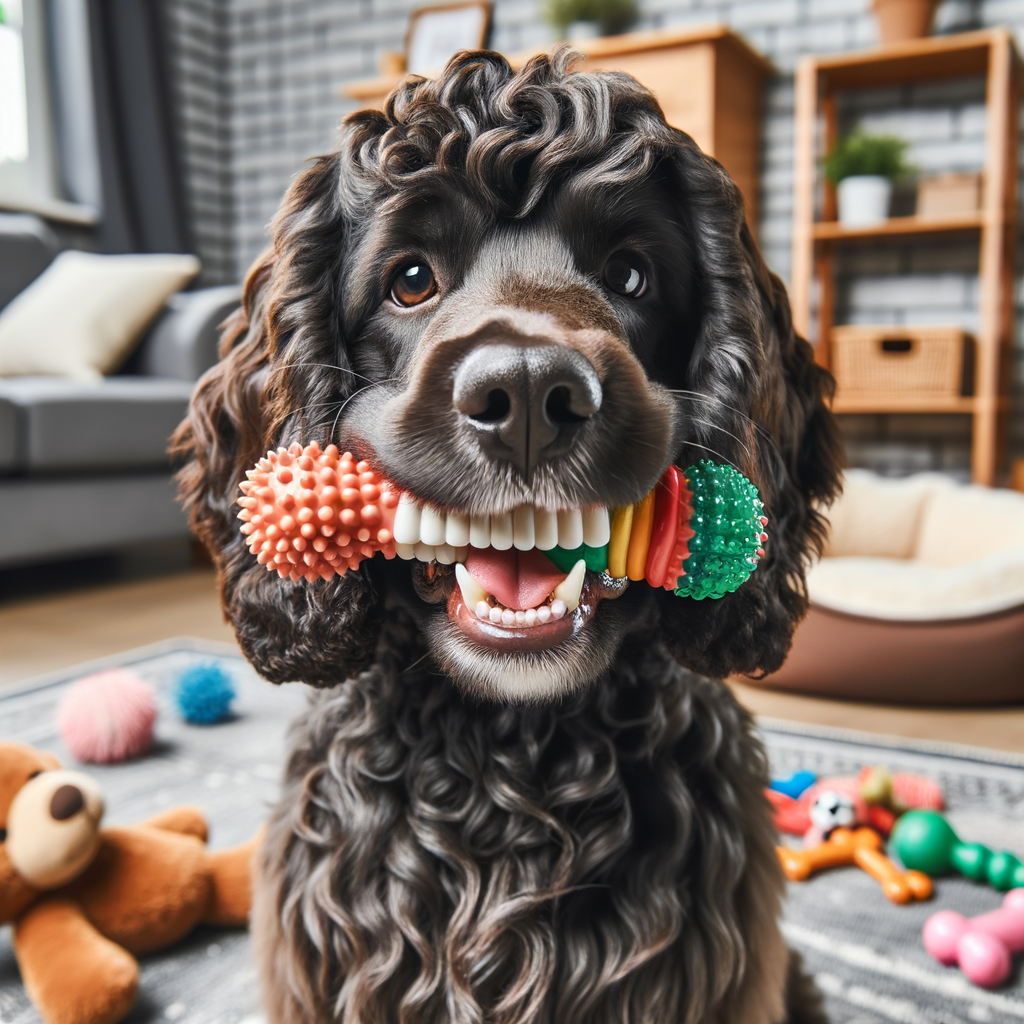
    Hi there, I’m Dr. Candy, your friendly holistic veterinarian. Today, we’re going to talk about a topic that’s close to my heart – Beagle Dental Health. You see, our furry friends’ oral hygiene is just as important as ours. In fact, dental health is directly linked to a dog’s overall wellbeing.

    beagle dental health

    Beagles, with their adorable floppy ears and expressive eyes, are prone to certain dental issues that can affect their quality of life. As a pet parent, it’s crucial to know the signs of dental disease in Beagles and understand the best ways to prevent and treat these conditions.

    From conventional treatments to my holistic approach, I’ll guide you through everything you need to know about Beagle teeth care. I’ll also share my recommended dental chews and products that can help keep your Beagle’s pearly whites in top shape. So, let’s get started on this journey towards better oral health for your beloved Beagle!

    Beagle Dental Health

    Signs of Dental Disease in Beagles

    As a holistic veterinarian, I know how important it is to keep an eye on your Beagle’s dental health. This breed is known for its propensity for dental issues, and early detection can make all the difference. Here are some signs of dental disease in Beagles that you should be aware of.

    Firstly, bad breath is often the most noticeable sign that your Beagle may have dental health issues. While it’s normal for dogs to have a certain doggy breath, a strong, unpleasant odor can indicate a problem. This is not just a social issue – bad breath in dogs can be a sign of serious underlying health conditions.

    Another common sign of dental disease in Beagles is a change in eating or chewing habits. If your Beagle is avoiding hard food, chewing on one side of their mouth, or dropping food while eating, it could be a sign of dental discomfort. Similarly, excessive drooling or pawing at the mouth can also indicate a dental issue.

    Physical changes to your Beagle’s mouth can also be a sign of dental disease. This can include discolored, broken, or missing teeth, red or swollen gums, and tartar buildup. Regularly checking your Beagle’s mouth can help you spot these changes early.

    Finally, changes in behavior can be a sign of dental disease in Beagles. This can include being less playful, showing signs of aggression, or hiding, especially around meal times. Dental pain can be very uncomfortable for your Beagle and can cause changes in their behavior.

    As a responsible Beagle parent, being aware of these signs of dental disease can help you catch any issues early and get your furry friend the help they need. Remember, prevention is always better than cure, so regular dental check-ups and good oral hygiene are key to maintaining your Beagle’s dental health.

    Remember: Beagle Dental Health is not just about keeping their teeth clean – it’s about keeping them happy and healthy!

    Common Dental Health Issues In Beagles

    As a veterinarian, I’ve had numerous encounters with Beagle Dental Health issues. Beagles, like other breeds, are susceptible to a variety of oral health problems. Here are a few common ones:

    • Periodontal Disease: This is the most prevalent dental issue in Beagles. It starts with plaque buildup, which hardens into tartar if not removed. This can lead to gum disease and tooth loss if left untreated.
    • Broken Teeth: Beagles love to chew, and this can sometimes lead to broken or fractured teeth. It’s essential to provide safe chew toys and monitor their play to prevent this.
    • Bad Breath: While it’s common for dogs to have less than fresh breath, extremely bad breath in your Beagle could indicate underlying dental issues.
    • Oral Tumors: Beagles are prone to developing oral tumors. Regular dental check-ups can help identify any abnormal growths early on.

    Understanding these common Beagle Dental Health issues is the first step towards prevention. Regular teeth cleanings, both at home and professionally, along with a balanced diet, can go a long way in maintaining your Beagle’s oral health. Remember, early detection is key, so if you notice any changes in your Beagle’s mouth or behavior, schedule a vet visit right away.

    Beagle Dental care

    Conventional Dental Health Treatments

    When it comes to Beagle Dental Health, there is a range of conventional treatments that can be employed to keep your furry friend’s teeth in the best possible condition. Let’s discuss two of the most common solutions.

    Anesthetic Dental Cleanings

    Anesthetic dental cleanings are a standard method used to thoroughly clean a Beagle’s teeth. Under general anesthesia, a veterinarian can perform a deep clean, removing plaque and tartar build-up that could lead to serious dental diseases. This procedure not only cleans the visible part of the teeth but also under the gum line where most dental problems begin.

    While anesthetic dental cleanings are highly effective, they do come with certain risks. Beagles, like any breed, have the potential for health obstacles that could complicate anesthesia. These can include heart problems, drug sensitivities, or a history of seizures. In these cases, the vet may recommend alternative treatments or additional precautions. Furthermore, extreme age might also make anesthesia riskier. Always consult with your vet to weigh the benefits and risks.

    Potential Individual Health Obstacles

    Every Beagle is unique, and so are their health conditions. It’s important to understand that certain health issues can impact your Beagle’s dental health and the suitability of treatments. For instance, Beagles with heart problems might need special care during dental procedures to avoid unnecessary stress on their heart.

    Drug sensitivities can also pose a challenge. Beagles may react adversely to certain medications used during dental procedures, including anesthesia. Seizures can also complicate matters as they can be triggered by stress or certain medications.

    Lastly, age is a significant factor in dental health. Older Beagles may have more dental issues and could be at a higher risk during anesthetic procedures. Therefore, it’s crucial to have a comprehensive understanding of your Beagle’s overall health before deciding on any dental treatment.

    Remember, the ultimate goal is to ensure your Beagle’s dental health without compromising their overall wellbeing. Keep in close communication with your vet, ask questions, and make sure you understand all the pros and cons of each treatment option. After all, your Beagle’s pearly whites are worth it!

    Dr. Candy’s Holistic Approach To Oral & Dental Health

    As a pet parent, it’s crucial to take a comprehensive approach to your Beagle’s dental health. This means going beyond conventional treatments and considering holistic methods as well. Dr. Candy, a renowned veterinary dentist, recommends a two-pronged holistic approach: a healthy diet and the use of oral health specific probiotics.

    Diet- Low Carbs, Avoid Added Sugars, Enzymes In Fresh Food

    One of the most significant factors affecting your Beagle’s dental health is their diet. Foods high in carbs and added sugars can lead to plaque build-up and, eventually, dental disease. Instead, opt for low-carb, sugar-free foods that promote oral health.

    • Low-carb foods: Foods like lean meats, vegetables, and certain fruits are low in carbs and can help maintain your Beagle’s dental health. They also provide the necessary nutrients your dog needs for overall health.
    • Avoid added sugars: Sugary foods are a no-no when it comes to your Beagle’s dental health. They can lead to cavities and other oral health issues. Always check the ingredients of your dog’s food and treats to ensure they’re free from added sugars.
    • Enzymes in fresh food: Fresh foods are packed with natural enzymes that can help break down plaque and tartar. Incorporating fresh fruits and vegetables into your Beagle’s diet can help maintain their dental health.

    Oral Health Specific Probiotics

    Probiotics are beneficial bacteria that can help maintain your Beagle’s oral health. They work by balancing the oral microbiome, which can prevent the growth of harmful bacteria that cause dental disease.

    Dr. Candy recommends Probiora for Dogs, an oral health targeted probiotic. This product is designed specifically for dogs and can help maintain your Beagle’s dental health when used as directed.

    Remember, your Beagle’s dental health is an integral part of their overall well-being. By adopting Dr. Candy’s holistic approach, you can help ensure your Beagle has a healthy mouth and a happy life.

    Beagle Dental Health

    Now, let’s talk about dental chews and products for your Beagle. The market is flooded with a variety of dental chews, many of which are commercially promoted as being beneficial for your pet’s dental health. However, not all of these products deliver on their promises.

    The Failure of Commercially Promoted Dental Chews

    Commercially promoted dental chews often contain a cocktail of artificial ingredients, preservatives, and added sugars. While they might freshen your Beagle’s breath momentarily, they do not effectively combat the root causes of dental disease. Furthermore, these products can be hard on your pet’s stomach and can harm the beneficial bacteria in their gut. This is particularly true for products like drinking water additives, which are marketed as dental care solutions.

    So, what should you use instead to maintain your Beagle’s dental health? Dr. Candy recommends several natural alternatives. These include:

    Tendons

    Tendons are a fantastic natural chew for your Beagle. They are tough and fibrous, which helps to scrape off plaque and tartar from your dog’s teeth. Plus, they are a good source of protein and collagen, promoting good joint health.

    beef tendons for dog dental health

    Raw Marrow Bones

    Raw marrow bones are another excellent choice for maintaining your dog’s dental health. They are a natural source of calcium and phosphorus, which are essential for healthy teeth and bones. Furthermore, the act of gnawing on bones can help to clean your Beagle’s teeth and gums.

    raw marrow bones for dogs dental health

    Bully Sticks

    Bully sticks are made from 100% beef muscle, providing a natural and digestible chew for your Beagle. They can effectively remove plaque and tartar and are a good source of protein. However, always supervise your dog while they’re chewing on a bully stick to prevent any choking hazard.

    bully sticks for dog dental health

    Remember, maintaining your Beagle’s dental health is not just about using the right products. Regular brushing, a healthy diet, and routine vet checks are also crucial. By taking these steps, you can ensure that your Beagle has a healthy, happy smile for years to come.

    Your Beagle’s dental health is in your hands. Use the right products and follow the right practices to keep their teeth clean and healthy. This not only ensures a happy and comfortable life for them but also reduces your trips to the vet.

    Choose wisely and keep that Beagle smile bright!

    Frequently Asked Questions

    1. What causes bad breath in beagles?

    Bad breath in beagles can be caused by various factors such as poor dental hygiene, gum disease, tooth decay, or underlying health issues. It is important to regularly check your beagle’s dental health and address any potential problems.

    2. How can I improve my beagle’s dental hygiene?

    To improve your beagle’s dental hygiene, you can start by brushing their teeth regularly using a dog-friendly toothbrush and toothpaste. Additionally, providing dental chews or toys, feeding a balanced diet, and scheduling professional dental cleanings can help maintain their oral health.

    3. Are there any home remedies for bad breath in beagles?

    While it is always recommended to consult with a veterinarian for proper diagnosis and treatment, some home remedies that may help alleviate bad breath in beagles include adding parsley to their diet, using coconut oil for oil pulling, or providing them with water additives specifically designed for freshening breath.

    4. When should I seek veterinary assistance for my beagle’s bad breath?

    If your beagle’s bad breath persists despite your efforts to improve their dental hygiene, or if you notice other concerning symptoms such as swollen gums, excessive drooling, or difficulty eating, it is advisable to seek veterinary assistance. A professional examination can help identify any underlying dental or health issues.

  • Bavarian Mountain Scent Hound Dental Health – Solutions For Bad Breath

    Bavarian Mountain Scent Hound Dental Health – Solutions For Bad Breath

    Hi there, fellow dog parent! I’m Dr. Candy, a holistic veterinarian, and today, we’re going to talk about something very important – Bavarian Mountain Scent Hound Dental Health. Just like us, our furry friends also need proper dental care to lead a healthy and happy life. Did you know that dental health is not just about fresh breath? Poor dental hygiene can lead to serious health problems in dogs, including heart disease and kidney problems.

    As a proud parent of a Bavarian Mountain Scent Hound, you might be wondering what specific dental issues this breed faces and how to tackle them. Well, you’re at the right place! From common dental health issues to conventional and holistic treatments, we’ll cover it all. We’ll also discuss the best dental chews and products specifically for your Bavarian Mountain Scent Hound. So, let’s get started on this journey to ensure the best oral health for your beloved pet!

    Bavarian Mountain Scent Hound dental health

    Signs of Dental Disease in Bavarian Mountain Scent Hound

    As a concerned parent of a Bavarian Mountain Scent Hound, it’s essential for you to be alert to any changes in your dog’s oral health. Dental disease in dogs, especially in Bavarian Mountain Scent Hounds, can manifest in various ways. Let’s explore some of the common signs of dental disease in your furry friend.

    Bad breath is usually the first sign that something might be wrong. While it’s normal for dogs to have a unique mouth odor, excessively foul breath could indicate a problem. If your hound’s breath starts to smell like something rotten, it’s time to check for dental disease.

    Another sign of dental illness is a change in eating and chewing habits. If your dog appears to be uncomfortable while eating, or if they’re suddenly leaving food uneaten, there might be a dental issue. Similarly, if you notice your dog pawing at their mouth frequently, it could be a sign of discomfort related to dental disease.

    Visible changes in the mouth are also key indicators. Look for red, swollen, or bleeding gums, yellow-brown crust on the teeth (tartar), and broken or loose teeth. Changes in the color or texture of the tongue and the interior of the mouth can also suggest dental problems.

    Behavioral changes can also indicate dental disease in your Bavarian Mountain Scent Hound. If your usually cheerful and active dog becomes lethargic, irritable, or shows signs of depression, it may be due to dental pain.

    Remember, early detection of dental disease can significantly improve your dog’s prognosis. Regularly checking your Bavarian Mountain Scent Hound’s mouth for these signs and scheduling routine dental checkups can help maintain optimal dental health. However, if you notice any of these signs, it’s crucial to consult with a veterinarian immediately for a comprehensive oral examination.

    Bavarian Mountain Scent Hound Dental Health

    As a holistic veterinarian, I always emphasize the importance of preventative care. Regular brushing, a balanced diet, and the right dental chews can go a long way in preventing dental disease in your Bavarian Mountain Scent Hound.

    Don’t wait until your dog is in pain to start caring for their teeth. Bavarian Mountain Scent Hound dental health is a vital aspect of their overall well-being and longevity. Stay vigilant to these signs and take proactive steps to ensure your dog’s toothy grin stays healthy.

    Common Dental Health Issues In Bavarian Mountain Scent Hound

    As a veterinarian, I’ve noticed that Bavarian Mountain Scent Hound Dental Health is a topic often overlooked by many dog parents. This breed, like many others, is susceptible to certain dental health issues. Understanding these common problems can help you maintain your furry friend’s oral health in top shape.

    • Periodontal Disease: This is the most common dental issue in dogs. It occurs when plaque and tartar build-up on your Bavarian Mountain Scent Hound’s teeth, leading to inflamed gums and eventual tooth loss. Regular teeth cleaning can prevent this disease.
    • Halitosis: Also known as bad breath, halitosis can be a sign of underlying dental issues. It’s more than just an unpleasant smell; it could indicate serious health issues like kidney disease or diabetes.
    • Broken Teeth: Bavarian Mountain Scent Hounds are active dogs and love to chew. This can lead to broken or fractured teeth, which can be painful and lead to infection.
    • Oral Tumors: While not as common, oral tumors can occur in any breed, including Bavarian Mountain Scent Hounds. Regular dental check-ups can help detect these early.

    Remember, Bavarian Mountain Scent Hound Dental Health is a crucial part of your dog’s overall well-being. Regular check-ups, a healthy diet, and proper dental care at home can help prevent these common issues. As a vet, I encourage you to prioritize your dog’s dental health as much as their physical health.

    Bavarian Mountain Scent Hound Dental care

    Keeping your Bavarian Mountain Scent Hound’s teeth clean and healthy is paramount to their overall wellbeing. A part of this is understanding the conventional dental health treatments available for your pet.

    Anesthetic Dental Cleanings

    One of the most common treatments for maintaining your Bavarian Mountain Scent Hound’s dental health is anesthetic dental cleanings. This procedure is typically performed by a veterinarian and involves the use of general anesthesia. The dog’s teeth are thoroughly cleaned and polished, and any necessary extractions or treatments are performed. For dogs with severe dental disease, anesthetic dental cleanings can be a lifesaver, eliminating pain and preventing further damage.

    Potential Individual Health Obstacles

    However, not all Bavarian Mountain Scent Hounds are good candidates for anesthetic dental cleanings. Dogs with certain health conditions, such as heart problems, drug sensitivities, or seizures, may be at increased risk during anesthesia. Additionally, dogs of extreme age may also face increased risks. It’s important to discuss your dog’s overall health and any potential risks with your veterinarian before deciding on an anesthetic dental cleaning.

    For instance, dogs with heart problems may have difficulty tolerating the anesthesia, and those with drug sensitivities may have adverse reactions to the medications used. Seizure-prone dogs may experience increased seizure activity, and very old dogs may have a harder time recovering from the anesthesia.

    Even if your Bavarian Mountain Scent Hound doesn’t have these specific health issues, each dog is unique, and what works for one may not work for another. It’s essential to consider your dog’s overall health, age, and lifestyle when choosing the best dental care plan.

    Remember, maintaining your Bavarian Mountain Scent Hound’s dental health is not just about professional cleanings. Consistent at-home care, including regular brushing and the use of dental chews, can go a long way in preventing dental disease. And, of course, regular check-ups with your vet are key to catching any potential issues early.

    In the end, the goal is to ensure that your Bavarian Mountain Scent Hound has a happy, healthy life, with a bright and clean smile to show for it.

    Dr. Candy’s Holistic Approach To Oral & Dental Health

    When it comes to Bavarian Mountain Scent Hound Dental Health, a holistic approach can often yield the best results. Not only does this method consider the overall health of your dog, but it also focuses on preventative measures to keep dental issues at bay. Dr. Candy, a renowned pet health expert, advocates for such an approach.

    Diet: Low Carbs, Avoid Added Sugars, Enzymes In Fresh Food

    One of the key elements of Dr. Candy’s holistic approach is the diet. What your Bavarian Mountain Scent Hound eats plays a crucial role in their dental health. Foods that are high in carbohydrates and sugars can lead to plaque build-up and eventually, tooth decay. Therefore, it’s recommended to opt for a low-carb diet for your hound.

    • Low-carb foods: Foods like lean meats, vegetables, and certain fruits can be a good choice. These not only keep your dog’s teeth clean but also provide essential nutrients.
    • Avoid added sugars: Many commercial dog foods contain added sugars, which can be harmful to your dog’s dental health. Always check the ingredients before purchasing.
    • Enzymes in fresh food: Fresh foods contain natural enzymes that can help clean your dog’s teeth and promote good oral health. Consider adding fresh foods like apples, carrots, and celery to your dog’s diet.

    Oral Health Specific Probiotics

    Another aspect of Dr. Candy’s holistic approach is the use of oral health specific probiotics. Probiotics are beneficial bacteria that can help maintain a healthy balance in your dog’s mouth, preventing the overgrowth of harmful bacteria that can cause dental issues.

    One such probiotic that Dr. Candy recommends is Probiora for Dogs. This probiotic is specifically designed to target oral health, helping to keep your dog’s mouth clean and fresh. Regular use of this probiotic can help prevent bad breath, plaque, and gum disease, contributing to better overall Bavarian Mountain Scent Hound Dental Health.

    Remember, a holistic approach to dental health involves more than just brushing your dog’s teeth regularly. It includes a balanced diet, the use of specific oral health probiotics, and regular vet check-ups. By following Dr. Candy’s approach, you can help ensure that your Bavarian Mountain Scent Hound has a healthy and happy smile!

    Bavarian Mountain Scent Hound Dental Health

    When it comes to maintaining your Bavarian Mountain Scent Hound’s dental health, the market is flooded with commercially promoted dental chews. Yet, these are not always the best choice. Many of these products are loaded with artificial ingredients and additives that can harm your dog’s overall health. What’s worse, they often fail to adequately clean your dog’s teeth and gums, leading to persistent dental issues.

    Another commonly suggested solution is adding dental health additives to your dog’s drinking water. However, this approach can be problematic as well. These additives can harm the beneficial bacteria in your dog’s gut, disrupting their digestive health.

    So, what should you use for your Bavarian Mountain Scent Hound’s dental health? The answer lies in natural, single-source protein chews. These chews not only clean your dog’s teeth effectively but also contribute to their overall health. Here are some of Dr. Candy’s top recommendations:

    Tendons

    Tendons are a fantastic natural chew for your Bavarian Mountain Scent Hound. They are tough and fibrous, which helps to scrape off plaque and tartar from your dog’s teeth. Plus, they are a good source of protein and collagen, promoting good joint health.

    beef tendons for dog dental health

    Raw Marrow Bones

    Raw marrow bones are another excellent choice for maintaining your Bavarian Mountain Scent Hound’s dental health. They are a natural source of calcium and phosphorus, which are essential for healthy teeth and bones. Furthermore, the act of gnawing on bones can help to clean your dog’s teeth and gums.

    raw marrow bones for dogs dental health

    Bully Sticks

    Bully sticks are made from 100% beef muscle, providing a natural and digestible chew for your Bavarian Mountain Scent Hound. They can effectively remove plaque and tartar and are a good source of protein. However, always supervise your dog while they’re chewing on a bully stick to prevent any choking hazard.

    bully sticks for dog dental health

    Remember, regular brushing is also a crucial part of your Bavarian Mountain Scent Hound’s dental health. Pair these natural dental chews with a good dog toothpaste and toothbrush for the best results. Good dental health is essential for your dog’s overall well-being, so make it a priority in their care routine.

    Frequently Asked Questions

    Q: How can I prevent bad breath in my Bavarian Mountain Scent Hound? A: Regular brushing of your dog’s teeth using dog-friendly toothpaste and providing dental chews or toys can help prevent bad breath.

    Q: Are there any specific dental treats suitable for Bavarian Mountain Scent Hounds? A: Yes, there are dental treats specifically designed for dogs, including Bavarian Mountain Scent Hounds, that can help improve their dental health and reduce bad breath. Look for treats with ingredients like chlorophyll or enzymes that aid in freshening breath.

    Q: Can a change in diet help with my dog’s bad breath? A: Yes, switching to a high-quality dog food that promotes dental health and doesn’t contain any artificial additives or fillers can have a positive impact on your Bavarian Mountain Scent Hound’s breath.

    Q: How often should I take my Bavarian Mountain Scent Hound for a professional dental cleaning? A: It is recommended to have your dog’s teeth professionally cleaned by a veterinarian at least once a year. However, the frequency may vary depending on your dog’s individual dental health needs.

    Q: What signs should I look for to determine if my Bavarian Mountain Scent Hound has dental issues? A: Some common signs of dental problems in dogs include bad breath, yellow or brown discoloration on the teeth, swollen or bleeding gums, difficulty eating, and excessive drooling. If you notice any of these signs, it is important to consult with a veterinarian for proper diagnosis and treatment.

  • Basset Hound Dental Health – Solutions For Bad Breath

    Basset Hound Dental Health – Solutions For Bad Breath

    Hi there, fellow pet parent! I’m Dr. Candy, a holistic veterinarian with a passion for helping dogs live their best, healthiest lives. Today, we’re going to chat about a topic that’s often overlooked but incredibly important – Basset Hound Dental Health.

    basset hound dental health

    Did you know that dental health is directly linked to your dog’s overall well-being? Yes, those adorable droopy ears and soulful eyes of your Basset Hound might be what steal your heart, but it’s their teeth that need your attention!

    Just like us, our furry friends can suffer from a variety of dental issues, from bad breath and plaque buildup to more serious conditions like periodontal disease. And Basset Hounds, with their unique jaw structure and tendency to drool, are particularly susceptible to these problems.

    But don’t worry, I’ve got you covered with holistic solutions and tips to ensure your Basset Hound’s pearly whites stay healthy and strong. So, let’s dive into the world of Basset Hound oral care and discover how to keep that doggy grin bright and beautiful!

    Signs of Dental Disease in Basset Hound

    Let’s talk about our beloved Basset Hounds. These adorable canines with their droopy ears and soulful eyes are a joy to have, but they are also prone to dental health issues. Recognizing the signs of dental disease early on can make a world of difference in your Basset Hound’s overall health and quality of life.

    One of the first signs of dental disease is bad breath. While it’s normal for your furry friend to have a certain level of ‘doggy breath’, persistent foul odor could indicate a problem. This could be a sign of bacteria and plaque buildup, leading to gum disease.

    Another sign to look out for is difficulty eating or loss of appetite. If your Basset Hound seems to be avoiding food, dropping food from their mouth, or chewing on one side, it could be due to oral discomfort. Receding gums or changes in the color of gums – from healthy pink to red, white, or even black – are also signs of dental disease.

    Additionally, watch out for excessive drooling or pawing at the mouth. If your Basset Hound is drooling more than usual or seems to be in discomfort, it’s time to take a closer look.

    Lastly, a change in behavior can also be a red flag. If your usually cheerful and playful Basset Hound suddenly becomes quiet, lethargic, or aggressive, it might be due to dental pain.

    It’s important to remember that our Basset Hounds can’t tell us when they’re in pain. As responsible pet parents, we must stay vigilant and regularly check their oral health. Regular dental check-ups with your vet are also crucial in maintaining Basset Hound Dental Health.

    • Bad breath
    • Difficulty eating or loss of appetite
    • Changes in gum color
    • Excessive drooling or pawing at the mouth
    • Change in behavior

    Don’t wait for these signs to manifest before taking action. Prevention is always better than cure. Let’s delve deeper into the common dental health issues that Basset Hounds face and how we can address them in the next sections.

    Common Dental Health Issues In Basset Hound

    As a veterinarian, I’ve seen many Basset Hound dental health problems. This breed is prone to certain dental issues due to their characteristic droopy lips and long ears, which can trap bacteria and food particles leading to bad breath and other oral problems. Here are some common dental health issues that Basset Hounds often face:

    • Periodontal Disease: This is a common issue in Basset Hounds. It begins with plaque buildup that hardens into tartar. If left untreated, it can lead to gum disease and tooth loss.
    • Halitosis: Also known as bad breath, this is often a sign of a more serious dental health problem in Basset Hounds. It’s usually caused by bacteria buildup in the mouth.
    • Broken Teeth: Basset Hounds love to chew, and this can sometimes lead to broken or fractured teeth. These can cause pain and lead to infections if not treated promptly.

    It’s crucial to be aware of these Basset Hound dental health issues, as early detection can lead to more effective treatment. Regular check-ups and good oral hygiene habits can help keep your Basset Hound’s teeth healthy and prevent these common dental problems. Remember, a healthy mouth leads to a happy and healthy dog.

    Basset Hound Dental care

    Conventional Dental Health Treatments for Basset Hounds

    When it comes to maintaining your Basset Hound’s dental health, there are several conventional treatments you might want to consider. These treatments are usually recommended by vets and are proven to effectively combat dental diseases in your furry friend.

    Anesthetic Dental Cleanings

    One common treatment is anesthetic dental cleanings. This method involves putting your Basset Hound under anesthesia to allow the vet to thoroughly clean the teeth and gums. This process can help remove plaque, tartar, and bacteria that might be causing bad breath or other dental problems. It’s a more intensive treatment and is typically recommended for severe cases or as a regular preventive measure.

    Potential Individual Health Obstacles

    However, while anesthetic dental cleanings can be effective, they’re not suitable for all Basset Hounds. Some dogs may face individual health obstacles that make this treatment risky. For instance, Basset Hounds with heart problems might not be good candidates for anesthesia. Similarly, dogs with drug sensitivities, a history of seizures, or those of extreme age may also face increased risks.

    Before proceeding with anesthetic dental cleanings, it’s crucial to discuss your Basset Hound’s overall health with your vet. They can provide guidance on whether this treatment is safe and beneficial for your dog or if alternative methods should be considered.

    Remember, when it comes to your Basset Hound’s dental health, prevention is always better than cure. Regular teeth cleaning, proper diet, and use of dental chews can go a long way in maintaining your dog’s oral hygiene and preventing dental diseases. Always consult with your vet to determine the best dental care regimen for your furry friend.

    Next, we’ll explore a holistic approach to oral and dental health, as recommended by Dr. Candy, that focuses on diet and probiotics. But more on that later.

    Dr. Candy’s Holistic Approach To Oral & Dental Health

    Now that we’ve discussed the signs and common dental health issues in Basset Hounds, as well as conventional dental health treatments, let’s delve into a more holistic approach to oral and dental health. I’m talking about the approach recommended by Dr. Candy, a renowned veterinarian with a focus on holistic pet care.

    Diet- Low Carbs, Avoid Added Sugars, Enzymes In Fresh Food

    First and foremost, diet plays a crucial role in your Basset Hound’s dental health. Dr. Candy recommends a diet low in carbs and added sugars. Why? Because carbs and sugars are breeding grounds for bacteria that can cause dental diseases. Instead, opt for fresh food that naturally contains enzymes which can help break down plaque and tartar.

    • Feed your Basset Hound lean meats like chicken, turkey, and fish.
    • Include a variety of fruits and vegetables in their diet. Not only are they low in carbs and sugars, but they also provide essential vitamins and minerals for overall health.
    • Consider adding foods like raw carrots and apples to their diet. These foods are not only healthy, but they also naturally clean your dog’s teeth as they chew.

    Oral Health Specific Probiotics

    Another part of Dr. Candy’s holistic approach to Basset Hound Dental Health is the use of oral health specific probiotics. These are beneficial bacteria that can help maintain a healthy balance of microorganisms in your dog’s mouth.

    One product Dr. Candy recommends is Probiora for Dogs. This oral health targeted probiotic is specially formulated to support a healthy oral microbiome, helping to reduce plaque, promote healthy gums, and freshen breath. It’s easy to use, too. Just sprinkle it on your dog’s food once a day.

    Remember, a holistic approach to your Basset Hound’s dental health goes beyond just brushing their teeth. It involves taking care of their overall health, including their diet and gut health. And always consult with your vet before making any major changes to your dog’s diet or health routine.

    Basset Hound Dental Health

    When it comes to maintaining your Basset Hound’s dental health, not all dental chews are created equal. Let’s first take a moment to address the elephant in the room – the failure of commercially promoted dental chews. It’s a common misconception that these products are a cure-all for your dog’s oral health issues. However, the truth is, many of these products are laden with artificial ingredients, additives, and even sugars that can contribute to dental decay rather than prevent it. They may provide temporary relief from bad breath, but they don’t address the root cause of the problem.

    Even worse, some products like drinking water additives, which claim to improve oral health, can actually harm the beneficial bacteria in your dog’s gut. This can lead to a whole host of other health issues. So, it’s crucial to be discerning when choosing dental products for your Basset Hound.

    So, if commercially promoted chews aren’t the answer, what is? The key lies in single-source natural proteins. These are not only delicious for your Basset Hound but also aid in the natural cleaning process of their teeth. Here are some top picks:

    Tendons

    Tendons are a fantastic natural chew for your Basset Hound. They are tough and fibrous, which helps to scrape off plaque and tartar from your dog’s teeth. Plus, they are a good source of protein and collagen, promoting good joint health.

    beef tendons for dog dental health

    Raw Marrow Bones

    Raw marrow bones are another excellent choice for maintaining your Basset Hound’s dental health. They are a natural source of calcium and phosphorus, which are essential for healthy teeth and bones. Furthermore, the act of gnawing on bones can help to clean your dog’s teeth and gums.

    raw marrow bones for dogs dental health

    Bully Sticks

    Bully sticks are made from 100% beef muscle, providing a natural and digestible chew for your Basset Hound. They can effectively remove plaque and tartar and are a good source of protein. However, always supervise your dog while they’re chewing on a bully stick to prevent any choking hazard.

    bully sticks for dog dental health

    Remember, while these chews can significantly improve your Basset Hound’s dental health, they should be used in conjunction with a balanced diet and regular vet check-ups. With the right approach, you can ensure your Basset Hound’s smile remains healthy and bright for years to come!

    Frequently Asked Questions

    1. How can I prevent bad breath in my Basset Hound?

    Regular dental care is essential for preventing bad breath in Basset Hounds. Brush your dog’s teeth daily using a dog-specific toothbrush and toothpaste. Additionally, provide dental chews or toys that promote teeth cleaning and help reduce plaque buildup.

    2. What are some signs of dental problems in Basset Hounds?

    Some common signs of dental problems in Basset Hounds include bad breath, yellow or brown tartar buildup on teeth, swollen or bleeding gums, difficulty eating, pawing at the mouth, and loose or missing teeth. If you notice any of these signs, it’s important to consult a veterinarian.

    3. Can diet affect my Basset Hound’s dental health?

    Yes, diet plays a significant role in your Basset Hound’s dental health. Feeding a high-quality dog food that promotes dental health, such as kibble designed to reduce tartar buildup, can help maintain good oral hygiene. Avoid feeding your dog excessive amounts of sugary or sticky treats that can contribute to dental problems.

    4. How often should I take my Basset Hound for professional dental cleanings?

    It is recommended to take your Basset Hound for professional dental cleanings at least once a year. However, the frequency may vary depending on your dog’s individual needs and the advice of your veterinarian. Regular dental check-ups can help identify and address any dental issues before they worsen.

    5. Are there any home remedies for bad breath in Basset Hounds?

    While regular dental care is the most effective way to combat bad breath in Basset Hounds, there are some home remedies you can try. Adding a small amount of parsley to your dog’s food or using a water additive specifically formulated for freshening breath can provide temporary relief. However, these remedies should not replace proper dental care.

  • Basset Fauve de Bretagne Dental Health – Solutions For Bad Breath

    Basset Fauve de Bretagne Dental Health – Solutions For Bad Breath

    Hi there, fellow dog lovers! I’m Dr. Candy, your friendly holistic veterinarian. Today, we’re going to talk about a very important topic that often gets overlooked – Basset Fauve de Bretagne Dental Health. As pet parents, we’re always concerned about our furry friends’ health and wellbeing. But did you know that dental health plays a crucial role in your Basset Fauve de Bretagne’s overall health?

    Basset Fauve de Bretagne Dental Health

    That’s right, maintaining good oral hygiene isn’t just about preventing bad breath or keeping those pearly whites sparkling. Dental diseases can lead to serious health issues like heart disease and kidney problems. So, it’s essential to keep a close eye on your Basset Fauve de Bretagne’s oral health.

    From recognizing the signs of dental disease to discussing common dental health issues specific to this breed, we’ll cover it all. We’ll also explore both conventional and holistic approaches to dental health care. So, let’s jump right in and learn how to keep those canine smiles healthy and bright!

    Basset Fauve de Bretagne Dental Health

    Recognizing the Signs of Dental Disease in Basset Fauve de Bretagne

    You may think that bad breath is just a normal part of dog ownership, but it could actually be a telltale sign of dental disease in your Basset Fauve de Bretagne. Dental health is not just about fresh breath; it’s about overall health. As a holistic veterinarian, I can’t stress enough the importance of dental care for your furry friend.

    Basset Fauve de Bretagne dental health is a critical part of their overall well-being. Just like in humans, dental disease in dogs can lead to a host of other health problems, from heart disease to diabetes. Therefore, it’s crucial to be vigilant for signs of dental disease in your Basset Fauve de Bretagne.

    One of the first signs of dental disease is bad breath. While a certain level of doggy breath is expected, an unusually foul odor can indicate a problem. This can be a sign of periodontal disease, a serious condition that affects the gums and bones supporting the teeth.

    Another common sign is a change in eating or chewing habits. If your Basset Fauve de Bretagne is suddenly reluctant to eat, or favors one side of their mouth while chewing, it might be experiencing dental pain.

    Increased drooling or a sudden loss of appetite can also indicate an oral health issue. You might also notice a change in your dog’s demeanor, such as becoming more irritable or lethargic, which can often be a sign of discomfort.

    Physical changes in your dog’s mouth can also point to dental disease. Look for red, swollen, or bleeding gums, yellow or brown tartar buildup on the teeth, or loose or missing teeth. In more advanced cases, you might see pus or feel a hard lump in or around the mouth.

    Remember, your Basset Fauve de Bretagne can’t tell you when it’s in pain, so it’s up to you to be proactive about its dental health. Being aware of the signs of dental disease is the first step towards ensuring your dog’s mouth stays healthy and pain-free.

    Common Dental Health Issues In Basset Fauve de Bretagne

    As a veterinarian, I’ve come across several Basset Fauve de Bretagne dental health issues. This breed, like others, is prone to certain oral health problems that dog parents should be aware of. Understanding these issues can help you take preventive measures early on.

    • Periodontal Disease: This is the most common dental issue in Basset Fauve de Bretagne. It’s an infection of the tissues surrounding the teeth caused by plaque build-up. Symptoms include bad breath, loose teeth, and bleeding gums.
    • Gingivitis: This is inflammation of the gums, often a precursor to periodontal disease. Regular brushing can help prevent this issue.
    • Tooth Decay: Basset Fauve de Bretagne are prone to tooth decay due to their love for sweet treats. Limiting their intake of sugary foods can help prevent this.
    • Broken Teeth: These dogs love to chew, which can sometimes lead to broken teeth. Providing safe chew toys can help prevent this problem.
    • Oral Tumors: These are less common but can occur in older dogs. Regular dental check-ups can help detect these early.

    Remember, Basset Fauve de Bretagne dental health is crucial for their overall well-being. Regular brushing, a healthy diet, and routine vet check-ups can help maintain their oral health. As a dog parent, you play a vital role in ensuring your furry friend’s teeth stay healthy and strong.

    Basset Fauve de Bretagne Dental care

    When discussing Basset Fauve de Bretagne Dental Health, it’s important to acknowledge the conventional dental health treatments available. These treatments play a crucial role in maintaining your pet’s oral health, despite potential individual health obstacles.

    Anesthetic Dental Cleanings

    One of the most common treatments is anesthetic dental cleanings. This procedure involves putting your Basset Fauve de Bretagne under general anesthesia to thoroughly clean their teeth and gums. It’s a safe and effective way to remove tartar and plaque build-up that could lead to serious dental issues if left untreated. However, the procedure is not without its risks and should be performed by a professional veterinarian.

    During an anesthetic dental cleaning, your dog’s teeth will be scaled to remove plaque and tartar, and then polished to smooth out any rough spots that could attract bacteria. The vet may also take X-rays to check for any hidden dental issues below the gumline. This procedure can significantly improve your Basset Fauve de Bretagne’s oral health and prevent the onset of dental disease.

    Potential Individual Health Obstacles

    While dental cleanings are generally safe, it’s important to consider your Basset Fauve de Bretagne’s individual health obstacles. For instance, dogs with heart problems, drug sensitivities, or a history of seizures may be at a higher risk during anesthesia. Additionally, extreme age can also pose a risk.

    Before opting for an anesthetic dental cleaning, it’s crucial to discuss your dog’s overall health with your vet. They can help you weigh the benefits and risks, and make an informed decision about the best course of treatment for your Basset Fauve de Bretagne.

    In conclusion, conventional dental health treatments like anesthetic dental cleanings can play a crucial role in maintaining your Basset Fauve de Bretagne’s oral health. However, it’s important to consider your dog’s individual health and consult with a professional to ensure the best course of action.

    Dr. Candy’s Holistic Approach To Oral & Dental Health

    As a dog parent, you’re probably aware of the importance of oral health for your Basset Fauve de Bretagne. But did you know that there’s a holistic approach to dental health that goes beyond regular brushing and dental cleanings? Let’s dive into this approach, pioneered by Dr. Candy.

    Diet: Low Carbs, Avoid Added Sugars, Enzymes In Fresh Food

    Dr. Candy emphasizes the importance of diet in maintaining your Basset Fauve de Bretagne’s dental health. A diet low in carbohydrates is essential to prevent the growth of harmful bacteria in your dog’s mouth. These bacteria thrive on sugars, which are abundant in high-carb diets.

    Avoid added sugars in your dog’s diet. Many commercial dog foods and treats contain added sugars, which can lead to dental problems. Instead, opt for natural, sugar-free options.

    Furthermore, include fresh foods in your dog’s diet. Fresh foods contain natural enzymes that help clean your dog’s teeth and gums, reducing plaque and tartar build-up. Foods like raw carrots, apples, and celery are great choices. They act as natural toothbrushes, scrubbing your dog’s teeth as they chew.

    Oral Health Specific Probiotics

    Probiotics are beneficial bacteria that promote health. While probiotics are commonly known for their role in gut health, they can also play a crucial role in oral health. Dr. Candy recommends using oral health specific probiotics, like Probiora for Dogs.

    Probiora for Dogs is a probiotic specifically designed to support oral health. It contains beneficial bacteria that compete with harmful bacteria in the mouth, helping to maintain a balanced oral microbiome. This can help prevent dental disease and bad breath in your Basset Fauve de Bretagne.

    Using Probiora for Dogs is simple. You just sprinkle the tasteless powder on your dog’s food once a day. Your dog won’t even know it’s there, but you’ll notice the difference in their breath and oral health!

    Remember, maintaining your Basset Fauve de Bretagne’s dental health is a holistic process. It involves regular dental cleanings, a healthy diet, and the use of oral health specific probiotics. With these strategies, you can help ensure your dog’s mouth stays healthy and their breath stays fresh!

    Basset Fauve de Bretagne Dental Health

    When it comes to caring for your Basset Fauve de Bretagne’s dental health, you might be tempted to reach for those commercially promoted dental chews. However, it’s crucial to understand that these are not always the best choice. Many of these products are laden with artificial ingredients and added sugars, which can actually exacerbate dental issues rather than alleviate them. Not to mention, their efficacy in actually cleaning your dog’s teeth is often over-exaggerated.

    Furthermore, many dog parents resort to using drinking water additives in an attempt to improve their pet’s oral health. While it may seem like a quick fix, these additives can harm the beneficial bacteria in your dog’s gut, disrupting their overall health. Remember, your dog’s gut health plays a vital role in maintaining their overall wellbeing, including their Basset Fauve de Bretagne dental health.

    Tendons

    Tendons are a fantastic natural chew for your Basset Fauve de Bretagne. They are tough and fibrous, which helps to scrape off plaque and tartar from your dog’s teeth. Plus, they are a good source of protein and collagen, promoting good joint health.

    beef tendons for dog dental health

    Raw Marrow Bones

    Raw marrow bones are another excellent choice for maintaining your Basset Fauve de Bretagne’s dental health. They are a natural source of calcium and phosphorus, which are essential for healthy teeth and bones. Furthermore, the act of gnawing on bones can help to clean your dog’s teeth and gums.

    raw marrow bones for dogs dental health

    Bully Sticks

    Bully sticks are made from 100% beef muscle, providing a natural and digestible chew for your Basset Fauve de Bretagne. They can effectively remove plaque and tartar and are a good source of protein. However, always supervise your dog while they’re chewing on a bully stick to prevent any choking hazard.

    bully sticks for dog dental health

    By incorporating these natural chews into your dog’s dental care routine, you’re not only helping to maintain their oral health but also offering them a nutritious treat. Remember, your dog’s dental health is just as important as their overall health. By making wise choices and providing the right dental chews and products, you’re taking a big step towards ensuring your Basset Fauve de Bretagne’s dental health is in top shape.

    Frequently Asked Questions

    • Q: What causes bad breath in Basset Fauve de Bretagnes?

    A: Bad breath in Basset Fauve de Bretagnes can be caused by various factors such as poor dental hygiene, gum disease, tartar buildup, or underlying health issues. It is important to identify the root cause to effectively address the problem.

    • Q: How can I improve my Basset Fauve de Bretagne’s dental health?

    A: Regular brushing of your Basset Fauve de Bretagne’s teeth using a dog-specific toothbrush and toothpaste is crucial. Additionally, providing dental chews, toys, or treats designed to promote dental health can help reduce plaque and tartar buildup.

    • Q: Are there any specific dental products recommended for Basset Fauve de Bretagnes?

    A: There are various dental products available for dogs, including Basset Fauve de Bretagnes. Look for toothbrushes and toothpaste specifically formulated for dogs, as human toothpaste can be harmful to them. Dental rinses, water additives, and dental gels may also be beneficial.

    • Q: How often should I take my Basset Fauve de Bretagne for professional dental cleanings?

    A: Professional dental cleanings should be done by a veterinarian at least once a year. However, the frequency may vary depending on your dog’s individual dental health needs. Regular dental check-ups can help determine the appropriate cleaning schedule.

    • Q: Can certain foods help improve my Basset Fauve de Bretagne’s breath?

    A: Feeding your Basset Fauve de Bretagne a balanced diet that includes high-quality dog food can contribute to better overall dental health and fresher breath. Avoid feeding them table scraps or sugary foods, as these can worsen dental issues and bad breath.

  • Basenji Dental Health – Solutions For Bad Breath

    Basenji Dental Health – Solutions For Bad Breath

    Hi there, fellow dog lover! I’m Dr. Candy, your friendly holistic veterinarian. Today, we’re going to talk about something very important – Basenji Dental Health. Now, I know what you’re thinking, “Dental health, really?” But trust me, it’s more important than you might think.

    basenji dental health

    Did you know that dental health issues can lead to serious health problems for your beloved Basenji? It’s true! Poor oral hygiene can result in diseases that affect not just their mouth, but their heart, kidney, and liver as well. It’s not just about fresh breath and white teeth – it’s about overall health and longevity for your furry friend.

    So, let’s get into it. We’ll discuss the signs of dental disease, common dental health issues in Basenjis, and conventional treatments. But don’t worry, I’ll also share my holistic approach to oral and dental health, along with my recommended dental chews and products. Let’s work together to keep that Basenji smile bright and healthy!

    Basenji Dental Health

    Signs of Dental Disease in Basenji

    Let’s dive right into the heart of the matter. Knowing the signs of dental disease in your Basenji is paramount. It’s about much more than just keeping their pearly whites sparkling. It’s about maintaining their overall health and happiness.

    One of the first signs of dental disease you might notice is bad breath. While your Basenji’s breath might not always smell minty fresh, a particularly foul odor can be an indication of an underlying dental problem.

    Another sign is a change in eating habits. If your Basenji is usually enthusiastic about mealtime but suddenly becomes hesitant to eat, dental disease could be the culprit. They may also chew on one side of their mouth, drop food, or swallow food whole.

    You may also notice physical signs such as yellow-brown tartar build-up on the teeth, especially at the gum line, or red, swollen, or bleeding gums. These are all signs of periodontal disease, a common dental health issue in Basenjis. In severe cases, your Basenji might even lose teeth or suffer from abscesses.

    Behavioral changes can also indicate dental disease. Your Basenji may seem less playful or may paw at their mouth. They might also become more irritable due to the discomfort.

    Remember, our furry friends are masters at hiding pain. So, even if they aren’t showing obvious signs, regular dental check-ups are vital to catch potential issues early. It’s also important to note that while these signs can suggest dental disease, they can also indicate other health issues. So, any changes in your Basenji’s behavior or appearance should warrant a trip to the vet.

    Understanding these signs of dental disease in Basenjis is the first step in ensuring your pup’s dental health. But remember, prevention is always better than cure. Regular teeth cleaning, a healthy diet, and the right dental chews can go a long way in maintaining your Basenji’s dental health.

    Keep an eye out for these signs and remember to prioritize your Basenji’s dental health as part of their overall wellbeing. After all, a healthy mouth leads to a happy, healthy Basenji.

    Common Dental Health Issues In Basenji

    As a veterinarian, I often treat Basenjis for a variety of dental health problems. Basenji Dental Health is a matter of concern for many dog parents, as these dogs are prone to certain dental diseases due to their unique genetic makeup and lifestyle.

    One of the most common issues I see is periodontal disease. This is a condition where the gums become inflamed and infected due to plaque and tartar build-up. If left untreated, it can lead to tooth loss and other serious health complications. Basenjis are particularly susceptible to this condition due to their small mouths and crowded teeth.

    Tooth decay is another common problem. Just like in humans, this occurs when bacteria in the mouth break down sugars in food, producing acids that erode the tooth enamel. Regular teeth cleaning can help prevent this issue.

    Some Basenjis may also suffer from broken or fractured teeth, often as a result of chewing on hard objects. This can be very painful and may require veterinary intervention.

    Lastly, bad breath is a common issue in Basenjis. While this may seem like a minor concern, persistent bad breath can be a sign of underlying dental or gastrointestinal issues.

    As a pet parent, it’s important to be aware of these common Basenji Dental Health issues. Regular check-ups, good oral hygiene practices, and a balanced diet can go a long way in maintaining your Basenji’s dental health.

    Basenji Dental care

    Conventional Dental Health Treatments for Basenji

    When it comes to Basenji Dental Health, there are a couple of conventional treatments that are commonly used to address oral issues. Let’s delve into these methods and their potential risks.

    Anesthetic Dental Cleanings

    One of the most common treatments is anesthetic dental cleanings. This involves putting your Basenji under general anesthesia and performing a thorough cleaning of their teeth. This procedure can effectively remove plaque and tartar build-up, which are major contributors to dental diseases.

    However, it’s essential to understand that anesthesia, while mostly safe, does carry some risks. These can range from mild nausea and disorientation post-procedure to more serious complications like heart problems and seizures, especially in dogs with pre-existing conditions.

    Potential Individual Health Obstacles

    While anesthetic dental cleanings can be highly effective, they may not be suitable for all Basenjis. Some dogs may face individual health obstacles that make anesthesia riskier.

    • Heart problems: Basenjis with heart conditions may have trouble with anesthesia as it can put additional strain on the heart.
    • Drug sensitivities: Some Basenjis may be more sensitive to the drugs used in anesthesia, leading to potential complications.
    • Seizures: If your Basenji has a history of seizures, anesthesia could potentially trigger an episode.
    • Extreme age: Older dogs may have a harder time recovering from anesthesia. It’s vital to discuss with your vet if your senior Basenji can safely undergo anesthetic dental cleanings.

    It’s crucial to have a thorough discussion with your vet about these potential health obstacles. They can help you assess the risks and benefits of anesthetic dental cleanings for your Basenji and make an informed decision.

    In the next section, we will explore a holistic approach to Basenji Dental Health that can serve as an alternative or supplement to conventional treatments. Stay tuned for some valuable tips from Dr. Candy on diet, probiotics, and recommended dental chews for your Basenji.

    Dr. Candy’s Holistic Approach To Oral & Dental Health

    When it comes to maintaining your Basenji’s dental health, I firmly believe in a holistic approach. This approach not only focuses on treating existing issues but also on preventing potential dental diseases. Let’s delve into my recommended strategies.

    Diet – Low Carbs, Avoid Added Sugars, Enzymes In Fresh Food

    One of the most effective ways to maintain your Basenji’s dental health is through their diet. A diet that is low in carbohydrates can significantly reduce the risk of dental diseases. Carbohydrates, especially those found in processed pet foods, can stick to your dog’s teeth and create a breeding ground for bacteria, leading to plaque and tartar build-up.

    Avoiding added sugars is also crucial. Sugar is a major contributor to tooth decay, not just in humans but in dogs as well. Therefore, always check the ingredients of your pet’s food and treats, and avoid those with added sugars.

    Lastly, incorporate fresh foods into your Basenji’s diet. Fresh foods, especially fruits and vegetables, contain enzymes that can help clean your dog’s teeth naturally. They also stimulate saliva production, which can further aid in removing food particles and bacteria from your dog’s mouth.

    Oral Health Specific Probiotics

    Another effective measure to improve your Basenji’s dental health is the use of oral health specific probiotics. These are beneficial bacteria that can help balance the microflora in your dog’s mouth, thus preventing the overgrowth of harmful bacteria that can cause dental diseases.

    I highly recommend Probiora for Dogs, an oral health targeted probiotic. This product not only promotes oral health but also supports your dog’s overall well-being. It’s easy to use – you just sprinkle it on your dog’s food once a day. The beneficial bacteria in Probiora will then work to crowd out harmful bacteria, helping to maintain a healthy balance in your dog’s mouth.

    In conclusion, remember that your Basenji’s dental health is a crucial aspect of their overall health. By adopting a holistic approach that focuses on diet and the use of oral health specific probiotics, you can ensure that your furry friend’s pearly whites stay healthy and strong.

    Basenji Dental Health

    When it comes to maintaining your Basenji’s dental health, it’s essential to understand that not all dental chews are created equal. Many commercially promoted dental chews, while enticing with their promises of easy oral care, often fall short of delivering any substantial benefits. These products may contain harmful additives, artificial colors, and flavors that do more harm than good. Moreover, they often fail to provide the necessary mechanical cleaning action to effectively remove plaque and tartar.

    Another common product marketed for canine dental health is drinking water additives. While these may seem like a convenient solution, they can actually disrupt the balance of beneficial bacteria in your Basenji’s gut. This can lead to digestive issues and even impact your dog’s overall health.

    So, what should you give your Basenji for optimal dental health? Dr. Candy recommends focusing on single source natural proteins like tendons, raw marrow bones, and bully sticks. These chews are not only delicious for your dog but also provide significant dental benefits.

    Tendons

    Tendons are a fantastic natural chew for your Basenji. They are tough and fibrous, which helps to scrape off plaque and tartar from your dog’s teeth. Plus, they are a good source of protein and collagen, promoting good joint health.

    beef tendons for dog dental health

    Raw Marrow Bones

    Raw marrow bones are another excellent choice for maintaining your Basenji’s dental health. They are a natural source of calcium and phosphorus, which are essential for healthy teeth and bones. Furthermore, the act of gnawing on bones can help to clean your dog’s teeth and gums.

    raw marrow bones for dogs dental health

    Bully Sticks

    Bully sticks are made from 100% beef muscle, providing a natural and digestible chew for your Basenji. They can effectively remove plaque and tartar and are a good source of protein. However, always supervise your dog while they’re chewing on a bully stick to prevent any choking hazard.

    bully sticks for dog dental health

    In addition to these natural chews, consider incorporating dental health-specific products into your Basenji’s routine. Dr. Candy recommends using a high-quality dog toothpaste and a soft-bristled toothbrush designed for dogs. Regular brushing can significantly reduce your Basenji’s risk of developing dental diseases.

    Remember, your Basenji’s dental health is a crucial aspect of their overall wellness. Providing them with the right chews and products can go a long way in ensuring they have a healthy, happy life.

    Frequently Asked Questions

    1. What causes bad breath in Basenjis?

    Bad breath in Basenjis is usually caused by poor dental hygiene, which leads to the buildup of plaque and tartar on their teeth. It can also be a sign of dental diseases such as gum infections or tooth decay.

    2. How can I improve my Basenji’s dental health?

    To improve your Basenji’s dental health, you should regularly brush their teeth using a dog-specific toothbrush and toothpaste. Additionally, providing dental chews or toys designed to promote oral hygiene can help remove plaque and tartar.

    3. Are there any specific dental treats for Basenjis?

    Yes, there are dental treats available specifically designed for Basenjis and other dogs. These treats are formulated to promote dental health by reducing plaque and freshening breath. Look for treats that have the Veterinary Oral Health Council (VOHC) seal of approval.

    4. When should I take my Basenji to the vet for dental issues?

    If you notice persistent bad breath, swollen or bleeding gums, loose or missing teeth, or any other signs of dental problems, it is recommended to take your Basenji to the vet. They can perform a thorough dental examination and provide appropriate treatment if necessary.

    5. Can I use human toothpaste for my Basenji’s teeth?

    No, you should never use human toothpaste for your Basenji’s teeth. Human toothpaste contains ingredients that can be harmful if swallowed by dogs. Always use toothpaste specifically formulated for dogs, which is safe if ingested.

  • Barbet Dental Health – Solutions For Bad Breath

    Barbet Dental Health – Solutions For Bad Breath

    Hi there, dog parents! I’m Dr. Candy, your friendly holistic veterinarian. Today, let’s talk about a topic that’s often overlooked but incredibly important – Barbet Dental Health. Did you know that dental health is just as crucial for our furry friends as it is for us? Just like humans, dogs can suffer from a variety of dental issues, which if left untreated, can lead to more serious health problems.

    barbet dental health

    Barbets, with their adorable curly coats and friendly personalities, are no exception. They too can experience dental health issues that need our attention. So, whether you’re a proud Barbet parent or considering bringing one into your family, it’s essential to understand their specific dental health needs.

    From recognizing the signs of dental disease to exploring conventional and holistic treatment options, we’ll cover everything you need to know to keep your Barbet’s pearly whites in tip-top shape. So, let’s dive in and explore the world of Barbet Dental Care together. Remember, a healthy mouth leads to a healthy pup!

    Signs and Symptoms of Dental Disease in Barbets

    Understanding the signs of dental disease in your Barbet can be the first step towards ensuring a long, healthy life for your furry friend. Just like humans, dogs also experience dental issues, and Barbets are no exception. The key to successful treatment is early detection, which is only possible if you are aware of the signs to look out for.

    • Bad Breath: Contrary to popular belief, bad breath is not normal for dogs. It’s often the first sign of dental disease. If your Barbet’s breath is persistently foul, it’s time for a dental check-up.
    • Difficulty Eating: If your Barbet is having trouble eating, or showing less interest in food, it could be due to oral discomfort. Watch out for signs like excessive drooling, or dropping food while eating.
    • Changes in Behavior: Changes in behavior like increased aggression, or signs of depression can also be indicative of dental disease. Pain can cause changes in your Barbet’s mood and behavior.
    • Discolored Teeth or Bad Gums: Regularly check your Barbet’s mouth for signs of dental disease. Discolored teeth, swollen, red, or bleeding gums are all signs of potential dental problems.
    • Loose Teeth: Loose teeth are a serious symptom of dental disease in dogs. If you notice any loose teeth, it’s vital to seek veterinary help immediately.

    Remember, your Barbet cannot tell you when something is wrong. It’s up to you to stay vigilant and catch these signs of dental disease early. Regular check-ups and professional dental cleanings are also essential for maintaining your Barbet’s dental health.

    By being aware of these signs, you can ensure your Barbet gets the dental care they need. After all, their oral health is a significant part of their overall well-being. So, keep an eye on your furry friend’s mouth and help them stay happy and healthy!

    Common Dental Health Issues In Barbet

    As a veterinarian, I’ve seen a number of Barbet Dental Health issues. This breed, like many others, is susceptible to a variety of oral health problems. Understanding these can help you as a dog parent to take proactive steps in maintaining your Barbet’s dental health.

    The most common dental issue in Barbets is periodontal disease, an infection of the tissues surrounding the teeth. This can lead to bad breath, swollen gums, and even tooth loss if left untreated. Regular professional dental cleanings can help prevent this condition.

    Dental plaque and tartar are also common in Barbets. Plaque is a sticky substance that forms on the teeth and can harden into tartar if not removed. This can lead to gum disease and other oral health issues. Brushing your Barbet’s teeth regularly with a dog-safe toothpaste can help control plaque and tartar buildup.

    • Tooth decay is another common issue. This can be caused by a diet high in sugars and carbohydrates, so it’s important to feed your Barbet a balanced diet.
    • A less common but serious issue is tooth root abscesses. These are infections that occur at the root of the tooth, causing severe pain and swelling. Abscesses require immediate veterinary care.

    Remember, Barbet Dental Health is a crucial part of your dog’s overall health. Regular dental check-ups, a good diet, and proper oral hygiene can go a long way in preventing these common issues.

    barbet

    Conventional Dental Health Treatments for Barbets

    When it comes to Barbet Dental Health, there are a few conventional treatments that you might be familiar with. Let’s delve into those.

    Anesthetic Dental Cleanings

    The most common type of treatment is anesthetic dental cleanings. This is a professional dental cleaning where your Barbet is put under general anesthesia. The procedure includes scaling (removing dental plaque and tartar) and polishing, much like the type of cleaning we humans get at our dental check-ups.

    While this method is effective in maintaining oral health care, it’s important to remember that anesthesia is not without risks. It can be especially challenging for Barbets with certain health conditions.

    Potential Individual Health Obstacles

    When considering anesthetic dental cleanings, be aware of potential health obstacles your Barbet might face. For instance, heart problems could complicate the use of anesthesia. Dogs with drug sensitivities may also react adversely to anesthetic agents used during dental health services.

    Another concern could be seizures. If your Barbet has a history of seizures, anesthesia could potentially trigger a seizure episode. Furthermore, extreme age can also be a factor. Older dogs may have a difficult time recovering from anesthesia, making dental procedures more risky.

    It’s crucial to discuss these potential obstacles with your vet before going ahead with anesthetic dental cleanings. They can advise you about the risks and benefits, and help you make an informed decision about your Barbet’s dental care.

    Remember, the goal is to ensure your Barbet’s dental health in a safe, effective manner. Regular dental health check-ups can help catch potential issues early, and provide the best care for your furry friend. After all, a healthy mouth is an integral part of overall health for your Barbet.

    Stay tuned for our next section where we will discuss Dr. Candy’s holistic approach to oral & dental health, which includes diet adjustments and the use of oral health specific probiotics. The journey towards optimal Barbet Dental Health continues!

    Dr. Candy’s Holistic Approach To Oral & Dental Health

    When it comes to Barbet Dental Health, I’m a big believer in a holistic approach. It’s not just about regular check-ups and cleanings, but also about maintaining a healthy lifestyle for your furry friend. Let’s dive into the two main components of my approach: diet and probiotics.

    Diet – Low Carbs, Avoid Added Sugars, Enzymes In Fresh Food

    Just like in humans, diet plays a crucial role in a Barbet’s dental health. I recommend a diet low in carbohydrates and free from added sugars. This is because carbs and sugars can lead to plaque buildup on your pup’s teeth, which can result in tooth decay and gum disease.

    • Low-Carb Foods: Opt for high-quality proteins like chicken, beef, and fish. Vegetables are also a good choice as they are low in carbs and high in essential vitamins and minerals.
    • Avoid Added Sugars: Many commercial dog foods and treats are loaded with added sugars. Always check the label and choose products without added sugars.
    • Enzymes In Fresh Food: Fresh foods, particularly raw foods, contain natural enzymes that can help keep your Barbet’s teeth clean. Foods like raw carrots and apples can act as natural toothbrushes, scraping off plaque as your pup chews.

    Oral Health Specific Probiotics

    Probiotics aren’t just for gut health; they can also play a vital role in maintaining your Barbet’s oral health. I highly recommend Probiora for Dogs, an oral health targeted probiotic.

    Probiotics are beneficial bacteria that can help balance the microbiome in your dog’s mouth. This can help prevent the overgrowth of harmful bacteria that cause bad breath, plaque, and gum disease. Probiora for Dogs is specifically designed to target oral health, making it an excellent addition to your Barbet’s dental care routine.

    Remember, good dental health is a crucial part of your Barbet’s overall health and wellbeing. By focusing on a healthy diet and supplementing with oral health specific probiotics, you can help ensure your furry friend’s mouth stays as healthy as possible.

    Stay tuned for the next section where I’ll be discussing the best dental chews and products for your Barbet. Until then, keep those tails wagging and those teeth sparkling!

    barbet dental health

    As a loving Barbet parent, you might be looking for the best dental chews and products to maintain your furry friend’s oral health. Sadly, many of the commercially promoted dental chews fall short of their promised benefits. In fact, some can even be harmful to your Barbet’s dental health.

    The Failure of Commercially Promoted Dental Chews

    Many commercial dental chews are loaded with artificial flavors, colors, and preservatives that are not only unnecessary but can also lead to long-term health issues. Plus, they are often high in carbohydrates and sugars, contributing to dental decay rather than preventing it. Some even contain potential allergens like wheat, soy, and corn. Even worse, drinking water additives, often promoted alongside these chews, can harm the beneficial bacteria in your dog’s gut, disrupting their digestive health.

    So, what’s the solution? The answer lies in natural, single-source proteins like tendons, raw marrow bones, and bully sticks. These are not only safe and healthy but also effective in maintaining your Barbet’s dental health.

    When it comes to dental chews, Dr. Candy recommends sticking to single-source natural proteins. These include:

    Tendons

    Tendons are a fantastic natural chew for your Barbet. They are tough and fibrous, which helps to scrape off plaque and tartar from your dog’s teeth. Plus, they are a good source of protein and collagen, promoting good joint health.

    beef tendons for dog dental health

    Raw Marrow Bones

    Raw marrow bones are another excellent choice for maintaining your Barbet’s dental health. They are a natural source of calcium and phosphorus, which are essential for healthy teeth and bones. Furthermore, the act of gnawing on bones can help to clean your dog’s teeth and gums.

    raw marrow bones for dogs dental health

    Bully Sticks

    Bully sticks are made from 100% beef muscle, providing a natural and digestible chew for your Barbet. They can effectively remove plaque and tartar and are a good source of protein. However, always supervise your dog while they’re chewing on a bully stick to prevent any choking hazard.

    bully sticks for dog dental health

    Remember, while these chews can significantly improve your Barbet’s dental health, they are not a substitute for regular professional dental cleanings and check-ups. Regular visits to the vet for dental health services are crucial in catching any potential issues early and ensuring your Barbet’s teeth stay in tip-top shape.

    So, let’s say goodbye to harmful, ineffective commercial chews and hello to these natural, effective alternatives for your Barbet’s dental health. Your furry friend’s sparkling smile will thank you!

    Frequently Asked Questions

    1. What causes bad breath in Barbets?

    Bad breath in Barbets can be caused by various factors such as poor oral hygiene, dental diseases, gum infections, plaque buildup, or even underlying health issues. It is important to address the root cause to effectively treat bad breath.

    2. How can I improve my Barbet’s dental hygiene?

    To improve your Barbet’s dental hygiene, you can follow these steps:

    • Brush their teeth regularly using a dog-specific toothbrush and toothpaste.
    • Provide dental chews or toys that promote teeth cleaning.
    • Schedule regular professional dental cleanings by a veterinarian.
    • Ensure a balanced diet that supports good oral health.

    3. Are there any home remedies for treating bad breath in Barbets?

    While it is always recommended to consult a veterinarian for proper diagnosis and treatment, you can try these home remedies to help freshen your Barbet’s breath:

    • Regularly brush their teeth using dog-specific toothpaste.
    • Offer dental treats or toys designed to reduce plaque and freshen breath.
    • Ensure they have access to fresh water at all times.
    • Consider adding parsley or mint to their diet, as these herbs can help combat bad breath.

    4. When should I seek veterinary help for my Barbet’s bad breath?

    If your Barbet’s bad breath persists despite regular dental care, it is advisable to seek veterinary help. A veterinarian can examine your dog’s oral health, identify any underlying issues, and provide appropriate treatment.

    5. Can dental diseases in Barbets affect their overall health?

    Yes, dental diseases in Barbets can have a significant impact on their overall health. If left untreated, dental issues can lead to pain, discomfort, difficulty eating, and even systemic infections that can affect vital organs. Regular dental care is crucial for maintaining your Barbet’s overall well-being.

  • Barbado da Terceira Dental Health – Solutions For Bad Breath

    Barbado da Terceira Dental Health – Solutions For Bad Breath

    Hi there, fellow pet parent! I’m Dr. Candy, your friendly holistic veterinarian. Today, we’re going to talk about a topic that’s close to my heart – Barbado da Terceira Dental Health. As a dog lover, I know how much you care about your furry friend. And as a vet, I can tell you that dental health is a crucial part of your dog’s overall well-being.

    Barbado da Terceira dental health

    Just like us, our four-legged friends can suffer from dental problems. And if you’re the proud parent of a Barbado da Terceira, you should be aware of the specific dental health issues that this breed can face. From bad breath to serious gum disease, dental problems can cause discomfort and lead to more serious health problems if left untreated.

    But don’t worry, I’m here to help! Together, we’ll explore the signs of dental disease in Barbado da Terceira, common dental health issues, and both conventional and holistic treatments. Plus, I’ll share my recommended dental chews and products to keep your Barbado da Terceira’s teeth clean and healthy. So, let’s get started on our journey to better oral health for your beloved pet!

    Signs of Dental Disease in Barbado da Terceira

    Imagine your Barbado da Terceira greeting you with a wagging tail and a mouth full of healthy teeth. That’s what we all desire, right? Well, your dog’s dental health is crucial for this picture-perfect scenario. Recognizing the signs of dental disease early can help protect your Barbado da Terceira from painful and potentially serious health issues.

    Firstly, bad breath in your Barbado da Terceira isn’t just unpleasant; it’s often the first sign of dental disease. Don’t dismiss it as normal ‘doggy breath’; it might be indicating a buildup of harmful bacteria in your dog’s mouth.

    Loss of appetite or difficulty eating can also be a red flag. If your Barbado da Terceira is reluctant to eat, particularly hard food, or if they’re chewing only on one side, it might be due to oral discomfort.

    Be vigilant for discolored or loose teeth. Healthy dog teeth should be white, and any change in color or looseness can signal dental disease. Other signs include bleeding gums, excessive drooling, or pawing at the mouth.

    You might also notice behavioral changes in your Barbado da Terceira. If they’re unusually irritable or lethargic, it might be due to dental pain. Remember, dogs are good at hiding discomfort, so these subtle changes are important to note.

    Regularly checking your Barbado da Terceira’s mouth for these signs is an important part of their dental health care. However, it’s not always easy to spot dental disease in its early stages, which is why regular veterinary check-ups are crucial. Your vet can perform a thorough dental examination and provide necessary treatments before the condition worsens.

    Remember, prevention is always better than cure when it comes to your Barbado da Terceira’s dental health. Regular brushing, a healthy diet, and appropriate chew toys can all contribute to keeping your dog’s teeth and gums in top shape. But recognizing the early signs of dental disease can make all the difference in ensuring your Barbado da Terceira’s mouth stays healthy and their tail keeps wagging!

    Common Dental Health Issues In Barbado da Terceira

    As a veterinarian, I see a variety of dental health issues in the Barbado da Terceira breed. Understanding these problems can help you take better care of your dog’s oral health.

    Periodontal Disease: This is one of the most common Barbado da Terceira Dental Health issues. It occurs when plaque and tartar build up on your dog’s teeth, leading to inflammation and possible infection of the gums and tooth roots.

    Gingivitis: This is the early stage of periodontal disease. You might notice red, swollen gums, and bad breath. If left untreated, it can progress to a more serious condition.

    Broken Teeth: Barbado da Terceira dogs love to chew, and this can lead to broken or fractured teeth. This can be painful and can lead to infections.

    Tooth Decay: Similar to humans, dogs can also suffer from cavities. While less common than periodontal disease, tooth decay can cause significant discomfort and lead to serious complications.

    Remember, prevention is always better than cure. Regular dental check-ups, a healthy diet, and good oral hygiene can go a long way in maintaining your Barbado da Terceira Dental Health.

    Here are some signs to watch out for:

    • Bad breath
    • Difficulty eating or chewing
    • Excessive drooling
    • Swollen or bleeding gums
    • Visible tartar on teeth

    Always consult with your vet if you notice any of these signs. Early detection can help prevent serious dental health problems.

    Barbado da Terceira Dental Health

    Conventional Dental Health Treatments

    When it comes to Barbado da Terceira Dental Health, there are several conventional treatments that can help maintain your furry friend’s oral hygiene.

    Anesthetic Dental Cleanings

    One of the most common methods is anesthetic dental cleanings. This involves your pet being placed under general anesthesia, allowing a thorough cleaning and examination of their teeth and gums. This process helps to remove plaque and tartar build-up, which if left untreated, can lead to severe dental issues such as periodontal disease.

    Potential Individual Health Obstacles

    However, while anesthetic dental cleanings are highly effective, they may not be suitable for all Barbado da Terceira. Some dogs may have individual health obstacles that make anesthesia risky.

    For instance, dogs with heart problems or drug sensitivities need to be carefully assessed before undergoing anesthesia. Also, dogs with a history of seizures may be at a higher risk of complications during the procedure.

    It’s also important to consider the age of your pet. Anesthetic dental cleanings can be more challenging for dogs of extreme age, due to their potential frailty and the increased risk of complications.

    As a responsible dog parent, it’s crucial to discuss these potential health obstacles with your vet. They can provide advice on the best course of action, ensuring your Barbado da Terceira’s dental health doesn’t compromise their overall wellbeing.

    Remember, regular check-ups and prompt attention to any signs of dental disease can keep your Barbado da Terceira’s mouth healthy. Conventional dental treatments, when used appropriately, can be a valuable tool in maintaining your pet’s oral hygiene. Whether it’s anesthetic dental cleanings or alternative treatments, your vet can guide you on the best path to ensure your Barbado da Terceira’s dental health is in top shape.

    Keeping your Barbado da Terceira’s teeth clean isn’t just about fresh breath – it’s an essential part of their overall health. So, make dental health a priority for your furry friend. They’ll thank you with a lifetime of happy, healthy smiles.

    Dr. Candy’s Holistic Approach To Oral & Dental Health

    When it comes to maintaining your Barbado da Terceira’s dental health, it’s not just about regular cleanings and check-ups. There’s a lot more you can do at home to ensure your furry friend’s teeth and gums stay healthy. Dr. Candy, a renowned veterinarian and advocate for holistic pet health, suggests two main strategies: a specific diet and oral health probiotics.

    Diet- Low Carbs, Avoid Added Sugars, Enzymes In Fresh Food

    First, let’s talk about diet. Just like in humans, a diet high in carbohydrates and sugars can lead to dental issues in dogs. Sugars can stick to your Barbado da Terceira’s teeth, creating a breeding ground for harmful bacteria. Therefore, it’s essential to keep your dog’s diet low in carbs and avoid added sugars.

    Instead, focus on providing your dog with fresh foods that are rich in enzymes. Fresh fruits and vegetables, for instance, can help clean your dog’s teeth as they chew. Plus, these foods are packed with essential nutrients that can boost your dog’s overall health.

    • Apples, carrots, and celery are excellent choices for their teeth-cleaning properties.
    • Lean meats like chicken and turkey provide necessary protein without excessive fat.
    • Fish such as salmon and sardines are rich in omega-3 fatty acids, which can promote healthy gums.

    Oral Health Specific Probiotics

    Next, let’s discuss probiotics. Not all bacteria are bad. In fact, certain strains can actually promote oral health by fighting off harmful bacteria. That’s where oral health specific probiotics come in.

    Dr. Candy highly recommends Probiora for Dogs, an oral health targeted probiotic. This product is designed specifically to support your dog’s oral health. It contains beneficial bacteria that can help maintain a balanced oral microbiome, reducing the risk of dental disease.

    Using Probiora is simple. Just sprinkle the recommended dose onto your Barbado da Terceira’s food once a day. Over time, you’ll notice a significant improvement in your dog’s breath and overall oral health.

    Remember, maintaining your Barbado da Terceira’s dental health is a long-term commitment. But with a proper diet and the right supplements, you can ensure your furry friend’s teeth and gums stay healthy for years to come.

    Barbado da Terceira Dental care

    As a caring dog parent, you might be tempted to reach for those commercially promoted dental chews that promise to keep your Barbado da Terceira’s teeth clean and breath fresh. However, not all dental chews are created equal. Many of these products are high in carbohydrates, which can lead to weight gain and other health issues. Worse yet, they’re often ineffective at removing plaque and tartar. In some cases, they may even harm your dog’s gut health by killing beneficial bacteria when combined with drinking water additives.

    So, what’s the solution for your Barbado da Terceira’s dental health? The answer lies in single source natural proteins. These include tendons, raw marrow bones, and bully sticks. Let’s explore these options further:

    Tendons

    Tendons are a fantastic natural chew for your Barbado da Terceira. They are tough and fibrous, which helps to scrape off plaque and tartar from your dog’s teeth. Plus, they are a good source of protein and collagen, promoting good joint health.

    beef tendons for dog dental health

    Raw Marrow Bones

    Raw marrow bones are another excellent choice for maintaining your Barbado da Terceira’s dental health. They are a natural source of calcium and phosphorus, which are essential for healthy teeth and bones. Furthermore, the act of gnawing on bones can help to clean your dog’s teeth and gums.

    raw marrow bones for dogs dental health

    Bully Sticks

    Bully sticks are made from 100% beef muscle, providing a natural and digestible chew for your dog. They can effectively remove plaque and tartar and are a good source of protein. However, always supervise your Barbado da Terceira while they’re chewing on a bully stick to prevent any choking hazard.

    bully sticks for dog dental health

    Remember, your Barbado da Terceira’s dental health is a crucial part of their overall wellbeing. By providing them with high-quality, natural chews, you’re not just giving them a treat – you’re investing in their long-term health. Always consult with your vet before introducing new items into your dog’s diet to ensure they’re safe and suitable for your pet’s specific needs.

    Frequently Asked Questions

    1. What causes bad breath?

    Bad breath, or halitosis, can be caused by various factors such as poor oral hygiene, gum disease, dry mouth, smoking, certain foods, and underlying medical conditions.

    2. How can I improve my oral hygiene?

    To improve your oral hygiene, make sure to brush your teeth at least twice a day with fluoride toothpaste, floss daily, use mouthwash, clean your tongue, and visit your dentist regularly for professional cleanings.

    3. Can bad breath be a sign of gum disease?

    Yes, bad breath can be a sign of gum disease. Gum disease, also known as periodontal disease, is caused by bacterial infection in the gums and can contribute to persistent bad breath.

    4. Are there any natural remedies for bad breath?

    Yes, there are some natural remedies that can help combat bad breath. These include drinking plenty of water, chewing sugar-free gum, eating crunchy fruits and vegetables, using baking soda as a mouthwash, and avoiding strong-smelling foods.

    5. When should I seek professional help for bad breath?

    If you have tried improving your oral hygiene habits and natural remedies but still experience persistent bad breath, it is recommended to seek professional help from a dentist. They can evaluate your oral health, identify any underlying issues, and provide appropriate treatment.

  • Azawakh Dental Health – Solutions For Bad Breath

    Azawakh Dental Health – Solutions For Bad Breath

    Hi there, fellow dog lover! I’m Dr. Candy, your friendly holistic veterinarian, and today I want to talk about a topic that’s close to my heart – Azawakh Dental Health. You see, our Azawakh friends are known for their speed and grace, but did you know they can also have specific dental health issues? Just like us, our canine companions’ oral health plays a crucial role in their overall well-being.

    azawakh dental health

    Imagine having a toothache and not being able to tell anyone about it. That’s what our dogs experience when they have dental problems. They can’t express their pain, and often, we don’t realize there’s an issue until it’s quite advanced. That’s why understanding and maintaining your Azawakh’s dental hygiene is so important.

    From identifying signs of dental disease to discussing conventional and holistic treatments, I’m here to guide you through the ins and outs of oral health in Azawakh dogs. Together, we can ensure your Azawakh’s pearly whites stay healthy and strong. So, let’s get started on this journey to better teeth health for your Azawakh!

    Signs of Dental Disease in Azawakh

    As an Azawakh parent, you’re probably familiar with how quick and agile your furry friend can be. But have you ever taken a moment to consider their dental health? Knowing the signs of dental disease in Azawakh dogs is crucial to ensuring their overall health and happiness. After all, a healthy mouth leads to a healthy dog. Let’s delve into the various signs that could indicate your Azawakh might be suffering from dental disease.

    Firstly, bad breath is a common sign that your Azawakh could have dental problems. While it’s normal for your dog’s breath to have a certain odor, excessively foul-smelling breath could indicate gum disease or tooth decay. If you notice a drastic change in the smell of your Azawakh’s breath, it’s time to consult your vet.

    Another sign to watch out for is a change in eating or chewing habits. If your Azawakh is suddenly avoiding hard food or toys, or favoring one side of their mouth, it could mean they’re experiencing dental pain. Don’t ignore these changes, as they could signify a serious dental issue.

    Additionally, pay attention to any changes in your Azawakh’s behavior. Are they pawing at their mouth more than usual? Are they less playful or showing signs of irritability? These behavioral changes could be their way of showing discomfort due to dental problems.

    Physical signs are also important to look out for. Check your Azawakh’s gums regularly for signs of inflammation, such as redness or swelling. If their gums are bleeding or if they have loose or missing teeth, it’s time to seek immediate veterinary attention. Also, take note of any lumps, bumps, or unusual growths in their mouth, as these could be signs of oral tumors.

    Remember, early detection is key when it comes to treating dental disease in Azawakh dogs. By knowing what to look out for, you can catch any potential issues early and ensure your Azawakh maintains optimal dental health. So, let’s make sure that your Azawakh’s teeth are as healthy and strong as they are!

    Common Dental Health Issues In Azawakh

    As a veterinarian, I’ve seen that Azawakh dental health is a concern for many dog parents. This elegant breed is susceptible to certain oral health issues, much like any other dog breed.

    One of the most common issues is periodontal disease. This is an infection of the tissues surrounding the teeth, which can lead to tooth loss if not treated. Azawakhs are also prone to gingivitis, an inflammation of the gums that can cause bad breath and discomfort.

    Dental plaque and tartar buildup are other common issues. Plaque is a sticky film that accumulates on the teeth and can harden into tartar if not removed. This can cause gum disease and tooth decay.

    • Broken or fractured teeth are another concern. Azawakhs love to chew, and if they chew on hard objects, they can break or fracture their teeth.
    • Lastly, oral tumors can also occur in this breed. Although they’re not common, they can be serious if they do occur.

    As a dog parent, it’s important to regularly check your Azawakh’s mouth for any signs of these issues. Regular Azawakh dental care can help prevent these problems and ensure your dog’s oral health is in good shape.

    Remember, Azawakh dental health is a crucial part of your dog’s overall health and wellbeing. So, don’t overlook it!

    azawakh health

    Conventional Dental Health Treatments for Azawakh

    When it comes to maintaining your Azawakh’s dental health, there are a few common practices that are typically recommended. These conventional methods are designed to help prevent and manage dental issues, ensuring that your furry friend can maintain a clean and healthy mouth.

    Anesthetic Dental Cleanings

    One of the primary conventional dental health treatments for Azawakh is anesthetic dental cleanings. These cleanings are performed by a veterinarian and involve putting your pet under anesthesia to allow for a thorough cleaning and examination of the teeth and gums. This type of cleaning can help to remove plaque and tartar buildup, preventing the onset of dental disease.

    While this method is highly effective, it’s important to understand that anesthesia can come with its own risks. Azawakh dogs can be sensitive to certain drugs, and some may have underlying health conditions, such as heart problems, that can make anesthesia risky. It’s crucial to discuss your pet’s overall health and any potential risks with your vet before proceeding with anesthetic dental cleanings.

    Potential Individual Health Obstacles

    As with all breeds, Azawakh dogs can face individual health obstacles that can impact their dental health. For instance, older dogs may have weakened immune systems, making them more susceptible to dental diseases. Similarly, dogs that are prone to seizures may struggle with stress-related dental issues.

    It’s also worth noting that Azawakh dogs have a low fat tolerance, so a diet high in fats can lead to pancreatitis, which can indirectly affect their dental health. Therefore, it’s crucial to tailor your Azawakh’s dental care to their individual health needs and challenges. Consulting with your vet can help you identify the best approach to maintaining your Azawakh’s dental health.

    Remember, Azawakh dental health is a vital aspect of their overall well-being. Regular check-ups and cleanings can help prevent dental diseases and ensure your furry friend stays happy and healthy.

    Dr. Candy’s Holistic Approach To Oral & Dental Health

    When it comes to Azawakh dental health, it’s essential to consider a holistic approach. This approach focuses on the overall health and wellbeing of your Azawakh, rather than just addressing the symptoms of dental disease. Dr. Candy, a renowned veterinary dentist, suggests a two-pronged approach to maintaining your Azawakh’s dental health: a balanced diet and oral health specific probiotics.

    Diet: Low Carbs, Avoid Added Sugars, Enzymes In Fresh Food

    The first step in Dr. Candy’s holistic approach is a balanced diet. It’s important to feed your Azawakh a diet low in carbohydrates and added sugars. This is because sugars and carbs can stick to your dog’s teeth and create a breeding ground for bacteria, leading to plaque and tartar buildup.

    Instead, focus on providing your Azawakh with fresh foods that are rich in enzymes. These enzymes can naturally clean your dog’s teeth and help to break down food particles that can cause bad breath and dental decay. Foods like raw carrots, apples, and celery are great choices for your Azawakh. They’re not only nutritious but also act as natural toothbrushes, scraping off plaque and tartar from your dog’s teeth as they chew.

    • Raw carrots
    • Apples
    • Celery

    Remember, a balanced diet is a key component in maintaining your Azawakh’s dental health.

    Oral Health Specific Probiotics

    The second part of Dr. Candy’s holistic approach to dental health is the use of oral health-specific probiotics. Probiotics are beneficial bacteria that can help to balance the microbiome in your Azawakh’s mouth, preventing the overgrowth of harmful bacteria that can lead to dental disease.

    Dr. Candy recommends Probiora for Dogs, an oral health targeted probiotic. This probiotic supplement is designed specifically for dogs and helps to maintain a healthy balance of bacteria in your Azawakh’s mouth. Not only can this help to prevent dental disease, but it can also help to freshen your dog’s breath.

    By incorporating these two strategies into your Azawakh’s daily routine, you can take a proactive approach to their dental health. Remember, prevention is always better than cure when it comes to your pet’s health. So, start today and help your Azawakh maintain a healthy, happy smile!

    azawakh

    When it comes to Azawakh dental health, it’s crucial to understand that not all dental chews are created equal. I’ve seen so many dog parents fall into the trap of commercially promoted dental chews that promise to keep their pup’s teeth clean and breath fresh. However, the truth is, many of these products are packed with unhealthy ingredients, such as artificial flavors, colors, and preservatives, that can harm your furry friend’s overall health. Not to mention, they often fail to effectively remove plaque and tartar, which are the main culprits behind dental diseases in dogs.

    Moreover, certain dental health solutions like drinking water additives may cause more harm than good. While they’re marketed as a quick fix for bad breath, these additives can disrupt the natural balance of beneficial bacteria in your Azawakh’s gut, potentially leading to digestive issues.

    So, what’s the solution for maintaining your Azawakh’s dental health? I recommend sticking to single source natural proteins. These products are not only safe and healthy, but they also effectively clean your dog’s teeth and freshen their breath. Here are some excellent options:

    Tendons

    Tendons are a fantastic natural chew for your Azawakh. They are tough and fibrous, which helps to scrape off plaque and tartar from your dog’s teeth. Plus, they are a good source of protein and collagen, promoting good joint health.

    beef tendons for dog dental health

    Raw Marrow Bones

    Raw marrow bones are another excellent choice for maintaining your Azawakh’s dental health. They are a natural source of calcium and phosphorus, which are essential for healthy teeth and bones. Furthermore, the act of gnawing on bones can help to clean your dog’s teeth and gums.

    raw marrow bones for dogs dental health

    Bully Sticks

    Bully sticks are made from 100% beef muscle, providing a natural and digestible chew for your dog. They can effectively remove plaque and tartar and are a good source of protein. However, always supervise your Azawakh while they’re chewing on a bully stick to prevent any choking hazard.

    bully sticks for dog dental health

    Remember, while these natural chews are a fantastic addition to your Azawakh’s dental care routine, they’re not a replacement for regular check-ups with your vet. Together with a balanced diet, regular brushing, and vet visits, these chews can help ensure your Azawakh maintains a healthy set of teeth and gums.

    When it comes to your Azawakh’s dental health, it’s always best to choose products that are natural, safe, and effective. This way, you can help your furry friend maintain a beautiful smile and fresh breath while also promoting their overall health and well-being.

    Frequently Asked Questions

    1. What causes bad breath in Azawakh dogs?

    Bad breath in Azawakh dogs can be caused by various factors such as poor dental hygiene, gum disease, tartar buildup, or underlying health issues. It is important to address the root cause of bad breath to effectively treat it.

    2. How can I improve my Azawakh’s dental hygiene?

    To improve your Azawakh’s dental hygiene, you can follow these steps:

    • Brush their teeth regularly using a dog-specific toothbrush and toothpaste.
    • Provide dental chews or toys designed to promote oral health.
    • Feed them a balanced diet that supports dental health.
    • Schedule regular professional dental cleanings with a veterinarian.

    3. Are there any natural remedies for bad breath in Azawakh dogs?

    Yes, there are some natural remedies that can help combat bad breath in Azawakh dogs. These include:

    • Adding a few drops of parsley or mint extract to their water bowl.
    • Feeding them crunchy fruits and vegetables like apples or carrots, which can help clean their teeth.
    • Using coconut oil as a natural breath freshener by adding a small amount to their food.

    4. When should I consult a veterinarian about my Azawakh’s bad breath?

    If your Azawakh’s bad breath persists despite regular dental care or if you notice any other concerning symptoms such as bleeding gums, excessive drooling, or difficulty eating, it is recommended to consult a veterinarian. They can perform a thorough examination and determine if there are any underlying dental or health issues causing the bad breath.

  • Australian Terrier Dental Health – Solutions For Bad Breath

    Australian Terrier Dental Health – Solutions For Bad Breath

    Hi there, fellow dog parent! I’m Dr. Candy, your friendly holistic veterinarian. Today, let’s talk about a topic close to my heart – Australian Terrier Dental Health. As a dog mom and a vet, I understand how crucial dental health is for our furry friends. Just like us, our dogs can suffer from dental issues, and these can significantly impact their overall health and happiness.

    When it comes to Australian Terriers, their dental health is something we need to pay special attention to. These energetic and spirited dogs are known for their strong jaws and sharp teeth, but they’re also prone to certain dental problems. From gum disease to tooth decay, Australian Terrier teeth care is something we can’t afford to overlook.

    So, let’s discuss and explore the world of oral hygiene for Australian Terriers. We’ll discuss common dental health issues, conventional treatments, and my holistic approach to keeping your Aussie’s teeth in top shape. Remember, a healthy mouth leads to a happy, healthy dog!

    australian terrier dental health

    Signs of Dental Disease in Australian Terrier

    As a holistic vet, I often remind pet parents that our furry friends can’t tell us when they’re in pain. That’s why it’s crucial to know the signs of dental disease in your Australian Terrier. Your dog’s mouth holds important clues about their overall health. So, let’s explore the signs to watch for, ensuring your pet’s Australian Terrier Dental Health is in top shape.

    Firstly, bad breath can be more than just unpleasant. It’s often the first sign of dental disease. If your Aussie’s breath could knock you over, it’s time to investigate further. Another tell-tale sign is a change in eating habits. If your Australian Terrier is suddenly reluctant to eat, especially hard food, or is chewing on one side, they could be experiencing dental discomfort.

    Visual inspection of your dog’s mouth can also reveal signs of dental issues. Healthy gums should be pink, not red or white, and teeth should be clean, without brown or yellow tartar. Swollen, bleeding, or receding gums, as well as fractured or discolored teeth, are all signs of potential dental problems. Remember, tooth loss is not a natural part of aging for dogs, but rather a sign of advanced dental disease.

    Behavioral changes can also hint at oral health issues. If your Aussie is pawing at their mouth, excessively drooling, or showing signs of irritability or depression, a dental check-up is in order.

    Lastly, weight loss or changes in body condition can indicate dental issues. If your Australian Terrier is losing weight or their coat condition is deteriorating, it could be due to the discomfort or difficulty of eating.

    Recognizing these signs early can save your Australian Terrier from unnecessary pain and can even prolong their life. Dental disease can lead to severe health complications, including heart, liver, and kidney disease. So, maintaining your Aussie’s Australian Terrier Dental Health is a vital part of their overall well-being. Remember, prevention is always better than cure. Regular check-ups, a healthy diet, and good oral hygiene can keep dental disease at bay, ensuring your Australian Terrier stays happy and healthy.

    Common Dental Health Issues In Australian Terrier

    When it comes to Australian Terrier dental health, there are several common issues you should be aware of as a dog parent. The most prevalent dental problems in this breed include periodontal disease, tooth decay, and tooth loss. These issues often start with the build-up of plaque and tartar, which can lead to gingivitis if not addressed promptly.

    • Periodontal Disease: This is a common condition in Australian Terriers and can lead to severe oral pain, tooth loss, and even systemic health issues if left untreated.
    • Tooth Decay: Just like in humans, Australian Terriers can suffer from cavities. This often results from a diet high in sugars and carbohydrates, combined with inadequate dental care.
    • Tooth Loss: If dental disease progresses without treatment, it can lead to tooth loss. This can significantly impact your dog’s quality of life, making it difficult for them to eat and causing discomfort.

    Regular dental check-ups can help detect these issues early and prevent them from escalating. As a veterinarian, I cannot stress enough the importance of maintaining your Australian Terrier’s dental health for their overall wellbeing. Remember, your pet’s oral health is just as important as their physical health!

    Australian Terrier Dental Health

    Conventional Dental Health Treatments

    When it comes to Australian Terrier Dental Health, there are two conventional treatments that are commonly used.

    Anesthetic Dental Cleanings

    The first is anesthetic dental cleanings. This involves putting your Australian Terrier under general anesthesia and performing a thorough cleaning of their teeth. This can help to remove any plaque or tartar build-up that has accumulated and can also allow for a thorough examination of the mouth to identify any potential issues, such as cavities or gum disease.

    While this is a very effective method of maintaining your dog’s dental health, it is not without its risks. Anesthesia always carries some level of risk, especially for dogs with certain health conditions.

    Potential Individual Health Obstacles

    There are several potential health obstacles that could make anesthetic dental cleanings more risky for your Australian Terrier. These include:

    • Heart problems: Dogs with heart problems may have an increased risk of complications from anesthesia.
    • Drug sensitivities: Some dogs may be sensitive to certain anesthetic drugs, which could lead to adverse reactions.
    • Seizures: Dogs with a history of seizures may be at an increased risk of experiencing a seizure during or after anesthesia.
    • Extreme age: Older dogs are generally at a higher risk of complications from anesthesia than younger dogs.

    These potential health obstacles don’t necessarily mean that your Australian Terrier can’t undergo anesthetic dental cleanings, but they do mean that extra precautions may need to be taken. Always consult with your vet to discuss the best course of action for your furry friend’s dental health.

    Remember, maintaining your Australian Terrier’s dental health is crucial for their overall wellbeing. Regular brushing, a healthy diet, and regular vet check-ups can all contribute to keeping those pearly whites in tip-top shape!

    dog dental health

    Dr. Candy’s Holistic Approach To Oral & Dental Health

    As a dog parent, you want only the best for your Australian Terrier, and that includes their dental health. I’m here to introduce you to a holistic approach that can significantly improve your dog’s oral hygiene. It’s all about focusing on a balanced diet and incorporating oral health-specific probiotics into their routine.

    Diet- Low Carbs, Avoid Added Sugars, Enzymes In Fresh Food

    One of the most effective ways to maintain your Australian Terrier’s dental health is through their diet. A diet low in carbohydrates is essential, as carbs can turn into sugars that contribute to tooth decay. Try to avoid dog food with added sugars, as these can also damage your pet’s teeth.

    Instead, opt for fresh food that’s rich in enzymes. Fresh fruits and vegetables, for example, can help clean your dog’s teeth naturally. They’re also packed with essential nutrients that contribute to overall health, including dental health. Foods like apples, carrots, and celery are great choices for your Australian Terrier.

    Remember, the food your dog eats plays a significant role in their dental health. So, make sure to provide them with a balanced, nutritious diet that promotes healthy teeth and gums.

    Oral Health Specific Probiotics

    Another crucial aspect of your Australian Terrier’s dental health is the use of oral health-specific probiotics. These probiotics, like Probiora for Dogs, are designed to support oral health in dogs.

    Probiotics work by introducing beneficial bacteria into your dog’s oral biome. These bacteria can help combat harmful bacteria that cause dental disease. Probiora for Dogs is an excellent choice as it’s specifically designed to promote oral health in dogs. It’s easy to use, too – simply sprinkle it on your dog’s food once a day.

    By incorporating oral health-specific probiotics into your dog’s routine, you can help maintain their dental health and prevent issues like gum disease and tooth decay.

    Remember, Australian Terrier Dental Health is crucial for their overall well-being. So, take the necessary steps to ensure their teeth and gums stay healthy. A balanced diet and the right probiotics can make a significant difference.

    Australian Terrier Dental care

    As a loving pet parent, your Australian Terrier’s dental health is a top priority. While conventional wisdom may have you reaching for commercially promoted dental chews, it’s important to understand that these are not always the healthiest or most effective option. Many of these products are loaded with artificial preservatives, colors, and flavors that can harm your pet’s overall health. Furthermore, they often fail to provide the deep cleaning necessary to prevent plaque and tartar buildup, leading to Australian Terrier dental health issues.

    Another commonly touted solution for dog dental health is the use of drinking water additives. While these products promise to improve your dog’s oral health by killing harmful bacteria, they can also harm the beneficial bacteria in your dog’s gut. This can lead to digestive issues and negatively impact your pet’s immune system.

    So, what’s the solution? Well, the answer lies in natural, single source proteins that not only satisfy your dog’s chewing instinct but also contribute to their oral health. Here are some of Dr. Candy’s recommended dental chews and products:

    Tendons

    Tendons are a fantastic natural chew for your Australian Terrier. They are tough and fibrous, which helps to scrape off plaque and tartar from your dog’s teeth. Plus, they are a good source of protein and collagen, promoting good joint health.

    beef tendons for dog dental health

    Raw Marrow Bones

    Raw marrow bones are another excellent choice for maintaining your Australian Terrier’s dental health. They are a natural source of calcium and phosphorus, which are essential for healthy teeth and bones. Furthermore, the act of gnawing on bones can help to clean your dog’s teeth and gums.

    raw marrow bones for dogs dental health

    Bully Sticks

    Bully sticks are made from 100% beef muscle, providing a natural and digestible chew for your Australian Terrier. They can effectively remove plaque and tartar and are a good source of protein. However, always supervise your dog while they’re chewing on a bully stick to prevent any choking hazard.

    bully sticks for dog dental health

    When it comes to your Australian Terrier’s dental health, natural is always better. By offering them these natural dental chews, you’re not only giving them a treat they’ll love, but you’re also helping to maintain their dental health. Don’t forget to pair these products with a balanced diet and regular vet check-ups to ensure your Australian Terrier’s teeth remain healthy and strong!

    Frequently Asked Questions

    1. How can I prevent bad breath in my Australian Terrier?

    Regular brushing of your Australian Terrier’s teeth is essential to prevent bad breath. Use a dog-specific toothbrush and toothpaste to clean their teeth at least 2-3 times a week. Additionally, provide dental chews or toys that promote teeth cleaning and fresh breath.

    2. What are some signs of dental problems in Australian Terriers?

    Some common signs of dental issues in Australian Terriers include bad breath, swollen or bleeding gums, yellow or brown tartar buildup, loose or missing teeth, difficulty eating, and pawing at the mouth. If you notice any of these signs, it’s important to consult a veterinarian.

    3. Can diet affect my Australian Terrier’s dental health?

    Absolutely! Feeding your Australian Terrier a balanced diet that includes high-quality dog food can contribute to better dental health. Avoid giving them sugary or sticky treats that can stick to their teeth and promote plaque formation. Consult your vet for specific dietary recommendations.

    4. How often should I take my Australian Terrier for professional dental cleanings?

    Professional dental cleanings by a veterinarian are typically recommended once a year for Australian Terriers. However, the frequency may vary depending on your dog’s individual dental health. Regular check-ups with your vet will help determine the appropriate schedule for dental cleanings.

    5. Are there any home remedies for bad breath in Australian Terriers?

    While home remedies may provide temporary relief, it’s important to address the underlying dental issues causing bad breath. Regular brushing, dental chews, and professional cleanings are more effective in maintaining good oral hygiene and fresh breath for your Australian Terrier.

  • Australian Stumpy Tail Cattle Dog Dental Health – Solutions For Bad Breath

    Australian Stumpy Tail Cattle Dog Dental Health – Solutions For Bad Breath

    Hello there, fellow dog lover! I’m Dr. Candy, your friendly holistic veterinarian. Today, let’s talk about something that often gets overlooked in our furry friends’ health – their dental hygiene. Specifically, we’re going to discuss Australian Stumpy Tail Cattle Dog Dental Health.

    Did you know that dental health is just as important for your dog as it is for you? Poor dental health can lead to serious health problems like heart disease and kidney disease. It’s especially important for Australian Stumpy Tail Cattle Dogs, a breed that can be prone to specific dental issues.

    But don’t worry, I’m here to guide you through the signs of dental disease, common dental health issues, and treatments for your Stumpy Tail. We’ll also explore some holistic approaches to oral health, and I’ll share my recommendations for dental chews and products. So, let’s get started on our journey to improve your Australian Stumpy Tail Cattle Dog’s dental health and give them the happy, healthy life they deserve!

    australian stumpy tail cattle dog dental health

    Signs of Dental Disease in Australian Stumpy Tail Cattle Dog

    Your Australian Stumpy Tail Cattle Dog’s dental health is a crucial aspect of their overall well-being. Just like humans, dogs can suffer from dental diseases and oral health problems that can lead to severe discomfort and other health issues if not addressed promptly. So, how can you tell if your Australian Stumpy Tail Cattle Dog is suffering from dental disease? Let’s explore some tell-tale signs.

    One of the most common signs of dental disease in dogs is bad breath. While it’s normal for your dog’s breath to have a certain odor, persistent bad breath can be a sign of underlying dental issues. If your Australian Stumpy Tail Cattle Dog has bad breath, it may be time for a dental check-up.

    Another sign to look out for is difficulty eating. If your dog is showing reluctance to eat or is eating with difficulty, it may be because they are experiencing oral discomfort. A dog suffering from dental disease may also show signs of drooling, particularly if the drool is tinged with blood.

    Physical changes in the dog’s mouth are also a clear indicator. Red, swollen, or bleeding gums, yellow or brown tartar on the teeth, or loose or missing teeth are all signs of dental disease. If you notice any of these symptoms, it’s essential to schedule a visit with your vet as soon as possible.

    Changes in behavior can also signal dental issues. If your Australian Stumpy Tail Cattle Dog seems less playful or more irritable than usual, it might be due to dental discomfort. Similarly, pawing at the mouth or face is another sign that your dog might be experiencing oral pain.

    Remember, the key to maintaining your Australian Stumpy Tail Cattle Dog’s dental health is regular check-ups and early detection. By keeping an eye out for these signs and ensuring your pet has regular dental cleanings, you can help prevent dental disease and keep your furry friend happy and healthy.

    Common Dental Health Issues In Australian Stumpy Tail Cattle Dog

    As a veterinarian, I often see a variety of dental health issues in Australian Stumpy Tail Cattle Dogs. These active and intelligent dogs are prone to certain oral health problems that can affect their overall well-being if not addressed promptly.

    • Periodontal Disease: Just like in humans, plaque and tartar buildup can lead to periodontal disease in your Australian Stumpy Tail Cattle Dog. This is a common issue that can lead to bad breath, painful chewing, and even tooth loss if left untreated.
    • Gingivitis: This is the early stage of periodontal disease, characterized by red, swollen gums. It’s often a result of poor dental hygiene and can progress to more serious conditions if not addressed.
    • Broken Teeth: These dogs are known for their strong jaws and love for chewing, which can sometimes lead to broken or fractured teeth. This can be painful and might require veterinary attention.
    • Oral Tumors: While not as common, oral tumors can occur in Australian Stumpy Tail Cattle Dogs. Regular dental check-ups can help in early detection and treatment.

    Remember, Australian Stumpy Tail Cattle Dog dental health is an important aspect of their overall health. Regular veterinary check-ups, a good diet, and proper dental hygiene can go a long way in preventing these common dental issues.

    When it comes to maintaining your Australian Stumpy Tail Cattle Dog’s dental health, conventional treatments play a crucial role. Two significant aspects of conventional dental health treatments include anesthetic dental cleanings and addressing potential individual health obstacles.

    Australian Stumpy Tail Cattle Dog Dental Health

    Anesthetic Dental Cleanings

    Anesthetic dental cleanings are a common procedure used to ensure the oral health of your Australian Stumpy Tail Cattle Dog. This procedure involves a thorough cleaning and examination of your dog’s teeth and gums while they are under anesthesia. The anesthetic allows for a comprehensive cleaning without causing stress or discomfort to your dog. It also enables the vet to examine and treat any underlying dental issues such as tooth decay or gum disease.

    However, it’s essential to remember that, like any procedure involving anesthesia, there are some risks involved. The vet will typically run a series of tests beforehand to ensure your dog is healthy enough for the procedure.

    Potential Individual Health Obstacles

    When considering dental treatments for your Australian Stumpy Tail Cattle Dog, it’s crucial to be aware of potential individual health obstacles that may impact the procedure. For instance, dogs with heart problems may face increased risk during any procedure involving anesthesia. Similarly, some dogs may have drug sensitivities that could impact the types of anesthesia or medication used during dental procedures.

    Seizures can also be a concern, as some anesthetics can potentially trigger a seizure in dogs with a history of this condition. Additionally, the age of your dog can be a factor. Older dogs or those in extreme age may face increased risks or complications during dental procedures. Therefore, it’s crucial to discuss these potential individual health obstacles with your vet beforehand.

    Overall, maintaining your Australian Stumpy Tail Cattle Dog’s dental health involves a blend of regular home care and professional treatments. Anesthetic dental cleanings can significantly contribute to your dog’s oral health, but it’s also vital to be aware of any potential health obstacles that could impact the procedure. By staying proactive and working closely with your vet, you can ensure that your Australian Stumpy Tail Cattle Dog maintains a healthy and happy smile.

    Dr. Candy’s Holistic Approach To Oral & Dental Health

    As a pet parent, you want the best for your Australian Stumpy Tail Cattle Dog, and that includes maintaining their dental health. I’m Dr. Candy, and I’m here to guide you through a holistic approach that focuses on diet and oral health specific probiotics to ensure your dog’s teeth stay healthy and strong.

    Diet- Low Carbs, Avoid Added Sugars, Enzymes In Fresh Food

    Firstly, let’s talk about diet. A diet low in carbohydrates is crucial for your dog’s dental health. Carbs break down into sugars which can lead to plaque buildup and tooth decay. By limiting carbs in your dog’s diet, you’re taking a proactive step towards preventing dental disease.

    Next, avoid added sugars. Just like in humans, sugar can be detrimental to your dog’s dental health. It’s not always easy to spot, as it can be hidden in treats and even some dog foods. Always check the ingredients list and opt for products without added sugars.

    Lastly, incorporate enzymes found in fresh food into your dog’s diet. These enzymes can help break down plaque and tartar, keeping your dog’s teeth clean. Fresh fruits and vegetables, like apples and carrots, can be great sources of these enzymes. But remember, moderation is key!

    Oral Health Specific Probiotics

    Probiotics are another important aspect of your dog’s dental health. They are beneficial bacteria that can help maintain a healthy balance in your dog’s mouth, preventing the overgrowth of harmful bacteria that can lead to dental disease.

    I recommend Probiora for Dogs. It’s a targeted oral health probiotic that can help protect your dog’s teeth and gums. Simply add it to your dog’s food or water, and it will get to work promoting a healthier mouth.

    Remember, a holistic approach to your Australian Stumpy Tail Cattle Dog’s dental health is about more than just brushing their teeth. It involves a combination of a balanced diet and the right supplements to ensure your dog’s mouth stays healthy. Every step you take in this direction is a step towards a happier, healthier life for your dog.

    dog dental health

    The Failure of Commercially Promoted Dental Chews

    While commercially promoted dental chews are typically marketed as a quick and easy solution to your Australian Stumpy Tail Cattle Dog’s dental health, the truth can often be quite disappointing. Many of these products contain a slew of unnecessary additives and sugars that can actually contribute to plaque buildup and tooth decay, rather than preventing it. Furthermore, these chews can be hard on your dog’s digestive system and can even harm the beneficial bacteria in their gut, especially when used in conjunction with drinking water additives. It’s a common misconception that these products are a one-stop solution for dental health, but in reality, they often fall short of their promises.

    Instead of reaching for commercially promoted dental chews, consider these more natural and beneficial alternatives. Dr. Candy recommends focusing on single source natural proteins like tendons, raw marrow bones, and bully sticks. These chews not only help to clean your dog’s teeth as they gnaw, but they also provide them with valuable nutrients.

    Tendons

    Tendons are a fantastic natural chew for your Australian Stumpy Tail Cattle Dog. They are tough and fibrous, which helps to scrape off plaque and tartar from your dog’s teeth. Plus, they are a good source of protein and collagen, promoting good joint health.

    beef tendons for dog dental health

    Raw Marrow Bones

    Raw marrow bones are another excellent choice for maintaining your Australian Stumpy Tail Cattle Dog’s dental health. They are a natural source of calcium and phosphorus, which are essential for healthy teeth and bones. Furthermore, the act of gnawing on bones can help to clean your dog’s teeth and gums.

    raw marrow bones for dogs dental health

    Bully Sticks

    Bully sticks are made from 100% beef muscle, providing a natural and digestible chew for your Australian Stumpy Tail Cattle Dog. They can effectively remove plaque and tartar and are a good source of protein. However, always supervise your dog while they’re chewing on a bully stick to prevent any choking hazard.

    bully sticks for dog dental health

    Remember, while these chews can significantly aid in maintaining your Australian Stumpy Tail Cattle Dog’s dental health, they are not a replacement for regular check-ups and professional cleanings. Also, always supervise your dog while they are enjoying their chew to avoid any potential choking hazards.

    By choosing natural, beneficial chews and products, you’re not only helping to keep your dog’s teeth clean and healthy, but you’re also providing them with a tasty treat they’ll love. It’s a win-win for both of you!

    Frequently Asked Questions

    1. How can I improve my Australian Stumpy Tail Cattle Dog’s dental health?

    Regular brushing with a dog-specific toothbrush and toothpaste is essential for maintaining good dental hygiene. Additionally, providing dental chews or toys designed to promote teeth cleaning can help reduce plaque and tartar buildup.

    2. What are some signs of dental problems in Australian Stumpy Tail Cattle Dogs?

    Common signs of dental issues include bad breath, swollen or bleeding gums, yellow or brown teeth, difficulty eating, pawing at the mouth, and excessive drooling. If you notice any of these signs, it’s important to consult a veterinarian.

    3. Can I use human toothpaste to brush my dog’s teeth?

    No, human toothpaste should never be used for dogs. It contains ingredients that can be harmful if swallowed by dogs. Always use toothpaste specifically formulated for dogs, which is safe for them to ingest.

    4. How often should I schedule professional dental cleanings for my dog?

    The frequency of professional dental cleanings depends on your dog’s individual needs and the recommendation of your veterinarian. Generally, dogs may require dental cleanings every 1-3 years, but some may need them more frequently.

    5. Are there any specific dental treats or diets that can help with bad breath?

    Yes, there are dental treats and diets available that are designed to improve breath odor in dogs. Look for products that have ingredients like chlorophyll, mint, or parsley, as these can help freshen your dog’s breath.

  • Australian Kelpie Dental Health – Solutions For Bad Breath

    Australian Kelpie Dental Health – Solutions For Bad Breath

    Hello, fellow dog lovers! I’m Dr. Candy, your friendly holistic veterinarian. Today, we’re going to chat about a topic that’s often overlooked but is incredibly important – Australian Kelpie Dental Health. If you’re a proud parent of an Australian Kelpie, you’re well aware of their boundless energy and intelligence. But did you know that their dental health plays a crucial role in their overall well-being?

    Just like us, our furry friends can suffer from dental diseases that can lead to serious health problems if left untreated. In fact, dental issues can often be a sign of underlying health conditions. So, maintaining your Kelpie’s dental hygiene isn’t just about keeping their breath fresh and teeth sparkling. It’s about ensuring they live a long, healthy, and happy life. Let’s explore how we can keep those canine smiles bright and healthy!

    australian kelpie dental health

    Signs of Dental Disease in Australian Kelpie

    As a loving pet parent, you have a responsibility to keep your Australian Kelpie in the best possible health – and that includes their dental health. When it comes to Australian Kelpie dental health, it’s important to be aware of the signs of dental disease. This way, you can take action before minor issues turn into serious health complications.

    First and foremost, bad breath is a common sign of dental disease in dogs. While it’s normal for your Kelpie to have a certain ‘doggy breath’, a foul or unusual smell can indicate an underlying issue. Another sign to look out for is a change in eating habits. If your Australian Kelpie is suddenly refusing food, chewing on one side, or dropping food while eating, it could be due to dental pain.

    Physical changes in your Kelpie’s mouth can also indicate dental disease. These include:

    • Red, swollen, or bleeding gums
    • Brownish-yellow tartar buildup on the teeth
    • Loose or missing teeth

    Behavioral changes are another important indicator. If your Kelpie is pawing at their mouth, excessively drooling, or showing signs of irritability, it’s time to check their oral health.

    It’s essential to remember that, like humans, dogs can hide their pain well. So, even if your Australian Kelpie seems fine, regular dental check-ups are crucial. This not only helps in early detection of dental issues but also contributes to overall Australian Kelpie dental health.

    Now, you might be wondering – what are the common dental health issues in Australian Kelpies? And what can you do to prevent them? Stay tuned as I share more insights and tips to help you take the best care of your Kelpie’s pearly whites. Remember, prevention is always better than cure, especially when it comes to your pet’s health.

    Common Dental Health Issues In Australian Kelpie

    As a veterinarian, it’s important to me that you understand the Australian Kelpie dental health issues that your pet may face. The most common dental health issues in this breed include periodontal disease, tooth decay, and bad breath. These issues often result from a lack of proper dental hygiene and can lead to serious health complications if not addressed promptly.

    • Periodontal Disease: This is an infection of the structures around the teeth, including the gums and bone. It usually starts as gingivitis and can lead to tooth loss if not treated. Symptoms include bad breath, red or swollen gums, and difficulty eating.
    • Tooth Decay: Just like in humans, Australian Kelpies can suffer from cavities. This usually results from a diet high in sugars and can cause pain, difficulty eating, and tooth loss.
    • Bad Breath: While bad breath can be a sign of other health issues, it is often a result of poor Australian Kelpie dental health. Regular brushing and dental chews can help combat this issue.

    It’s essential to maintain regular dental check-ups for your Kelpie, as early detection of these issues can prevent more serious problems down the line. Remember, a healthy mouth is a significant part of your dog’s overall wellbeing.

    Australian Kelpie Dental Health

    Conventional Dental Health Treatments for Australian Kelpie

    When it comes to maintaining your Australian Kelpie’s dental health, there are a few conventional treatments that can be very effective. However, it’s crucial to understand that every dog is unique and what works for one might not work for another. Here’s a look at some of the most common conventional dental treatments.

    Anesthetic Dental Cleanings

    One of the most common and effective methods for maintaining your Kelpie’s dental health is through anesthetic dental cleanings. This involves putting your dog under anesthesia so that a thorough cleaning can be performed. This process helps to remove plaque and tartar build-up, which are the primary causes of gum disease and tooth decay in dogs. However, this procedure should be performed by a trained professional and is usually recommended once a year.

    While anesthetic dental cleanings are highly effective, they may not be suitable for all dogs. For instance, dogs with heart problems, drug sensitivities, or a history of seizures may not be good candidates for this procedure. Furthermore, extreme age may also pose a risk. Therefore, it’s essential to discuss these potential health obstacles with your vet before proceeding.

    Potential Individual Health Obstacles

    As previously mentioned, not all Kelpies will be suitable candidates for anesthetic dental cleanings. Dogs with existing health conditions such as heart problems may be at risk if put under anesthesia. Similarly, Kelpies with drug sensitivities could experience adverse reactions to the anesthetic.

    Seizures are another potential obstacle. If your Kelpie has a history of seizures, the stress and strain of being put under anesthesia could potentially trigger an episode. Lastly, extreme age can be a factor. Older dogs often have a higher risk of complications from anesthesia, so it’s crucial to weigh the potential benefits and risks before deciding on this treatment.

    In conclusion, while these treatments are conventionally used and can be highly effective, they may not be suitable for all Kelpies. Always consult with your vet to ensure you’re making the best decision for your dog’s dental health. Remember, maintaining your Australian Kelpie’s dental health is an essential part of ensuring they live a long, happy, and healthy life.

    dog dental health

    Dr. Candy’s Holistic Approach To Oral & Dental Health

    As a pet parent, you’re always looking for the best ways to care for your Australian Kelpie’s dental health. It’s not just about keeping their breath fresh, but also ensuring their overall health and longevity. That’s why I recommend a holistic approach, focusing on diet and probiotics specifically designed for oral health.

    Diet- Low Carbs, Avoid Added Sugars, Enzymes In Fresh Food

    The diet of your Australian Kelpie plays a significant role in their dental health. A diet low in carbohydrates and devoid of added sugars can help prevent the growth of harmful bacteria in the mouth, which can lead to dental diseases. Carbohydrates break down into sugars, which can feed the harmful bacteria in your dog’s mouth, leading to plaque and tartar build-up.

    • Low-carb diet: Foods like lean meats, vegetables, and certain fruits are low in carbs and beneficial for your Kelpie’s dental health.
    • Avoid added sugars: Check the labels of your dog’s food and treats for added sugars. These can promote the growth of bacteria and lead to dental issues.
    • Enzymes in fresh food: Fresh foods like raw carrots, apples, and celery can act as natural toothbrushes, scraping off plaque from your dog’s teeth. Additionally, they contain enzymes that can help break down food particles and fight bacteria.

    Oral Health Specific Probiotics

    Probiotics are beneficial bacteria that can help maintain your dog’s oral health. They work by balancing the bacteria in your dog’s mouth, preventing the overgrowth of harmful bacteria that can lead to dental diseases. I recommend Probiora for Dogs, an oral health-targeted probiotic.

    Probiora is specially formulated with strains of bacteria that are beneficial for oral health. It can help reduce plaque and tartar build-up, freshen breath, and promote healthier gums. Simply sprinkle it on your Australian Kelpie’s food once a day. It’s easy to use and can make a significant difference in your dog’s dental health.

    Incorporating these holistic approaches into your Australian Kelpie’s dental health routine can help maintain their oral health and prevent dental diseases. Remember, a healthy mouth contributes to a healthy dog!

    Australian Kelpie Dental care

    When it comes to maintaining your Australian Kelpie’s dental health, it’s crucial to understand that not all dental chews are created equal. Many commercially promoted dental chews, while marketed as beneficial, can actually do more harm than good. These products often contain a host of artificial ingredients and added sugars, which can lead to a multitude of health issues, including obesity and diabetes. Moreover, they don’t effectively address the root cause of dental problems in dogs, which is typically a buildup of plaque and tartar.

    Another commonly promoted solution for canine dental health is the use of drinking water additives. However, these products can harm the beneficial bacteria in your dog’s gut, disrupting their microbiome and potentially leading to digestive issues. It’s always best to consult with a veterinarian before introducing any new products to your dog’s diet.

    When it comes to dental chews, I recommend sticking to single-source natural proteins. These not only help to clean your dog’s teeth but also provide them with valuable nutrients. Here are a few options to consider:

    Tendons

    Tendons are a fantastic natural chew for your Australian Kelpie. They are tough and fibrous, which helps to scrape off plaque and tartar from your dog’s teeth. Plus, they are a good source of protein and collagen, promoting good joint health.

    beef tendons for dog dental health

    Raw Marrow Bones

    Raw marrow bones are another excellent choice for maintaining your Australian Kelpie’s dental health. They are a natural source of calcium and phosphorus, which are essential for healthy teeth and bones. Furthermore, the act of gnawing on bones can help to clean your dog’s teeth and gums.

    raw marrow bones for dogs dental health

    Bully Sticks

    Bully sticks are made from 100% beef muscle, providing a natural and digestible chew for your Australian Kelpie. They can effectively remove plaque and tartar and are a good source of protein. However, always supervise your dog while they’re chewing on a bully stick to prevent any choking hazard.

    bully sticks for dog dental health

    Remember, the best way to maintain your Australian Kelpie’s dental health is through a combination of regular veterinary check-ups, a balanced diet, and the right dental chews. By taking these steps, you can help ensure that your Kelpie has a healthy and happy life, free from dental disease.

    Final Thoughts

    Australian Kelpie Dental Health is not something to be taken lightly. By understanding the potential pitfalls of commercially promoted dental chews and water additives, and by choosing natural, single-source protein chews, you can play a pivotal role in maintaining your dog’s oral health. Remember, your Kelpie’s dental health is an important part of their overall wellbeing, so make it a priority!

    Frequently Asked Questions

    1. How can I prevent bad breath in my Australian Kelpie?

    Regular dental care is essential to prevent bad breath in Australian Kelpies. Brush your dog’s teeth regularly using a dog-specific toothbrush and toothpaste. Additionally, provide dental chews or toys that help clean their teeth and freshen their breath.

    2. What are some signs of dental problems in Australian Kelpies?

    Some common signs of dental problems in Australian Kelpies include bad breath, yellow or brown tartar buildup on teeth, swollen or bleeding gums, difficulty chewing, pawing at the mouth, and reluctance to eat hard food.

    3. Can I use human toothpaste to brush my Australian Kelpie’s teeth?

    No, you should never use human toothpaste for your Australian Kelpie. Human toothpaste contains ingredients that are toxic to dogs if swallowed. Always use toothpaste specifically formulated for dogs.

    4. How often should I take my Australian Kelpie for professional dental cleanings?

    Professional dental cleanings for Australian Kelpies are typically recommended once a year. However, the frequency may vary depending on your dog’s individual dental health and the advice of your veterinarian.

    5. Are there any natural remedies for bad breath in Australian Kelpies?

    While regular dental care is the most effective way to combat bad breath, you can also try adding parsley to your dog’s food, as it may help freshen their breath. However, it’s important to consult with your veterinarian before introducing any new remedies or supplements to your dog’s diet.

  • Australian Cattle Dog Dental Health – Solutions For Bad Breath

    Australian Cattle Dog Dental Health – Solutions For Bad Breath

    Hi there, fellow dog lovers! I’m Dr. Candy, your friendly holistic veterinarian. Today, we’re going to chat about a topic that’s close to my heart and crucial to your furry friend’s wellbeing – Australian Cattle Dog Dental Health. Now, you might be thinking, “Dental health? Isn’t that just about bad breath and shiny teeth?” Well, not quite. Dental health plays a significant role in your dog’s overall health. In fact, dental disease can lead to serious health issues like heart disease and kidney problems.

    As an Australian Cattle Dog parent, it’s essential for you to understand the signs of dental disease, common dental health issues, and the best ways to maintain your dog’s oral health. From conventional treatments to my holistic approach, and even the right dental chews, we’re going to cover it all. So, buckle up and get ready to dive into the world of Australian Cattle Dog teeth care! Remember, a healthy mouth equals a happy, healthy dog.

    australian cattle dog dental health

    Signs of Dental Disease in Australian Cattle Dog

    As a caring and dedicated dog parent, you are always on the lookout for signs of discomfort or illness in your Australian Cattle Dog. But have you ever considered the importance of their dental health? Understanding the signs of dental disease in your Australian Cattle Dog can help you prevent serious health issues down the road. Let’s dive into the telltale signs that your four-legged friend may be facing dental problems.

    One of the most common symptoms of dental disease in Australian Cattle Dogs is bad breath. While it’s normal for your furry friend to have a bit of ‘doggy breath’, a persistent, strong odor could indicate an underlying dental issue. Another sign to watch out for is difficulty eating. If your pooch is having trouble chewing or is eating less than usual, dental disease could be the culprit.

    Changes in behavior can also be a sign of dental disease. If your Australian Cattle Dog seems less playful, is pawing at their mouth, or has become more aggressive, it might be because they are in pain. Bleeding gums, discolored teeth, or excessive drooling are also signs that you should schedule a visit to the vet.

    While these symptoms can be alarming, it’s important to remember that early detection is key when it comes to dental disease. Regular check-ups with your vet are crucial, but you can also do your part at home. Regularly inspect your dog’s mouth for signs of redness, swelling, or tartar build-up. Your pooch might not be thrilled about these inspections, but they could save them from a lot of discomfort in the long run.

    Remember, your Australian Cattle Dog can’t tell you when they’re in pain. As their guardian, it’s up to you to watch for these signs and take action. After all, dental health is a crucial part of your dog’s overall wellbeing. So, let’s keep those tails wagging and those smiles bright!

    Australian Cattle Dog teeth care

    Common Dental Health Issues In Australian Cattle Dog

    As a veterinarian, I’ve seen a variety of dental health issues in Australian Cattle Dogs. This breed is prone to certain oral health problems that can affect their overall well-being. Understanding these issues is key to maintaining your dog’s dental health.

    • Periodontal Disease: This is a common problem in many breeds, including Australian Cattle Dogs. It’s caused by plaque buildup that leads to inflammation and infection of the gums. If left untreated, it can lead to tooth loss and systemic infection.
    • Broken Teeth: Australian Cattle Dogs are known for their love of chewing, which can sometimes lead to broken teeth. These can be painful and may require extraction.
    • Gingivitis: This inflammation of the gums is often the first sign of dental disease. Regular brushing and professional cleanings can help prevent its progression.
    • Oral Tumors: While less common, oral tumors can occur in Australian Cattle Dogs. Regular dental check-ups are crucial for early detection and treatment.

    These are just a few examples of the dental health issues that can affect your Australian Cattle Dog. Regular check-ups and good oral hygiene practices are vital for preventing these problems and ensuring your dog’s overall health. Remember, Australian Cattle Dog dental health plays a crucial role in their well-being and longevity.

    Australian Cattle Dog teeth health

    Conventional Dental Health Treatments

    When it comes to maintaining your Australian Cattle Dog’s dental health, the most commonly recommended treatments include anesthetic dental cleanings and addressing potential individual health obstacles.

    Anesthetic Dental Cleanings

    Anesthetic dental cleanings are a common treatment for dental issues in Australian Cattle Dogs. This procedure involves putting your dog under anesthesia to allow for a thorough cleaning of the teeth and gums. It’s a highly effective way to remove tartar and plaque build-up, which can lead to serious dental issues if left untreated. However, it’s important to note that this procedure should only be performed by a qualified veterinarian and may not be suitable for all dogs.

    Potential Individual Health Obstacles

    While anesthetic dental cleanings can be highly effective, it’s important to remember that not all Australian Cattle Dogs may be suitable candidates for this procedure. Certain health obstacles could make anesthesia risky. For instance, dogs with heart problems, drug sensitivities, or seizure disorders might face higher risks. Similarly, dogs of extreme age may also face increased risks with anesthesia.

    Before any dental procedure, your vet will conduct a thorough health assessment to ensure your dog is a good candidate for anesthesia. This will include a complete physical examination and may also involve blood tests to check for any underlying conditions that could complicate the procedure.

    If your Australian Cattle Dog has any of these health issues, it’s crucial to discuss them with your vet. They can help you understand the risks and benefits of various dental treatments, and guide you towards the best options for your pet’s dental health.

    In summary, maintaining your Australian Cattle Dog’s dental health is vital for their overall well-being. Regular dental check-ups, combined with appropriate treatments like anesthetic dental cleanings, can help keep your dog’s teeth and gums healthy. However, it’s also important to be aware of any potential health obstacles that could impact your dog’s ability to safely undergo these treatments. Always consult with your vet to determine the best course of action for your pet’s dental health.

    dog dental health

    Dr. Candy’s Holistic Approach To Oral & Dental Health

    When it comes to maintaining your Australian Cattle Dog’s dental health, I believe in a holistic approach. This means focusing on diet, oral care products, and supplements that can help keep your furry friend’s teeth and gums healthy.

    Diet- Low Carbs, Avoid Added Sugars, Enzymes In Fresh Food

    Firstly, let’s talk about diet. A diet low in carbohydrates is beneficial for your Australian Cattle Dog’s dental health. This is because carbs, especially sugars, can stick to your dog’s teeth and cause plaque build-up, leading to dental issues like tooth decay and gum disease. So, try to avoid foods with added sugars and opt for low-carb options instead.

    • Feed your dog fresh foods that are rich in enzymes. These enzymes can help break down food particles and prevent them from sticking to your dog’s teeth. Foods like raw carrots, apples, and celery are great options.
    • Also, consider adding bone broth to your dog’s diet. It’s rich in nutrients and can help improve dental health.

    Oral Health Specific Probiotics

    Next, let’s discuss probiotics. Probiotics are beneficial bacteria that can help maintain a healthy balance of microbes in your dog’s mouth. This can help prevent harmful bacteria from causing dental issues.

    I recommend Probiora for Dogs, an oral health targeted probiotic. This product is specifically designed to support your dog’s oral health and can help keep their teeth and gums healthy. It’s easy to use – simply sprinkle it on your dog’s food once a day.

    Remember, maintaining your Australian Cattle Dog’s dental health is a holistic process. It involves a combination of a healthy diet, regular dental cleanings, and the use of products like oral health targeted probiotics. With the right care, you can help ensure your furry friend has a healthy and happy life.

    In the next section, we’ll discuss some recommended dental chews and products for Australian Cattle Dogs, so stay tuned!

    Australian Cattle Dog teeth care

    As a loving dog parent, I understand that you want the best for your Australian Cattle Dog, especially when it comes to their dental health. It’s essential to remember that not all dental chews are created equal. Commercially promoted dental chews often promise to keep your dog’s teeth clean and breath fresh. However, many of these products are not as effective as they claim, and some could even be harmful.

    The Failure of Commercially Promoted Dental Chews

    Many commercially promoted dental chews are filled with artificial ingredients, additives, and sugars, which can do more harm than good. They might temporarily mask bad breath, but they don’t address the root cause of dental disease. Additionally, these chews can be hard on your dog’s digestive system and can even harm the beneficial bacteria in their gut. This is especially true for products like drinking water additives.

    When it comes to your Australian Cattle Dog’s dental health, natural and holistic options are often the best approach. Here are some of Dr. Candy’s top picks for maintaining your dog’s oral health:

    Tendons

    Tendons are a fantastic natural chew for your Australian Cattle Dog. They are tough and fibrous, which helps to scrape off plaque and tartar from your dog’s teeth. Plus, they are a good source of protein and collagen, promoting good joint health.

    beef tendons for dog dental health

    Raw Marrow Bones

    Raw marrow bones are another excellent choice for maintaining your Australian Cattle Dog’s dental health. They are a natural source of calcium and phosphorus, which are essential for healthy teeth and bones. Furthermore, the act of gnawing on bones can help to clean your dog’s teeth and gums.

    raw marrow bones for dogs dental health

    Bully Sticks

    Bully sticks are made from 100% beef muscle, providing a natural and digestible chew for your Australian Cattle Dog. They can effectively remove plaque and tartar and are a good source of protein. However, always supervise your dog while they’re chewing on a bully stick to prevent any choking hazard.

    bully sticks for dog dental health

    Remember, it’s not just about treating bad breath or yellow teeth. It’s about preventing dental disease and contributing to your Australian Cattle Dog’s overall health. Australian Cattle Dog dental health should be a priority in your pet care routine.

    Final Thoughts

    While dental chews and products can significantly contribute to your dog’s oral health, they should never replace regular veterinary check-ups. Always consult with your vet before adding any new product to your dog’s routine.

    Remember, every dog is unique, and what works best for one might not work for another. The key is finding a balance that works for your Australian Cattle Dog’s individual needs, contributing to their overall health and happiness.

    Frequently Asked Questions

    Q: Why does my Australian Cattle Dog have bad breath?

    A: Bad breath in Australian Cattle Dogs can be caused by various factors such as poor dental hygiene, gum disease, tooth decay, or the presence of tartar and plaque buildup.

    Q: How can I improve my Australian Cattle Dog’s dental health?

    A: To improve your Australian Cattle Dog’s dental health, you can start by regularly brushing their teeth using a dog-specific toothbrush and toothpaste. Additionally, providing dental chews, toys, or treats designed to promote oral hygiene can help reduce plaque and tartar buildup.

    A: There are several dental products available that are specifically designed for Australian Cattle Dogs. These include toothbrushes with angled bristles for easy cleaning, enzymatic toothpaste formulated for dogs, and dental rinses or water additives that can help maintain oral hygiene.

    Q: How often should I take my Australian Cattle Dog for professional dental cleanings?

    A: It is generally recommended to take your Australian Cattle Dog for professional dental cleanings at least once a year. However, the frequency may vary depending on your dog’s individual dental health and the advice of your veterinarian.

    Q: What signs should I look for to identify dental problems in my Australian Cattle Dog?

    A: Some common signs of dental problems in Australian Cattle Dogs include persistent bad breath, swollen or bleeding gums, yellow or brown teeth, difficulty chewing, pawing at the mouth, or a sudden change in eating habits. If you notice any of these signs, it is advisable to consult your veterinarian for a dental examination.

  • Appenzeller Sennenhund Dental Health – Solutions For Bad Breath

    Appenzeller Sennenhund Dental Health – Solutions For Bad Breath

    Hi there, fellow dog lover! I’m Dr. Candy, your friendly holistic veterinarian. Today, we’re going to talk about a topic that’s close to my heart – Appenzeller Sennenhund Dental Health. You see, our furry friends’ oral health is just as important as ours. In fact, dental health issues can lead to serious complications if not addressed properly.

    Appenzeller Sennenhunds, with their playful nature and boundless energy, are a joy to have around. But like all breeds, they have their specific health concerns – and dental health is one of them. From bad breath to gum disease, these issues can significantly affect your dog’s quality of life. But don’t worry! With proper dental care and a bit of knowledge, we can keep our Appenzeller Sennenhunds’ teeth sparkling and their mouths healthy.

    So, whether you’re a seasoned Appenzeller Sennenhund parent or considering adopting one, this guide is for you. Let’s dive in and explore the ins and outs of Appenzeller Sennenhund oral health together. Remember, a healthy mouth equals a happy, healthy dog!

    Appenzeller Sennenhund dental health

    As a holistic veterinarian, I’ve seen firsthand how integral dental health is to the overall wellbeing of our beloved pets. If you’re a proud parent of an Appenzeller Sennenhund, you’ll want to be aware of the potential signs of dental disease in this breed. Noticing these early can be crucial to preventing serious health issues down the line.

    Firstly, bad breath is a common sign of dental disease in dogs. While it’s normal for your furry friend to have a certain level of ‘doggy breath’, persistent foul odor can indicate an issue. This is often caused by bacteria buildup in the mouth, a primary cause of periodontal disease.

    Changes in eating or chewing habits can also signal dental problems. If your Appenzeller Sennenhund suddenly loses interest in their favorite chew toys, or starts to eat on one side of the mouth, it could be due to oral discomfort. Similarly, excessive drooling or pawing at the mouth can be signs of dental distress.

    Visible signs like discolored or broken teeth, inflamed gums, or even visible tartar buildup are more obvious indicators of dental disease. In such cases, it’s crucial to take your Appenzeller Sennenhund to a vet for a thorough dental checkup.

    Lastly, behavioral changes can also be a sign of dental issues. Is your usually playful pup becoming increasingly irritable or lethargic? Pain caused by dental disease could be the culprit. Remember, dogs are experts at hiding pain, so subtle changes in behavior can often be the only clue that something’s amiss.

    As a dog parent, it’s your responsibility to monitor your pet’s health closely. Regularly checking your Appenzeller Sennenhund’s mouth for any of these signs can help catch dental problems early, improving the chances of successful treatment and preventing further complications. Remember, good dental health isn’t just about fresh breath and pearly whites – it’s a vital part of your dog’s overall wellbeing. So, let’s make dental health a priority in our Appenzeller Sennenhund’s life!

    Common Dental Health Issues In Appenzeller Sennenhund

    As a veterinarian, I’ve noticed that Appenzeller Sennenhund dental health is often overlooked by many dog parents. This breed, like any other, is susceptible to a range of dental health issues. Let’s discuss some of the most common ones:

    • Periodontal Disease: This is the most common dental health issue in Appenzeller Sennenhunds. It starts with buildup of plaque that turns into tartar, leading to gum inflammation (gingivitis). If left untreated, it can progress to periodontitis, causing loss of teeth and damage to the jawbone.
    • Bad Breath: Chronic bad breath in your Appenzeller Sennenhund may be a sign of an underlying dental issue. It’s not just unpleasant; it could be a symptom of serious dental disease.
    • Broken Teeth: Appenzeller Sennenhunds are active dogs and may break a tooth while playing or chewing on hard objects. Broken teeth are not just painful, but can also lead to infection.
    • Tooth Decay: Though less common than in humans, Appenzeller Sennenhunds can still suffer from cavities, especially if their diet is high in sugars and they do not receive regular dental care.

    Remember, regular check-ups are crucial for maintaining Appenzeller Sennenhund dental health. Early detection of these issues can prevent them from becoming serious problems. As a responsible dog parent, it’s important to be aware of these common dental health issues and take preventative measures to ensure your Appenzeller Sennenhund’s oral health is in top shape.

    appenzeller sennenhund health

    When it comes to maintaining your Appenzeller Sennenhund’s dental health, there are a few conventional treatments that are commonly used. These treatments are often recommended by veterinarians and can significantly improve your dog’s oral health.

    Anesthetic Dental Cleanings

    One of the most common treatments is anesthetic dental cleanings. This procedure involves putting your dog under anesthesia and performing a thorough cleaning of their teeth and gums. This is often necessary for dogs that have severe dental disease, as it allows the veterinarian to remove plaque and tartar build-up, check for any signs of dental disease, and treat any existing issues.

    While anesthetic dental cleanings can be highly effective, they do come with some risks. Anesthesia can be risky for dogs with certain health conditions, such as heart problems, seizures, or extreme age. It’s important to discuss these risks with your vet and consider alternative treatments if your Appenzeller Sennenhund is not a good candidate for anesthesia.

    Potential Individual Health Obstacles

    When considering dental treatments for your Appenzeller Sennenhund, there are several health obstacles that may affect what treatments are appropriate. Dogs with heart problems, for example, may not be able to undergo anesthesia due to the increased risk. Similarly, dogs with drug sensitivities may react negatively to certain medications used during dental procedures.

    Seizures can also be a concern. Dental procedures can be stressful for dogs, and this stress can potentially trigger a seizure in dogs that are prone to them. Lastly, age can be a significant factor. Older dogs may not be able to tolerate anesthesia or other invasive dental procedures as well as younger dogs.

    In these cases, it’s crucial to work closely with your vet to find a treatment plan that is safe and effective for your Appenzeller Sennenhund’s individual needs. This may involve non-anesthetic dental cleanings, at-home dental care, or alternative treatments.

    Remember, every dog is unique and what works for one may not work for another. It’s all about finding the best dental health solutions for your Appenzeller Sennenhund.

    Let’s dive into Dr. Candy’s holistic approach to oral and dental health for your Appenzeller Sennenhund. This approach is all about preventive care and maintaining a healthy lifestyle for your four-legged friend.

    dog dental health

    Diet: Low Carbs, Avoid Added Sugars, Enzymes In Fresh Food

    One of the most effective ways to ensure your Appenzeller Sennenhund’s dental health is through their diet. A diet low in carbohydrates is crucial as carbs can easily stick to your dog’s teeth, leading to plaque buildup and eventually to periodontal disease. Avoiding added sugars is also important, as sugar is a major contributor to tooth decay.

    Try to incorporate fresh foods into your pet’s diet. Fresh foods are rich in enzymes which can help to break down plaque and tartar build-up on your dog’s teeth. Foods such as carrots, apples, and celery can be great natural teeth cleaners. Remember, always supervise your dog when they are eating to prevent choking.

    Oral Health Specific Probiotics

    Probiotics aren’t just for humans – they can also be a great addition to your dog’s oral health routine. Probiotics are beneficial bacteria that can help to balance the bacteria in your dog’s mouth, reducing bad breath and helping to prevent dental disease.

    I recommend Probiora for Dogs, an oral health targeted probiotic. This easy-to-use probiotic is specifically designed for dogs and can be sprinkled directly onto your dog’s food. It’s a simple way to boost your pet’s oral health and help keep their teeth clean and healthy.

    Remember, dental health is an essential part of your Appenzeller Sennenhund’s overall well-being. By incorporating a low-carb diet, avoiding added sugars, providing fresh foods, and using oral health specific probiotics like Probiora, you can help to ensure your dog’s teeth remain healthy and strong for years to come.

    Stay tuned for the next section where we’ll discuss recommended dental chews and products for your Appenzeller Sennenhund. We’ll also discuss the failure of commercially promoted dental chews and provide our top recommended products.

    appenzeller sennenhund

    When it comes to maintaining your Appenzeller Sennenhund’s dental health, not all products are created equal. Unfortunately, many commercially promoted dental chews simply fall short. They are often loaded with artificial flavors, preservatives, and even sugar, which can contribute to dental decay rather than prevent it. Moreover, they rarely provide the level of cleaning promised, leaving plaque and tartar behind.

    Adding to the concern, some pet parents resort to drinking water additives, believing they can help combat bad breath and improve oral hygiene. However, these additives can disrupt the natural flora in your dog’s mouth, killing off beneficial bacteria and potentially leading to other health issues.

    So, what should you use instead? Let’s look at some healthier, more effective alternatives for Appenzeller Sennenhund Dental Health.

    The Failure of Commercially Promoted Dental Chews

    While they may be marketed as beneficial, many commercial dental chews are ineffective and potentially harmful. They can contain unhealthy ingredients and fail to provide the thorough clean necessary to maintain good oral health. It’s crucial to choose products that are not only safe but also effective in keeping your dog’s teeth clean and healthy.

    As a healthier alternative to commercial products, Dr. Candy recommends focusing on single-source natural proteins. These can include:

    Tendons

    Tendons are a fantastic natural chew for your Appenzeller Sennenhund. They are tough and fibrous, which helps to scrape off plaque and tartar from your dog’s teeth. Plus, they are a good source of protein and collagen, promoting good joint health.

    beef tendons for dog dental health

    Raw Marrow Bones

    Raw marrow bones are another excellent choice for maintaining your Appenzeller Sennenhund’s dental health. They are a natural source of calcium and phosphorus, which are essential for healthy teeth and bones. Furthermore, the act of gnawing on bones can help to clean your dog’s teeth and gums.

    raw marrow bones for dogs dental health

    Bully Sticks

    Bully sticks are made from 100% beef muscle, providing a natural and digestible chew for your Appenzeller Sennenhund. They can effectively remove plaque and tartar and are a good source of protein. However, always supervise your dog while they’re chewing on a bully stick to prevent any choking hazard.

    bully sticks for dog dental health

    Remember, your Appenzeller Sennenhund’s dental health is a crucial part of their overall well-being. By choosing the right products and maintaining a consistent oral hygiene routine, you can ensure that your furry friend stays happy and healthy, with a sparkling smile to boot!

    Frequently Asked Questions

    1. What causes bad breath in Appenzeller Sennenhunds?

    Bad breath in Appenzeller Sennenhunds can be caused by various factors such as poor dental hygiene, gum disease, tooth decay, or the presence of bacteria in the mouth.

    2. How can I improve my Appenzeller Sennenhund’s dental health?

    To improve your Appenzeller Sennenhund’s dental health, you can:

    • Brush their teeth regularly using a dog-specific toothbrush and toothpaste.
    • Provide dental chews or toys that help remove plaque and tartar.
    • Feed them a balanced diet that promotes good oral health.
    • Schedule regular dental check-ups with a veterinarian.

    There are various dental products available that are specifically designed for dogs, including Appenzeller Sennenhunds. These may include toothbrushes, toothpaste, dental chews, and water additives. It is recommended to consult with your veterinarian to determine the most suitable products for your dog.

    4. How often should I brush my Appenzeller Sennenhund’s teeth?

    It is recommended to brush your Appenzeller Sennenhund’s teeth at least 2-3 times a week. However, daily brushing is even better for maintaining good dental hygiene and preventing bad breath.

    5. What signs should I look for to detect dental problems in my Appenzeller Sennenhund?

    Some signs that may indicate dental problems in your Appenzeller Sennenhund include:

    • Bad breath
    • Excessive drooling
    • Red or swollen gums
    • Difficulty chewing or eating
    • Loose or missing teeth
    • Visible tartar or plaque buildup
    • Changes in appetite or behavior
  • Anatolian Shepherd Dog Dental Health – Solutions For Bad Breath

    Anatolian Shepherd Dog Dental Health – Solutions For Bad Breath

    Hi there, fellow dog parent! I’m Dr. Candy, your friendly holistic veterinarian. Today, let’s talk about a topic that’s close to my heart – Anatolian Shepherd Dog Dental Health. You know, dental health is just as important for our four-legged friends as it is for us. In fact, it plays a crucial role in their overall health.

    anatolian shepherd dog dental health

    Imagine this: your Anatolian Shepherd dog greeting you with a wagging tail and… bad breath. Not a pleasant experience, right? But bad breath can be more than just an inconvenience. It can be a sign of underlying dental issues. And when it comes to Anatolian Shepherd Dogs, they have their own unique set of dental health challenges.

    From understanding the signs of dental disease to exploring conventional and holistic treatments, we will navigate this journey together. Whether it’s “Anatolian Shepherd Dog teeth cleaning” or “oral health in Anatolian Shepherd Dogs”, I’ve got you covered. So, let’s dive in and give your Anatolian Shepherd Dog the best dental care possible.

    Signs of Dental Disease in Anatolian Shepherd Dog

    Just like humans, your Anatolian Shepherd Dog can develop dental health issues. It’s crucial to be aware of the signs and symptoms, as early detection can help prevent serious complications. If you’re a proud owner of an Anatolian Shepherd Dog, then it’s time to put on your detective hat and learn about the signs of dental diseases in your canine companion.

    Bad breath is the most common and noticeable sign of dental problems. If your Anatolian Shepherd Dog’s breath starts to smell more than usual, it’s time to check their dental health. However, don’t mistake a dog’s natural breath with a dental issue. It’s the excessively foul odor you need to watch out for.

    Other signs include a change in eating habits. If your dog is avoiding chew toys or seems hesitant while eating, it could be due to oral discomfort. You might also observe excessive drooling or a sudden loss of appetite. These are all potential signs of dental issues.

    Anatolian Shepherd Dog Dental Health.

    Physically, you might notice yellow or brown discoloration on your dog’s teeth, commonly known as tartar. This can lead to gum disease if not treated in time. In more advanced stages, you may see bleeding gums or loose teeth.

    Changes in behavior can also be a sign of dental disease. If your Anatolian Shepherd Dog is pawing at their mouth or face, or if they’re being unusually aggressive, it could be due to dental pain. Remember, dogs can’t tell us when they’re in pain, so these behavioral changes can be their way of communicating discomfort.

    Being aware of these signs is the first step towards maintaining your Anatolian Shepherd Dog’s dental health. In the next sections, we’ll take a look at common dental health issues in Anatolian Shepherd Dogs, conventional and holistic treatments, and some recommended dental chews and products. Let’s work together to ensure your Anatolian Shepherd Dog has a healthy, happy, and pain-free life.

    Common Dental Health Issues In Anatolian Shepherd Dog

    When it comes to Anatolian Shepherd Dog dental health, it’s crucial to be aware of the common issues that this breed can face. Just like any other dog, Anatolian Shepherds are prone to several dental health problems that, if left untreated, can lead to serious complications.

    • Periodontal Disease: This is the most common dental issue in Anatolian Shepherds. It starts with the accumulation of plaque, which hardens into tartar. If not removed, it can lead to gum inflammation (gingivitis), and eventually, periodontal disease, causing pain and tooth loss.
    • Broken Teeth: Anatolian Shepherds are known for their strong jaws and love for chewing. This can sometimes result in broken or fractured teeth, leading to pain and potential infections.
    • Oral Tumors: While not as common, oral tumors can occur in Anatolian Shepherds. Regular dental check-ups can help detect any abnormal growth early.

    Understanding these common dental health issues in Anatolian Shepherds is the first step towards preventative care. Regular teeth cleaning, professional dental check-ups, and a balanced diet can significantly reduce the risk of these problems, ensuring your Anatolian Shepherd maintains good dental health.

    Conventional Dental Health Treatments

    When it comes to maintaining the dental health of your Anatolian Shepherd Dog, there are several conventional treatments that you may consider. One of the most common is anesthetic dental cleanings.

    Anesthetic Dental Cleanings

    Anesthetic dental cleanings involve putting your dog under general anesthesia and then performing a thorough cleaning of their teeth and gums. This can remove plaque and tartar build-up, helping to prevent diseases like gingivitis or periodontal disease. However, this procedure is not without its risks. For Anatolian Shepherd Dogs, it’s crucial to understand the potential individual health obstacles that can arise.

    Anatolian Shepherd Dog Dental care.

    Potential Individual Health Obstacles

    While anesthetic dental cleanings are generally safe, they do come with potential risks. For instance, some Anatolian Shepherd Dogs may have heart problems that make anesthesia more dangerous. In these cases, it’s essential to discuss the risk with your vet before proceeding.

    Another potential obstacle is drug sensitivities. Some dogs may have adverse reactions to the anesthesia used, resulting in complications. Again, discussing this with your vet beforehand can help to mitigate the risk.

    Other dogs may suffer from seizures, which can be triggered by the stress of the procedure or the anesthesia itself. If your dog has a history of seizures, it’s critical to discuss this with your vet.

    Finally, extreme age can also be a factor. Older dogs are often more at risk from anesthesia, and may also have other health issues that can complicate the procedure. If your Anatolian Shepherd Dog is elderly, it’s essential to have a thorough health check before considering anesthetic dental cleanings.

    In conclusion, while anesthetic dental cleanings can be an effective way to maintain your Anatolian Shepherd Dog’s dental health, it’s important to be aware of the potential risks and discuss them with your vet. This way, you can ensure the best possible care for your furry friend.

    Dr. Candy’s Holistic Approach To Oral & Dental Health

    As a dog parent, it’s important to understand that your Anatolian Shepherd Dog’s dental health is not just about regular teeth cleaning. It also has a lot to do with the diet they consume and the beneficial bacteria that live in their mouth.

    Diet- Low Carbs, Avoid Added Sugars, Enzymes In Fresh Food

    One of the key factors in maintaining your Anatolian Shepherd Dog’s dental health is their diet. A diet high in carbohydrates and sugars can lead to plaque buildup and tooth decay. Therefore, it’s crucial to feed your furry friend a low-carb diet. This is because carbs break down into sugars, which can stick to your dog’s teeth and lead to plaque and tartar buildup.

    Added sugars are also a big no-no. Just like in humans, these can contribute to tooth decay in dogs. Instead, focus on providing fresh foods that are rich in enzymes. Enzymes play a crucial role in breaking down food particles and preventing them from sticking to your dog’s teeth. Foods like raw carrots, apples, and celery can be great additions to your dog’s diet as they naturally clean your dog’s teeth and are rich in beneficial enzymes.

    Oral Health Specific Probiotics

    Another important aspect of your Anatolian Shepherd Dog’s dental health is the balance of bacteria in their mouth. Just like in our human mouths, dogs have both good and bad bacteria. The key is to promote the growth of beneficial bacteria that can help keep their teeth and gums healthy.

    That’s where oral health specific probiotics come in. These are supplements that contain live beneficial bacteria. They can help balance the microbiome in your dog’s mouth, reducing the risk of dental disease. One product I highly recommend is Probiora for Dogs. This oral health targeted probiotic is specifically designed to promote a healthy balance of bacteria in your dog’s mouth, helping to keep their teeth and gums healthy.

    Remember, your Anatolian Shepherd Dog’s dental health is not just about regular teeth cleaning. It’s also about providing them with a diet that supports oral health and promoting a healthy balance of bacteria in their mouth. With these holistic strategies, you can help keep your dog’s teeth and gums healthy and their breath fresh.

    dog dental health

    As a devoted dog parent, you’re probably aware of the many dental chews marketed towards maintaining your Anatolian Shepherd Dog’s dental health. However, it’s critical to understand that not all of these commercially promoted dental chews are beneficial for your furry friend.

    Many commercially available dental chews are filled with added sugars, artificial colors, and preservatives, all of which are detrimental to your dog’s overall health. Additionally, they often lack the necessary texture to effectively clean your dog’s teeth and gums, rendering them ineffective in preventing dental diseases.

    Moreover, some pet parents resort to water additives to maintain their dog’s oral health. However, these additives can inadvertently harm the beneficial bacteria in your dog’s gut, leading to a host of other health issues.

    So, what should you opt for instead? Here are some of Dr. Candy’s top picks for maintaining your Anatolian Shepherd Dog’s dental health:

    Tendons

    Tendons are a fantastic natural chew for your Anatolian Shepherd. They are tough and fibrous, which helps to scrape off plaque and tartar from your dog’s teeth. Plus, they are a good source of protein and collagen, promoting good joint health.

    beef tendons for dog dental health

    Raw Marrow Bones

    Raw marrow bones are another excellent choice for maintaining your Anatolian Shepherd’s dental health. They are a natural source of calcium and phosphorus, which are essential for healthy teeth and bones. Furthermore, the act of gnawing on bones can help to clean your dog’s teeth and gums.

    raw marrow bones for dogs dental health

    Bully Sticks

    Bully sticks are made from 100% beef muscle, providing a natural and digestible chew for your Anatolian Shepherd. They can effectively remove plaque and tartar and are a good source of protein. However, always supervise your dog while they’re chewing on a bully stick to prevent any choking hazard.

    bully sticks for dog dental health

    Remember, the key to maintaining your Anatolian Shepherd Dog’s dental health is regular care and the right products. By incorporating these recommended chews and products into your dog’s routine, you can help ensure they maintain a healthy and sparkling smile for years to come.

    Frequently Asked Questions

    1. How can I improve my Anatolian Shepherd Dog’s bad breath?

    There are several ways to improve your Anatolian Shepherd Dog’s bad breath:

    • Regular brushing of their teeth using dog-specific toothpaste and toothbrush.
    • Providing dental chews or toys that help remove plaque and tartar buildup.
    • Feeding them a balanced and high-quality diet that promotes good oral health.
    • Scheduling regular dental cleanings with a veterinarian.

    Yes, there are dental products specifically designed for dogs, including Anatolian Shepherds. Look for toothpaste and toothbrushes made for dogs, as well as dental chews and toys that help clean their teeth.

    3. How often should I brush my Anatolian Shepherd Dog’s teeth?

    It is recommended to brush your Anatolian Shepherd Dog’s teeth at least 2-3 times a week. However, daily brushing is ideal for maintaining good dental health and preventing bad breath.

    4. Can certain foods contribute to bad breath in Anatolian Shepherd Dogs?

    Yes, certain foods can contribute to bad breath in dogs. Avoid feeding your Anatolian Shepherd Dog foods that are known to cause bad breath, such as garlic, onions, and certain spices. Opt for high-quality dog food that promotes good oral health instead.

    5. What signs should I look for to determine if my Anatolian Shepherd Dog has dental problems?

    Some signs that indicate dental problems in Anatolian Shepherd Dogs include:

    • Bad breath
    • Excessive drooling
    • Difficulty eating or chewing
    • Red or swollen gums
    • Loose or missing teeth
    • Bleeding from the mouth
    • Changes in appetite
    • Weight loss
  • American Water Spaniel Dental Health – Solutions For Bad Breath

    American Water Spaniel Dental Health – Solutions For Bad Breath

    Hello, fellow dog lovers! I’m Dr. Candy, your friendly holistic veterinarian. Today, we’re going to talk about a topic that’s close to my heart and crucial for our furry friends – American Water Spaniel Dental Health. Now, you might be thinking, “Why is dental health so important for my American Water Spaniel?” Well, let me tell you, dental health is not just about fresh breath and pearly whites – it’s about overall health!

    Did you know that dental issues in dogs, especially in specific breeds like the American Water Spaniel, can lead to serious health problems if not addressed? Poor oral care can result in conditions like heart disease, organ damage, and a host of other health issues. So, when we talk about dog dental health, we’re not just talking about avoiding bad breath – we’re talking about ensuring a long, healthy, and happy life for our beloved pets. So, let’s dive into the world of American Water Spaniel teeth cleaning and canine dental hygiene. Trust me, your furry friend will thank you!

    American Water Spaniel dental health

    Signs of Dental Disease in American Water Spaniel

    As a dedicated pet parent, you’re likely already aware of the importance of maintaining your American Water Spaniel’s dental health. But do you know what signs to look out for that may indicate a dental disease in your furry friend? Let’s delve into the tell-tale signs of dental disease in American Water Spaniels.

    • Bad breath: While it’s true that our canine companions don’t have the freshest breath, a foul or unusual smell can be a sign of dental disease. If your American Water Spaniel’s breath is consistently bad, it’s time for a dental check-up.
    • Difficulty eating: Is your American Water Spaniel showing less interest in food or having trouble chewing? This could be a sign of dental discomfort. Dental disease can cause pain, making eating a painful experience.
    • Changes in behavior: Dogs can’t tell us when they’re in pain, but they can show us through changes in behavior. If your American Water Spaniel is acting out of character, it could be due to dental discomfort. Look out for signs like excessive drooling, pawing at the mouth, or a sudden decrease in activity levels.
    • Bleeding gums: If you notice blood on your American Water Spaniel’s toys or when they’re eating, it’s a clear sign of dental disease. Bleeding gums can indicate gum disease, which needs immediate attention.
    • Loose or missing teeth: Adult dogs should have 42 teeth. If your American Water Spaniel has loose or missing teeth, it’s a sign of advanced dental disease. Remember, dogs can’t tell us when they’re in pain, so regular dental check-ups are critical.
    • Changes in the gums: Healthy gums should be pink, not red or white. Check your American Water Spaniel’s gums regularly for any changes in color, swelling, or other abnormalities.

    Remember, prevention is always better than cure. Regularly brushing your American Water Spaniel’s teeth and providing them with dental chews can go a long way in preventing dental disease. If you notice any of these signs, don’t hesitate to seek veterinary help. Your American Water Spaniel’s dental health is an integral part of their overall well-being, and it’s our responsibility as pet parents to ensure they stay healthy and happy.

    American Water Spaniel Dental Health

    Common Dental Health Issues In American Water Spaniel

    As a veterinarian, I’ve seen that American Water Spaniel Dental Health is a matter of concern for many dog parents. These dogs are prone to certain dental health problems that need to be managed effectively to ensure their overall well-being.

    The most common dental issues in American Water Spaniels include:

    • Periodontal Disease: This is an inflammation of the gums due to plaque build-up. If left untreated, it can lead to gum recession, tooth loss, and other severe health complications.
    • Dental Tartar: American Water Spaniels often develop dental tartar, a hard, yellowish deposit on the teeth. This can lead to bad breath, gum disease, and tooth decay.
    • Tooth Decay: Just like humans, dogs can also suffer from cavities. Poor oral hygiene and a diet high in sugar can lead to tooth decay in American Water Spaniels.
    • Broken Teeth: These dogs love to chew, and sometimes, their love for chewing can lead to broken or fractured teeth. This can cause pain and discomfort and may require dental surgery.

    Addressing these American Water Spaniel Dental Health issues early on can prevent more serious complications down the line. Regular dental check-ups, proper oral hygiene, and a balanced diet can go a long way in maintaining your dog’s dental health.

    Conventional Dental Health Treatments

    When it comes to maintaining your American Water Spaniel’s dental health, there are several conventional treatments that can be utilized. These methods, which are often recommended by veterinarians, can help prevent and address various dental issues in your furry friend.

    Anesthetic Dental Cleanings

    One of the most common treatments is anesthetic dental cleanings. This procedure involves putting your dog under general anesthesia so that a thorough cleaning of the teeth can be performed. This is done to remove plaque and tartar build-up, which can lead to gum disease and other dental problems if left untreated. The anesthesia ensures that your dog remains calm and comfortable throughout the procedure, making it possible for the vet to clean even the hard-to-reach areas of the mouth effectively.

    However, it’s important to note that while anesthetic dental cleanings can be very effective, they also come with potential risks. These include complications from anesthesia, especially in dogs with certain health conditions. For instance, dogs with heart problems, extreme age, drug sensitivities, or a history of seizures may face higher risks. Therefore, it’s crucial to discuss your dog’s individual health obstacles with your vet before deciding on this treatment.

    American Water Spaniel Dental care

    Potential Individual Health Obstacles

    Every American Water Spaniel is unique, and what works for one might not work for another. This is especially true when dealing with dental health treatments. A dog’s individual health obstacles can significantly impact the type of dental care they can safely receive.

    For instance, dogs with heart problems may not be suitable candidates for treatments that involve anesthesia. Similarly, dogs with drug sensitivities may react adversely to certain medications used in dental procedures. Likewise, older dogs or those with a history of seizures may require special considerations.

    Therefore, it’s important to have a thorough understanding of your dog’s overall health before deciding on a dental health treatment. This will ensure that you choose a treatment that is not only effective but also safe for your beloved American Water Spaniel.

    Maintaining your pup’s dental health is a vital part of their overall well-being. By understanding the conventional treatments available and considering your dog’s individual health needs, you’re well on your way to helping them have a healthy, happy life.

    When it comes to maintaining your American Water Spaniel’s dental health, Dr. Candy recommends a holistic approach that primarily focuses on diet and the use of oral health specific probiotics. This method not only ensures your dog’s teeth and gums are healthy but also contributes to their overall well-being.

    dog dental health

    Diet- Low Carbs, Avoid Added Sugars, Enzymes In Fresh Food

    What your American Water Spaniel eats can significantly impact their dental health. A diet high in carbohydrates and added sugars can lead to plaque buildup and eventually tooth decay. On the other hand, a diet rich in enzymes found in fresh foods can help maintain oral health.

    • Low Carbs: Foods high in carbs can stick to your dog’s teeth, leading to plaque formation. Dr. Candy recommends feeding your dog a low-carb diet to help maintain their dental health.
    • Avoid Added Sugars: Just like in humans, added sugars can be detrimental to dogs’ dental health. They can lead to tooth decay and other dental problems. Therefore, it’s best to avoid foods with added sugars.
    • Enzymes In Fresh Food: Fresh foods like raw carrots, apples, and celery are not only healthy but also act as natural toothbrushes. The enzymes in these foods help to break down plaque and tartar, promoting healthier teeth and gums.

    Oral Health Specific Probiotics

    Probiotics are beneficial bacteria that promote health in various ways, including improving dental health. Dr. Candy highly recommends using oral health specific probiotics, such as Probiora for Dogs.

    This probiotic is specifically designed to support your dog’s oral health. It helps to balance the oral microbiome, which can prevent dental issues such as bad breath, plaque, and gum disease. Simply sprinkle it on your dog’s food once a day to help maintain a healthy mouth.

    Remember, dental health is a crucial aspect of your American Water Spaniel’s overall health. By implementing Dr. Candy’s holistic approach, you can help ensure your furry friend’s teeth stay clean and healthy, contributing to their happiness and longevity.

    American Water Spaniel Dental Health

    As a loving pet parent, you might have come across various commercials promoting dental chews for dogs. However, it’s important to understand that not all commercially promoted dental chews are effective or healthy for your American Water Spaniel. In fact, many of these products contain artificial ingredients and added sugars that can lead to obesity and other health issues. Plus, they often fail to effectively clean your dog’s teeth and gums.

    Another product often recommended for canine dental health is drinking water additives. While these products promise to improve your dog’s oral health, they can actually harm the beneficial bacteria in your dog’s gut. This can lead to digestive problems and other health issues.

    So, what should you use to maintain your American Water Spaniel’s dental health? I recommend natural, single-source proteins like tendons, raw marrow bones, and bully sticks. These products are not only safe but also effective at cleaning your dog’s teeth and maintaining their dental health.

    Tendons

    Tendons are a fantastic natural chew for your American Water Spaniel. They are tough and fibrous, which helps to scrape off plaque and tartar from your dog’s teeth. Plus, they are a good source of protein and collagen, promoting good joint health.

    beef tendons for dog dental health

    Raw Marrow Bones

    Raw marrow bones are another excellent choice for maintaining your American Water Spaniel’s dental health. They are a natural source of calcium and phosphorus, which are essential for healthy teeth and bones. Furthermore, the act of gnawing on bones can help to clean your dog’s teeth and gums.

    raw marrow bones for dogs dental health

    Bully Sticks

    Bully sticks are made from 100% beef muscle, providing a natural and digestible chew for your American Water Spaniel. They can effectively remove plaque and tartar and are a good source of protein. However, always supervise your dog while they’re chewing on a bully stick to prevent any choking hazard.

    bully sticks for dog dental health

    Remember, while these dental chews and products can help maintain your American Water Spaniel’s dental health, they should not replace regular check-ups with a vet. Regular professional cleanings are essential to prevent dental diseases and ensure your dog’s overall health.

    Frequently Asked Questions

    1. How can I prevent bad breath in my American Water Spaniel?

    Regular brushing of your American Water Spaniel’s teeth using a dog-specific toothbrush and toothpaste can help prevent bad breath. Additionally, providing dental chews or toys designed to promote oral health can also be beneficial.

    2. What should I do if my American Water Spaniel has persistent bad breath?

    If your American Water Spaniel has persistent bad breath despite regular dental care, it is recommended to schedule a veterinary dental examination. The veterinarian can identify any underlying dental issues and provide appropriate treatment.

    There are various dental products available specifically designed for dogs, including American Water Spaniels. Look for toothbrushes, toothpaste, dental chews, and toys that are suitable for dogs and approved by veterinarians.

    4. How often should I brush my American Water Spaniel’s teeth?

    It is recommended to brush your American Water Spaniel’s teeth at least 2-3 times a week. However, daily brushing is even better for maintaining good dental health and preventing bad breath.

    5. Can diet affect my American Water Spaniel’s dental health?

    Yes, diet plays a significant role in your American Water Spaniel’s dental health. Feeding a high-quality dog food that promotes dental health, such as those formulated to reduce tartar buildup, can help prevent bad breath and maintain a healthy mouth.

  • American Staffordshire Terrier Dental Health – Solutions For Bad Breath

    American Staffordshire Terrier Dental Health – Solutions For Bad Breath

    Hello, fellow dog lovers! I’m Dr. Candy, your friendly holistic veterinarian. Today, we’re going to talk about a topic that’s close to my heart and crucial for our furry friends – American Staffordshire Terrier Dental Health.

    As a vet, I’ve seen firsthand how dental health can significantly impact a dog’s overall well-being. In fact, dental disease is more common in dogs than you might think, and it can lead to serious health issues if left untreated. This is especially true for American Staffordshire Terriers, a breed that is often prone to dental problems.

    American Staffordshire terrier dental health

    Just like humans, our canine companions need regular dental care to keep their teeth and gums healthy. But don’t worry, it’s not as daunting as it sounds! With a little knowledge and the right tools, you can help your American Staffordshire Terrier maintain a healthy mouth and a happy life. So, let’s dive in and explore how we can improve your pup’s dental health and tackle that pesky bad breath!

    Signs of Dental Disease in American Staffordshire Terrier

    As an experienced holistic veterinarian, I cannot stress enough how important it is to recognize the signs of dental disease in your American Staffordshire Terrier. Just like in humans, oral health is a vital aspect of your pet’s overall well-being. Unfortunately, dental issues are often overlooked until they become severe. By understanding and identifying early signs of dental disease, you can help your furry friend maintain a healthy and happy life.

    The most common sign of dental disease in American Staffordshire Terriers is bad breath. While it’s normal for your pet’s breath to not be the freshest, excessively foul breath can be an early warning sign of dental problems. If your dog’s breath has a particularly offensive odor, it’s time to take a closer look at their teeth and gums.

    Discolored or brown teeth are another sign of potential dental disease. Healthy teeth should be white or just slightly yellow. If you notice brown spots or a general discoloration, it may indicate plaque build-up or tartar, which can lead to more serious dental issues.

    Other signs to watch out for include difficulty eating, excessive drooling, and changes in chewing habits. If your American Staffordshire Terrier suddenly loses interest in their favorite chew toy or starts eating on only one side of their mouth, it might be because of dental discomfort. Similarly, excessive drooling or a sudden increase in water consumption can also indicate oral health problems.

    Perhaps the most obvious sign of dental disease is red, swollen, or bleeding gums. This is usually an indication of gingivitis or periodontal disease. If left untreated, these conditions can lead to tooth loss and other serious health complications.

    Regularly inspecting your pet’s mouth for these signs can help catch dental disease in its early stages. Remember, prevention is always better than cure, especially when it comes to American Staffordshire Terrier Dental Health. If you notice any of these signs, it’s important to seek veterinary care promptly to ensure the best outcome for your beloved pet.

    american staffordshire terrier

    Common Dental Health Issues in American Staffordshire Terrier

    As a vet, I often encounter various American Staffordshire Terrier Dental Health issues. This breed is susceptible to several dental problems that can lead to serious complications if not treated promptly. Let’s delve into the most common ones:

    • Periodontal Disease: This is the most common dental issue in American Staffordshire Terriers. It’s caused by plaque buildup which hardens into tartar. If left untreated, it can lead to gum inflammation, tooth loss, and even heart, liver, and kidney problems.
    • Tooth Decay: Just like humans, dogs can suffer from cavities too. Poor dental hygiene and a diet high in sugar can cause tooth decay in your furry friend.
    • Broken Teeth: American Staffordshire Terriers love to chew, and this can sometimes lead to broken or fractured teeth. This can be very painful and can lead to infections.
    • Gingivitis: This is a type of gum disease that causes inflammation and bleeding gums. If left untreated, it can progress to periodontal disease.

    Understanding these American Staffordshire Terrier Dental Health issues is the first step towards ensuring your pet has a healthy mouth. Regular check-ups and good oral hygiene practices can help prevent these problems and keep your pet’s teeth pearly white.

    Conventional Dental Health Treatments

    As a loving parent to your American Staffordshire Terrier, keeping your fur baby’s dental health in check is of utmost importance. Conventional dental health treatments play a crucial role in maintaining your dog’s oral health and preventing the onset of dental diseases.

    Anesthetic Dental Cleanings

    The first line of treatment in conventional dental care for your American Staffordshire Terrier is anesthetic dental cleanings. This procedure involves the use of anesthesia to put your dog in a relaxed state, allowing the vet to thoroughly clean the teeth and gums. The cleaning process removes plaque and tartar build-up, which are common culprits of dental issues.

    Anesthetic dental cleanings are usually recommended once a year, but the frequency may vary depending on your dog’s individual dental health needs. These cleanings are effective in preventing periodontal disease and other serious oral health conditions.

    Potential Individual Health Obstacles for American Staffordshire Terrier

    However, while anesthetic dental cleanings are beneficial, they may not be suitable for all American Staffordshire Terriers. Certain health obstacles may make this procedure risky for your furry friend.

    • Heart problems: Dogs with heart conditions may have a higher risk of complications during anesthesia.
    • Drug sensitivities: Some dogs may have adverse reactions to the anesthetics used in dental cleanings.
    • Seizures: For dogs with a history of seizures, anesthesia could potentially trigger these episodes.
    • Extreme age: Older dogs are generally at a higher risk of complications during any procedure that involves anesthesia.

    If your American Staffordshire Terrier falls under any of these categories, it’s important to discuss this with your vet. They can help devise a dental health plan that suits your dog’s individual needs, ensuring their oral health is maintained without compromising their overall well-being.

    Remember, maintaining your American Staffordshire Terrier’s dental health goes beyond regular cleanings. It also involves monitoring their diet, providing them with dental chews, and maintaining a regular brushing routine. Always consult with your vet to ensure you’re providing the best dental care for your furry friend.

    Let’s talk about a holistic approach to maintaining your American Staffordshire Terrier’s dental health. The approach I recommend is two-fold, focusing on diet and the use of oral health specific probiotics.

    american staffordshire terrier health

    Diet – Low Carbs, Avoid Added Sugars, Enzymes In Fresh Food

    Your American Staffordshire Terrier’s diet plays a significant role in their oral health. Here are some tips to guide you:

    • Limit the intake of carbohydrates: Carbs, especially those in dry kibble, can stick to your dog’s teeth, leading to plaque buildup which can result in dental issues.
    • Avoid added sugars: Sugar is a leading cause of tooth decay, not just in humans, but also in dogs. Always check the ingredients in your dog’s food and treats to ensure there are no added sugars.
    • Include fresh food: Fresh foods, especially those rich in enzymes like raw carrots, apples, and celery, can help clean your dog’s teeth naturally while they chew. Plus, they’re a healthy treat!

    Oral Health Specific Probiotics

    Oral health specific probiotics are another excellent way to boost your American Staffordshire Terrier’s dental health. I highly recommend Probiora for Dogs, an oral health-targeted probiotic. This product is designed to support your dog’s oral health by introducing beneficial bacteria into their mouth, which can help fight off harmful bacteria that cause bad breath, plaque, and gum disease.

    Administering these probiotics is easy. You simply sprinkle the powder onto your dog’s food once daily. It’s tasteless and odorless, so your dog won’t even notice it’s there. Most importantly, it’s a natural and safe way to maintain your dog’s oral hygiene.

    Remember, your American Staffordshire Terrier’s dental health is a crucial aspect of their overall well-being. By implementing a diet low in carbs and sugars, rich in fresh foods, and supplementing with oral health specific probiotics like Probiora, you can help ensure your furry friend maintains a healthy and happy smile!

    dog dental health

    As a caring dog parent, you’ve probably come across a plethora of commercially promoted dental chews that promise to keep your American Staffordshire Terrier’s teeth clean and healthy. Unfortunately, these products often fall short. They are typically loaded with unhealthy ingredients, such as artificial flavors, preservatives, and even added sugars. Not only do these additives fail to promote dental health, but they can also lead to other health issues such as obesity and digestive problems.

    Another commonly promoted solution for canine dental health is water additives. These products are touted as an easy way to keep your dog’s teeth clean. However, many of them contain harsh chemicals that can disrupt the delicate balance of beneficial bacteria in your dog’s gut. This can lead to digestive issues and negatively impact your dog’s overall health.

    So, what are the best products for maintaining your American Staffordshire Terrier’s dental health? Let’s delve into Dr. Candy’s recommended chews and products.

    Single Source Natural Proteins

    One of the best ways to promote dental health in your dog is through their diet. Chews made from single source natural proteins are a fantastic option. These include:

    Tendons

    Tendons are a fantastic natural chew for your American Staffordshire Terrier. They are tough and fibrous, which helps to scrape off plaque and tartar from your dog’s teeth. Plus, they are a good source of protein and collagen, promoting good joint health.

    beef tendons for dog dental health

    Raw Marrow Bones

    Raw marrow bones are another excellent choice for maintaining your American Staffordshire Terrier’s dental health. They are a natural source of calcium and phosphorus, which are essential for healthy teeth and bones. Furthermore, the act of gnawing on bones can help to clean your dog’s teeth and gums.

    raw marrow bones for dogs dental health

    Bully Sticks

    Bully sticks are made from 100% beef muscle, providing a natural and digestible chew for your American Staffordshire Terrier. They can effectively remove plaque and tartar and are a good source of protein. However, always supervise your dog while they’re chewing on a bully stick to prevent any choking hazard.

    bully sticks for dog dental health

    These natural chews not only provide the mechanical action needed to clean your dog’s teeth, but they also offer nutritional benefits. Plus, they lack the unhealthy additives found in many commercially available dental chews.

    Remember, no chew or product can replace regular veterinary dental check-ups. Incorporating these recommendations into your American Staffordshire Terrier’s dental care routine will help maintain their oral health, but professional cleanings are still essential. After all, our goal is to keep your furry friend’s smile healthy and bright for many years to come!

    Frequently Asked Questions

    1. How can I prevent bad breath in my American Staffordshire Terrier?

    Regular brushing of your dog’s teeth using a dog-specific toothbrush and toothpaste can help remove plaque and prevent bad breath. Additionally, providing dental chews or toys designed to promote oral health can also be beneficial.

    2. What are some signs of dental problems in American Staffordshire Terriers?

    Signs of dental problems may include bad breath, swollen or bleeding gums, yellow or brown tartar buildup on teeth, difficulty eating or chewing, pawing at the mouth, and loose or missing teeth. If you notice any of these signs, it’s important to consult a veterinarian.

    3. Can diet affect my American Staffordshire Terrier’s dental health?

    Absolutely! Feeding your dog a balanced diet that includes dental-friendly foods can contribute to better oral health. Dry kibble or specially formulated dental diets can help reduce plaque and tartar buildup, promoting fresher breath.

    There are various dental care products available for dogs, including toothbrushes, toothpaste, dental wipes, and oral rinses. It’s important to choose products specifically designed for dogs and consult your veterinarian for recommendations.

    5. How often should I take my American Staffordshire Terrier for professional dental cleanings?

    The frequency of professional dental cleanings depends on your dog’s individual needs and oral health. Generally, it is recommended to have a dental cleaning performed by a veterinarian once a year or as advised by your vet.

  • American Leopard Hound Dental Health – Solutions For Bad Breath

    American Leopard Hound Dental Health – Solutions For Bad Breath

    Hey there, fellow dog lover! I’m Dr. Candy, your friendly holistic veterinarian. Today, let’s talk about something that’s often overlooked but is incredibly important – your American Leopard Hound’s dental health. Just like us humans, our furry friends can suffer from various dental issues, and trust me, it’s not something you want to ignore. Poor dental health can lead to serious complications, including heart disease and kidney problems.

    As a breed, American Leopard Hounds can be particularly prone to certain dental health issues. But don’t worry, I’m here to help you navigate through them and provide solutions to keep that doggy breath fresh. So, whether you’re dealing with “Leopard Hound Dental Care” or “American Leopard Hound Teeth Cleaning”, I’ve got you covered. Together, we can ensure your American Leopard Hound’s pearly whites stay healthy and strong. So, let’s jump right in and discuss all things related to American Leopard Hound Dental Health.

    american leopard hound dental health

    Signs of Dental Disease in American Leopard Hound

    As an American Leopard Hound parent, it is crucial to be vigilant about your dog’s dental health. Often, dental disease sneaks up on us, and by the time we notice, the damage is done. But, by understanding the signs of dental disease in your American Leopard Hound, you can take proactive measures to prevent serious health issues down the line.

    The first sign of dental disease in your American Leopard Hound is bad breath. I know, we all joke about ‘doggy breath,’ but persistent bad breath can be a sign of bacteria overgrowth in your dog’s mouth, leading to periodontal disease.

    Next, look out for changes in your dog’s eating habits. If your American Leopard Hound is reluctant to eat, especially hard food, or if they seem to be chewing on one side, it can indicate tooth pain or discomfort.

    Also, keep an eye on your dog’s behavior. Are they pawing at their mouth more frequently? This could be a sign of oral discomfort.

    Additionally, pay attention to any physical changes. Are their gums red, swollen, or bleeding? Do you notice any loose or missing teeth? Is there a yellowish-brown build-up (tartar) along the gum line or on the teeth? These are all signs of dental disease in your American Leopard Hound.

    Lastly, changes in your dog’s behavior can also be a sign. If your normally friendly American Leopard Hound starts to become irritable or aggressive, it might be due to pain from dental issues.

    Remember, early detection is key. Regularly check your American Leopard Hound’s mouth for signs of dental disease. If you notice any of these signs, it’s time to take action.

    Preventing Dental Disease

    The good news is, dental disease in American Leopard Hounds is largely preventable. Regular brushing, a healthy diet, and dental cleanings can go a long way in keeping your dog’s mouth healthy. And, of course, regular check-ups with your veterinarian are crucial.

    By understanding the signs of dental disease and taking proactive measures, you can ensure your American Leopard Hound’s dental health is in top shape. Remember, a healthy mouth leads to a happier, healthier dog.

    American Leopard Hound's dental health

    Common Dental Health Issues In American Leopard Hound

    As a veterinarian, I’ve seen a variety of dental health issues in American Leopard Hounds. Their dental health is as crucial as their overall health. Here are some common dental problems that this breed may face:

    • Periodontal Disease: This is the most common dental issue in American Leopard Hounds. It is caused by the buildup of plaque on the teeth, which leads to gum inflammation and can cause tooth loss if left untreated.
    • Bad Breath: Persistent bad breath can be a sign of serious dental health issues, such as periodontal disease or oral infections.
    • Tooth Decay: Like humans, dogs can also suffer from tooth decay. This usually results from a diet high in sugar and lack of proper dental care.
    • Broken Teeth: American Leopard Hounds are active dogs and they love to chew, which can sometimes lead to broken or fractured teeth.

    Understanding these American Leopard Hound dental health issues can help you take proactive steps to prevent them. Regular teeth cleaning, a balanced diet, and routine vet check-ups are key to maintaining your dog’s dental health.

    Remember, prevention is always better than cure. So, don’t wait for these issues to arise. Start taking care of your American Leopard Hound’s dental health today!

    Conventional Dental Health Treatments

    When it comes to maintaining your American Leopard Hound Dental Health, conventional treatments play a significant role. These treatments can help prevent and treat common dental health issues that your Leopard Hound may encounter.

    Anesthetic Dental Cleanings

    Anesthetic dental cleanings are a common procedure for dogs. Under anesthesia, your vet can conduct a thorough examination of your Leopard Hound’s mouth, clean the teeth above and below the gum line, and address any dental problems. This procedure helps maintain your American Leopard Hound’s oral hygiene and prevents severe dental diseases.

    However, while this procedure is generally safe, it’s crucial to discuss with your vet the potential risks associated with anesthesia, especially if your dog has heart problems or is of extreme age. It’s also essential to monitor your dog for any adverse reactions post-procedure, such as seizures or drug sensitivities.

    Potential Individual Health Obstacles

    While maintaining your American Leopard Hound’s oral hygiene, you may encounter some health obstacles. Every dog is unique, and some may have specific health conditions that can affect their dental health. Here are a few potential health obstacles:

    • Heart Problems: Dogs with heart conditions may have a higher risk of complications during anesthetic dental cleanings. It’s crucial to consult with your vet before any procedures to understand the potential risks and benefits.
    • Drug Sensitivities: Some dogs may have sensitivities or allergies to certain drugs used during dental procedures. Always inform your vet about any known drug sensitivities your dog has.
    • Seizures: If your dog has a history of seizures, certain medications used during dental procedures could potentially trigger a seizure. Again, consultation with your vet is key.
    • Extreme Age: Older dogs may have a higher risk of complications during dental procedures. However, neglecting dental care in older dogs can also lead to severe dental issues. It’s a delicate balance and one that requires a comprehensive discussion with your vet.

    Remember, your American Leopard Hound’s teeth cleaning routine is crucial for their overall health. It’s important to have regular check-ups with your vet and follow their advice to ensure your dog’s dental health is in the best possible condition.

    American Leopard Hound's dental care

    Dr. Candy’s Holistic Approach To Oral & Dental Health

    As a holistic vet, I truly believe in the power of a comprehensive, natural approach to maintaining your American Leopard Hound’s dental health. This involves a well-balanced diet and the use of specific probiotics designed for oral health.

    Diet- Low Carbs, Avoid Added Sugars, Enzymes In Fresh Food

    The foundation of good dental health in your American Leopard Hound starts with a balanced diet. I recommend a diet that is low in carbohydrates and free from added sugars. Carbohydrates can break down into sugars in your dog’s mouth, which can lead to the growth of harmful bacteria and eventually tooth decay and gum disease.

    Instead, focus on feeding your dog fresh foods rich in enzymes. Enzymes found in raw fruits and vegetables, like apples, carrots, and celery, can naturally clean your dog’s teeth and promote good oral health. They can also help to break down plaque and tartar build-up, reducing the risk of dental disease.

    Here’s a quick list of enzyme-rich foods suitable for your American Leopard Hound:

    • Raw carrots
    • Apples (without seeds)
    • Celery
    • Parsley

    Oral Health Specific Probiotics

    Another key component of my holistic approach to dental health is the use of oral health specific probiotics. Probiotics, or beneficial bacteria, can help to balance the bacteria in your dog’s mouth, reducing the risk of dental disease.

    I highly recommend Probiora for Dogs, an oral health targeted probiotic. This product is designed to support your dog’s oral microbiome, promoting good bacteria and suppressing the harmful ones. It’s easy to use – just sprinkle it on your dog’s food once a day. Not only can it improve your American Leopard Hound’s dental health, but it can also help to freshen their breath.

    Remember, maintaining your American Leopard Hound’s dental health doesn’t have to be complicated. With the right diet and the use of targeted probiotics, you can help to keep their teeth and gums healthy and their breath fresh.

    dog dental health

    As a caregiver to your American Leopard Hound, you may have been tempted at some point to pick up a pack of those commercially promoted dental chews. They are marketed as a quick fix for bad breath and plaque build-up, but let’s be real here. These mass-produced chews are often loaded with artificial flavors, colors, and chemical preservatives, which are not healthy for your dog. Furthermore, their efficacy in maintaining dental health is questionable at best.

    Even drinking water additives, which are promoted as a way to improve your dog’s oral health, can do more harm than good. They may kill the harmful bacteria in your dog’s mouth, but they also eliminate the beneficial bacteria that aid in digestion and support overall health.

    So, what are the alternatives? Well, nature has provided us with some excellent options. Let’s take a look at some of the best dental chews and products recommended for your American Leopard Hound.

    Single Source Natural Proteins

    Chews made from single source natural proteins like tendons, raw marrow bones, and bully sticks are excellent for your dog’s dental health. These are not only safe and healthy but also effective in reducing plaque and tartar build-up.

    Tendons

    Tendons are a fantastic natural chew for your American Leopard Hound. They are tough and fibrous, which helps to scrape off plaque and tartar from your dog’s teeth. Plus, they are a good source of protein and collagen, promoting good joint health.

    beef tendons for dog dental health

    Raw Marrow Bones

    Raw marrow bones are another excellent choice for maintaining your American Leopard Hound’s dental health. They are a natural source of calcium and phosphorus, which are essential for healthy teeth and bones. Furthermore, the act of gnawing on bones can help to clean your dog’s teeth and gums.

    raw marrow bones for dogs dental health

    Bully Sticks

    Bully sticks are made from 100% beef muscle, providing a natural and digestible chew for your American Leopard Hound. They can effectively remove plaque and tartar and are a good source of protein. However, always supervise your dog while they’re chewing on a bully stick to prevent any choking hazard.

    bully sticks for dog dental health

    Remember, while these natural chews can contribute to good oral health, they are not a substitute for regular teeth cleaning and veterinary check-ups. Always supervise your dog while they’re enjoying these treats to prevent choking and other accidents. With the right care and attention, you can ensure your American Leopard Hound’s dental health is the best it can be.

    Frequently Asked Questions

    1. How can I prevent bad breath in my American Leopard Hound?

    Regular brushing of your American Leopard Hound’s teeth is crucial to prevent bad breath. Use a dog-specific toothbrush and toothpaste to clean their teeth at least 2-3 times a week. Additionally, providing dental chews or toys can help reduce plaque buildup and freshen their breath.

    2. What are some signs of dental problems in American Leopard Hounds?

    Some common signs of dental problems in American Leopard Hounds include bad breath, swollen or bleeding gums, yellow or brown tartar buildup, loose or missing teeth, difficulty eating, and excessive drooling. If you notice any of these signs, it’s important to consult a veterinarian for a dental examination.

    There are several dental treats and products available that can help improve your American Leopard Hound’s dental health. Look for products that are specifically designed for dogs, such as dental chews, toothpaste, and water additives. It’s best to consult with your veterinarian to find the most suitable options for your dog.

    4. How often should I schedule professional dental cleanings for my American Leopard Hound?

    Professional dental cleanings performed by a veterinarian are essential for maintaining your American Leopard Hound’s oral health. The frequency of these cleanings may vary depending on your dog’s individual needs and the veterinarian’s recommendation. In general, it is recommended to schedule professional cleanings at least once a year.

    5. Can diet affect my American Leopard Hound’s dental health?

    Absolutely! Diet plays a significant role in your American Leopard Hound’s dental health. Feeding them a high-quality dog food that promotes dental health, such as kibble designed to reduce tartar buildup, can be beneficial. Avoid feeding them excessive amounts of sugary or sticky treats, as these can contribute to dental problems.

  • American Hairless Terrier Dental Health – Solutions For Bad Breath

    American Hairless Terrier Dental Health – Solutions For Bad Breath

    Hi there, fellow dog lover! I’m Dr. Candy, your friendly holistic veterinarian. Today, let’s talk about a topic that’s often overlooked but incredibly important for our furry friends – their dental health. Specifically, we’re focusing on American Hairless Terrier dental health. Just like us, our canine companions can suffer from a variety of dental issues, and these problems can lead to more serious health conditions if left untreated.

    american hairless terrier dental health

    Our American Hairless Terriers, with their unique hairless coats and energetic personalities, are no exception. They can be prone to certain dental health issues that need our attention. But don’t worry, I’m here to guide you through the signs of dental disease in these adorable pups, common dental health issues they face, and both conventional and holistic treatments to keep their teeth and gums healthy. I’ll also share my recommended dental chews and products specifically suited for American Hairless Terriers. So, let’s jump right in and learn how to keep that doggy breath fresh and those canine smiles bright!

    Signs of Dental Disease in American Hairless Terrier

    As a holistic veterinarian, I often encounter pet parents who are blissfully unaware of the potential dental health issues their American Hairless Terriers might be facing. So, let’s shine a spotlight on the telltale signs of dental disease in these charming dogs. Understanding these symptoms is the first step in maintaining your pet’s American Hairless Terrier Dental Health.

    Firstly, bad breath is not just an unpleasant occurrence—it’s a red flag. Persistent bad breath in your American Hairless Terrier may indicate dental disease. Remember, a healthy dog’s breath doesn’t have a foul odor. If your pet’s breath smells sour or rotten, it’s time to consult your vet.

    Another common sign is difficulty eating or a sudden loss of appetite. If your dog suddenly shows a lack of interest in its favorite treats or struggles to chew, it might be suffering from dental pain. Other signs to watch out for include excessive drooling, discolored or loose teeth, and inflamed gums.

    Behavioral changes can also hint at dental problems. Is your usually playful pet suddenly lethargic or irritable? It might be experiencing discomfort due to dental disease. Also, if your American Hairless Terrier frequently paws at its mouth or face, it could indicate oral pain.

    • Bad breath – Could indicate dental disease
    • Difficulty eating or loss of appetite – Might be due to dental pain
    • Excessive drooling, discolored or loose teeth, and inflamed gums – Signs of potential dental issues
    • Behavioral changes – Lethargy or irritability could signal discomfort due to dental disease
    • Frequent pawing at the mouth or face – Could indicate oral pain

    Early detection of these symptoms can make a significant difference in your pet’s dental health and overall well-being. If you notice any of these signs, don’t hesitate to seek professional help. Remember, your American Hairless Terrier’s dental health is just as important as its physical health. Keep an eye out for these signs and ensure your pet’s mouth remains as healthy as its charming, hairless coat!

    American Hairless Terrier dental health

    Common Dental Health Issues In American Hairless Terrier

    As a veterinarian, I’ve seen a variety of dental health issues in American Hairless Terriers. This breed is prone to certain oral problems due to their unique genetic makeup and physical characteristics. Understanding these common issues can help you maintain your pet’s American Hairless Terrier dental health.

    • Periodontal Disease: This is the most common dental issue I see in American Hairless Terriers. It starts with plaque buildup which, if not removed, hardens into tartar. This can lead to inflammation and infection of the gums, causing discomfort and bad breath.
    • Dental Caries: Also known as cavities, these occur when bacteria in the mouth break down sugars in food, producing acid that erodes the tooth enamel. This can result in tooth decay and pain.
    • Broken Teeth: American Hairless Terriers love to chew, and sometimes their enthusiasm can lead to broken teeth. This can expose the sensitive inner part of the tooth, leading to pain and infection.

    Keeping an eye out for these common issues can help ensure your American Hairless Terrier dental health remains in top shape. Regular check-ups with your vet are essential, as many dental problems can be spotted and treated early before they become more serious.

    Conventional Dental Health Treatments

    When it comes to maintaining your American Hairless Terrier dental health, there are a few conventional treatments you can consider.

    Anesthetic Dental Cleanings

    One of the most common treatments is anesthetic dental cleanings. This involves your dog being put under anesthesia, and a professional veterinarian performing a thorough cleaning of your dog’s teeth. This method is highly effective at removing plaque and tartar, reducing the risk of further dental issues. However, it’s important to note that this procedure is not without its risks, especially if your American Hairless Terrier has pre-existing health conditions.

    dog dental health

    Potential Individual Health Obstacles

    Before opting for anesthetic dental cleanings, it’s crucial to consider your dog’s individual health. For instance, if your dog has heart problems, putting them under anesthesia could pose a significant risk. Similarly, some dogs may have drug sensitivities that could lead to complications during the procedure.

    Seizures are another factor to consider. If your dog has a history of seizures, anesthesia could potentially trigger an episode. Additionally, older dogs, especially those of extreme age, may not be suitable candidates for anesthetic dental cleanings due to the added risks associated with anesthesia in older pets.

    In summary, while anesthetic dental cleanings can be highly effective for maintaining your American Hairless Terrier’s dental health, it’s crucial to weigh the potential risks and consult with your veterinarian to ensure it’s the best course of action for your furry friend.

    Remember, every dog is unique, and what works for one might not work for another. When it comes to your American Hairless Terrier dental health, it’s always best to take a personalized approach, taking into consideration their individual health and needs.

    When it comes to American Hairless Terrier dental health, a holistic approach can be quite beneficial. This involves taking into account your dog’s overall health and lifestyle, not just focusing on their teeth. As a pet parent, you can make a significant impact on your pet’s oral health by considering two key factors: their diet and the use of oral health-specific probiotics.

    Diet: Low Carbs, Avoid Added Sugars, Enzymes In Fresh Food

    Just like in humans, a dog’s diet can significantly affect their dental health. For American Hairless Terriers, a diet low in carbohydrates can help prevent the buildup of plaque and tartar on their teeth. Foods high in carbs can stick to your pet’s teeth, providing a breeding ground for harmful bacteria.

    Similarly, added sugars can be detrimental to your dog’s oral health. Sugars provide food for bacteria, encouraging their growth and leading to dental issues such as tooth decay and gum disease. Therefore, try to avoid giving your dog foods with added sugars.

    Lastly, incorporating fresh foods into your dog’s diet can be beneficial. Fresh foods often contain enzymes that can help break down plaque and tartar, promoting better oral health. Foods like raw carrots, apples, and celery can act as natural toothbrushes, helping to clean your dog’s teeth as they chew.

    Oral Health Specific Probiotics

    Probiotics are beneficial bacteria that can help improve your dog’s overall health, including their oral health. Certain probiotics are specifically designed to promote oral health by balancing the bacteria in your dog’s mouth, preventing the overgrowth of harmful bacteria that can lead to dental issues.

    I highly recommend Probiora for Dogs, an oral health-targeted probiotic. This product is designed to support your dog’s oral health, helping to maintain a balanced oral microbiome. It can help reduce plaque and tartar buildup, freshen breath, and promote healthier teeth and gums.

    Remember, every dog is unique, and what works for one may not work for another. It’s always best to consult with your vet before making any significant changes to your dog’s diet or introducing new supplements. With the right approach, you can help ensure your American Hairless Terrier’s dental health is in top shape, contributing to their overall well-being and happiness.

    American Hairless Terrier dental care

    As a pet parent, you might have been led to believe that commercially promoted dental chews are the magic solution to your American Hairless Terrier’s dental woes. Unfortunately, this is far from the truth. Many of these chews are packed with unhealthy additives and artificial ingredients that can cause more harm than good. They are often high in calories and can even lead to digestive issues. Moreover, they are not as effective in cleaning your dog’s teeth as they claim to be.

    Another commonly recommended product is drinking water additives. While they might seem like a convenient solution, they can actually harm the beneficial bacteria in your dog’s gut. This can negatively impact their overall health and well-being.

    So, what should you use instead? Let’s dive into some healthier, more effective alternatives.

    When it comes to maintaining your American Hairless Terrier’s dental health, natural is always best. Opt for chews made from single source natural proteins. These are not only healthier but also more effective in cleaning your dog’s teeth.

    Tendons

    Tendons are a fantastic natural chew for your American Hairless Terrier. They are tough and fibrous, which helps to scrape off plaque and tartar from your dog’s teeth. Plus, they are a good source of protein and collagen, promoting good joint health.

    beef tendons for dog dental health

    Raw Marrow Bones

    Raw marrow bones are another excellent choice for maintaining your American Hairless Terrier’s dental health. They are a natural source of calcium and phosphorus, which are essential for healthy teeth and bones. Furthermore, the act of gnawing on bones can help to clean your dog’s teeth and gums.

    raw marrow bones for dogs dental health

    Bully Sticks

    Bully sticks are made from 100% beef muscle, providing a natural and digestible chew for your American Hairless Terrier. They can effectively remove plaque and tartar and are a good source of protein. However, always supervise your dog while they’re chewing on a bully stick to prevent any choking hazard.

    bully sticks for dog dental health

    When choosing dental chews for your American Hairless Terrier, always opt for high-quality, all-natural products. Avoid anything with artificial additives or preservatives. And remember, even the best dental chews are not a substitute for regular brushing and professional dental cleanings.

    Along with these chews, consider using dental hygiene products specifically designed for dogs. These include dog-friendly toothpaste and toothbrushes, as well as dental wipes that can be used to clean your dog’s teeth and gums.

    Remember, your American Hairless Terrier’s dental health is crucial for their overall well-being. So, make sure you are taking the right steps in maintaining it.

    Frequently Asked Questions

    1. How can I prevent bad breath in my American Hairless Terrier?

    Regular brushing of your American Hairless Terrier’s teeth using a dog-specific toothbrush and toothpaste is essential to maintain good dental hygiene and prevent bad breath. Additionally, providing dental chews or toys designed to promote oral health can help reduce plaque and tartar buildup.

    2. What are some signs of dental problems in American Hairless Terriers?

    Common signs of dental issues in American Hairless Terriers include bad breath, swollen or bleeding gums, yellow or brown teeth, difficulty chewing, pawing at the mouth, and a decrease in appetite. If you notice any of these signs, it’s important to consult a veterinarian for a dental examination.

    3. Can a diet change improve my American Hairless Terrier’s dental health?

    Switching to a high-quality dog food that is specifically formulated to promote dental health can be beneficial. Look for brands that have a crunchy texture or are designed to reduce tartar buildup. However, it’s important to note that a diet change alone may not be sufficient, and regular dental care is still necessary.

    4. Are there any natural remedies for bad breath in American Hairless Terriers?

    While natural remedies like adding parsley to your dog’s food or using coconut oil as a mouthwash may provide temporary relief, they are not a substitute for proper dental care. It’s best to focus on regular brushing, professional cleanings, and maintaining good oral hygiene practices.

    5. How often should I take my American Hairless Terrier for a dental check-up?

    It is recommended to take your American Hairless Terrier for a dental check-up at least once a year. However, the frequency may vary depending on your dog’s individual needs and any underlying dental issues. Your veterinarian can provide guidance on the appropriate schedule for dental examinations and cleanings.