Blood in your dog’s diarrhea deserves a call to your veterinarian. A small streak of bright red blood in a dog who is alert, drinking, and comfortable may come from an irritated colon, but large amounts of blood, black tarry stool, repeated vomiting, weakness, pain, or dehydration can signal an emergency. Puppies, seniors, tiny dogs, and dogs with other health problems need an especially cautious approach.
If your veterinarian agrees that your dog is stable enough for home support, the basics are simple: offer water without forcing it, feed gentle foods that your dog tolerates, support the gut with a quality probiotic, and watch closely for any change. I also use selected herbs and homeopathic remedies as part of an individualized whole-dog plan. These options support recovery. They do not replace finding the cause of the bleeding.
Is Bloody Diarrhea an Emergency?
Bloody diarrhea can look dramatic, even when a dog still wants breakfast and a walk. I understand why people hope for a quick home remedy. The first job, though, is not choosing a food or supplement. It is deciding how urgently your dog needs hands-on care.
Acute hemorrhagic diarrhea syndrome, often shortened to AHDS, can cause a sudden loss of fluid into the intestines. A dog may go from seeming fairly normal to weak and dehydrated in a short time. Prompt fluid therapy is the main part of treatment for a seriously affected dog. [1]
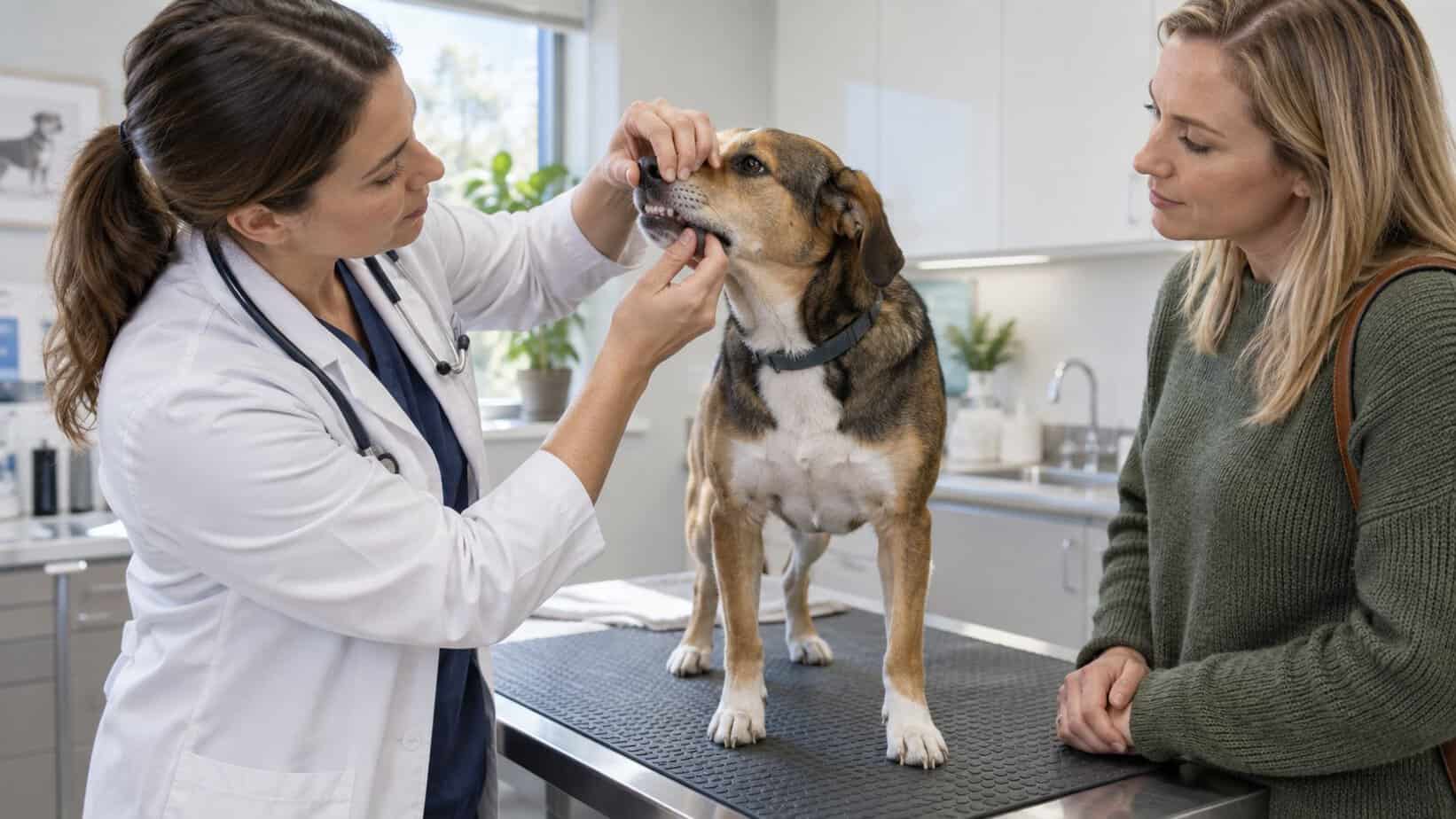
Call your regular veterinarian the same day whenever you see blood in loose stool. Go to an urgent or emergency clinic if you notice any of these signs:
- A large amount of blood, repeated bloody stool, or diarrhea that looks like raspberry jam
- Black, sticky, or tarry stool
- Repeated vomiting or an inability to keep water down
- Weakness, collapse, shaking, confusion, or unusual sleepiness
- A painful, tight, or swollen belly
- Pale, white, gray, or tacky gums
- Fast breathing or a racing heartbeat at rest
- Little interest in water, very dry gums, or other signs of dehydration
- Possible access to a toxin, medication, trash, bones, toys, string, or another foreign object
- A puppy, unvaccinated dog, senior, very small dog, pregnant dog, or dog with a chronic disease
Do not wait for a dog to “look sick enough” if the bleeding is heavy or the condition is changing quickly. Trust the part of you that knows your dog’s normal behavior.
Bright Red Blood Versus Black, Tarry Stool
Fresh red blood is called hematochezia. It usually comes from the lower digestive tract, often the colon or rectum. A few red streaks with mucus can happen when an irritated colon makes a dog strain and pass stool frequently. Stress, a sudden diet change, scavenging, or colitis may be involved.
Black, shiny, tar-like stool is called melena. It can mean blood was digested after bleeding higher in the stomach or small intestine. Melena is not the same as a naturally dark stool. If you are unsure, take a clear photo in good light and call your veterinarian.
Color gives us a clue, not a diagnosis. Bright red blood is not automatically harmless, and black stool is not the only emergency pattern. The amount of blood and the dog’s full condition matter more than color alone.
What Dog Poop Can Look Like
Stool appearance can offer clues, but it cannot identify the cause by itself. Use this chart to describe what you see when you call your veterinarian.
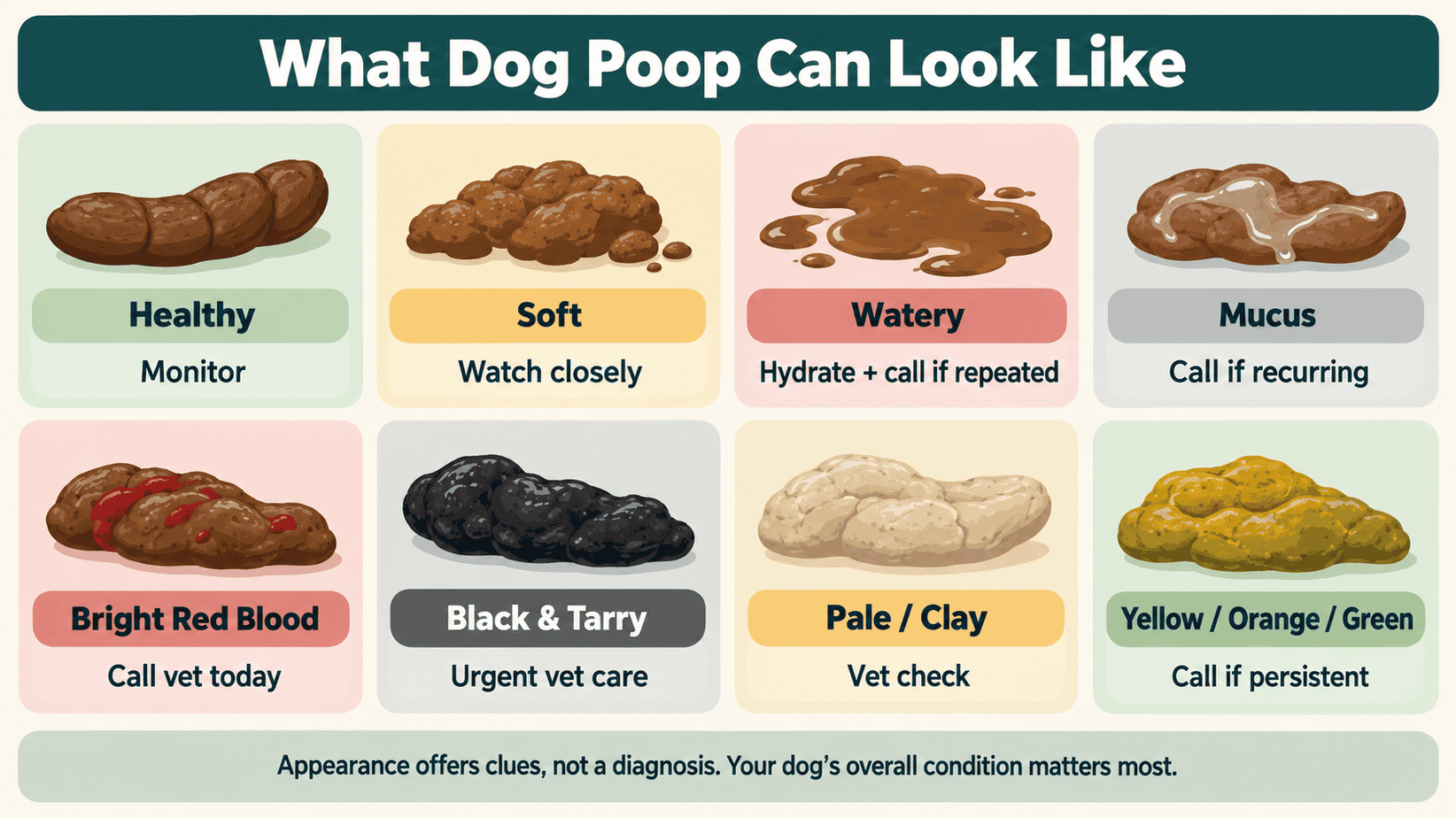
Take a clear photo in natural light when it is safe to do so. Color can be affected by food, treats, supplements, and lighting, so your dog’s overall condition remains the most important guide.
What Can Cause Bloody Diarrhea?
Bloody diarrhea is a symptom, not one disease. My holistic approach starts with the same question I ask about any recurring digestive problem: what is driving the irritation?
Common possibilities include:
- Eating spoiled food, garbage, fatty scraps, bones, or a nonfood object
- A sudden change in food, treats, chews, or supplements
- Stress colitis after boarding, travel, visitors, storms, or a major routine change
- Intestinal parasites such as Giardia, hookworms, whipworms, roundworms, or coccidia
- Viral or bacterial infection
- Acute hemorrhagic diarrhea syndrome
- Food sensitivity or ongoing intestinal inflammation
- Pancreatitis
- A toxin or an adverse response to medication
- A foreign body or intestinal injury
- A bleeding or clotting problem
- Disease involving the liver, kidneys, adrenal glands, or other organs
Parasites cannot be ruled out because you do not see worms. Giardia and several intestinal worms are diagnosed with fecal testing, and repeat or combined testing may be needed in some cases. [2]
A puppy with bloody diarrhea and vomiting needs prompt testing for canine parvovirus, especially if vaccination is incomplete. Parvovirus is highly contagious and can cause severe dehydration, infection, and death without timely treatment. [3] Keep a possibly infected puppy away from other dogs while you arrange care.
What to Do Right Now
Call the clinic and describe exactly what you see. Tell them when the diarrhea began, how often it is happening, how much blood is present, whether the stool is bright red or black, and whether your dog is vomiting, eating, drinking, urinating, and acting normally.
A short, accurate history can speed up the next step. Gather these details before you call:
- Every food, treat, chew, supplement, and medication given during the past few days
- Any sudden food change
- Access to trash, compost, dead animals, standing water, plants, chemicals, or human medication
- Recent boarding, travel, grooming, visitors, storms, or other stress
- Vaccination and parasite-prevention history
- The time and appearance of each diarrhea or vomiting episode
Save a fresh stool sample in a clean sealed container if you can do so safely. A photo is helpful when a sample is not available. Wash your hands well after cleanup, and keep children and other animals away from the stool.
Offer fresh water, but let your dog drink voluntarily. Do not squirt water into the back of the mouth. A weak, nauseated, or struggling dog can inhale liquid. A dog who cannot keep water down needs veterinary fluid support, not more liquid forced by mouth.
Gentle Home Support for a Stable Dog
Home care is appropriate only when your dog is bright, comfortable, drinking, and not repeatedly vomiting, and when your veterinarian agrees that careful monitoring is reasonable. Check your dog often. If the blood increases, diarrhea becomes frequent, vomiting starts, or your dog’s behavior changes, stop the home plan and seek care.
Safe Hydration
Fresh water should always be available. Some dogs drink more willingly when you replace the bowl often or offer a second bowl in a quiet place. Small, voluntary drinks are gentler on a queasy stomach than gulping a large amount at once.
Low-sodium broth can make fluid more appealing, but read the label. It must not contain onion, garlic, chives, or heavy seasoning. Wet food may add moisture once your dog is ready to eat.
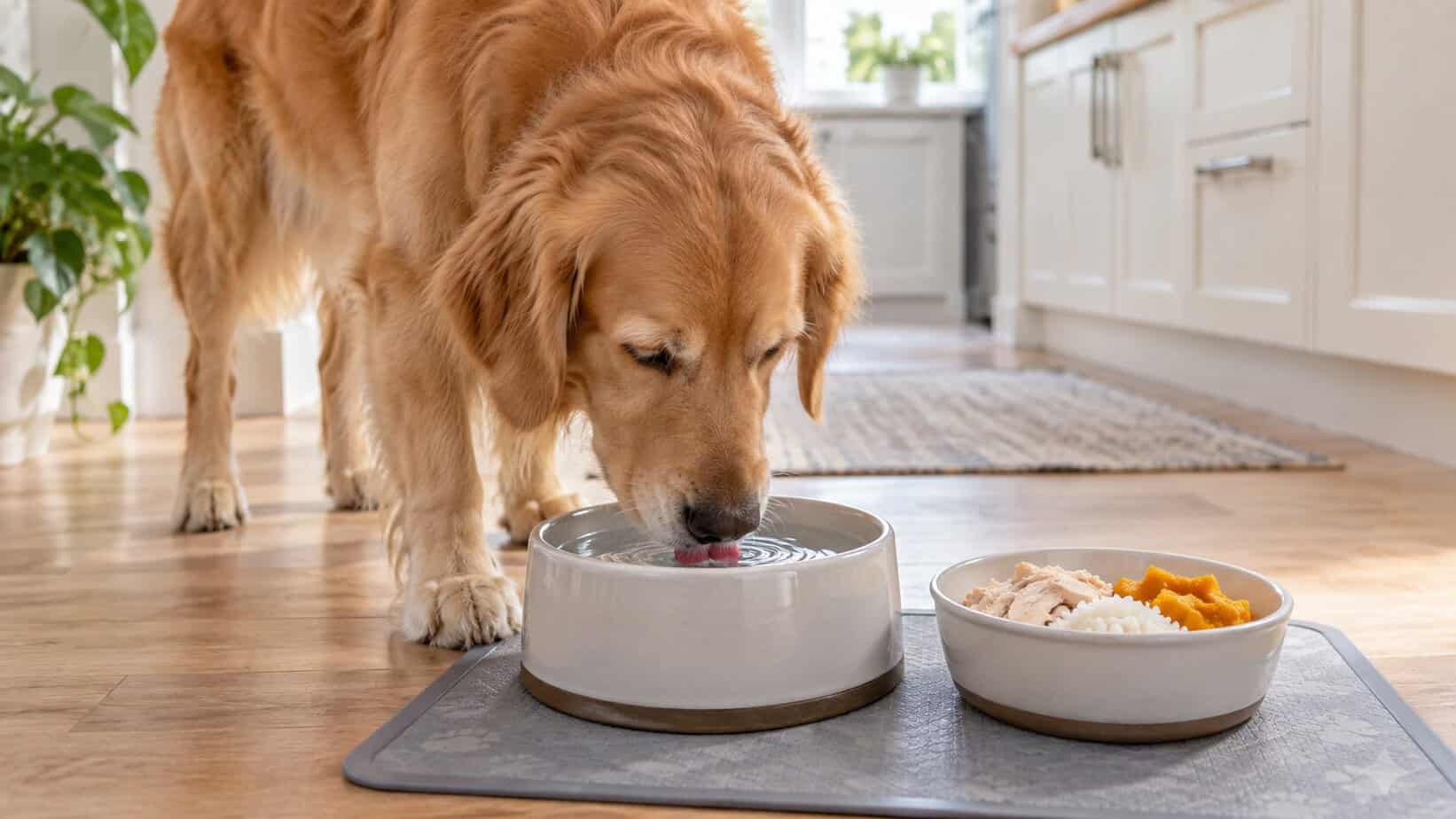
Recommended Foods
When your veterinarian says feeding is appropriate, choose a small amount of simple, low-fat food. My familiar short-term options include:
- Plain boiled chicken with white rice
- Plain canned pumpkin, not sweetened pie filling
- Moist food with a simple ingredient list
- Low-sodium, onion-free, garlic-free broth
These foods are not a balanced long-term diet. They are gentle options for a short digestive reset while you watch your dog. I do not reach for a highly processed kibble or a prescription food by default. I prefer fresh, minimally processed ingredients selected for the individual dog.
Some dogs do better with a different lean protein or a cooked vegetable such as sweet potato. Food allergies, pancreatitis, kidney disease, diabetes, and other conditions change what is safe. A puppy should not go through a long fast, and neither should a tiny dog or a dog with a condition affected by missed meals. When in doubt, ask for a feeding plan that fits your dog.
As stool improves, move back toward the dog’s regular balanced food slowly. A sudden switch in either direction can restart diarrhea.
Probiotics and Herbal Support
Probiotics
The gut is home to a large community of organisms that help with digestion, immune signaling, and the intestinal barrier. Diarrhea, stress, diet changes, and some medications can disturb that community. A dog-specific probiotic may support a healthier balance and firmer stool as the gut settles.
I often use and rotate quality probiotics as part of digestive care. Product quality and strains vary, so the label matters.
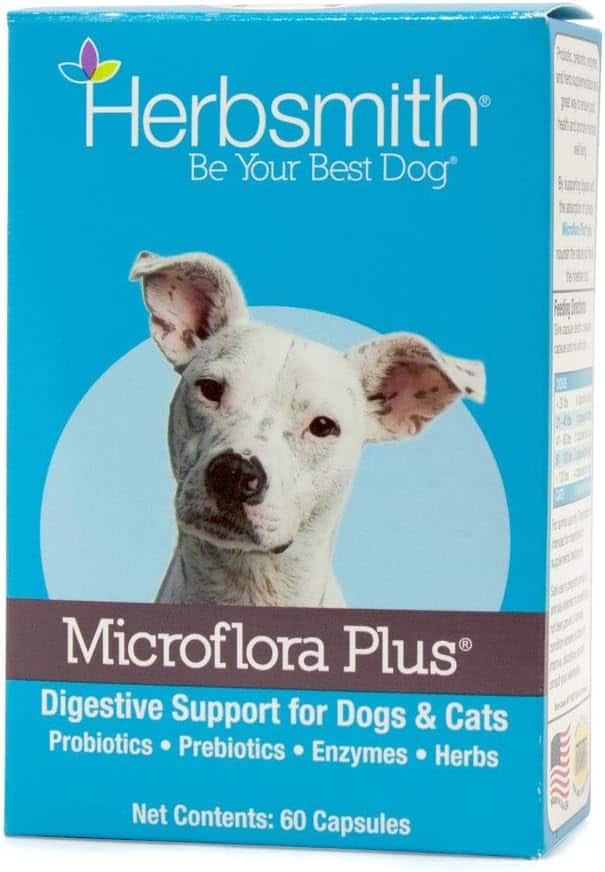
Herbsmith Microflora Plus
A dog digestive supplement combining probiotics, prebiotics, digestive enzymes, and gut-soothing herbs.
Do not mix several new products at once. You want to know what your dog tolerates and what is helping.
A probiotic is supportive and can help your dog’s gut stabilize. It cannot remove a swallowed object, reverse a toxin, treat severe dehydration, or replace testing for parasites and infection. If your veterinarian has prescribed an antibiotic or medication, don’t give a probiotic in the same meal.
Slippery Elm, Marshmallow Root, and Chamomile
Three herbs I commonly consider for gentle digestive support are slippery elm, marshmallow root, and chamomile.
- Slippery elm: Forms a soothing mucilage when mixed with liquid. I use it to support an irritated digestive lining.
- Marshmallow root: Has a similar demulcent quality and can be useful when the tissues feel dry and inflamed.
- Chamomile: May help soothe the gut and a tense dog when stress is part of the pattern.
When I want one formula that brings these digestive supports together, I recommend Standard Process Veterinary GI Soothing. It combines marshmallow root, slippery elm bark, and okra mucilage with probiotics and postbiotics to support digestive comfort and healthy bowel function.
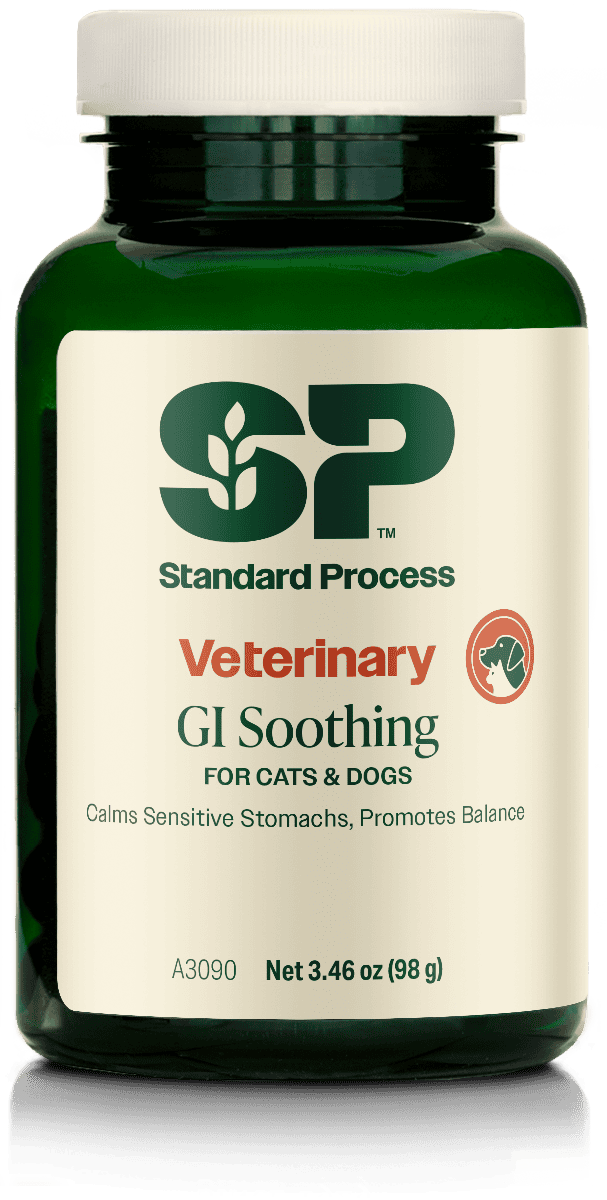
Standard Process Veterinary GI Soothing
A veterinary gut-health formula for dogs and cats with S. boulardii, Lactobacillus fermentate, marshmallow root, slippery elm, and okra.
Herbs are active products. They can affect medication absorption, allergies, pregnancy, and some health conditions. Product concentration also varies. Use a veterinarian-guided amount for your dog instead of borrowing a human dose from the internet. Separate mucilaginous herbs from prescription medication administration.
Homeopathy for Bloody Diarrhea
Homeopathy is a part of my holistic toolkit but its effectiveness depends on knowing the pet in front of you. So I generally don’t give individualized advice online. Its guiding principle is “like cures like,” and the remedy is matched to the individual’s complete symptom picture. I do not select a remedy from the word diarrhea alone.
I recommend that you consult with a homeopathic practitioner that is very experienced with veterinary cases. Here are four remedies I may consider:
- Arsenicum album may fit a restless, anxious dog with foul diarrhea, frequent small stools, or digestive upset after questionable food. The dog may seek warmth and take small drinks.
- Nux vomica may fit digestive upset after rich food, overeating, scavenging, stress, or medication exposure. Straining and irritability may be part of the picture.
- Phosphorus may come to mind when blood is bright red and the dog is thirsty, sensitive, or seeking company. The pattern and the dog’s behavior guide the choice.
- Mercurius solubilis may fit frequent urgent stools with mucus, straining, a strong odor, or a dog who seems uncomfortable before and after passing stool.
These descriptions explain how I differentiate remedies. They are not a diagnosis and do not mean the remedy will stop bleeding. If your dog is weak, dehydrated, vomiting, painful, passing a lot of blood, or getting worse, the correct next step is urgent veterinary care.
I also avoid stacking multiple homeopathic remedies without a clear reason. A clean symptom picture and close observation are more useful than giving every option at once.
Dr. Candy’s Whole-Dog Plan
A short episode may end once the irritant passes and the colon settles. However, repeated bloody diarrhea asks for a wider look. We need to find the underlying cause but we often don’t see the small details. If your pup is experiencing recurring bouts of bloody diarrhea I recommend getting a full consultation with a holistic veterinarian.
I review the dog’s food, treats, water, stress, medications, parasite exposure, scavenging habits, and stool history. I want to know whether the pattern began after antibiotics, a boarding stay, a new bag of food, a rich chew, lawn chemicals, or a household change. Small details often point toward the next test or adjustment.
For long-term gut health, I favor a fresh, balanced, minimally processed diet that agrees with the dog. I also pay attention to clean water, regular movement, restful sleep, stress reduction, and a healthy microbiome. These basics make the whole dog more resilient while we address the actual cause.
Keep a simple log if episodes repeat. Record meals, treats, supplements, medications, stool quality, vomiting, appetite, energy, and unusual events. A pattern that feels invisible day to day may become clear on paper.
Dr. Candy’s Pro-Tip
I had a miniature Dachshund named Sully who would get stressed by big changes and develop bloody diarrhea a few times a year. It often happened when I had to travel and leave him with a pet sitter. Once I figured out the connection I was able to prepare for the changes and I would start probiotics and a bland diet before the big stressor.
What Not to Give a Dog With Bloody Diarrhea
Do not give Pepto-Bismol, Imodium, aspirin, ibuprofen, naproxen, or another human medication unless your veterinarian specifically directs it for this dog. Some products can be toxic, interact with other drugs, worsen bleeding, or hide signs that help with diagnosis.
If a toxin or human medication may have been swallowed, call your veterinarian or a poison-control service right away. Do not induce vomiting unless a professional tells you to do it. The ASPCA maintains a current list of common people foods that are dangerous to pets and operates a 24-hour poison-control line. [4]
Also avoid:
- Forcing water, broth, food, or supplements into a weak or vomiting dog
- Broth containing onion, garlic, chives, or heavy seasoning
- Fatty meat, skin, grease, rich treats, and table scraps
- Raw meat while the gut is irritated
- Sudden food changes
- Several new supplements started together
- Leftover antibiotics
The safest home plan is simple enough that you can see whether your dog is improving.
Preventing Another Episode
Not every case is preventable, but a few steady daily habits can lower several common risks and help protect your dog’s digestive system.

Keep trash, compost, medications, chemicals, and small objects safely out of reach. Make diet changes slowly, and stick with foods your dog already digests well. Try not to introduce too many new treats, chews, or extras all at once, even when they seem healthy. Keep parasite testing and prevention current for your dog’s location and lifestyle, and vaccinate puppies on the schedule your veterinarian recommends.
Stress can be a very real trigger for colitis. If your dog is sensitive, plan ahead for boarding, travel, schedule changes, or busy household seasons. Keep routines steady when you can, and give your dog a quiet place to rest when life gets noisy. After an episode, ease back into normal exercise gradually instead of jumping right back in.
Regular veterinary checks matter, especially when diarrhea keeps coming back. Recurring diarrhea can be an early clue that something deeper is going on in the digestive tract or elsewhere in the body. Bring your symptom log and a fresh stool sample if you can. Good notes help us move faster, avoid guesswork, and choose testing more thoughtfully.
Final Thoughts
Bloody diarrhea is one of those symptoms that calls for both calm and respect. Start with a veterinary call and a clear look at your dog’s condition. Heavy bleeding, black stool, vomiting, pain, weakness, dehydration, or a vulnerable dog moves this out of the home-care category.
For a stable dog whose veterinarian supports home care, gentle food, hydration, probiotics, selected herbs, and carefully matched homeopathy can be valuable parts of a whole-dog plan. Watch closely, change one thing at a time, and let your dog’s response guide the next step.
FAQs
A mild episode caused by colon irritation may settle, but blood can also appear with an infection, parasites, toxins, a foreign body, or another serious problem. Call your veterinarian the same day and seek urgent care if bleeding is heavy or your dog has other symptoms.
A bright, active dog may have lower-colon irritation from stress, scavenging, or a diet change. Acting normal is reassuring, but it does not identify the cause or guarantee the problem will stay mild. Monitor closely and call your veterinarian for guidance.
When your veterinarian agrees that feeding at home is appropriate, offer a small amount of plain, low-fat food such as boiled chicken and white rice. Plain pumpkin may help, and plain yogurt or kefir may suit a dog who tolerates dairy. Avoid rich, fatty, seasoned, or unfamiliar foods.
Plain canned pumpkin can add soluble fiber, and a dog-specific probiotic may support the gut microbiome. Both are supportive options for the right stable dog. Neither one treats severe dehydration, bleeding from an ulcer, parvovirus, poisoning, a foreign body, or another urgent cause.
Black, sticky, tar-like stool may be melena, which can signal digested blood from higher in the digestive tract. It needs prompt veterinary assessment. Take a photo if you can, note any medications or possible toxin exposure, and call your veterinarian.
References
[1] Merck Veterinary Manual. (n.d.). Acute hemorrhagic diarrhea syndrome in small animals. https://www.merckvetmanual.com/digestive-system/diseases-of-the-stomach-and-intestines-in-small-animals/acute-hemorrhagic-diarrhea-syndrome-in-small-animals
[2] Companion Animal Parasite Council. (n.d.). Giardia. https://capcvet.org/guidelines/giardia/
[3] Cornell University College of Veterinary Medicine. (n.d.). Canine parvovirus. https://www.vet.cornell.edu/departments-centers-and-institutes/riney-canine-health-center/canine-health-information/canine-parvovirus
[4] ASPCA. (n.d.). People foods to avoid feeding your pets. https://www.aspca.org/pet-care/animal-poison-control/people-foods-avoid-feeding-your-pets

ABOUT THE AUTHOR
Dr. Candy Akers, DVM
Dr. Candy Akers earned her Doctor of Veterinary Medicine degree from Oklahoma State University in 2009 after completing undergraduate studies at the University of Delaware. Her experience includes companion-animal nutrition, chronic disease, allergies, autoimmune conditions, cold laser therapy, wildlife rehabilitation, and emergency wildlife response. She combines conventional veterinary knowledge with a whole-animal perspective to help pet parents understand their options and recognize when individualized veterinary care is needed.