CLEAR GUIDANCE FOR SENSITIVE AREAS
Dog Eye & Ear Health Guide
Understand everyday care, recognize important warning signs, and know when an eye or ear concern needs veterinary attention.
START WITH WHAT YOU CAN SEE
Small changes can provide useful clues.
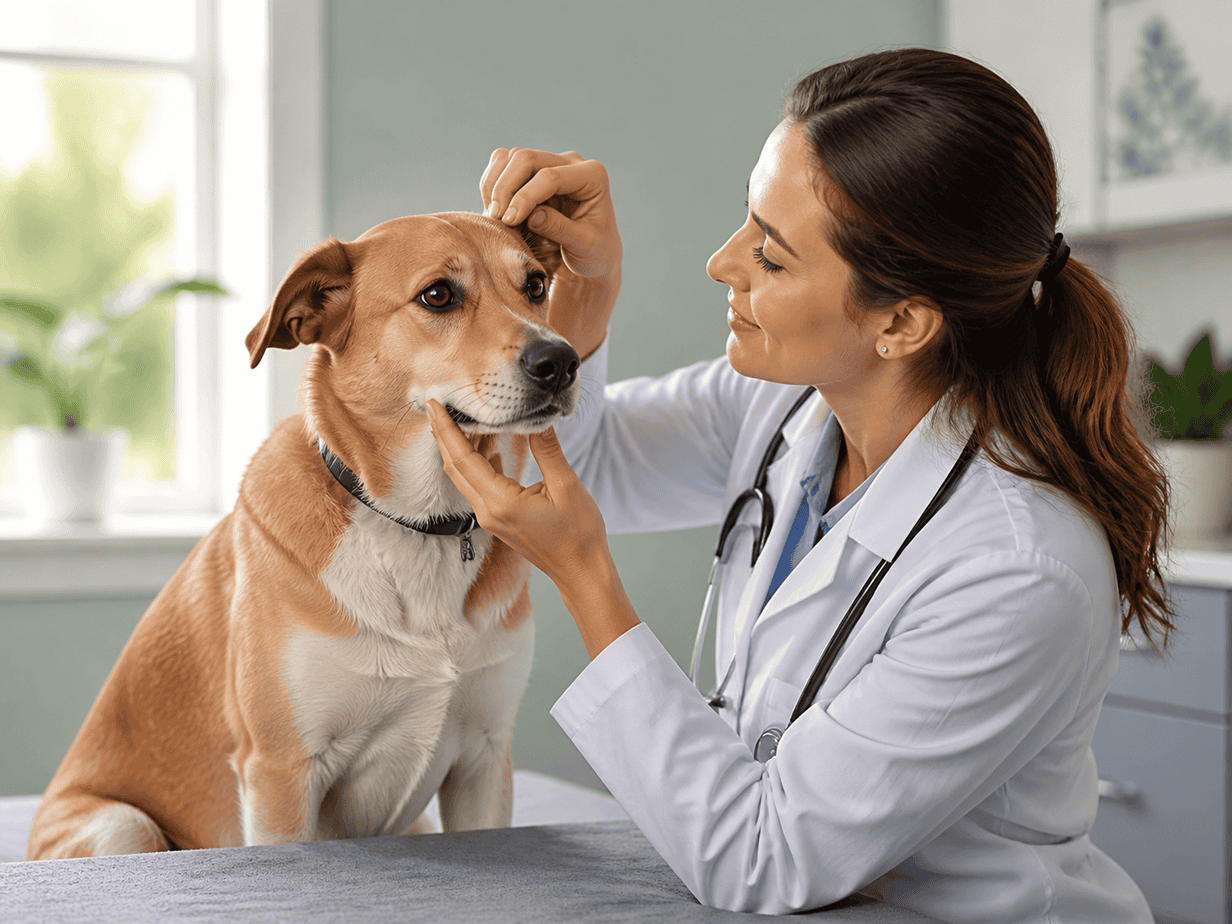
Eyes and ears are delicate. Discharge, odor, redness, swelling, squinting, head shaking, or repeated rubbing can help your veterinarian narrow the possibilities, but these signs rarely identify the cause by themselves.
Observe both sides
Note whether one or both eyes or ears are affected and when the change first appeared.
Keep care gentle
Avoid putting human drops, oils, or cleaners into a painful eye or ear unless your veterinarian has directed you.
Record the pattern
Track discharge, odor, color, comfort, seasonal changes, and any recurring skin or allergy signs.
EYE HEALTH AND EVERYDAY CARE
Protect comfort and vision with careful decisions.
Start with the complete eye-health guide, then use these focused resources to understand cleaning, common products, and questions to bring to your veterinarian.
-

Integrative Dog Eye Health: Daily Care, Nutrition, and Warning Signs
Support your dog’s eye health with daily care, fresh-food nutrition, holistic options, common warning signs, and when to seek veterinary help.
-
Can You Use Visine on Dogs? Safer Eye Care Options
No, you should not use redness-relief Visine in your dog’s eyes unless your veterinarian has reviewed the exact product and specifically told you to use it.…
-

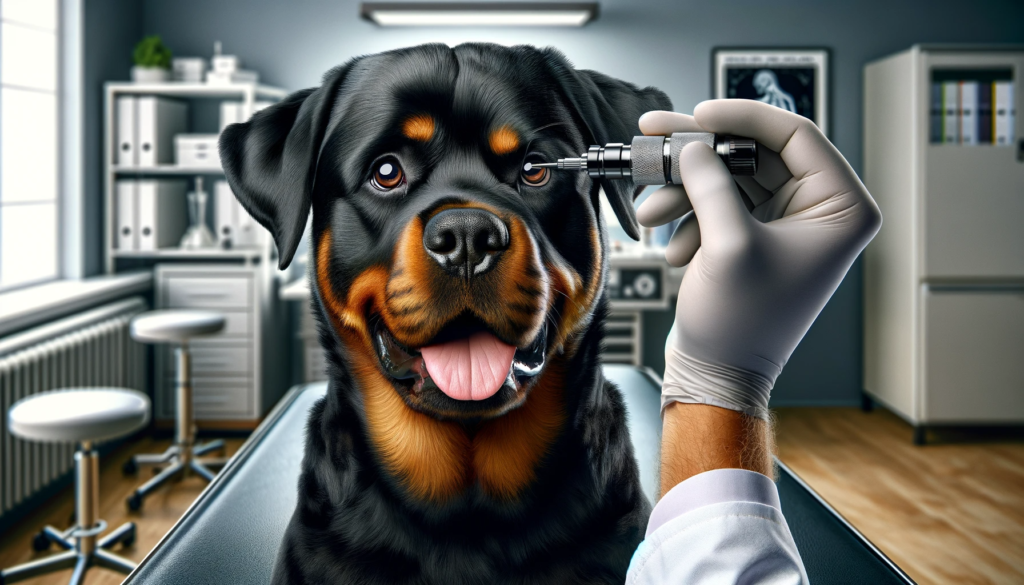
Rottweiler Eye Health – Conditions & Solutions From Vet
Explore Rottweiler eye health issues & vet-approved solutions. Get expert tips to keep your pet’s eyes healthy. Click to learn more!
-
Yorkshire Terrier Eye Health – Conditions & Solutions From Vet
Discover common Yorkshire Terrier eye health issues and vet-approved solutions. Keep your furry friend’s eyes bright and healthy!


COMMON VETERINARY EYE TESTS
Simple tests can answer different questions.
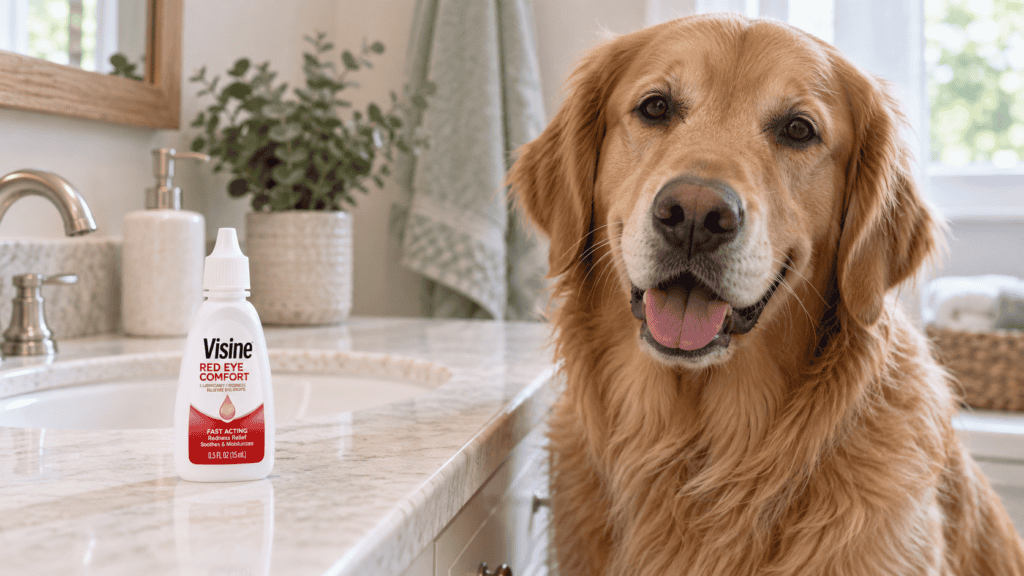
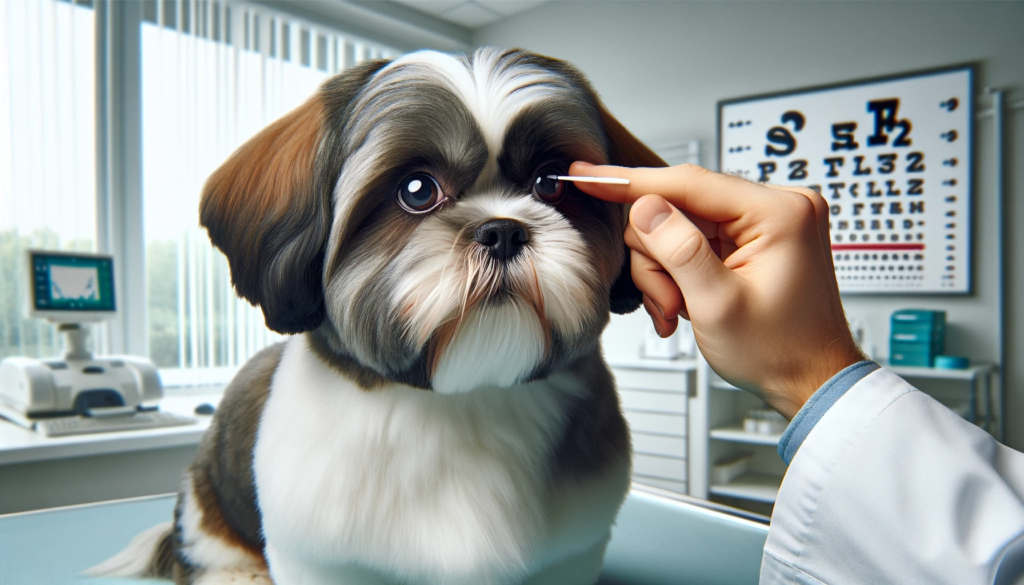
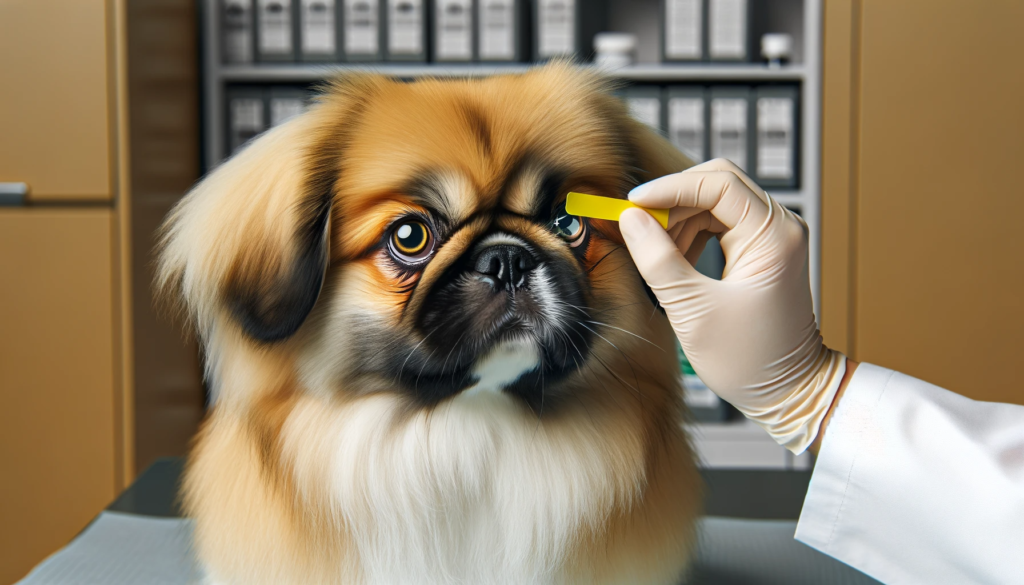
A veterinary eye examination may include tests that measure tear production or reveal damage to the surface of the eye.
-
Schirmer Tear Test for Dogs & Cats: Everything You Need to Know + FAQ
As a dog parent, you want to make sure that your furry friend is healthy and happy. One important aspect of your dog’s health is their…
-
Fluorescein Stain Test For Dogs – What, How, Why & Cost
As a holistic veterinarian specializing in natural nutrition and holistic healing, I am passionate about helping dogs live the healthiest and happiest lives. Today I want…
EAR HEALTH AND CLEANING
Odor, debris, and itching deserve context.
Healthy ears vary by dog. These guides explain safer cleaning, common signs of irritation, and what to know when ear mites are suspected.
-
Best Ear Wipes for Dogs: Vet Picks and Cleaning Tips
Ear wipes can be a handy way to remove visible wax, dirt, and moisture from the outer part of a dog’s ear. They are best for…
-

Spotting Ear Mites in Dogs: Vet’s Quick Guide
Discover how to know if your dog has ear mites with our vet’s quick guide. Learn to spot symptoms early and protect your pet’s health today.
-

Treating Dog Ear Mites: Holistic Expert Tips
Discover natural, holistic solutions for treating dog ear mites. Expert tips to keep your furry friend healthy & happy. Click now!
-

Ear Mites in Dogs: A Holistic Vet’s Basic Guide
Discover a holistic approach to treating ear mites in dogs. Learn from a vet’s guide on natural remedies for your pet’s health. Click now!


PREPARE FOR THE APPOINTMENT
Bring a clear history, not just a symptom.
Good notes can make an eye or ear visit more useful and help your veterinarian understand whether the concern is new, recurring, or connected to a broader pattern.
Take clear photos
Photograph visible discharge, swelling, redness, or debris before cleaning when it is safe to do so.
List every product
Include cleaners, wipes, drops, ointments, shampoos, and allergy medications.
Track behavior
Note rubbing, squinting, head shaking, balance changes, sleep disruption, or sensitivity to touch.
Ask about follow-up
Confirm how to use each product, what improvement should look like, and when a recheck is needed.
Keep exploring dog health guidance.
Return to the Dog Health & Symptoms hub for digestive health, skin and paw concerns, and other practical symptom guides.
Explore Dog Health & Symptoms