

Dogs usually get ear mites through close contact with an infected animal. Cats are a common source, and puppies or dogs living in shelters, breeding groups, or multi-pet homes may have more exposure. Mites can move through shared bedding or grooming items, but direct pet-to-pet contact is the main concern.
Dark ear debris and itching can suggest mites, but they do not prove the diagnosis. Yeast, bacteria, allergies, and foreign material can look similar. A veterinary ear exam helps identify the cause and protect the eardrum before treatment begins.
How Dogs Catch Ear Mites
Otodectes cynotis lives mostly in the ear canal and feeds on surface material. The mites move between animals during close contact. A peer-reviewed review describes ear mites as a common parasitic cause of otitis, especially in cats and young animals [1].
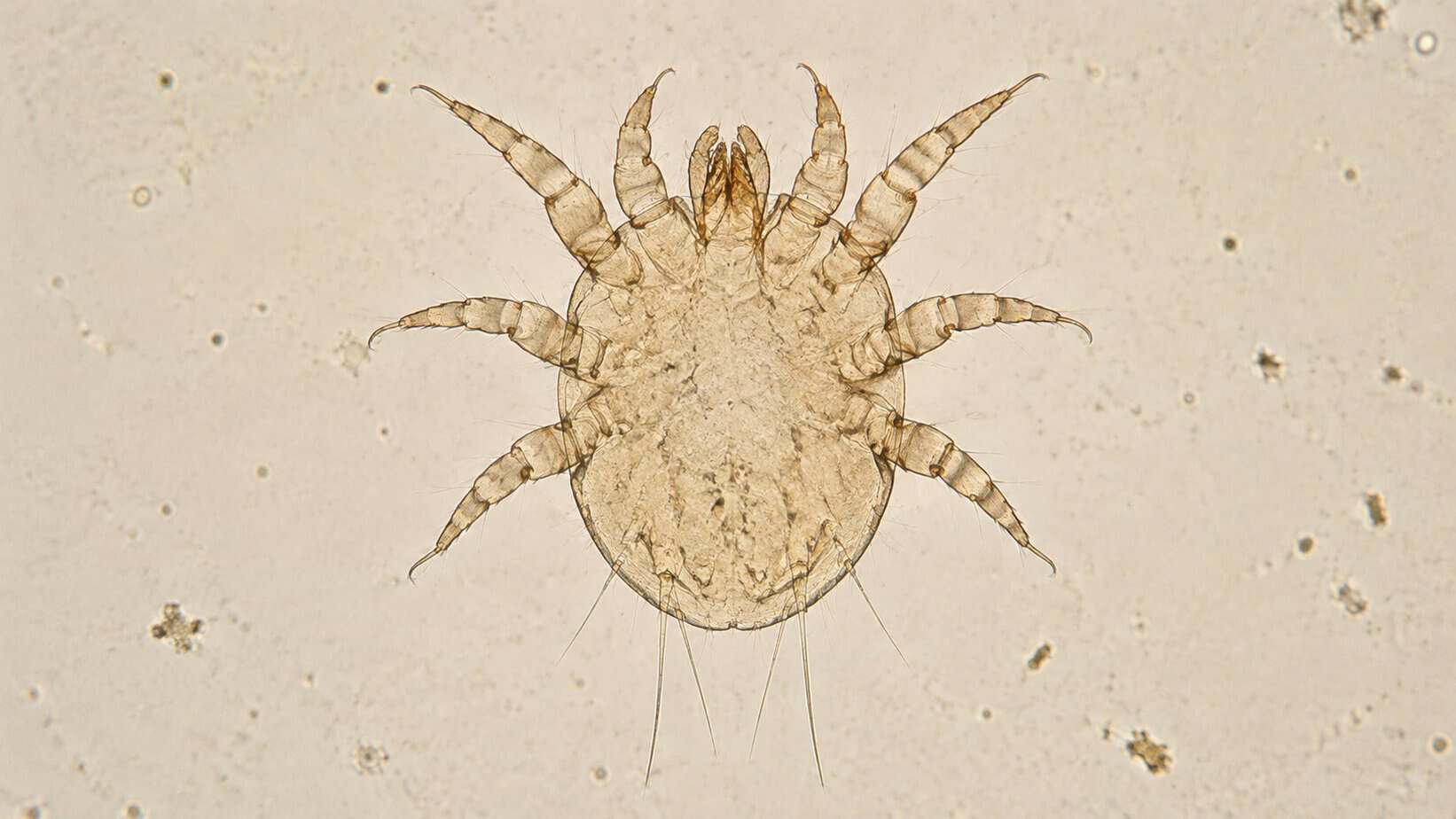
Transmission is more likely when pets:
- Sleep or play in close contact
- Share bedding or grooming tools
- Enter shelters, rescues, kennels, or breeding environments
- Live with an untreated cat or dog
- Are young or have an unknown parasite history
Mites may survive briefly away from a host, so cleaning the environment supports treatment. They are not like fleas that maintain a long household life cycle.
Which Pets Can Spread Ear Mites
Cats, dogs, ferrets, and some wild carnivores may carry ear mites. A pet without dramatic symptoms can still be part of the transmission cycle.
If one pet is diagnosed, tell your veterinarian about every dog, cat, and ferret in the home. In-contact animals may need examination or treatment. Do not use one pet’s medication on another without approval because product labels, doses, ages, and species restrictions differ.
People rarely develop temporary skin irritation after exposure. Canine and feline ear mites do not normally establish a lasting human infestation. A person with symptoms should contact a human healthcare professional.
Signs of Ear Mites in Dogs
Possible signs include:
- Intense ear scratching
- Head shaking
- Dark, crumbly debris
- Redness or soreness
- Scratches around the ear
- Strong odor when a secondary infection is present
Some dogs have mild signs. Others injure the ear flap from scratching and shaking. A swollen ear flap may be an aural hematoma and needs veterinary care.
Why Diagnosis Matters
Dark debris is often called coffee-ground material, but appearance alone is not enough. Yeast and bacterial infections may produce dark wax, odor, redness, and itching too.
A veterinarian may look into the ear with an otoscope and examine a swab under a microscope. The eardrum matters because some cleaners and medications should not be used if it is damaged.

How Veterinarians Treat Ear Mites
Treatment may include a labeled topical or systemic parasite medication and safe ear cleaning. Selamectin has shown effectiveness against ear mites in dogs and cats [2]. Current product labels and veterinary directions control the dose and schedule.
The Companion Animal Parasite Council recommends diagnosis, treatment of affected pets, and attention to in-contact animals and the environment [3]. Some modern flea and tick products also have an ear-mite indication, but approval varies by product and country. Confirm the current official label and information for regulated products [4].
Secondary yeast or bacterial infection may require additional treatment. Finishing the prescribed course matters even if scratching improves quickly.
Cleaning the Home and Preventing Reinfection
Wash pet bedding in hot water when the fabric allows, vacuum resting areas, and clean grooming tools. Follow your veterinarian’s cleaning instructions for the ears because aggressive swabbing can push debris deeper or damage sore tissue.

To lower future risk:
- Keep all household pets on an appropriate parasite plan
- Have new pets examined
- Avoid sharing unclean grooming tools
- Treat every pet your veterinarian identifies as exposed
- Complete rechecks when recommended
Do not isolate one treated pet while leaving an untreated source in close contact.
Final Thoughts
Ear mites spread mainly through close contact with an infected animal. Cats can pass them to dogs, and all exposed pets should be considered when a case is confirmed.
Because mites, yeast, and bacteria can cause similar signs, diagnosis comes before treatment. Use veterinary-approved products and current label directions rather than household ear remedies.
They are contagious among susceptible pets through close contact. Risk is higher in young animals and group living.
Yes. Cats are a common source, so every cat and dog in the home should be discussed with the veterinarian.
Lasting human infestation is rare. Temporary irritation can occur, and a person with symptoms should seek human medical advice.
They may survive for a limited time in the environment. Washing bedding and cleaning shared items helps prevent reinfection.
References
[1] Thomson, P., et al. (2023). External ear canal parasites and parasitic otitis in dogs and cats. https://pmc.ncbi.nlm.nih.gov/articles/PMC10105784/
[2] Shanks, D. J., et al. (2000). Efficacy of selamectin against Otodectes cynotis in dogs and cats. Veterinary Parasitology, 91(3-4), 283-290. https://pubmed.ncbi.nlm.nih.gov/10940529/
[3] Companion Animal Parasite Council. (n.d.). Otodectic mite. https://capcvet.org/guidelines/otodectic-mite/
[4] U.S. National Library of Medicine. (n.d.). DailyMed drug label information. https://dailymed.nlm.nih.gov/dailymed/fda/fdaDrugXsl.cfm?setid=76fd165d-4f0b-4203-b8a0-e329987c62a7&type=display