Category: Processed Foods For Dogs

  • Can Dogs Eat Liverwurst – Expert Answers

    Can Dogs Eat Liverwurst – Expert Answers

    Liverwurst is a type of sausage that’s made from liver and other ingredients such as spices, onions, and sometimes bacon. It’s a popular food item for humans, but what about dogs? As a dog owner, you may be wondering whether it’s safe to feed your furry friend liverwurst as a treat or as part of their regular diet. In this blog post, we’ll explore the nutritional benefits and potential risks of feeding liverwurst to dogs, as well as provide some tips on how to safely incorporate it into their meals. So, if you’re curious about whether dogs can eat liverwurst, keep reading to find out.
    can dogs have liverwurst

    What Is Liverwurst?

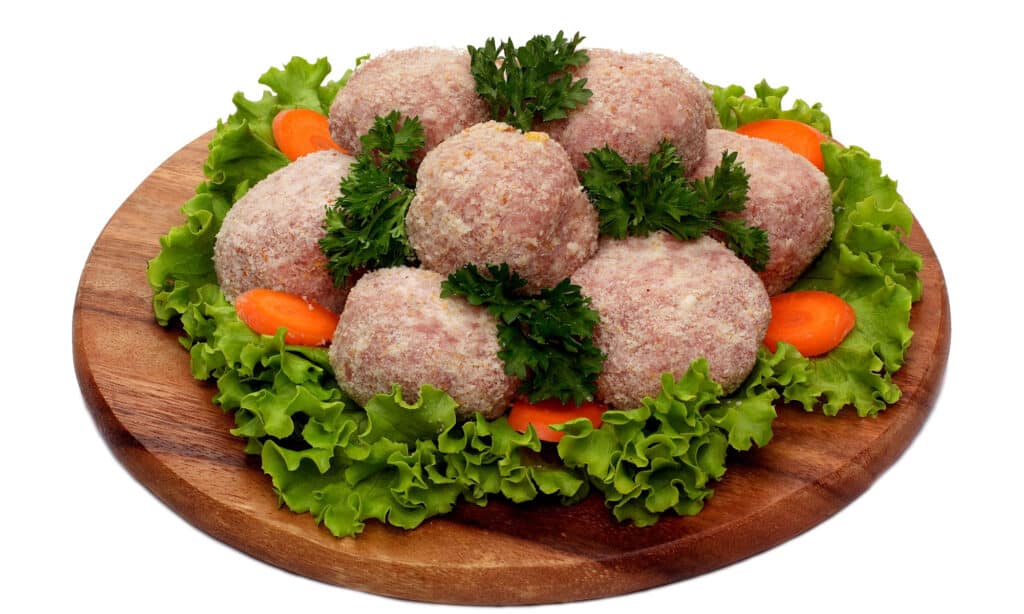
    Liverwurst is a type of sausage that people make from liver, pork, and some other stuff like spices, onions, and sometimes bacon. It’s pretty darn popular in lots of places, especially in Europe and North America. People usually cut it up and put it on bread or crackers, and sometimes they add mustard or pickles to make it even tastier. There are all sorts of liverwurst out there, made with different kinds of liver like chicken or beef, and some are smoked or cured while others are fresh. You can usually find it at the grocery store or deli, and it’s a go-to for sandwiches or snacks with crackers. But if you’re a dog owner, you might be curious whether liverwurst is safe for your furry friend to munch on.

    Can Dogs Eat Liverwurst?

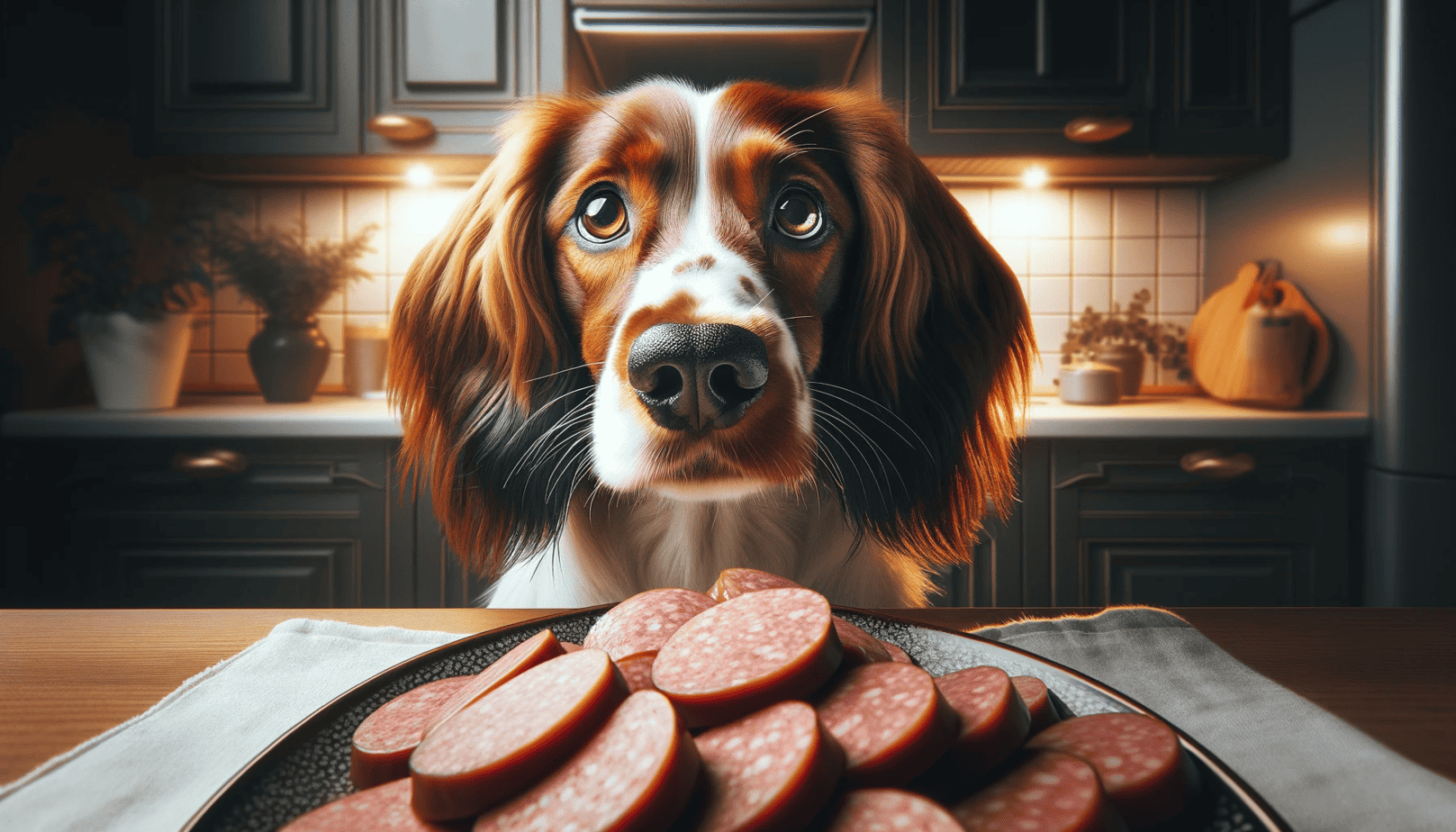
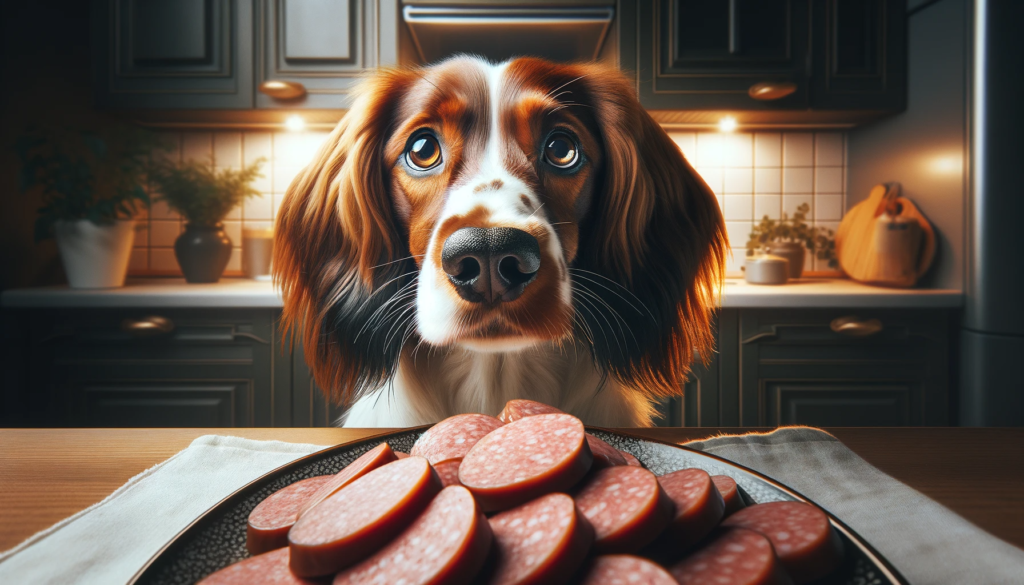
    So, can dogs chow down on liverwurst? The answer is a little complicated. Liverwurst is made from liver, which is usually pretty healthy for dogs when given in moderation. Liver is a good source of protein, vitamins, and minerals like iron and zinc. But, liverwurst also has other stuff in it that might not be so great for your furry buddy, like spices, onions, and too much salt and fat.

    Eating too much salt and fat can be a no-no for dogs, and onions are downright poisonous in large amounts. Plus, liver can have a ton of vitamin A, which is dangerous for dogs when they have too much of it. So, if you do give your dog liverwurst, make sure it’s only every now and then, and not a huge part of their diet.

    If you do decide to treat your pup, be sure to get fresh, natural liverwurst without any chemicals or fake flavors. Also, keep an eye on your dog’s weight and overall health when giving them liverwurst or any other treats. When you introduce a new food, go slow and small, and watch for any bad reactions. And if you’re not sure if liverwurst is a good choice for your dog, it’s always smart to check with your vet.
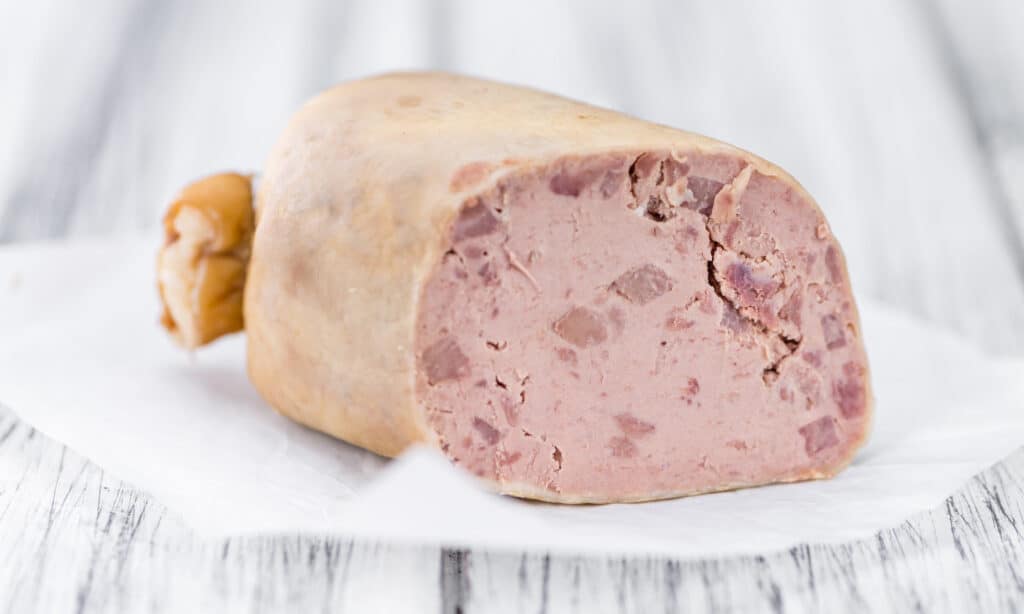
    The nutritional value of liverwurst for your canine companion

    Harmful Ingredients in Liverwurst:

    Liverwurst contains several ingredients that can be harmful to dogs if consumed in large quantities. One of these ingredients is salt, which can lead to dehydration, kidney damage, and other health problems in dogs when consumed in excess. Liverwurst also often contains onions, which are toxic to dogs and can cause anemia, vomiting, and diarrhea. Even small amounts of onions can be harmful to dogs, so it’s best to avoid giving them liverwurst that contains this ingredient.

    Another harmful ingredient in liverwurst is fat. While dogs need a certain amount of fat in their diet, excessive consumption of fatty foods like liverwurst can lead to obesity, pancreatitis, and other health issues. Additionally, liverwurst often contains preservatives and additives such as nitrates and nitrites, which have been linked to cancer and other health problems in both humans and animals.

    Finally, it’s worth noting that liverwurst is a processed food that is typically high in calories and low in nutritional value. While small amounts of liverwurst may be okay as an occasional treat for dogs, it’s not a food that should make up a significant portion of their diet. If you’re looking for healthier treat options for your pup, consider giving them fresh fruits and vegetables, lean meats, or low-fat dairy products instead.

    Safe Ingredients in Liverwurst:

    Yep, there are definitely some safe and even healthy ingredients in liverwurst that can be good for dogs in the right amounts. For example, liver is packed with protein, vitamins, and minerals that are great for dogs, like vitamin A, iron, and zinc. When liver is combined with other good stuff like lean pork or beef, and natural spices and flavors, it can be a yummy and nutritious snack for your pup.

    But, it’s super important to watch out for other ingredients in liverwurst that can be bad for dogs, such as too much salt, onions, and too much fat. When you pick out liverwurst for your dog, go for a high-quality product that’s made with natural ingredients and doesn’t have any harmful additives or preservatives. And always give liverwurst to your dog in moderation, along with other healthy foods.

    What Signs To Watch For If Your Dog Accidentally Ate A Lot of Liverwurst?

    If your dog accidentally ate a lot of liverwurst, there are several signs you should watch for to determine if they are experiencing any adverse reactions. One of the most common signs of overconsumption of liverwurst is gastrointestinal upset, which can manifest as vomiting, diarrhea, or abdominal pain.

    Other signs to watch for include dehydration, lethargy, and loss of appetite. If your dog has consumed liverwurst that contains onions, they may also experience symptoms of onion toxicity, such as weakness, pale gums, and rapid breathing. In severe cases, onion toxicity can lead to anemia, which can be life-threatening for dogs.

    If you notice any of these symptoms in your dog after they’ve consumed a large amount of liverwurst, it’s important to contact your veterinarian right away. Your vet can evaluate your dog’s condition and recommend appropriate treatment, which may include administering fluids to prevent dehydration, medication to address gastrointestinal upset, or in severe cases, blood transfusions to address anemia caused by onion toxicity.

    Is liverwurst safe for dogs to eat?

    When or If You Should Go To The Vet?

    If you notice any signs of illness or negative reactions in your dog after they’ve eaten a lot of liverwurst, it’s best to take them to the vet as soon as possible. If your dog starts throwing up, having diarrhea, acting tired or not wanting to eat, you should call your vet right away.

    Also, if your dog ate liverwurst that had onions in it and they’re showing any signs of onion toxicity, like acting weak or having trouble breathing, you need to get to the vet immediately. Onion toxicity can be super dangerous for dogs and needs urgent care.

    When you take your dog to the vet, be sure to give them all the information you have about your dog’s symptoms and how much liverwurst they ate. Your vet might want to do some tests, like bloodwork or x-rays, to find out what’s going on and how to treat your dog.

    Safe Dog-Friendly Alternative to Liverwurst:

    If you’re on the hunt for a healthier and safer treat option for your pup, fear not! There are plenty of tasty alternatives to liverwurst that your furry friend is sure to love. Here are a few ideas:

    • Lean meats are a great choice! You can give your dog small pieces of chicken, turkey, or beef for a protein-packed snack.
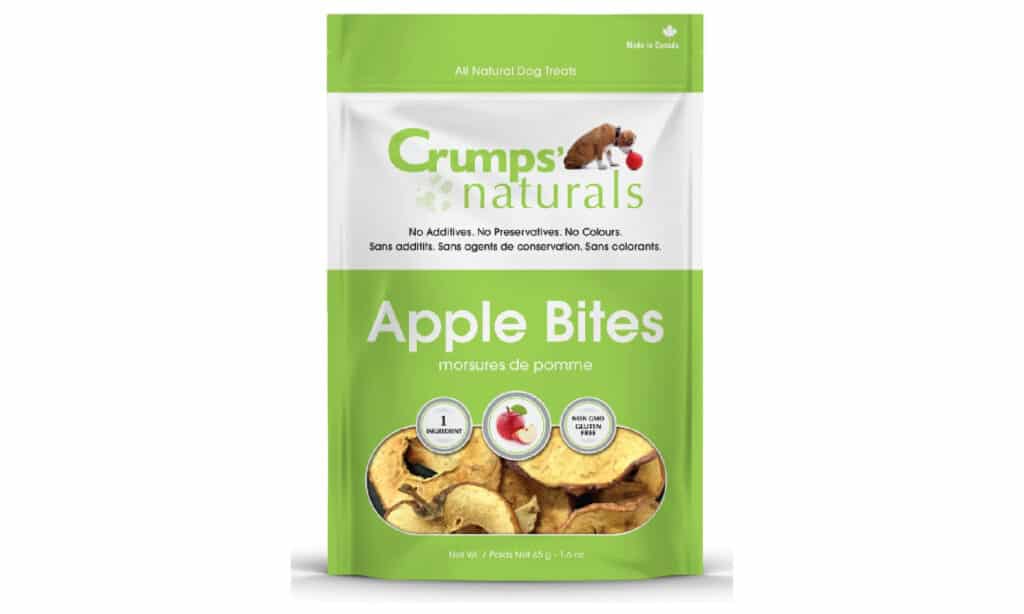
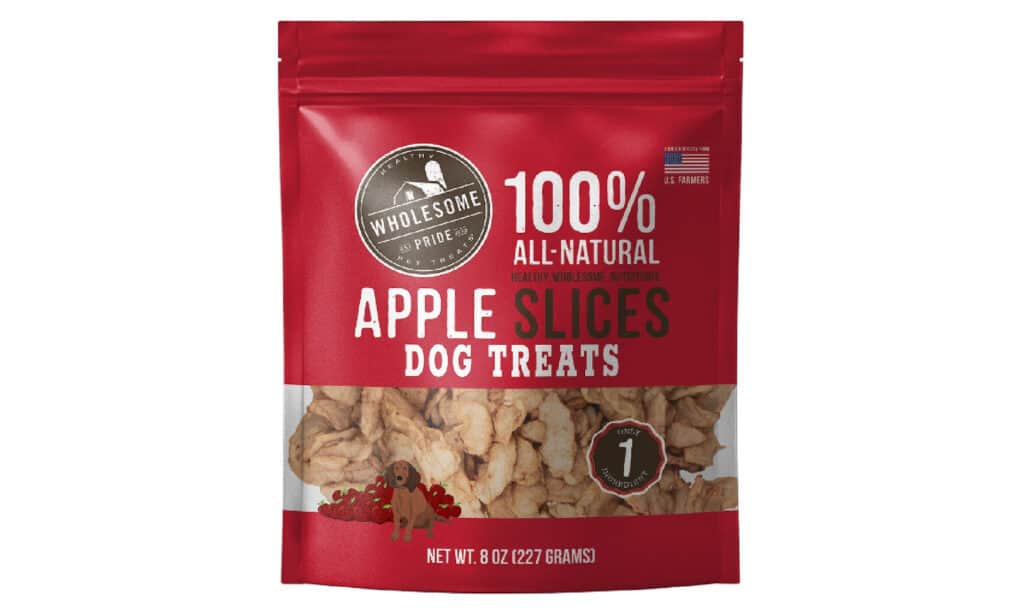
    • Fruits and veggies are also a hit with many dogs! Apple slices, carrot sticks, and green beans are low in calories and high in vitamins and fiber, making them a healthy and delicious choice.
    • If your pup likes dairy, try giving them some plain yogurt or cottage cheese. These options are high in protein and calcium, and can even help with their digestion.
    • Natural dog treats are a great option too! Look for treats made with high-quality ingredients like real meat, vegetables, and whole grains. And steer clear of treats with any artificial colors, flavors, or preservatives.

    Remember to start slowly when introducing new foods to your dog, and always check with your vet if you have any concerns. Your furry friend will thank you for finding them a tasty and healthy snack!

    Healthy Store-Bought Options:
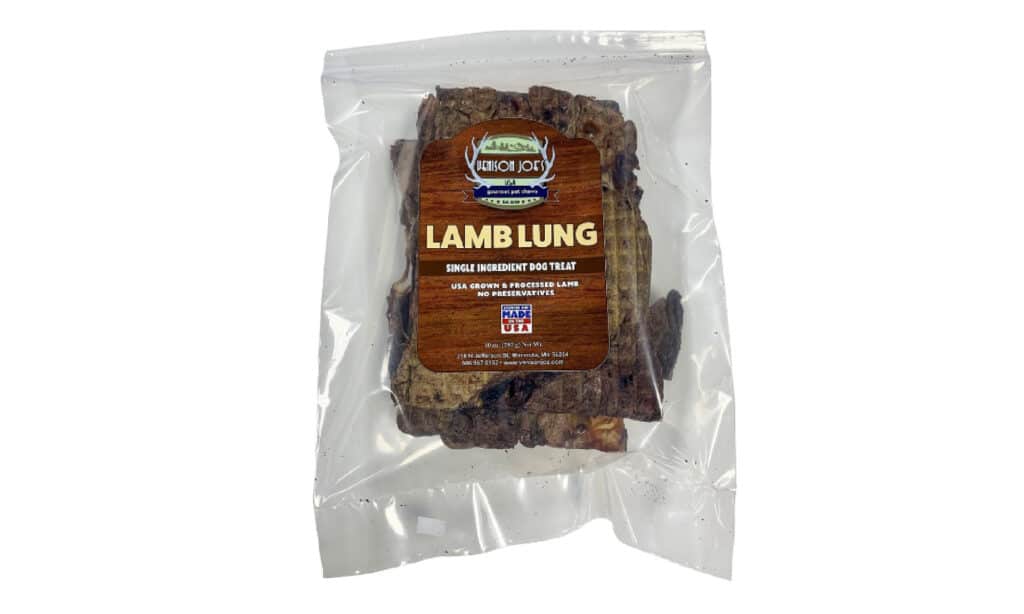
    In conclusion, while liverwurst can be a tasty treat for dogs, it’s important to be aware of its potential risks and to offer it in moderation. Liver is a nutritious food for dogs, but liverwurst often contains other ingredients that can be harmful in excess, such as salt, onions, and excessive amounts of fat.

    Fortunately, there are plenty of safe and healthy alternatives to liverwurst that your dog is sure to enjoy. Lean meats, fresh fruits and vegetables, low-fat dairy products, and natural dog treats are all great options that provide your pup with a variety of nutrients and flavors.

    As always, when introducing new foods or treats to your dog, it’s important to do so slowly and in moderation, and to watch for any signs of adverse reactions. And, when in doubt, always consult with your veterinarian for expert advice on your dog’s diet and health.

    With a little bit of knowledge and creativity, you can find plenty of safe and delicious ways to spoil your furry friend and keep them healthy at the same time. Happy snacking!

    ~Lindsie

    A note about your dog’s health

    This article provides general education and does not replace an examination, diagnosis, or individualized advice from your veterinarian. Contact a veterinary professional if you are concerned about your dog’s symptoms.

    Lindsie Parks B.S., CRDNS Avatar

    ABOUT THE AUTHOR
  • Can Dogs Eat Tootsie Rolls? – Expert Answers

    Can Dogs Eat Tootsie Rolls? – Expert Answers

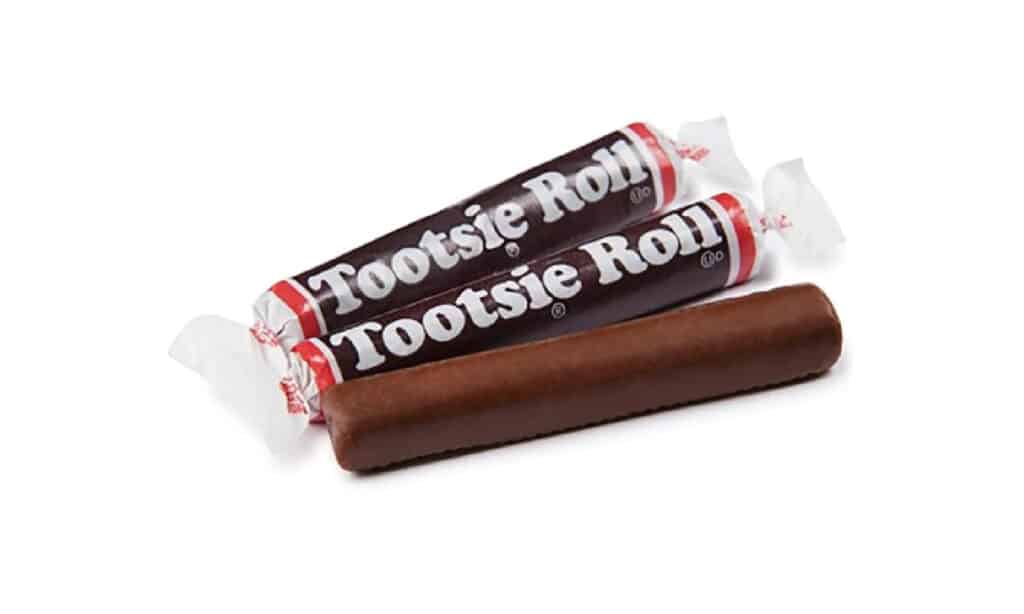
    As a pet owner, it’s important to be mindful of what your furry friend is consuming. While it’s tempting to share some of your favorite treats with your dog, not all human foods are safe for dogs to eat. One common treat that may come to mind is Tootsie Rolls. These small chocolatey candies have been a beloved treat for many of us since childhood, but can dogs eat tootsie rolls too? In this blog, we’ll explore the potential risks feeding Tootsie Rolls to your dog, and provide some expert advice on how to keep your pup healthy and happy.

    can dogs have tootsie rolls

    What Are Tootsie Rolls?

    Tootsie Rolls have been a beloved candy for over a century. They were first introduced in 1896 by the Sweets Company of America and have since become a staple in candy aisles worldwide. Tootsie Rolls are made by melting together a blend of cocoa powder, sugar, and other ingredients, which are then formed into small, chewy logs with a smooth yet slightly gritty texture. Along with the classic chocolate flavor, Tootsie Rolls come in a variety of other flavors such as cherry, vanilla, and grape. They have become a cultural icon in their own right, enjoyed by people of all ages. However, when it comes to sharing these treats with our furry friends, it’s important to consider whether they are safe for dogs to eat.

    Can Dogs Have Tootsie Rolls?

    When it comes to sharing human food with our furry companions, it’s important to consider whether or not it is safe for them to consume. So, can dogs have Tootsie Rolls?

    Unfortunately, the answer is no. Tootsie Rolls are not safe for dogs to eat. The primary reason for this is that they contain chocolate, which is toxic to dogs. Chocolate contains a chemical called theobromine, which can cause a range of symptoms in dogs such as vomiting, diarrhea, seizures, and even death in severe cases. The amount of theobromine in Tootsie Rolls varies depending on the type and size of the candy, but even small amounts can be dangerous for dogs.

    In addition to the chocolate content, Tootsie Rolls are also high in sugar and artificial additives, which can cause digestive upset and contribute to obesity in dogs. While a small piece of Tootsie Roll may not cause immediate harm, it’s best to err on the side of caution and avoid feeding these candies to your furry friend altogether.

    In conclusion, while Tootsie Rolls may be a nostalgic and delicious treat for humans, they are not safe for our canine companions. If you’re looking to spoil your dog with a special treat, there are many safe and healthy options available specifically designed for dogs, such as dog-friendly biscuits and treats.

    Harmful Ingredients in Tootsie Rolls:

    Tootsie Rolls are a popular candy, but they contain several harmful ingredients that can be dangerous for dogs and humans alike.

    Firstly, Tootsie Rolls contain chocolate, which as previously mentioned, contains theobromine. This chemical is toxic to dogs and can cause a range of symptoms such as vomiting, diarrhea, seizures, and even death in severe cases. The darker the chocolate, the more theobromine it contains, which means that the darker chocolate Tootsie Rolls pose a higher risk to dogs.

    Secondly, Tootsie Rolls are high in sugar and artificial additives. Sugar can contribute to dental problems, obesity, and diabetes in dogs, while artificial additives can cause digestive upset and allergic reactions.

    Additionally, Tootsie Rolls contain corn syrup, a sweetener that has been linked to health problems such as obesity, type 2 diabetes, and heart disease in humans. While the effects of corn syrup on dogs are not as well understood, it’s best to avoid feeding your furry friend any foods that contain this ingredient.

    Overall, while Tootsie Rolls may be a tasty treat for humans, they contain several harmful ingredients that make them unsafe for dogs to eat. If you want to treat your dog to something special, it’s best to opt for dog-specific treats that are free from these harmful ingredients.

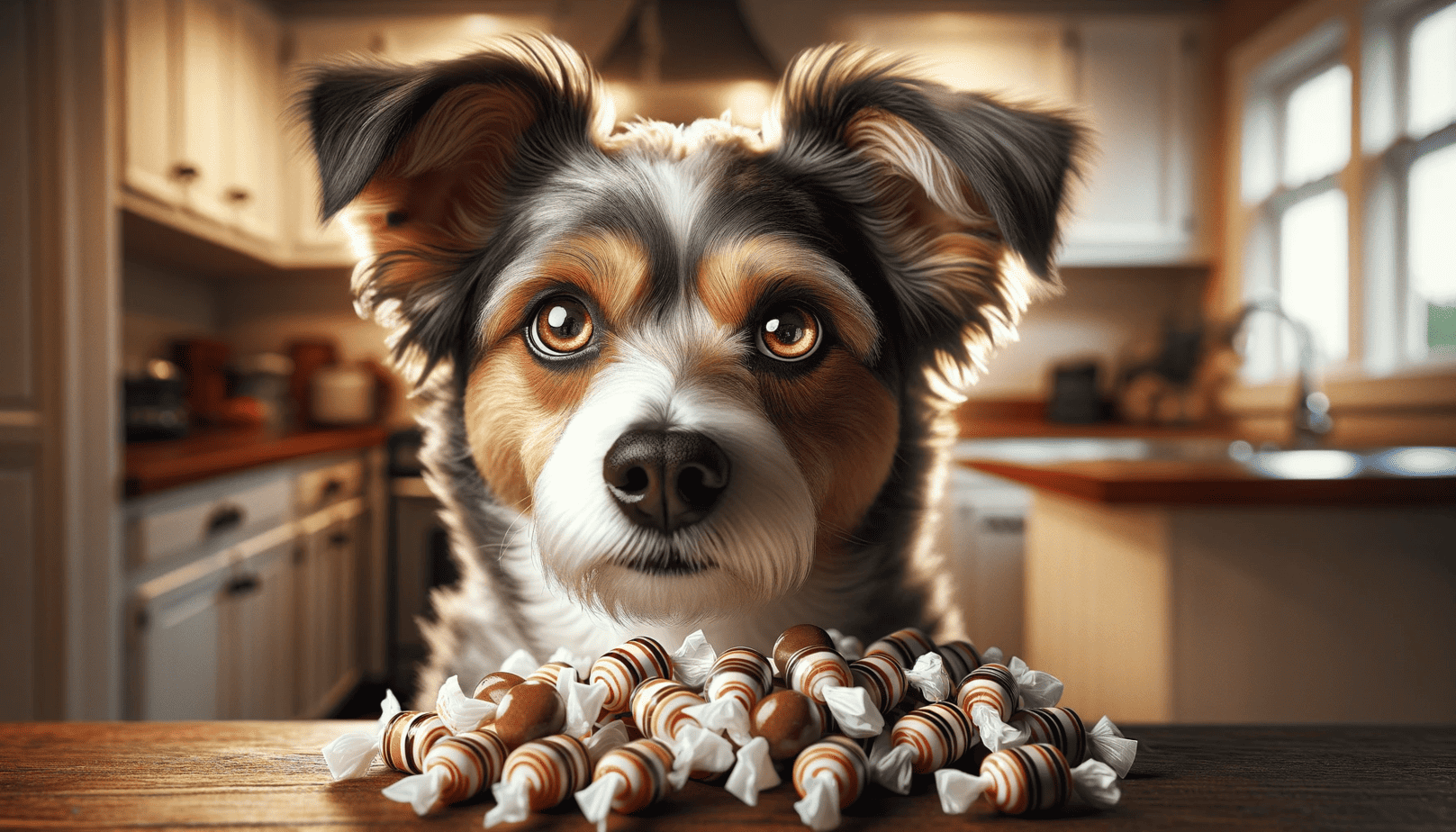
    The dangers of Tootsie Rolls for dogs: what you need to know

    What Signs To Watch For If Your Dog Accidentally Ate A Lot of Tootsie Rolls?

    If your dog accidentally ate a lot of Tootsie Rolls, it’s important to watch for signs of chocolate toxicity and digestive upset. The symptoms may not appear immediately after ingestion, so it’s important to monitor your dog closely for the next few hours or even days.

    Some signs to watch for include:

    1. Vomiting and/or diarrhea
    2. Increased thirst and urination
    3. Hyperactivity or restlessness
    4. Muscle tremors or seizures
    5. Rapid heart rate or abnormal heart rhythm
    6. Elevated body temperature
    7. Difficulty breathing or panting
    8. Staggering or loss of coordination

    If you notice any of these symptoms in your dog, it’s important to seek veterinary attention immediately. Chocolate toxicity can be life-threatening, and prompt treatment is crucial for the best chance of recovery.

    In conclusion, if you suspect that your dog has eaten a lot of Tootsie Rolls or any other chocolate-containing product, it’s important to watch for signs of chocolate toxicity and seek veterinary attention if necessary. Prevention is the best approach, so it’s always best to keep chocolate and other harmful foods out of reach of your furry friend.

    When or If You Should Go To The Vet?

    If you suspect that your dog has eaten a lot of Tootsie Rolls or any other chocolate-containing product, and they show signs of chocolate toxicity or digestive upset, it’s important to seek veterinary attention immediately.

    If your dog is showing any of the following symptoms, you should go to the vet:

    1. Vomiting or diarrhea that persists for more than 24 hours
    2. Blood in the vomit or diarrhea
    3. Signs of dehydration, such as dry mouth, sunken eyes, or lethargy
    4. Difficulty breathing or panting
    5. Rapid heart rate or abnormal heart rhythm
    6. Muscle tremors or seizures
    7. Loss of consciousness

    These symptoms may indicate a more serious condition that requires immediate veterinary attention.

    It’s also important to note that chocolate toxicity can be fatal, especially in smaller dogs or those with pre-existing health conditions. If you’re unsure whether your dog has eaten enough chocolate to cause a problem, it’s always best to err on the side of caution and seek veterinary attention.

    In conclusion, if your dog has eaten a lot of Tootsie Rolls or any other chocolate-containing product and shows signs of chocolate toxicity or digestive upset, it’s important to seek veterinary attention immediately. Prompt treatment can make all the difference in the outcome of your dog’s health.

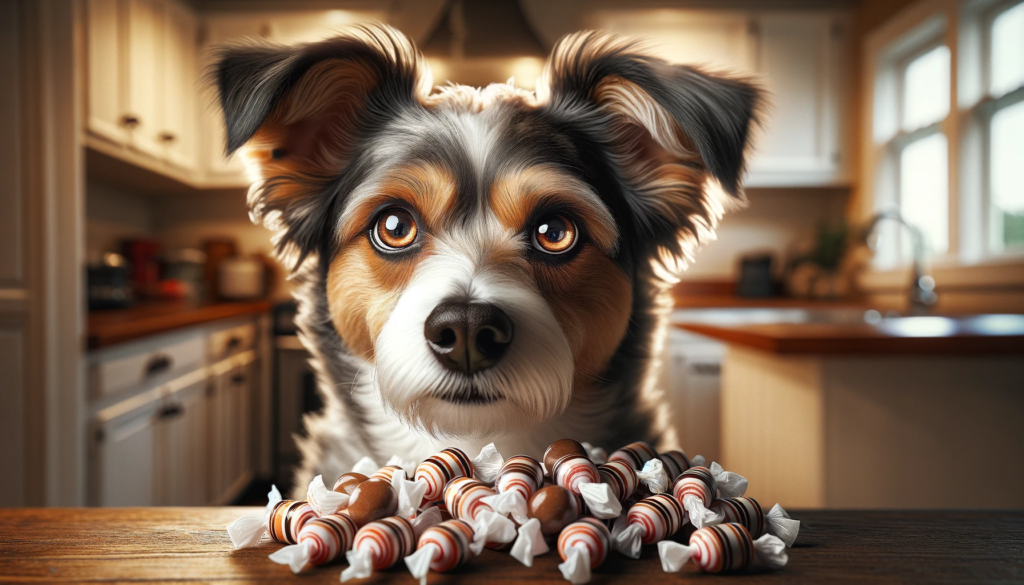
    Sweet temptation: why Tootsie Rolls can be dangerous for dogs

    Safe Dog-Friendly Alternative to Tootsie Rolls:

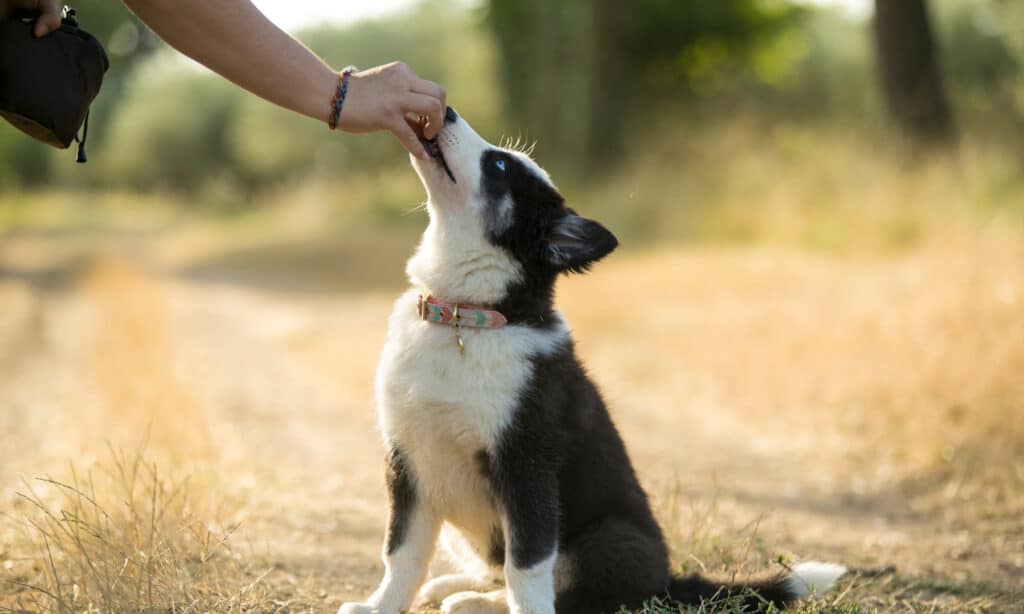
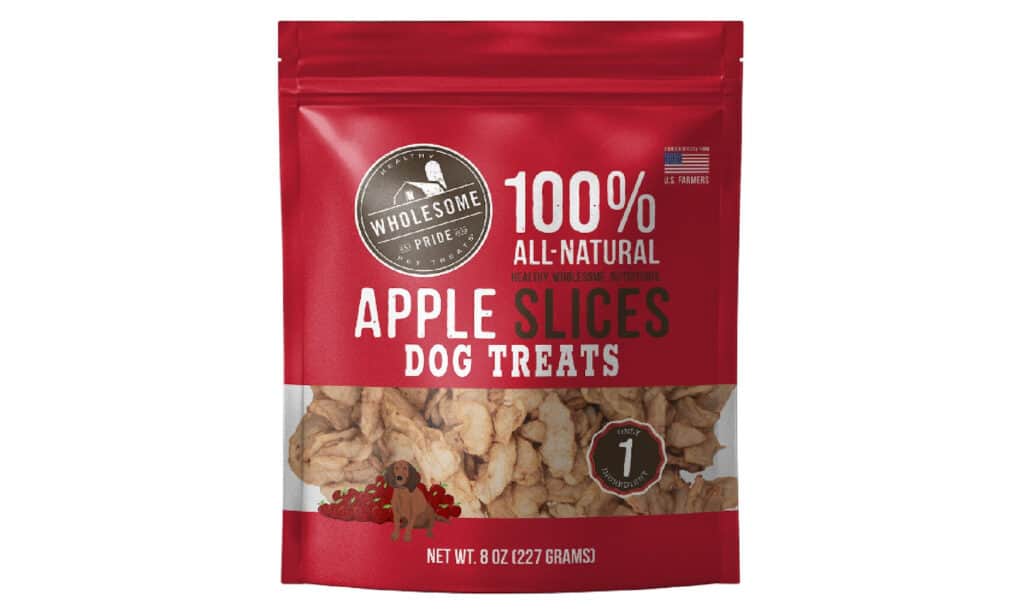
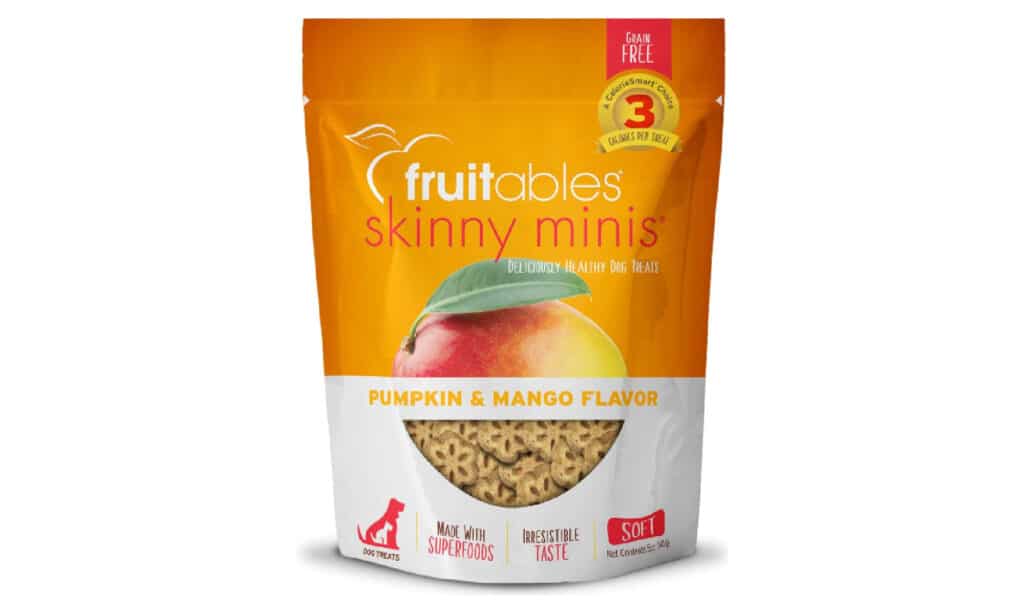
    If you’re searching for a yummy and healthy alternative to Tootsie Rolls for your four-legged friend, there are lots of options available. For example, dog biscuits are a great choice because they’re designed just for dogs and come in many different flavors and textures. Crunchy and nutritious snacks like carrot or apple slices are also a fantastic option that are low in calories and high in fiber. You could also whip up some homemade frozen treats by blending fruits with yogurt or peanut butter and freezing them. Jerky treats are another tasty option that are high in protein and come in a variety of flavors. And if you’re looking for something natural and low-calorie, pumpkin or sweet potato chews are a great choice since they’re high in fiber and vitamins.

    Overall, there are plenty of safe and dog-friendly alternatives to Tootsie Rolls that will make your furry friend happy without compromising their health. By choosing treats that are made from wholesome ingredients and specifically designed for dogs, you can give your pet a delicious and healthy snack they’ll love.

    Healthy Store-Bought Options:

    In conclusion, while Tootsie Rolls may be a beloved candy for humans, they are not safe for our furry friends to consume. They contain chocolate, sugar, and artificial additives that can be harmful to dogs and cause digestive upset, obesity, and other health issues. If your dog accidentally eats Tootsie Rolls or any other chocolate-containing product, it’s important to monitor them closely for signs of chocolate toxicity and seek veterinary attention if necessary.

    Fortunately, there are plenty of safe and dog-friendly alternatives to Tootsie Rolls that you can offer your furry friend. From dog biscuits to frozen treats, jerky treats, and natural chews, there are many options available that are made from wholesome ingredients and designed specifically for dogs. By choosing these treats, you can give your dog a special snack without compromising their health.

    As a responsible pet owner, it’s important to be mindful of what your dog is consuming and ensure that their diet is balanced and healthy. By avoiding harmful foods like Tootsie Rolls and providing your dog with nutritious treats, you can help them live a long and happy life.

    ~Lindsie

    A note about your dog’s health

    This article provides general education and does not replace an examination, diagnosis, or individualized advice from your veterinarian. Contact a veterinary professional if you are concerned about your dog’s symptoms.

    Lindsie Parks B.S., CRDNS Avatar

    ABOUT THE AUTHOR
  • Can Dogs Eat Meatballs? – Expert Answers

    Can Dogs Eat Meatballs? – Expert Answers

    As a dog owner, you’re always looking for ways to keep your furry friend healthy and happy. And since meatballs are a favorite dish for many people, you might be wondering if your dog can join in on the fun. After all, dogs are known for their love of meat, so it seems like a natural fit, right? But before you start sharing your meatballs with your pup, it’s important to consider whether it’s safe and healthy for them to eat this human food. In this blog post, we’ll take a closer look at the question of whether dogs can eat meatballs and what you need to know to keep your dog healthy and happy.

    can dogs eat meatballs

    What Are Meatballs?

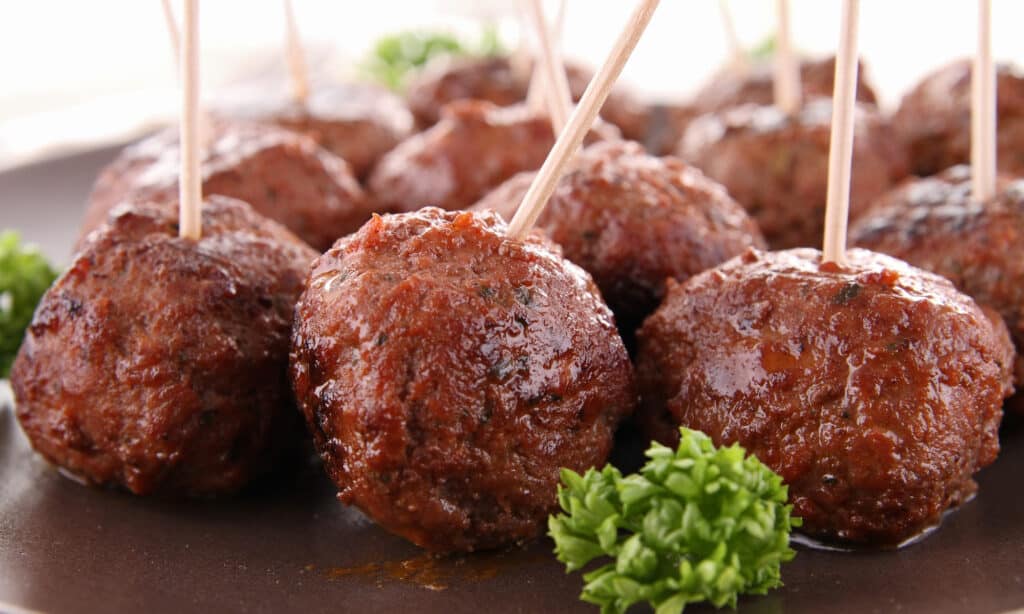
    Meatballs are a type of food made from ground meat, typically beef, pork, or a combination of the two, mixed with seasonings and sometimes other ingredients like breadcrumbs, eggs, and herbs. The mixture is rolled into small, bite-sized balls and cooked by frying, baking, or simmering in a sauce. Meatballs are a popular dish in many cuisines around the world, from Italian spaghetti and meatballs to Swedish meatballs served with lingonberry sauce. They can be eaten on their own as a snack or appetizer, or as a main course served with pasta, rice, or vegetables. While meatballs are a human food, some dog owners may wonder if it’s safe for their furry friends to eat them too.

    Can Dogs Have Meatballs?

    When it comes to feeding your dog, it’s important to know which human foods are safe and which ones can be harmful to their health. So, can dogs have meatballs? The answer is: it depends. While plain, cooked meatballs made from high-quality ingredients can be a tasty and nutritious addition to your dog’s diet, some types of meatballs are not safe for dogs to eat.

    Meatballs that contain onions, garlic, or other seasonings that are toxic to dogs should be avoided. Additionally, meatballs that are high in fat or salt can cause digestive upset or even lead to more serious health issues like pancreatitis.

    If you want to give your dog meatballs as a treat or part of their regular diet, it’s best to make them yourself using lean, unseasoned ground meat and avoid adding any harmful ingredients. You can also consult with your veterinarian to make sure that meatballs are a suitable food for your dog based on their individual health needs and dietary restrictions.

    Remember, while it can be tempting to share your human food with your furry friend, it’s important to prioritize their health and safety and only offer them foods that are appropriate for their specific needs.

    Can dogs eat meatballs? The answer is yes, with a few caveats

    Harmful Ingredients in Meatballs:

    While plain, cooked meatballs made from high-quality ingredients can be a tasty and nutritious addition to your dog’s diet, certain ingredients commonly found in meatballs can be harmful to dogs. Here are some examples:

    1. Onions and Garlic: These ingredients are toxic to dogs and can cause damage to their red blood cells, leading to anemia. Even small amounts of onions or garlic can be dangerous, so it’s best to avoid any meatballs that contain these ingredients.
    2. Salt: Meatballs that are high in salt can cause your dog to become dehydrated, leading to excessive thirst and urination. In severe cases, salt poisoning can cause seizures, vomiting, and even death.
    3. Fat: Meatballs that are high in fat can be difficult for your dog to digest and may cause diarrhea, vomiting, or even pancreatitis, a serious condition that can require hospitalization.
    4. Bread Crumbs: Breaded meatballs can be high in carbs, causing weight gain and health problems in some dogs.
    5. Spices and Seasonings: Seasoned meatballs can contain harmful ingredients to dogs such as chili powder, paprika, or rosemary.

    Overall, it’s best to stick to plain, unseasoned meatballs made from high-quality ingredients to ensure your dog stays healthy and happy.

    Safe Ingredients in Meatballs:

    If you want to treat your dog to some meatballs, it’s important to choose ingredients that are safe and healthy for them. Here are some examples of ingredients you can use to make safe and nutritious meatballs for your furry friend:

    1. Lean Meat: Choose high-quality lean meat such as ground beef, turkey, or chicken as the main ingredient in your meatballs. Avoid fatty meat, as it’s hard to digest and can cause health issues for your dog.
    2. Vegetables: Add veggies like carrots or sweet potato to meatballs for dogs to boost fiber and vitamins. Just make sure to avoid any vegetables that are toxic to dogs, such as onions, garlic, or avocado.
    3. Eggs: Egg in meatball mix binds ingredients, adds protein to your dog’s diet.
    4. Oats: Oats are a good source of fiber and can help keep your dog’s digestive system healthy. You can add a small amount of rolled oats to your meatball mixture as a healthy filler.
    5. Herbs: Herbs like parsley and basil add nutrition and flavor to meatballs without harming dogs. Just be sure to avoid any herbs that can be toxic to dogs, such as thyme or sage.

    By using these safe and healthy ingredients, you can make delicious meatballs that your dog can enjoy as a treat or part of their regular diet.

    Homemade meatballs for dogs: easy and nutritious

    What Signs To Watch For If Your Dog Accidentally Ate A Lot of Meatballs?

    If your dog accidentally eats a lot of meatballs or meatballs that contain harmful ingredients, it’s important to watch for signs of potential health issues. Here are some common symptoms to watch for:

    1. Vomiting: If your dog eats something that doesn’t agree with their stomach, they may vomit to expel the substance. If your dog vomits more than once or if the vomit contains blood or bile, contact your veterinarian.
    2. Diarrhea: Eating something that’s not part of their regular diet can upset your dog’s digestive system and cause diarrhea. If your dog has diarrhea that lasts for more than a day or that contains blood, contact your veterinarian.
    3. Loss of appetite: Loss of appetite or thirst in dogs may signal gastrointestinal distress or a serious health problem.If your dog refuses food or water for more than 24 hours, contact your veterinarian.
    4. Lethargy: If your dog seems unusually tired or sluggish, it may be a sign that they’re not feeling well. If your dog is lethargic for more than a day or if they’re also exhibiting other symptoms, contact your veterinarian.
    5. Abdominal pain: If your dog is experiencing abdominal pain, they may whine, whimper, or pant excessively. They may also appear to be hunched over or uncomfortable.

    If you notice any of these symptoms or if your dog appears to be in distress, contact your veterinarian immediately. Depending on the severity of the symptoms, your veterinarian may recommend bringing your dog in for an examination or treatment.

    When or If You Should Go To The Vet?

    If you suspect that your dog has eaten a lot of meatballs or meatballs containing harmful ingredients, it’s important to keep a close eye on them and watch for any signs of potential health issues. Err on caution & contact vet if your dog shows listed symptoms.

    In some cases, your veterinarian may recommend bringing your dog in for an examination or treatment. Depending on the severity of the symptoms, they may advise you to monitor your dog at home or bring them in for immediate treatment.

    If you’re not sure whether your dog needs to see a veterinarian, it’s always better to be safe than sorry. Your veterinarian can help you determine whether your dog needs treatment and can provide you with guidance on how to manage any symptoms at home.

    Remember, prevention is key. To avoid any potential issues, it’s best to only feed your dog meatballs made from safe, high-quality ingredients in moderate amounts. And always keep harmful ingredients like onions and garlic out of your dog’s reach. By taking these precautions, you can help keep your furry friend healthy and happy.

    Canine-friendly meatballs made with all-natural ingredients

    Safe Dog-Friendly Alternative to Meatballs:

    If you’re looking for a dog-friendly alternative to meatballs, there are plenty of safe and nutritious options to choose from. Here are some ideas:

    1. Homemade Dog Treats: DIY dog treats = healthy and tasty snacks for your furry friend. Make homemade dog treats using peanut butter, sweet potato, and pumpkin. Recipes are available online for tasty and nutritious options.
    2. Carrots: Carrots are a low-calorie, fiber-rich snack that many dogs enjoy. You can cut them into bite-sized pieces and offer them as a healthy treat throughout the day.
    3. Green Beans: Green beans are another low-calorie, fiber-rich snack that can help keep your dog feeling full and satisfied. Steam or blanch and give as snack or mix in regular meals for your dog
    4. Lean Meat: Choose lean chicken, turkey, or beef for your dog’s meaty treats. You can cook the meat and cut it into small pieces for a tasty and nutritious snack.
    5. Freeze-Dried Meat: Freeze-dried meat treats are a convenient and healthy option that many dogs enjoy. They’re made from high-quality, human-grade meat that has been freeze-dried to lock in nutrients and flavor.

    By choosing safe and healthy alternatives to meatballs, you can provide your dog with tasty and nutritious snacks without risking their health. Just remember to introduce new foods slowly and in moderation to avoid any digestive upset or food sensitivities.

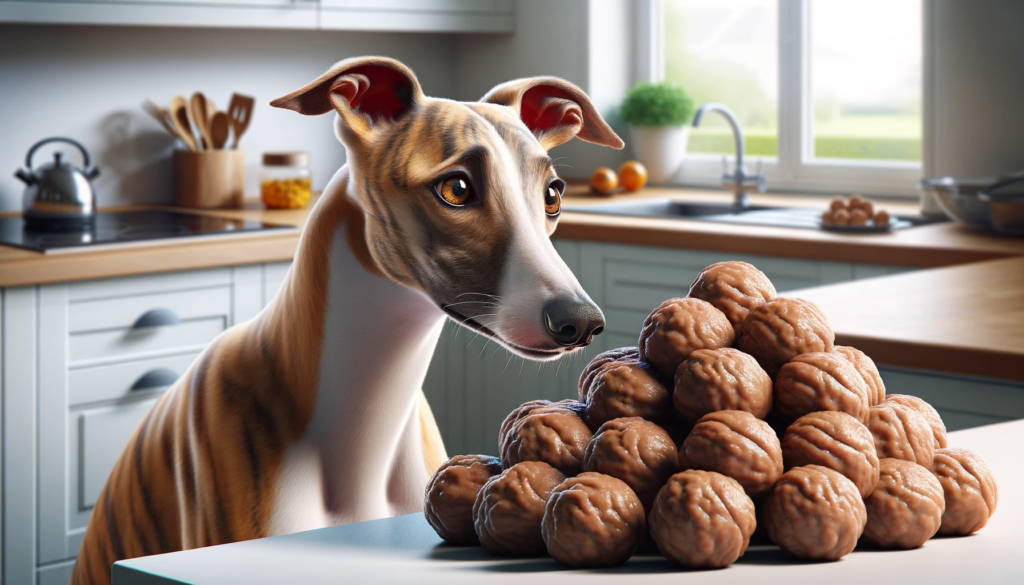
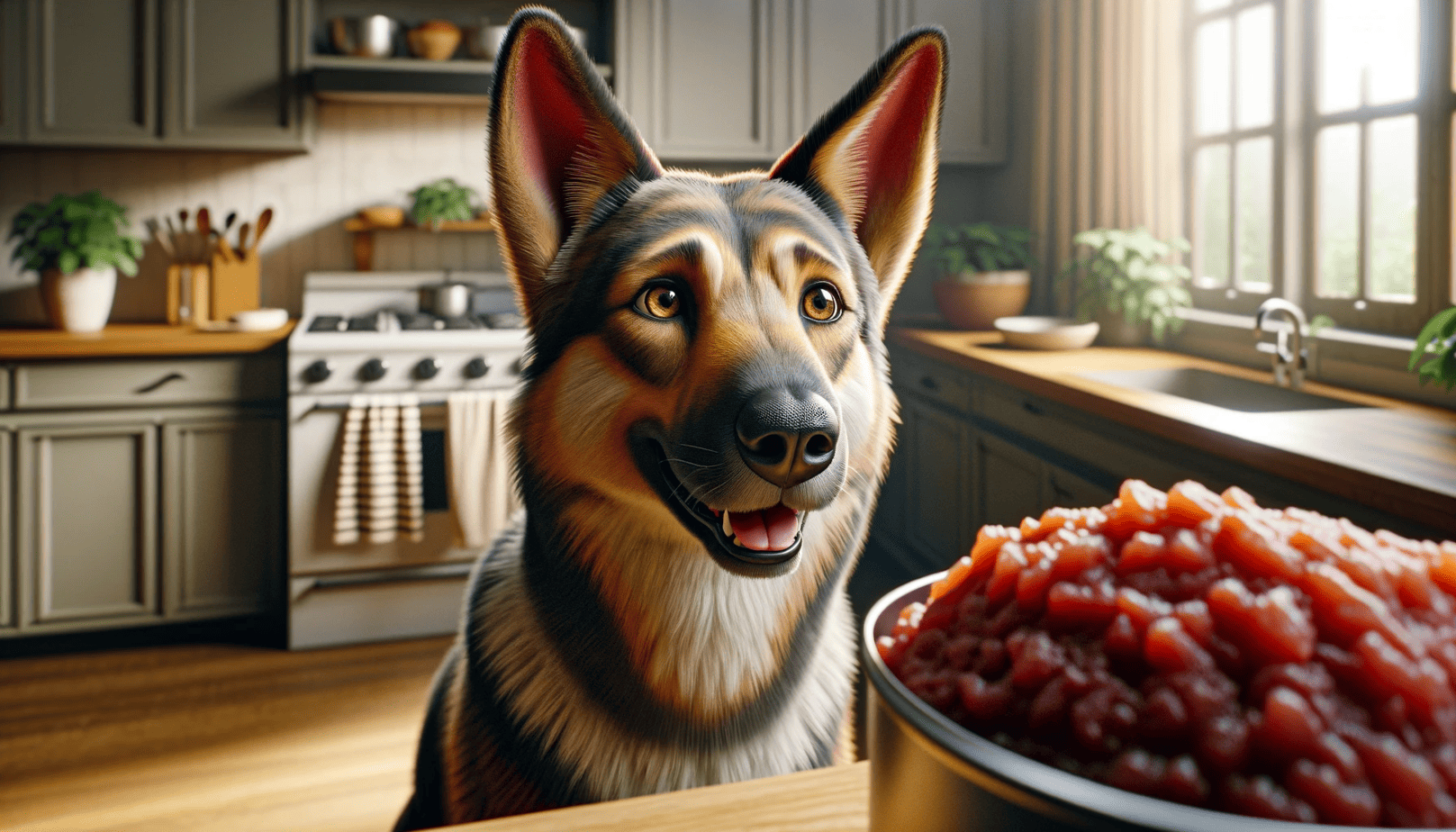
    A cute pup eagerly waiting for a meatball snack

    Recipe For Healthy Meatballs for Dogs

    Here’s a simple and dog-friendly meatball recipe:

    Ingredients:

    • 1 pound lean ground beef
    • 1/2 cup cooked and mashed sweet potato
    • 1/4 cup finely chopped carrots
    • 1 egg
    • 1/4 cup rolled oats
    • 1/4 teaspoon dried parsley

    Instructions:

    1. Preheat your oven to 350°F (175°C).
    2. In a large mixing bowl, combine the ground beef, mashed sweet potato, chopped carrots, egg, rolled oats, and dried parsley. Mix well until all ingredients are fully incorporated.
    3. Using your hands, shape the mixture into small, bite-sized meatballs.
    4. Place the meatballs on a baking sheet lined with parchment paper.
    5. Bake for 20-25 minutes or until the meatballs are cooked through and lightly browned on the outside.
    6. Let the meatballs cool before serving to your furry friend.

    This recipe makes approximately 20-25 meatballs, depending on the size. You can store any leftover meatballs in an airtight container in the fridge for up to 5 days or in the freezer for up to 3 months.

    Healthy Store-Bought Options:

    As a responsible dog owner, it’s important to prioritize your furry friend’s health and safety when it comes to their diet. While meatballs can be a tasty and convenient human food, it’s important to be mindful of the potential risks and to only feed your dog meatballs made from safe and nutritious ingredients.

    If you do decide to give your dog meatballs as a treat or part of their regular diet, make sure to avoid any harmful ingredients like onions and garlic, and choose lean meats and healthy fillers like vegetables and oats. And always keep an eye on your dog for any signs of potential health issues, such as vomiting or diarrhea.

    Remember, there are many safe and healthy alternatives to meatballs that you can offer your dog, from homemade treats to lean meats and vegetables. By prioritizing your dog’s health and making informed choices about their diet, you can help ensure that they live a long, happy, and healthy life by your side.

    ~ Lindsie

    A note about your dog’s health

    This article provides general education and does not replace an examination, diagnosis, or individualized advice from your veterinarian. Contact a veterinary professional if you are concerned about your dog’s symptoms.

    Lindsie Parks B.S., CRDNS Avatar

    ABOUT THE AUTHOR

  • Can Dogs Eat Pizza Rolls? – Expert Answers

    Can Dogs Eat Pizza Rolls? – Expert Answers

    If you’re a dog owner, you’re probably familiar with the pleading eyes and hopeful wagging tail that come with every mealtime. And let’s be honest, it’s hard to resist giving in to those adorable requests for a bite of whatever we’re eating. But when it comes to pizza rolls, you may be wondering if they’re safe for your furry friend to indulge in. After all, dogs have different nutritional needs and digestive systems than humans, and what’s safe for us may not be safe for them. So, can dogs eat pizza rolls? In this blog, we’ll explore the potential risks and benefits of feeding pizza rolls to your dog, and give you all the information you need to make an informed decision about what to feed your canine companion.

    Can dogs safely eat pizza rolls?

    What Are Pizza Rolls?

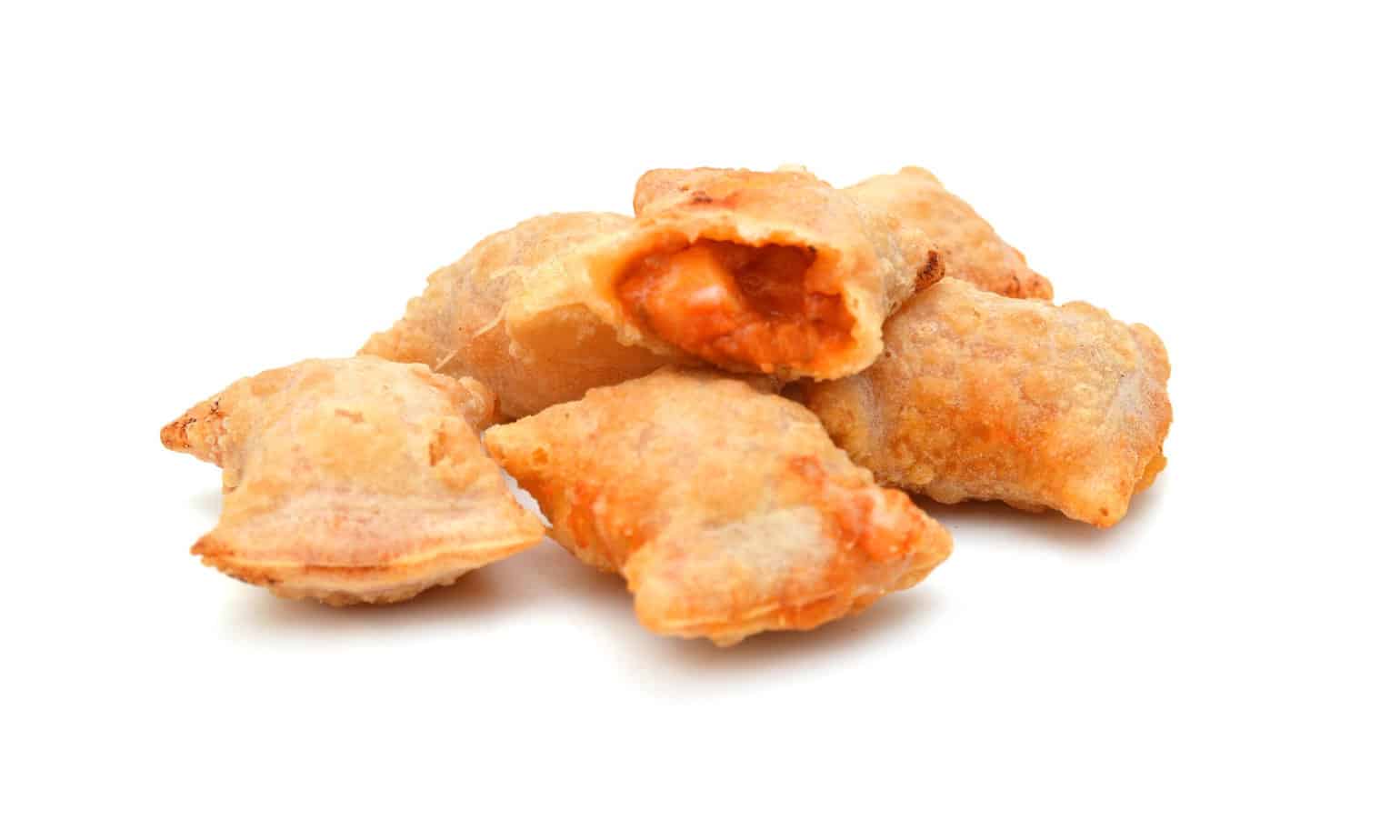
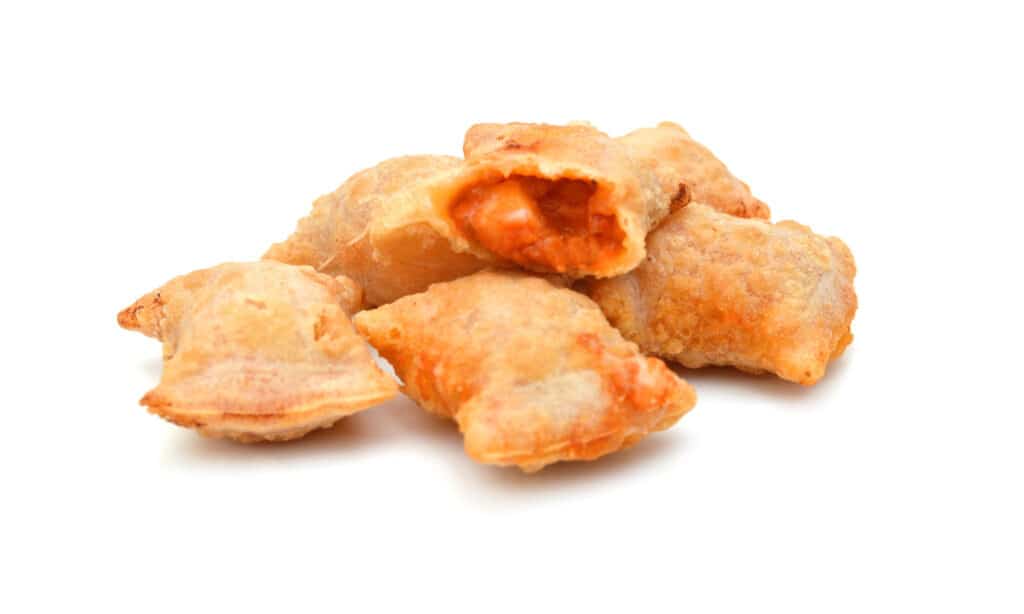
    Pizza rolls are a popular snack food that are often enjoyed as a quick and easy meal or snack. They are typically made by wrapping pizza ingredients such as cheese, sauce, and toppings inside a small, breaded and baked or fried dough shell. Pizza rolls are often sold frozen and can be heated up in the oven, microwave, or deep fryer for a crispy, convenient snack.

    While pizza rolls can be a tasty treat for humans, it’s important to keep in mind that they may not be suitable for our four-legged friends. Dogs have different nutritional needs and digestive systems than humans, and certain ingredients commonly found in pizza rolls could potentially be harmful to their health. In the next sections, we’ll explore the potential risks and benefits of feeding pizza rolls to dogs, so you can make an informed decision about what to feed your furry friend.

    Can Dogs Eat Pizza Rolls?

    When it comes to feeding pizza rolls to dogs, the short answer is that it’s best to avoid it if possible. While some ingredients in pizza rolls may not be harmful in small quantities, there are several reasons why they are not an ideal food for our canine companions.

    One of the main concerns is the high fat and calorie content of pizza rolls, which can lead to weight gain and obesity in dogs. Pizza rolls contain processed meats, like pepperoni or sausage, which are high in sodium and preservatives harmful to dogs.

    Another potential issue with feeding pizza rolls to dogs is the risk of gastrointestinal upset. Dogs have sensitive digestive systems and consuming foods that are high in fat, salt, or spices can lead to vomiting, diarrhea, or other digestive issues.

    Finally, some ingredients commonly found in pizza rolls, such as garlic or onion powder, can be toxic to dogs if consumed in large quantities.

    While it may be tempting to share your pizza rolls with your furry friend, it’s best to stick to dog-friendly snacks and treats that are specifically formulated for their nutritional needs. Consult your vet if unsure about your dog’s food safety to make the best choices for their wellbeing.

    Pizza rolls - a dog-friendly treat?

    Harmful Ingredients in Pizza Rolls:

    Pizza rolls may be a delicious and convenient snack for humans, but they can contain several ingredients that are potentially harmful to dogs. Some of the most concerning ingredients in pizza rolls include:

    1. Garlic and Onion Powder: Pizza roll ingredients can cause anemia in dogs if eaten excessively.
    2. Cheese: Cheese-filled pizza rolls may cause GI upset in dogs despite cheese being generally safe for them.
    3. Processed Meats: Avoid giving pizza rolls with processed meats to dogs, as they may contain harmful preservatives and high sodium.
    4. Dough: Pizza rolls’ dough high in calories & carbs can cause weight gain & health issues in dogs.
    5. Spices: Pizza rolls’ spices like oregano, basil, and red pepper flakes can cause digestive upset in some dogs.

    If your dog has consumed any of these ingredients, it’s important to monitor them closely for any signs of gastrointestinal upset, such as vomiting or diarrhea. When in doubt, consult your vet about whether certain foods are safe for your dog. Some ingredients may require attention.

    Safe Ingredients in Pizza Rolls:

    While there are several ingredients commonly found in pizza rolls that can be harmful to dogs, there are also some ingredients that are safe for our furry friends to consume in moderation. Some safe ingredients in pizza rolls include:

    1. Tomatoes: Tomatoes are a common ingredient in pizza sauce and are safe for dogs to eat in small quantities. Some dogs may be allergic to tomatoes or experience digestive upset if they consume too much.
    2. Vegetables: Many pizza rolls contain vegetables such as bell peppers, mushrooms, and onions. Small amounts of veggies are safe for dogs. Onions are harmful, but other options provide nutritional benefits.
    3. Meat: Pizza rolls with high-quality meats like grilled chicken or lean beef are safe for dogs in moderation; avoid processed meats.
    4. Herbs: Basil, parsley, and thyme in pizza rolls have health benefits for dogs and are safe for consumption.

    However, it’s important to remember that pizza rolls should never be a regular part of your dog’s diet, and any ingredients should be given in moderation. Additionally, it’s always best to consult with your veterinarian before introducing any new foods into your dog’s diet to ensure that they are safe and appropriate for your pet’s individual nutritional needs.

    Healthy or harmful? Pizza rolls for dogs

    What Signs To Watch For If Your Dog Accidentally Ate A Lot of Pizza Rolls?

    If your dog accidentally ate a lot of pizza rolls, you should keep an eye out for the following signs of gastrointestinal distress:

    1. Vomiting: Excess food or indigestible ingredients may cause vomiting in dogs.
    2. Diarrhea: Dogs’ diarrhea is a sign of digestive upset due to overconsumption of fat or hard-to-digest ingredients
    3. Abdominal Pain: Your dog may exhibit signs of discomfort such as whining or pacing if they are experiencing abdominal pain.
    4. Lethargy: Overeating can make dogs tired, less active than usual.
    5. Loss of Appetite: Sick dogs may lose appetite or refuse to eat.

    If your dog exhibits any of these symptoms, it’s important to monitor them closely and make sure they have access to plenty of fresh water. In some cases, exposure to certain ingredients in pizza rolls may require veterinary attention, so it’s always best to consult with your veterinarian if you’re ever unsure about whether a particular food is safe for your dog to eat or if your dog is exhibiting any signs of illness or distress.

    When or If You Should Go To The Vet?

    If your dog has accidentally consumed a large amount of pizza rolls or is exhibiting signs of gastrointestinal distress such as vomiting or diarrhea, you should monitor them closely for any changes in their condition. In some cases, exposure to certain ingredients in pizza rolls can be harmful to dogs and may require veterinary attention.

    You should consider taking your dog to the vet if they are exhibiting any of the following symptoms:

    1. Severe vomiting or diarrhea: Frequent vomiting or diarrhea in dogs can cause dehydration and electrolyte imbalances, which can be dangerous if untreated.
    2. Abdominal pain: Abdominal pain in dogs? Whining, pacing, or reluctance to move? Seek medical attention immediately.
    3. Difficulty breathing: Seek immediate veterinary care if your dog has breathing problems or is in distress.
    4. Loss of consciousness: If your dog becomes unresponsive or loses consciousness, they require emergency veterinary care.
    5. Allergic reaction: A dog allergic to pizza rolls or showing hives/difficulty breathing needs urgent medical attention.

    It’s always better to err on the side of caution and seek veterinary care if you’re unsure about your dog’s condition or if they are exhibiting any signs of illness or distress. Your veterinarian can help diagnose any underlying health issues and provide appropriate treatment to help your dog recover as quickly as possible.

    "Feeding your dog pizza rolls: what you need to know

    Safe Dog-Friendly Alternative to Pizza Rolls:

    If you’re looking for a safe and healthy alternative to pizza rolls for your furry friend, there are several dog-friendly snacks and treats that you can try. Here are a few options to consider:

    1. Homemade Dog Treats: There are many simple and easy-to-make dog treat recipes that you can try at home. DIY treats = high-quality, dog-friendly ingredients and customized recipe to suit your pup’s nutritional needs and taste buds.
    2. Vegetables: Carrots, sweet potatoes, and green beans are safe and healthy low-calorie snacks for dogs. You can try baking or steaming the vegetables to make them more appealing to your dog.
    3. Fruits: Some fruits such as apples, bananas, and blueberries can be a tasty and nutritious treat for dogs in moderation. However, it’s important to remove any seeds or pits that could be harmful to your dog’s health.
    4. Dental Chews: Dental chews promote good oral hygiene and clean teeth in dogs while providing a tasty snack. Be sure to choose dental chews that are appropriate for your dog’s size and chewing habits.
    5. Lean Meat: Grilled chicken or turkey is a healthy protein-rich snack for dogs in moderation. However, it’s important to avoid processed meats and to remove any bones that could be a choking hazard.

    Remember that while it’s important to provide your dog with healthy and nutritious snacks, treats should always be given in moderation and as part of a balanced diet. If you’re ever unsure about whether a particular food is safe for your dog to eat, it’s always best to consult with your veterinarian.

    Healthy Store-Bought Options:

    In conclusion, while pizza rolls may be a tempting snack for both humans and dogs alike, it’s important to keep in mind that they may not be the best choice for our furry friends. With their high fat and calorie content, as well as potential harmful ingredients such as garlic and onion powder, pizza rolls can lead to health issues such as obesity, digestive upset, and anemia in dogs.

    Fortunately, there are many safe and healthy alternatives that you can try, such as homemade dog treats, vegetables, fruits, dental chews, and lean meats. By choosing dog-friendly snacks and treats, you can ensure that your furry friend is getting the nutrients they need without risking their health.

    Remember, if your dog ever accidentally consumes a large amount of pizza rolls or is exhibiting signs of gastrointestinal distress, it’s always best to monitor them closely and consult with your veterinarian if you’re unsure about their condition. With proper care and attention, you can help ensure that your dog stays happy and healthy for years to come.

    ~Lindsie

    A note about your dog’s health

    This article provides general education and does not replace an examination, diagnosis, or individualized advice from your veterinarian. Contact a veterinary professional if you are concerned about your dog’s symptoms.

    Lindsie Parks B.S., CRDNS Avatar

    ABOUT THE AUTHOR
  • Can Dogs Have Saltine Crackers? – Expert Answers

    Can Dogs Have Saltine Crackers? – Expert Answers

    It’s no secret that dogs have an insatiable love for food and often beg for a nibble of their human’s snacks. However, not all human foods are safe for our furry friends, and it can be challenging to discern which foods are suitable for sharing. One snack that pet owners may not give a second thought to sharing with their pooch is the humble Saltine cracker. But is it safe for dogs to eat Saltines, or should we avoid sharing this snack with them? In this post, we’ll dive deeper into the potential risks and benefits of feeding Saltines to dogs.

    saltine crackers

    What Are Saltine Crakers?

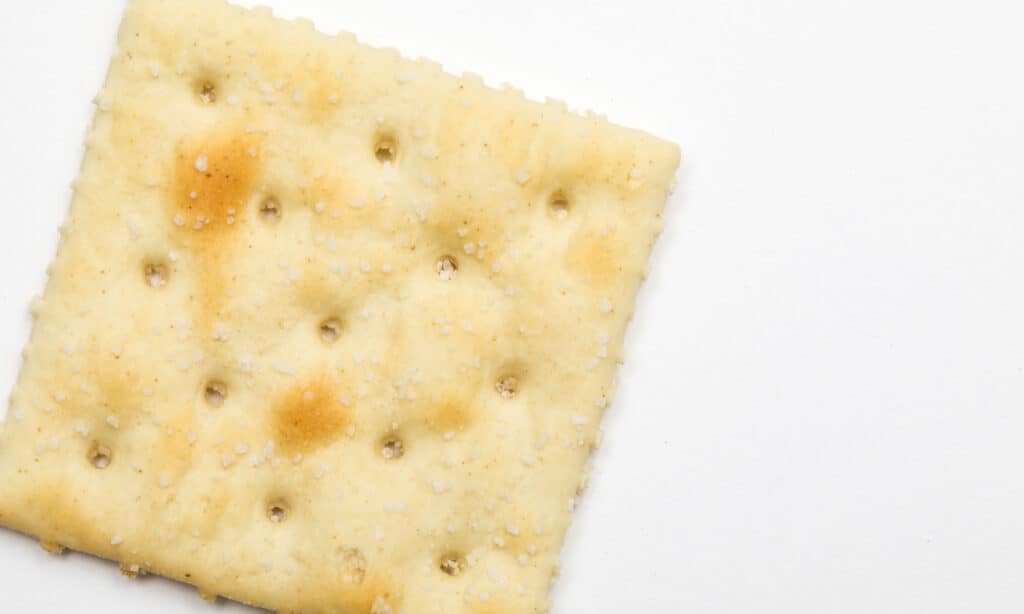
    Saltine crackers are those thin, crispy, salty crackers you probably have stashed away in your pantry. You know the ones – they’re perfect for topping with cheese, peanut butter, or whatever else you’re in the mood for. They’re made with basic ingredients like flour, water, salt, and yeast, and baked until they’re light and crunchy. You can recognize Saltines by their square shape and those little holes on top. And let’s not forget about that distinctively salty flavor that keeps us coming back for more! Whether you’re snacking on them straight out of the box or using them to jazz up your favorite dip, Saltine crackers are a classic snack that we all know and love.

    Can Dogs Have Saltine Crackers?

    While Saltine crackers are generally safe, they are not great to feed to our pups in large amounts. Dogs have different nutritional needs and digestive systems compared to humans, which means that not all human foods are safe or appropriate for them.

    When it comes to Saltine crackers, there’s no immediate danger if your dog eats one or two accidentally. However, Saltines are high in sodium, which is not healthy for dogs in large amounts. Ingesting too much salt can lead to dehydration, kidney damage, and other health issues, particularly in dogs with pre-existing health conditions.

    Furthermore, Saltine crackers don’t provide any significant nutritional value for dogs. They’re low in protein, fiber, and other essential nutrients that dogs need to thrive. So, while Saltines may be a tasty treat for us humans, they should not be a regular part of a dog’s diet.

    Harmful Ingredients in Saltine Crackers:

    While Saltine crackers are generally considered safe for human consumption in moderation, there are a few ingredients in these crackers that can be harmful if consumed in large amounts.

    One of the main ingredients in Saltine crackers is salt, and as previously mentioned, too much sodium can be dangerous for dogs. Consuming too much salt can cause excessive thirst, dehydration, and in severe cases, can lead to kidney damage or even death. Saltine crackers contain refined flour lacking fiber/nutrients of whole grains and can cause weight gain and health issues.

    In addition to these concerns, some brands of Saltine crackers may contain artificial flavors, colors, and preservatives that can be harmful to dogs. For example, BHA and BHT are commonly used as preservatives in processed foods, including some brands of Saltines. These chemicals have been linked to cancer and other health issues in dogs and should be avoided whenever possible.

    While it’s unlikely that your dog will experience any immediate harm from eating a Saltine cracker or two, it’s essential to be mindful of the ingredients and potential risks associated with feeding them to your furry friend.

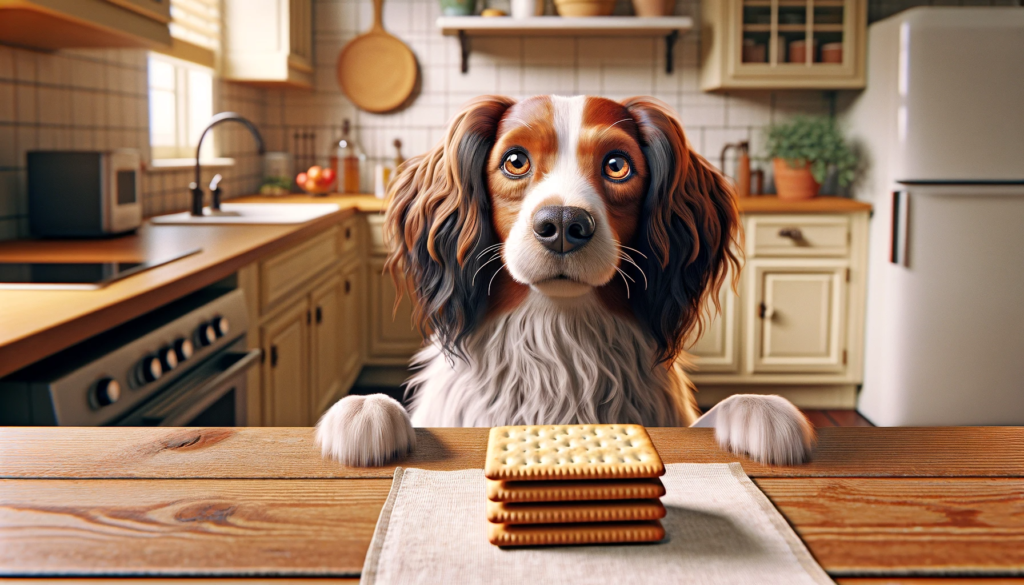
    Can Saltine Crackers Benefit Your Dog's Health? Learn More

    Safe Ingredients in Saltine Crackers:

    When it comes to safe ingredients in Saltine crackers, there aren’t many that are particularly beneficial for dogs. While Saltines are not toxic to dogs, they don’t provide any significant nutritional value either.

    Saltines are primarily made up of flour, water, and salt, with some brands including additional ingredients like yeast, sugar, and soybean oil. These ingredients are generally considered safe for dogs to consume in small amounts, but they don’t offer any substantial health benefits.

    What Signs To Watch For If Your Dog Accidentally Ate A Lot of Saltine Crackers?

    If your dog accidentally eats a large quantity of Saltine crackers, it’s important to monitor them closely for any signs of discomfort or illness. Some signs to watch for include:

    1. Excessive thirst: Excessive salt intake can make your dog excessively thirsty and increase water consumption.
    2. Upset stomach: Saltine crackers can be difficult for dogs to digest, especially if they’ve eaten a large amount. Your dog may experience diarrhea, vomiting, or abdominal pain as a result.
    3. Dehydration: Too much salt can cause dehydration, which can be dangerous for dogs. Signs of dehydration include dry mouth, sunken eyes, lethargy, and loss of appetite.
    4. Restlessness or pacing: If your dog is experiencing discomfort or pain, they may be restless or pace around the house.
    5. Increased urination: Saltines can increase urination in dogs, leading to more frequent potty breaks.

    If you notice any of these symptoms in your dog after they’ve eaten Saltine crackers, it’s important to contact your veterinarian right away. Depending on the severity of your dog’s symptoms, your vet may recommend supportive care, such as IV fluids or medications to manage their symptoms. In severe cases, your dog may need to be hospitalized for treatment.

    When or If You Should Go To The Vet?

    If your dog has accidentally eaten a large quantity of Saltine crackers and is experiencing any of the following symptoms, you should seek veterinary care immediately:

    1. Severe vomiting or diarrhea: Excessive vomiting or diarrhea in dogs can lead to dehydration, which is dangerous if left untreated.
    2. Lethargy or weakness: Unusual fatigue or weakness, difficulty standing or walking, may signal a serious health issue in dogs.
    3. Excessive thirst or urination: Unusual fatigue or weakness, difficulty standing or walking, may signal a serious health issue in dogs.
    4. Rapid heartbeat or difficulty breathing: Elevated heart rate or breathing difficulties in dogs may indicate a serious condition that requires immediate veterinary care.

    If your dog is experiencing any of these symptoms, it’s important to contact your veterinarian right away or take them to an emergency veterinary clinic. In less severe cases, you may be able to monitor your dog’s symptoms at home and provide supportive care, such as offering small amounts of water and a bland diet to help settle their stomach. However, it’s always better to err on the side of caution and seek veterinary care if you have any concerns about your dog’s health.

    Can Dogs Safely Eat Saltine Crackers? Find Out Here

    Safe Dog-Friendly Alternative to Saltine Crackers:

    If you’re looking for a safe and healthy alternative to Saltine crackers to offer your dog, there are plenty of options to choose from! Here are a few dog-friendly alternatives that are both tasty and nutritious:

    1. Carrots: Carrots are low in calories and high in fiber, making them a great snack for dogs. They’re also rich in vitamin A, which is essential for maintaining healthy skin and eyesight.
    2. Green beans: Green beans are another low-calorie, high-fiber snack that many dogs enjoy. They’re also a good source of vitamins and minerals, including vitamin C, vitamin K, and potassium.
    3. Apple slices: Apples are a healthy snack for dogs in moderation. Apples provide fiber, vitamin C, and antioxidants but remove seeds and core, which can harm dogs.
    4. Peanut butter: Many dogs love peanut butter, which is a good source of protein and healthy fats. Moderation is key with natural, unsalted peanut butter for dogs due to its high-calorie content.
    5. Rice cakes: Rice cakes are a low-calorie, low-sodium alternative to Saltine crackers that many dogs enjoy. They’re also a good source of complex carbohydrates, which can provide energy and help keep your dog feeling full.

    Remember, when introducing any new food into your dog’s diet, it’s important to do so gradually and in moderation to avoid digestive upset or other health issues.

    Healthy Store-Bought Options:

    In conclusion, while Saltine crackers may seem like a harmless and tasty snack to share with your dog, they’re not particularly beneficial for their health and can even be harmful if consumed in large amounts. High in sodium and lacking in essential nutrients, Saltines should be avoided as a regular part of your dog’s diet. Instead, consider offering your furry friend healthy, dog-friendly alternatives like carrots, green beans, and apple slices, which are not only safe but also provide valuable nutrition. As always, consulting with your veterinarian is the best way to ensure that your dog is receiving a balanced and healthy diet that meets their individual needs.

    ~Lindsie

    A note about your dog’s health

    This article provides general education and does not replace an examination, diagnosis, or individualized advice from your veterinarian. Contact a veterinary professional if you are concerned about your dog’s symptoms.

    Daniel Bird Avatar

    ABOUT THE AUTHOR

  • Can Dogs Eat Bacon Bits? – Expert Answers

    Can Dogs Eat Bacon Bits? – Expert Answers

    Welcome to our blog post on a question that many dog owners have likely asked themselves at some point: Can dogs eat bacon bits? As dog owners, we all want to treat our furry friends with delicious snacks and tasty meals, but we also want to make sure that what we’re feeding them is safe and healthy.

    Bacon bits are a popular topping for salads, baked potatoes, and other dishes, but is it okay to share them with our canine companions? “Learn about bacon bits for dogs: nutrition, safety, and potential risks to avoid

    We’ll also provide some alternative treat ideas for your dog that are both tasty and nutritious. Curious about what your dog can safely eat? Read on!

    can dogs eat bacon bits

    What are Bacon Bits:

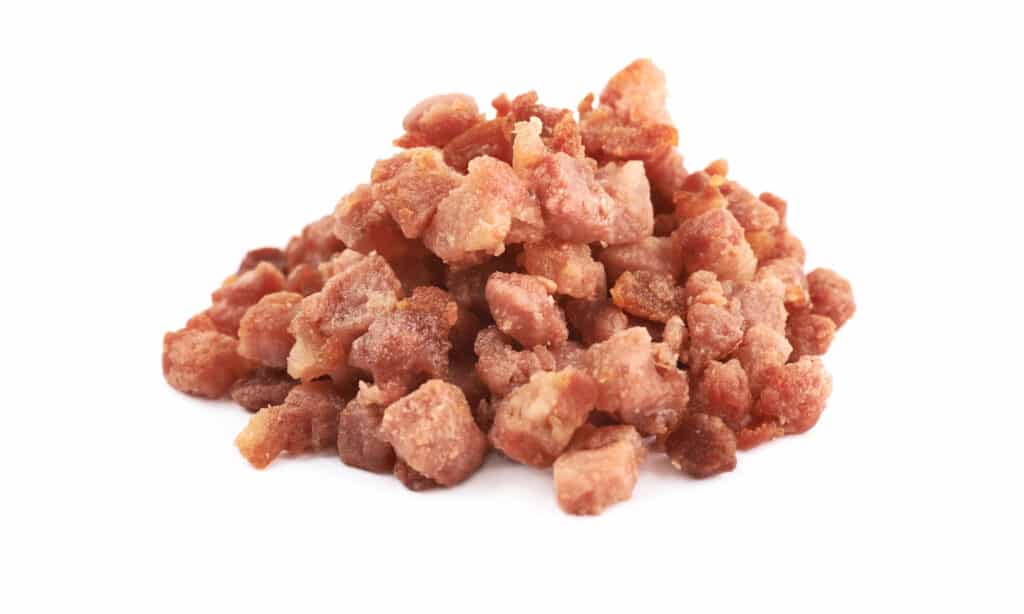
    Bacon bits are small pieces of bacon that have been chopped up into small, bite-sized pieces.Bacon bits top salads, potatoes, & dishes; sold in grocery stores as real/imitation.

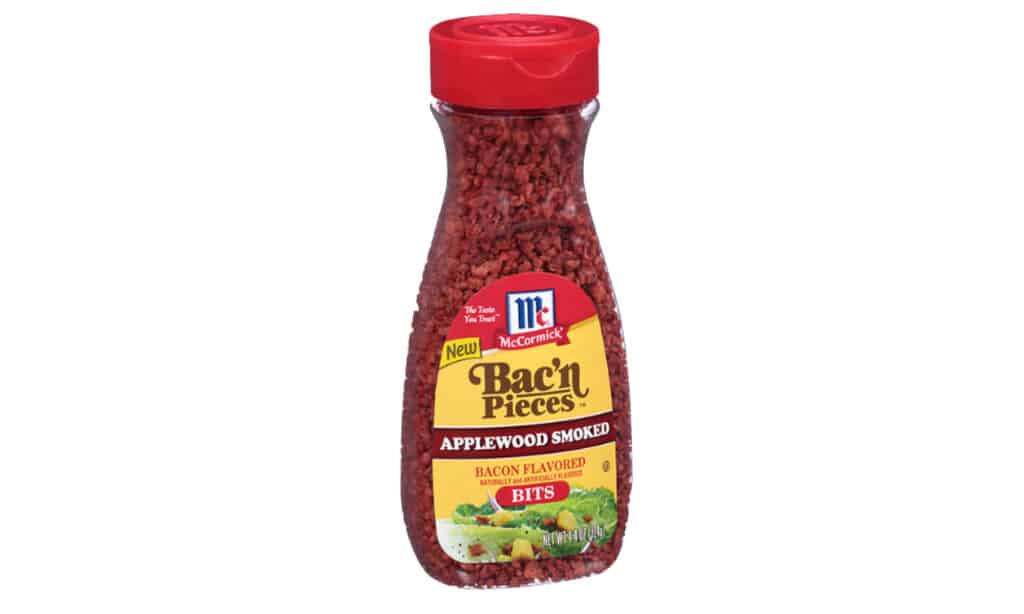
    Real bacon bits are made from cooked and crumbled bacon, while imitation bacon bits are typically made from textured vegetable protein or soy protein concentrate that has been flavored to taste like bacon.

    Bacon bits add flavor and texture to dishes for those who love bacon but not its quantity. Consider if bacon bits are safe for dogs before giving them to your pet.

    Can Dogs Eat Bacon Bits:

    While bacon bits may be a tasty treat for humans, whether or not dogs can eat them safely is a more complicated question. The short answer is that dogs can technically eat bacon bits, but it’s not necessarily recommended.

    One reason for this is that bacon is high in fat, which can be hard for dogs to digest and may lead to stomach upset or even pancreatitis if consumed in large amounts. Most store-bought bacon bits have harmful salt and preservatives for dogs.

    Furthermore, imitation bacon bits may contain other ingredients that aren’t safe for dogs, such as onion or garlic powder. Some amounts of these ingredients are toxic to dogs and may cause anemia or digestive problems.

    If you do want to give your dog a small taste of bacon, it’s best to stick with small amounts of cooked, unseasoned bacon rather than bacon bits. Bacon is an occasional treat, not a significant portion of a dog’s diet.

    Bacon bits and the risk of pancreatitis in dogs

    Harmful Ingredients in Bacon Bits:

    While bacon bits may seem like a harmless treat, some of the ingredients found in them can actually be harmful to your dog’s health. Here are some examples of harmful ingredients that may be present in bacon bits:

    1. Salt: Excessive consumption of heavily salted bacon bits can lead to sodium poisoning in dogs. Symptoms of sodium poisoning in dogs include vomiting, diarrhea, tremors, seizures, and even death in severe cases.
    2. Preservatives: Bacon bits may harm your dog due to preservatives like sodium nitrite. These preservatives have been linked to an increased risk of cancer in humans and may have similar effects on dogs.
    3. Onion and garlic powder: Onion or garlic powder in bacon bits can be toxic to dogs in large amounts. These ingredients can cause anemia and digestive issues in dogs and should be avoided.
    4. Imitation bacon bits: Fake bacon bits can be hard for dogs to digest, causing stomach problems. They may also contain other harmful ingredients such as artificial flavors and colors.

    In general, it’s best to avoid giving your dog bacon bits altogether and opt for healthier treat options instead.

    Safe Ingredients in Bacon Bits:

    While bacon bits may not be the healthiest snack option for your furry friend, there are some ingredients that are safe for dogs to eat in moderation. Here are a few examples of ingredients that may be found in bacon bits that are generally safe for dogs:

    • Real bacon: For safe bacon bits, choose cooked, small pieces of real bacon. Bacon is high in fat, but small amounts of cooked bacon are safe for dogs.
    • Natural flavors: Some bacon bits may contain natural flavors, which are generally safe for dogs in small amounts. However, it’s important to make sure that the natural flavors used don’t come from harmful ingredients like onion or garlic. Always check the label before giving any human food to your dog.
    • Smoke flavoring: Smoke flavoring in bacon bits is safe for dogs if free of harmful additives or preservatives.
    • Meat-based protein sources: Some bacon bits may be made with alternative meat-based protein sources like chicken or turkey. These can be a healthy and safe option for dogs, but make sure they aren’t heavily seasoned or processed.

    Remember, it’s important to always check the label and be cautious when giving your dog any human food. Bacon should only be given as an occasional treat and should not make up a significant portion of your dog’s diet.

    How much bacon can dogs eat safely?

    What Signs To Watch For If Your Dog Accidentally Ate A Lot of Bacon Bits?

    Instead of feeding your furry friend bacon bits, opt for safe and healthy alternatives like lean proteins, fresh fruits and vegetables, and homemade dog treats. Cooked chicken, turkey, and lean beef are great sources of protein for dogs. You can also try feeding your dog fresh fruits and vegetables like apples, carrots, and green beans.

    1. Vomiting: Overindulging in bacon bits may cause vomiting in dogs. This can be a sign that your dog’s digestive system is struggling to process the bacon.
    2. Diarrhea: Eating too many bacon bits can also lead to diarrhea, which can cause dehydration and discomfort for your dog. Keep an eye on your dog’s poop and call the vet if diarrhea lasts over 24 hrs.
    3. Abdominal pain: Your dog may also experience abdominal pain or discomfort after consuming a large amount of bacon bits. This can manifest as lethargy, restlessness, or reluctance to move or be touched.
    4. Pancreatitis: Eating too many bacon bits can cause pancreatitis, which can be life-threatening. Symptoms of pancreatitis in dogs include vomiting, diarrhea, loss of appetite, abdominal pain, and lethargy.

    If you notice any of these symptoms in your dog after they have consumed bacon bits, it’s important to contact your veterinarian right away. While small amounts of bacon may not cause any harm, excessive consumption can lead to serious health issues. It’s always better to err on the side of caution when it comes to your dog’s health and well-being.

    If your dog has accidentally consumed a large amount of bacon bits, there are several signs to watch for that may indicate an issue. Here are some symptoms to keep an eye out for:

    When or If You Should Go To The Vet?

    If your dog has eaten a large amount of bacon bits, it’s important to monitor them closely for any signs of illness or discomfort. While small amounts of bacon bits may not cause any issues, excessive consumption can lead to serious health problems in dogs.

    If you notice any symptoms such as vomiting, diarrhea, abdominal pain, or lethargy, it’s important to contact your veterinarian right away. These symptoms can indicate that your dog’s digestive system is struggling to process the excess food or that they may be experiencing more serious health issues like pancreatitis.

    Your vet may recommend bringing your dog in for an examination and possibly some diagnostic tests like blood work or an abdominal x-ray to determine the extent of the problem. In some cases, your vet may recommend hospitalization or other treatments to manage your dog’s symptoms and prevent further complications.

    It’s always better to be safe than sorry when it comes to your dog’s health, so if you’re ever unsure whether your dog’s bacon bit consumption warrants a trip to the vet, it’s always best to err on the side of caution and seek professional advice.

    Bacon bits for dogs: Yay or nay?

    Safe Dog-Friendly Alternative to Bacon Bits:

    If you’re on the hunt for some tasty and healthy alternatives to bacon bits for your furry companion, there are plenty of options to choose from! Here are a few ideas:

    • Cooked lean meats: Instead of bacon, you can try giving your dog small pieces of cooked chicken or turkey. These meats are low in fat and high in protein, making them a nutritious treat option.
    • Fresh fruits and vegetables: Dogs can safely eat many fruits and veggies, rich in vitamins and minerals. Apples, carrots, green beans, and blueberries are all examples of healthy snacks that your pup is sure to enjoy.
    • Plain rice or pasta: Sometimes simple is best! Rice or pasta can give carb boost to dogs on diet. These foods are easy to digest and can provide your dog with a quick burst of energy.
    • Peanut butter: Most dogs go wild for peanut butter, and it can be a healthy source of protein and fats. Just make sure to choose a brand that doesn’t contain any harmful ingredients like xylitol.
    • Commercial dog treats: Many safe and healthy dog treats are available on the market. Look for options made with natural, high-quality ingredients and steer clear of any products that contain preservatives or additives.

    Remember, it’s important to give your dog any human food in moderation and always check with your vet if you’re unsure whether a particular food is safe for your dog to eat. With a little creativity, you can find plenty of healthy treat options that your pup is sure to love!

    Healthy Store-Bought Recommendations:

    In conclusion, while it may be tempting to share your bacon bits with your furry friend, it’s important to remember that not all human foods are safe for dogs to eat. Choose healthier snack options for your dog instead of relying on bacon bits.

    By keeping an eye on your dog’s diet and choosing snacks that are high in nutrients and low in harmful ingredients, you can ensure that your furry friend stays happy and healthy for years to come. Check with your vet before giving any questionable food to your dog.

    Remember, your dog relies on you to make the best choices for their health and well-being. By choosing safe and healthy alternatives to bacon bits, you can show your pup how much you care and help them live their best life possible.

    ~ Lindsie

    A note about your dog’s health

    This article provides general education and does not replace an examination, diagnosis, or individualized advice from your veterinarian. Contact a veterinary professional if you are concerned about your dog’s symptoms.

    Lindsie Parks B.S., CRDNS Avatar

    ABOUT THE AUTHOR

  • Can Dogs Eat Red Bean Paste? – Expert Answers

    Can Dogs Eat Red Bean Paste? – Expert Answers

    If you’re a dog owner, you might wonder if it’s safe to share human food with your furry friend. Recently, red bean paste has gained popularity worldwide, but can dogs eat it? In this article, we’ll discuss the nutritional benefits and potential risks of feeding this to your pup.

    can dogs eat red bean paste

    What is Red Bean Paste?

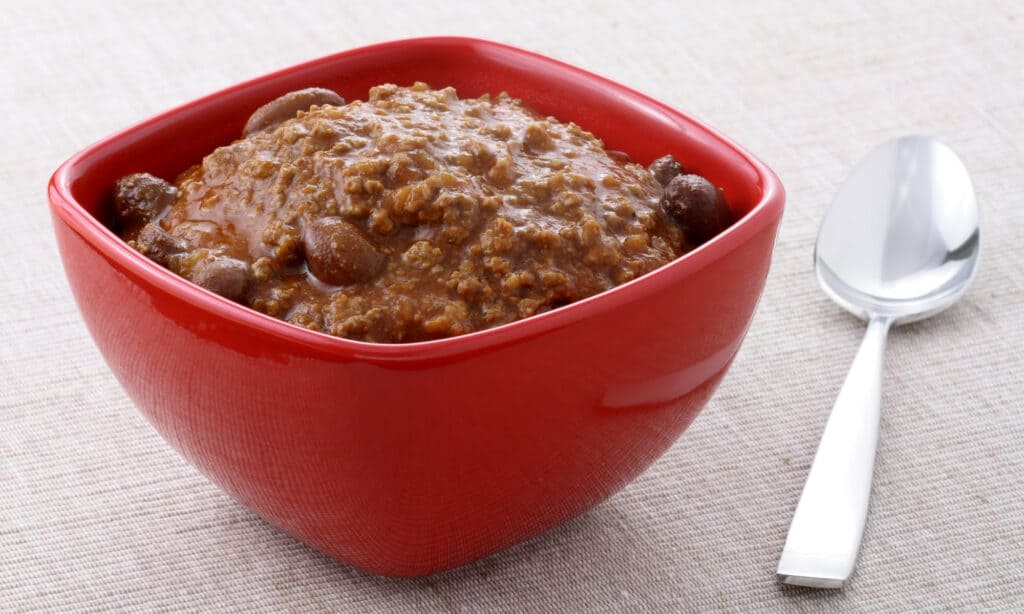
    This is a deliciously sweet and sticky filling made by boiling and mashing azuki beans, sugar, and sometimes salt. This delectable paste is commonly used in Asian desserts like mochi, dorayaki, and bean soup.

    Is Red Bean Paste Safe For Dogs?

    While red bean paste is not toxic to dogs, it’s important to feed it to your furry friend in moderation. The high sugar content in it can cause gastrointestinal upset and obesity in dogs. Additionally, some dogs may have trouble digesting beans, which can lead to bloating and discomfort.

    Can dogs eat red bean paste

    Beneficial Ingredients in Red Bean Paste

    Despite the potential risks, it does contain some beneficial ingredients. Azuki beans are a good source of protein and fiber, which can help support your dog’s digestive health. They also contain antioxidants that may help reduce inflammation and improve heart health.

    Harmful Ingredients in Red Bean Paste

    This may contain harmful ingredients for dogs like chocolate or artificial sweeteners. Chocolate can be toxic and cause vomiting, diarrhea, and seizures. Xylitol can cause a drop in blood sugar levels.

    Help?!? What if my dog accidentally ate a lot of Red Bean Paste?

    If your dog eats a large amount you should watch for GI upset.

    Post Snack Distress Signs & Symptoms

    Dogs that consume a large amount can experience digestive upset, including vomiting, diarrhea, and abdominal discomfort.

    Is red bean paste safe for dogs to eat?

    When or If You Should Go To The Vet?

    In most cases, there is no need to seek veterinary care if your dog consumes this paste. However, if your dog experiences continuous gi upset you should call your veterinarian.

    Canine-friendly and safe alternatives to Red Bean Paste

    If you want to treat your furry friend to something sweet, there are plenty of safe alternatives. Fresh fruits such as strawberries, bananas, and blueberries are not only delicious but also nutritious, with low calories and high in vitamins and antioxidants. You can also try making homemade dog treats using ingredients like peanut butter, pumpkin, and oats for a fun bonding activity with your furry friend. With these dog-friendly options, you can enjoy treats with your furry friend while keeping them healthy and happy.

    Healthy Store-Bought Recommendations

    While dogs can have red bean paste in small amounts, it’s important to watch out for its high sugar content and harmful ingredients. Choosing safe and healthy alternatives like fresh fruits and homemade dog treats is a better option to keep your furry friend happy and healthy. And, if you’re ever unsure about your dog’s diet, it’s always a good idea to consult with your veterinarian for advice.

    ~Lindsie

    A note about your dog’s health

    This article provides general education and does not replace an examination, diagnosis, or individualized advice from your veterinarian. Contact a veterinary professional if you are concerned about your dog’s symptoms.

    Lindsie Parks B.S., CRDNS Avatar

    ABOUT THE AUTHOR
  • Can Dogs Eat Takis? – Expert Answers

    Can Dogs Eat Takis? – Expert Answers

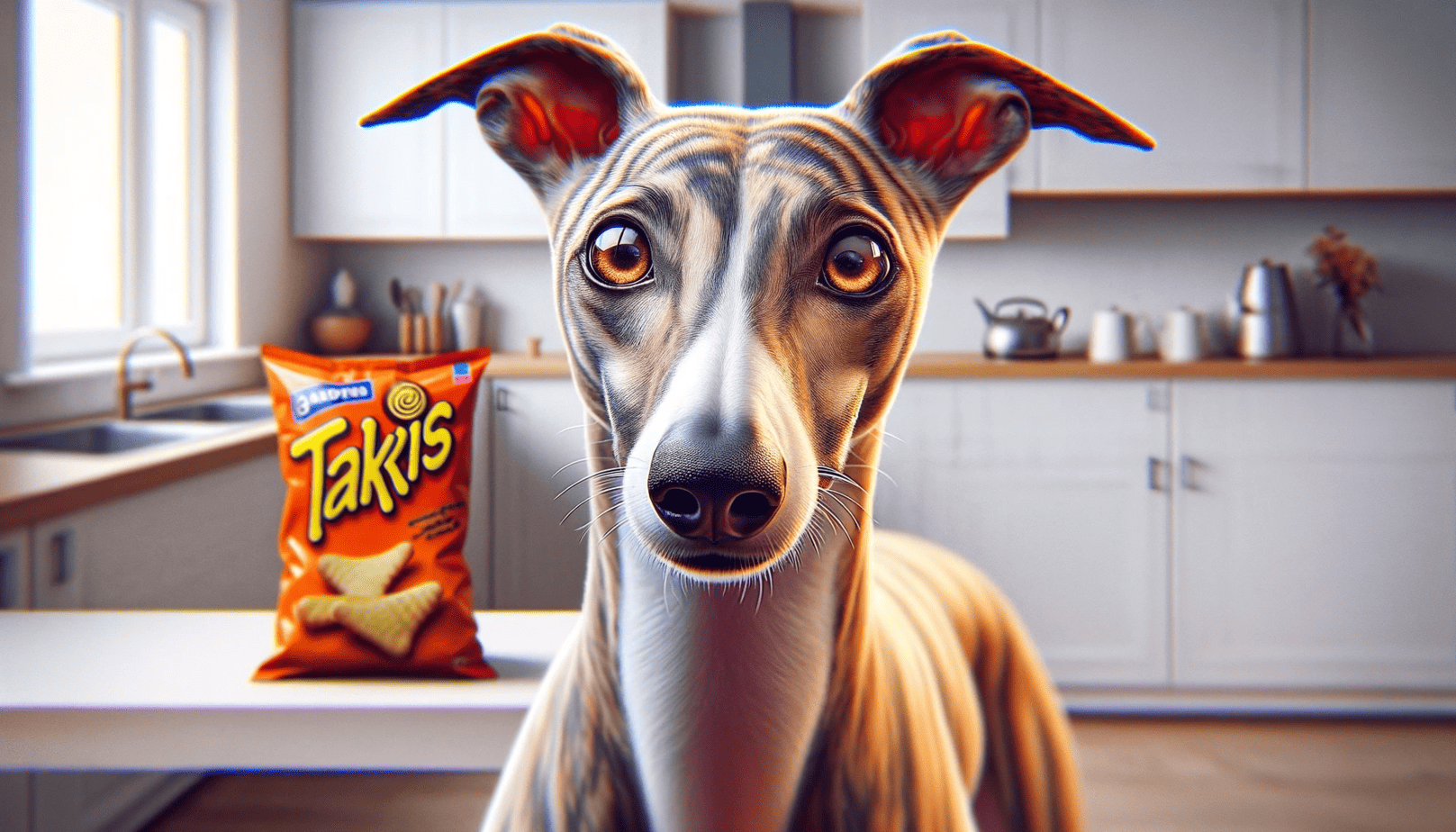
    Hello, there fellow pet owners! As a pet health expert, I often get asked about what human foods are safe for dogs to eat. Recently, I’ve been getting a lot of questions about Takis, those popular spicy corn chips that have become a snack-time favorite for many people. But can dogs eat Takis too?

    It’s important to remember that dogs have different nutritional needs than humans, and what may be safe and enjoyable for us may not necessarily be the same for our furry friends. In this blog post, we’ll dive into the details about whether or not Takis are a safe snack for dogs to enjoy, and what you should keep in mind when it comes to feeding your pets any type of human food.

    So, if you’re curious about whether or not you can share your Takis with your furry best friend, keep reading! We’ve got all the information you need to know to make sure your pet stays healthy and happy.

    can dogs eat takis

    What are Takis?

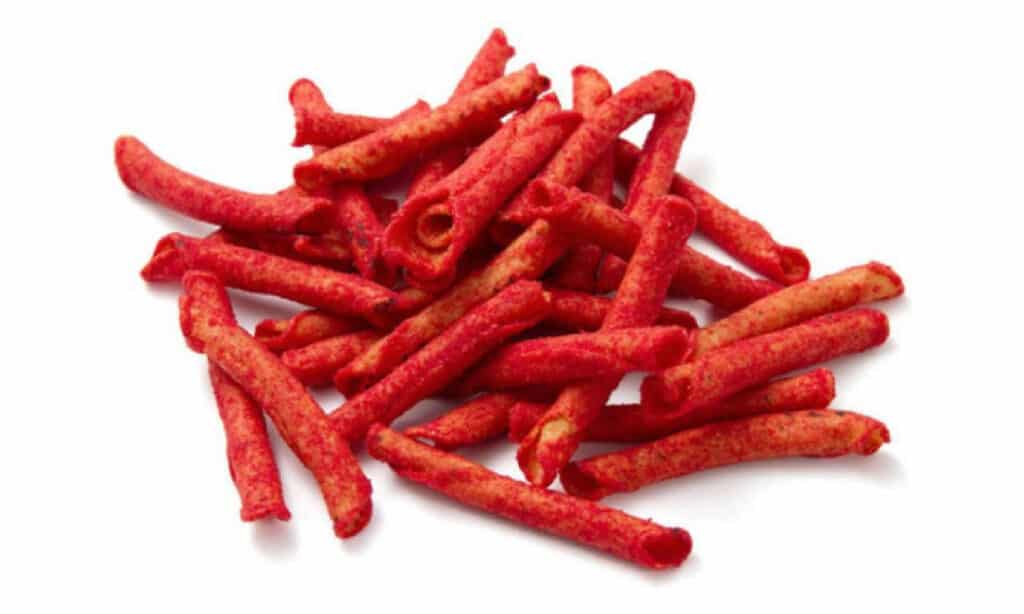
    Takis are a popular brand of rolled corn tortilla chips that are known for their spicy flavor. They were first introduced in Mexico in the 1990s and have since become a popular snack in many countries, including the United States.

    Takis come in a variety of flavors, but some of the most popular include Fuego (which means “fire” in Spanish), which is known for its spicy and tangy taste, and Nitro, which is even hotter than Fuego. They are often marketed as a “fiery” snack that is meant to be enjoyed by people who love bold flavors and a bit of heat.

    While Takis are a beloved snack for many people, it’s important to remember that they may not be suitable for all pets. As a pet health expert, I always recommend erring on the side of caution when it comes to feeding your pets human food, including snacks like Takis.

    Where Do Takis come from?

    Takis is a brand of rolled corn tortilla chips that was first introduced in Mexico in 1999. They quickly became popular throughout Mexico and eventually made their way to the United States, where they gained a devoted following.

    The name Takis comes from the word “taquitos,” which means “small tacos” in Spanish. The distinctive rolled shape of Takis sets them apart from other tortilla chips. They are also known for their intense flavors, which range from traditional Mexican spices like chili and lime to more exotic flavors like fuego (fire) and nitro (extreme heat).

    While Takis are not toxic to dogs, I always advise against feeding highly processed foods to your pup. Takis could cause some GI upset, especially the “fuego” and “nitro” flavors.

    Takis: Safe or Harmful to Dogs?

    Takis Ingredients

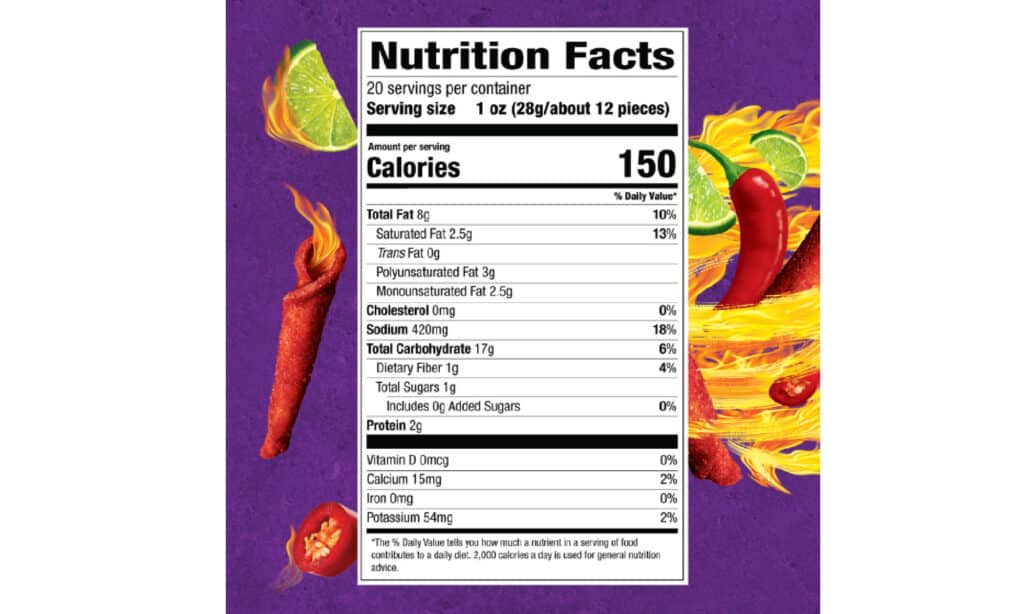
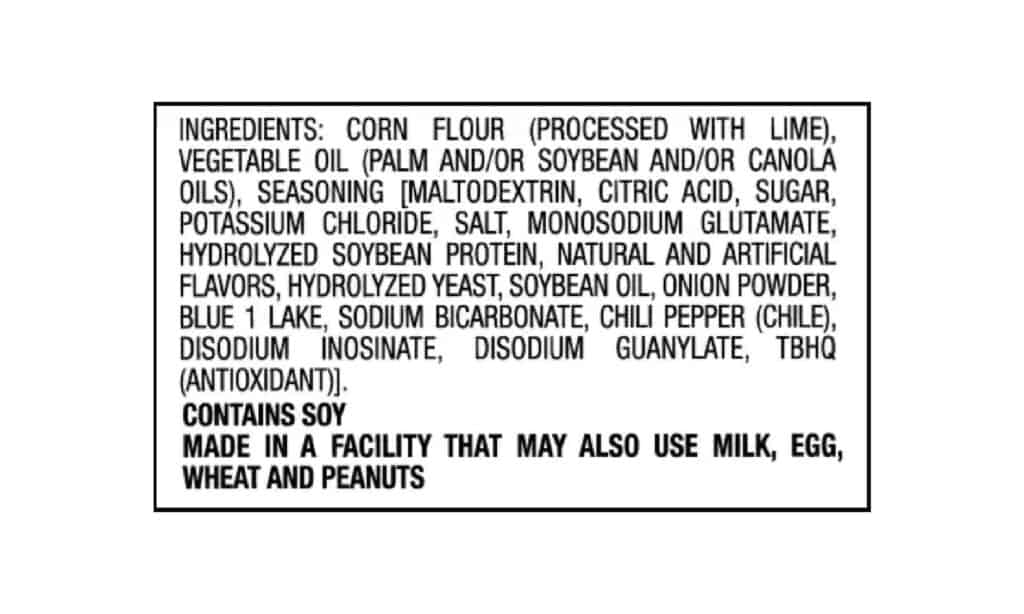
    When it comes to the ingredients in Takis, the list can vary slightly depending on the specific product. Common ingredients include corn masa flour, vegetable oil, seasoning, and salt. salt, and sodium nitrite. Some varieties may also contain additional additives like monosodium glutamate (MSG), artificial flavors, and preservatives. 

    While many of these ingredients are safe for humans to eat in moderation, they may not be suitable for dogs, especially those with preexisting health conditions. To be safe, it’s always best to choose safer and more nutritious treats for your furry friend.

    Inappropriate Ingredients in Takis

    MSG

    When dogs eat foods that contain MSG, it can overstimulate their nervous system and cause a range of symptoms, including vomiting, diarrhea, excessive thirst, lethargy, and even seizures. Additionally, some dogs may be more sensitive to MSG than others, and even small amounts can cause an adverse reaction.

    Salt

    It’s important to be careful when it comes to feeding your dog any treats that are high in salt. Although dogs need a certain amount of salt in their diet, too much can cause a variety of health issues, such as dehydration, electrolyte imbalances, and high blood pressure. Additionally, treats that are high in salt, like certain types of corn chips, can be hard on your dog’s digestive system, leading to vomiting or diarrhea. Choosing treats made with natural, wholesome ingredients that support overall well-being is the best way to ensure your pet stays healthy and avoid giving them treats loaded with salt.

    Corn, Soy, and Wheat

    Food sensitivities and allergies can be a real challenge for dogs, and three of the most common culprits are corn, soy, and wheat. These ingredients are frequently found in many dog foods and treats, but they can cause a range of health issues for some dogs. Some dogs may experience digestive problems like diarrhea, vomiting, or bloating, while others may develop skin irritations, itchiness, or other allergic reactions. It’s a good idea to avoid feeding your dog any foods or treats that contain these common allergens.

    Tasty Takis: Can Dogs Share?

    Help?!? What if my dog accidentally ate a lot of Takis?

    If your dog accidentally ate a lot of Takis it’s important to monitor them closely for any signs of distress. 

    Post Snack Distress Signs & Symptoms

    Dogs that consume a large amount of processed foods like Takis (especially the spicy varieties) can experience digestive upset, including vomiting, diarrhea, and abdominal discomfort. If your dog is prone to allergies, eating large amounts of Takis may lead to ear infections, itchiness and hairloss.

    Takis Chips for Dogs: Yay or Nay?

    When or If You Should Go To The Vet?

    If your dog ate more than half a bag, you should probably call your local vet clinic. They can advise you based on the size and health of your dog.

    If your dog seems lethargic or unresponsive, go to the pet emergency hospital right away.

    Canine-friendly and safe alternatives to Takis

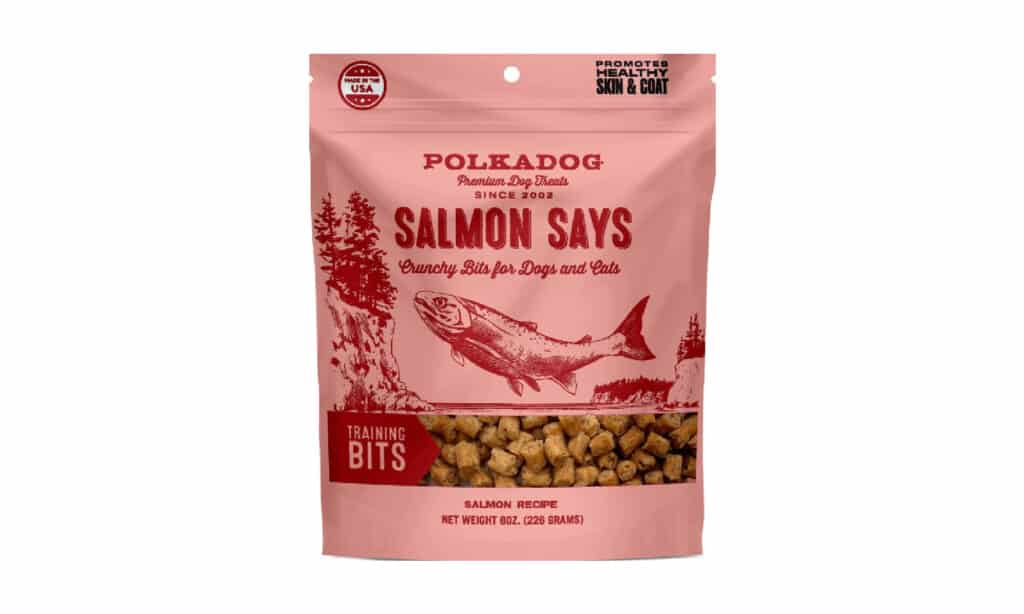
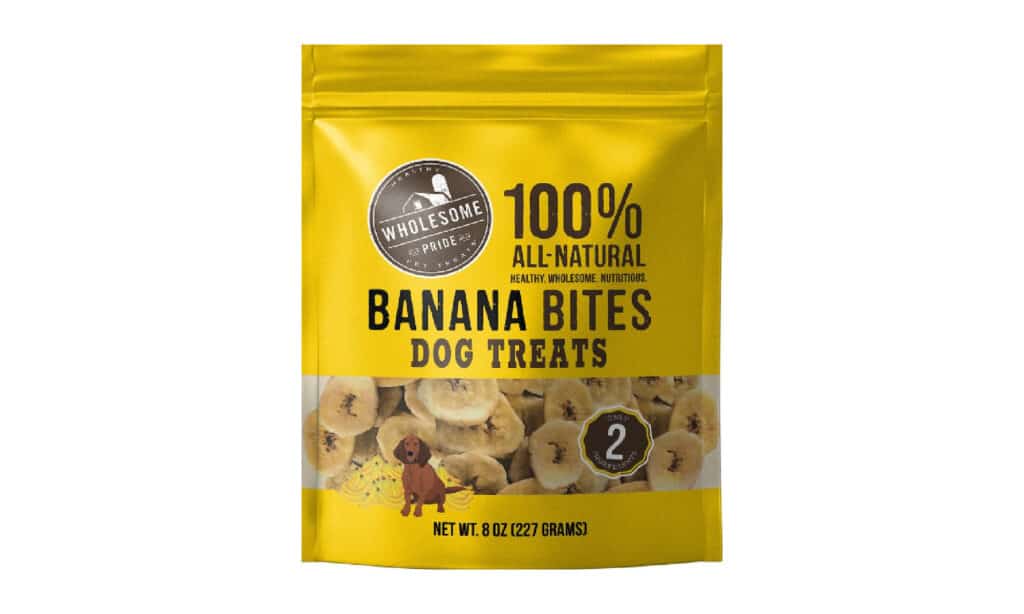
    If you’re searching for a tasty and healthy snack to give your furry friend, there are plenty of great alternatives to Takis that are both safe and delicious.

    Healthy Store-Bought Recommendations

    Of course, these are just a few of the many alternatives to Takis that are safe and healthy for your furry friend. When choosing treats for your pet, it’s important to read the ingredient list carefully and opt for products that are made with natural, wholesome ingredients. Your dog will be grateful for the tasty and nutritious treats!

    While Takis aren’t toxic to your pup, take note that if they eat large amounts of them it could cause GI upset.

    ~Lindsie

    A note about your dog’s health

    This article provides general education and does not replace an examination, diagnosis, or individualized advice from your veterinarian. Contact a veterinary professional if you are concerned about your dog’s symptoms.

    Lindsie Parks B.S., CRDNS Avatar

    ABOUT THE AUTHOR

  • Can Dogs Eat Slim Jims? What You Need to Know – Expert Answers

    Can Dogs Eat Slim Jims? What You Need to Know – Expert Answers

    Hello there, pet owners! Have you ever wondered whether or not your furry friend can safely eat Slim Jims while you snack on them? As a pet expert, I’ve been asked this question many times, and there are some important things to keep in mind before sharing this popular snack with your dog. In this article, I’ll discuss whether or not Slim Jims are safe for dogs, and offer some alternative snack options that are better for your pet’s health. So let’s dive in and make sure our furry friends stay happy and healthy!

    can dogs have slim jims

    What are Slim Jims?

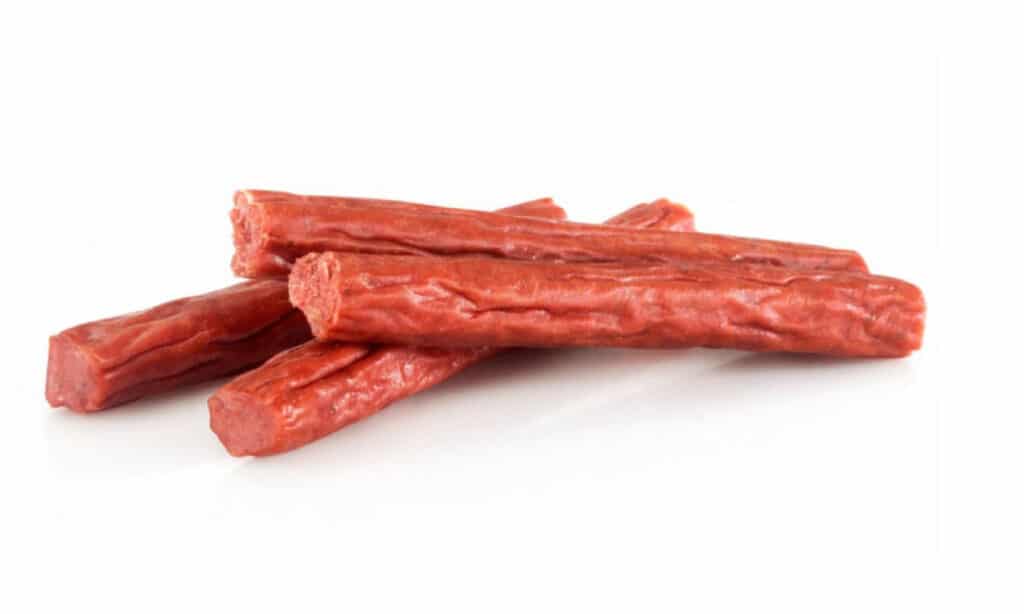
    To start things off, let’s take a closer look at what Slim Jims actually are. These popular meaty snacks are a type of beef jerky that are known for their spicy flavor and convenient packaging. Haven’t we all heard their slogan “Snap Into A Slim Jim!” as we envision a classic wrestling entertainment star? 

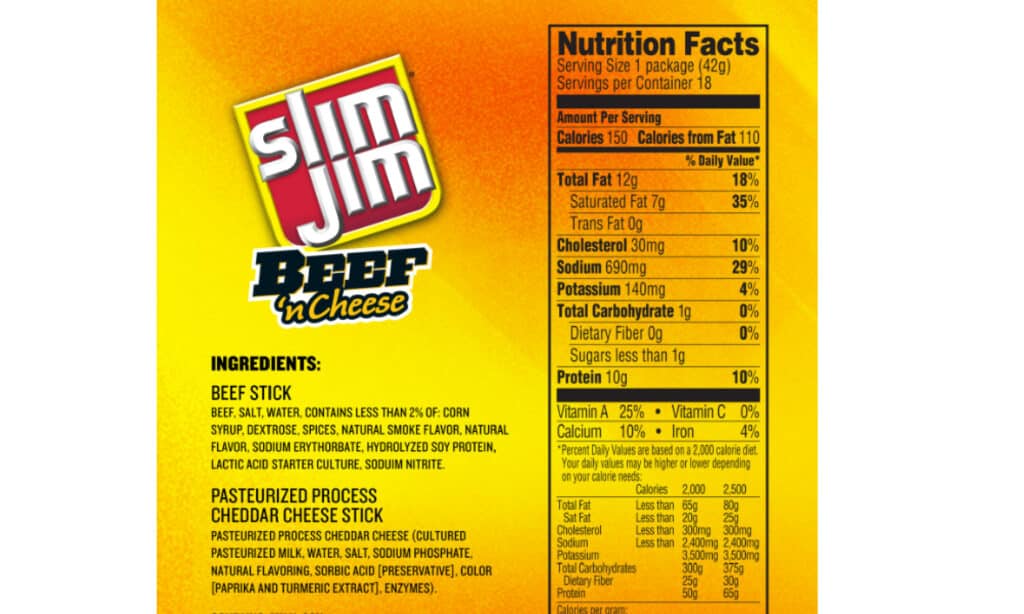
    Slim Jims are made from processed meat and a variety of seasonings, and are often high in sodium and other additives. While they may be a tempting snack for us humans, it’s important to consider whether or not they’re safe for our furry friends. Some of the ingredients in Slim Jims can be harmful to dogs, so it’s crucial to know what’s in these snacks before deciding whether or not to share them with your pet.

    Where Do Slim Jims come from?

    Slim Jims were first introduced in the United States in the 1920s and quickly gained popularity. Originally, they were made from beef scraps that were ground up and seasoned to create a tasty snack that didn’t require refrigeration. Nowadays, you can find 100 different varieties in convenience stores and supermarkets across the country.

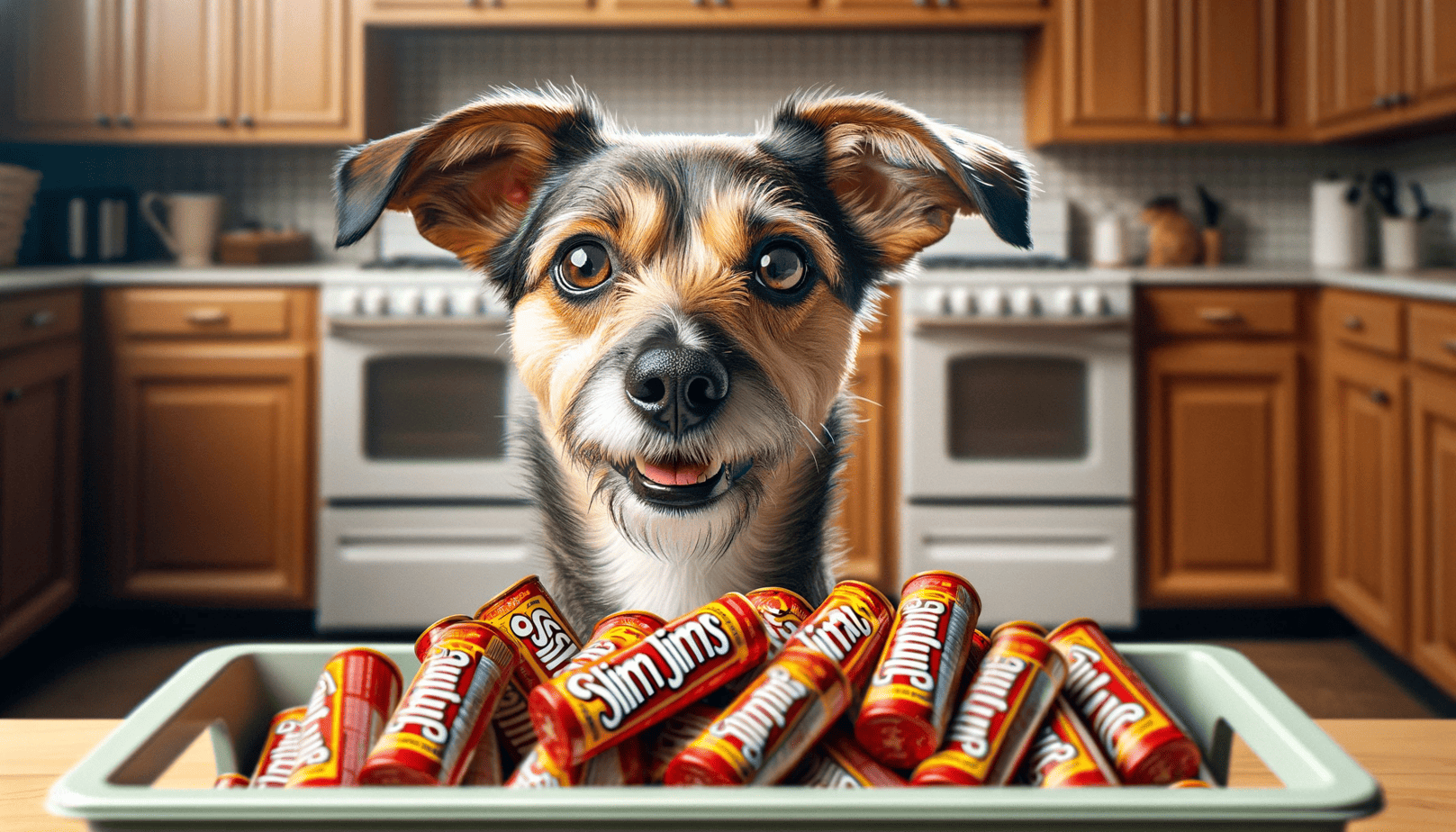
    Dog snacks: why Slim Jims may not be the best choice

    Slim Jim Ingredients

    When it comes to the ingredients in Slim Jims, the list can vary slightly depending on the specific product. Common ingredients include beef, pork, chicken, corn syrup, spices, salt, and sodium nitrite. Some varieties may also contain additional additives like monosodium glutamate (MSG), artificial flavors, and preservatives. 

    While many of these ingredients are safe for humans to eat in moderation, they may not be suitable for dogs, especially those with preexisting health conditions. To be safe, it’s always best to choose safer and more nutritious treats for your furry friend.

    Sugars

    It’s not a good idea to give your dog treats that contain high fructose corn syrup. This ingredient can make dogs more prone to being obese or diabetic. Sugar leads to inflammation in your dog’s body, especially in joints.  Added sugar can also lead to tooth decay and other dental problems. Choose treats that are made from whole, natural ingredients instead.

    Salt

    It’s important to be careful when it comes to feeding your dog any treats that are high in salt. Although dogs need a certain amount of salt in their diet, too much can cause a variety of health issues, such as dehydration, electrolyte imbalances, and high blood pressure. Additionally, treats that are high in salt, like certain types of jerky, can be hard on your dog’s digestive system, leading to vomiting or diarrhea. Choosing treats made with natural, wholesome ingredients that support overall wellbeing is the best way to ensure your pet stays healthy and avoid giving them treats loaded with salt.

    Corn, Soy and Wheat

    Food sensitivities and allergies can be a real challenge for dogs, and three of the most common culprits are corn, soy, and wheat. These ingredients are frequently found in many dog foods and treats, but they can cause a range of health issues for some dogs. Some dogs may experience digestive problems like diarrhea, vomiting, or bloating, while others may develop skin irritations, itchiness, or other allergic reactions. It’s a good idea to avoid feeding your dog any foods or treats that contain these common allergens.

    Slim Jims for dogs: proceed with caution

    Help?!? What if my dog accidentally ate a lot of Slim Jims?

    If your dog accidentally ate a lot of Slim Jims, it’s important to monitor them closely for any signs of distress. 

    Post Snack Distress Signs & Symptoms

    Dogs who eat processed foods like Slim Jims may have vomiting, diarrhea, and discomfort. In some cases, they may also develop pancreatitis, a condition that causes inflammation of the pancreas and can be quite serious. 

    If your dog ate more than 3 or 4, you should probably call your local vet clinic. They can advise you based on the size and health of your dog. And the amount of beef snack consumed. 

    If your dog seems lethargic or unresponsive, go to the pet emergency hospital right away.

    Canine-friendly and safe alternatives to Slim Jims

    If you’re searching for a tasty and healthy snack to give your furry friend, there are plenty of great alternatives to Slim Jims that are both safe and delicious.

    Here are a few things to consider:

    • Dehydrated beef liver: This savory treat is a fantastic source of protein and contains important nutrients like iron and vitamin A. Plus, most dogs seem to really enjoy the taste of beef liver, making it a great Slim Jim alternative.
    • Carrots: Crunchy and low in calories, carrots make a great snack for dogs. They’re high in fiber and vitamins, making them a nutritious choice for your pet.
    • Apples: Many dogs enjoy the sweet, crunchy taste of fresh apples. These are a great source of fiber and vitamin C.
    • Green beans: Cooked or raw, green beans are a healthy and low-calorie snack that many dogs find satisfying. They’re also a good source of vitamins and minerals.
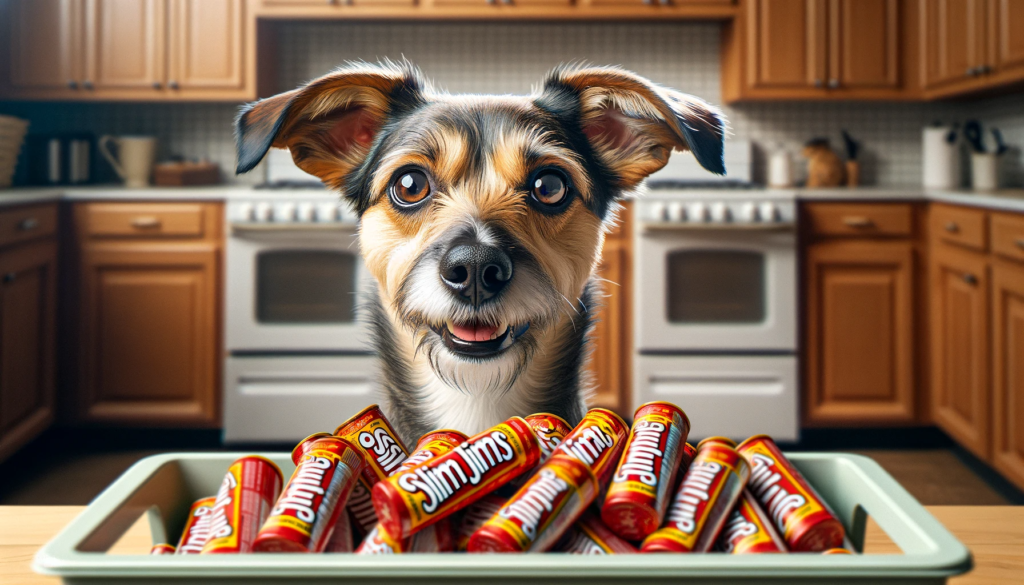
    Dogs and processed food: the dangers of Slim Jims

    Healthy Store-Bought Recommendations

    Of course, these are just a few of the many alternatives to Slim Jims that are safe and healthy for your furry friend. When choosing treats for your pet, it’s important to read the ingredient list carefully and opt for products that are made with natural, wholesome ingredients. Your dog will be grateful for the tasty and nutritious treats!

    ~Lindsie

    A note about your dog’s health

    This article provides general education and does not replace an examination, diagnosis, or individualized advice from your veterinarian. Contact a veterinary professional if you are concerned about your dog’s symptoms.

    Lindsie Parks B.S., CRDNS Avatar

    ABOUT THE AUTHOR